

Clients Are Leaving to Competitors: VR on Pico
When a choice is made in minutes, impression decides. Clients compare you with competitors, and the company that shows its product in 3D and lets people “touch” the product virtually instantly wins attention.
Without interactive VR solutions on Pico, you look one step behind: presentations and catalogs no longer surprise, and visitors go to those who gave them an experience.
Every such departure is not only a lost deal but also lost referrals, because clients remember the one who impressed them.
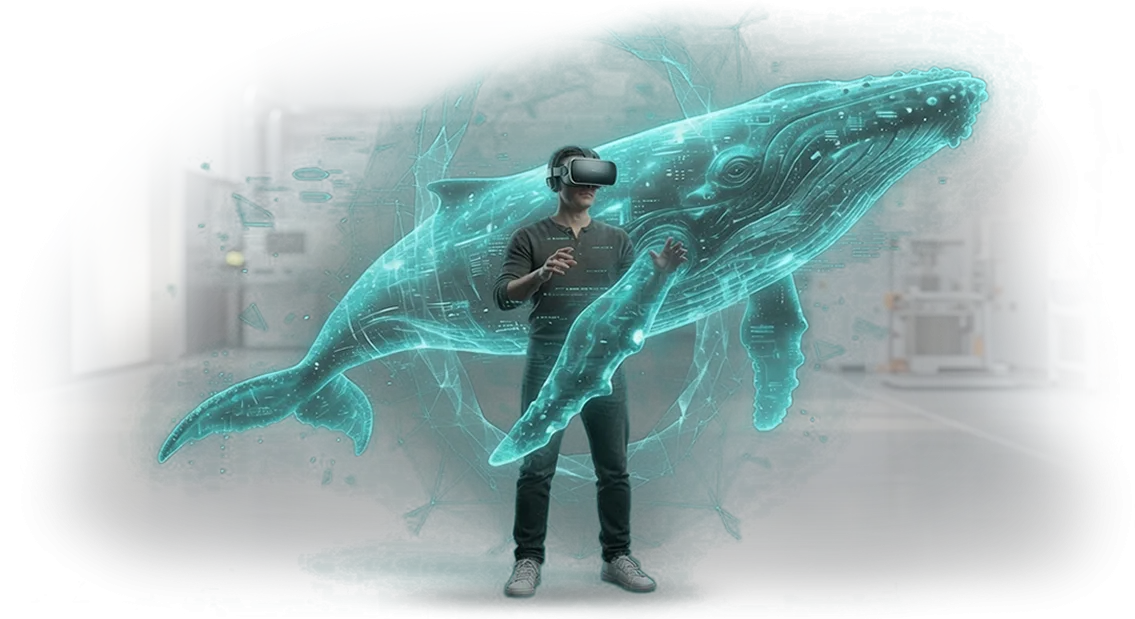
Pico for business is an opportunity to immerse clients in your product right at an exhibition, in a showroom, or at a meeting.
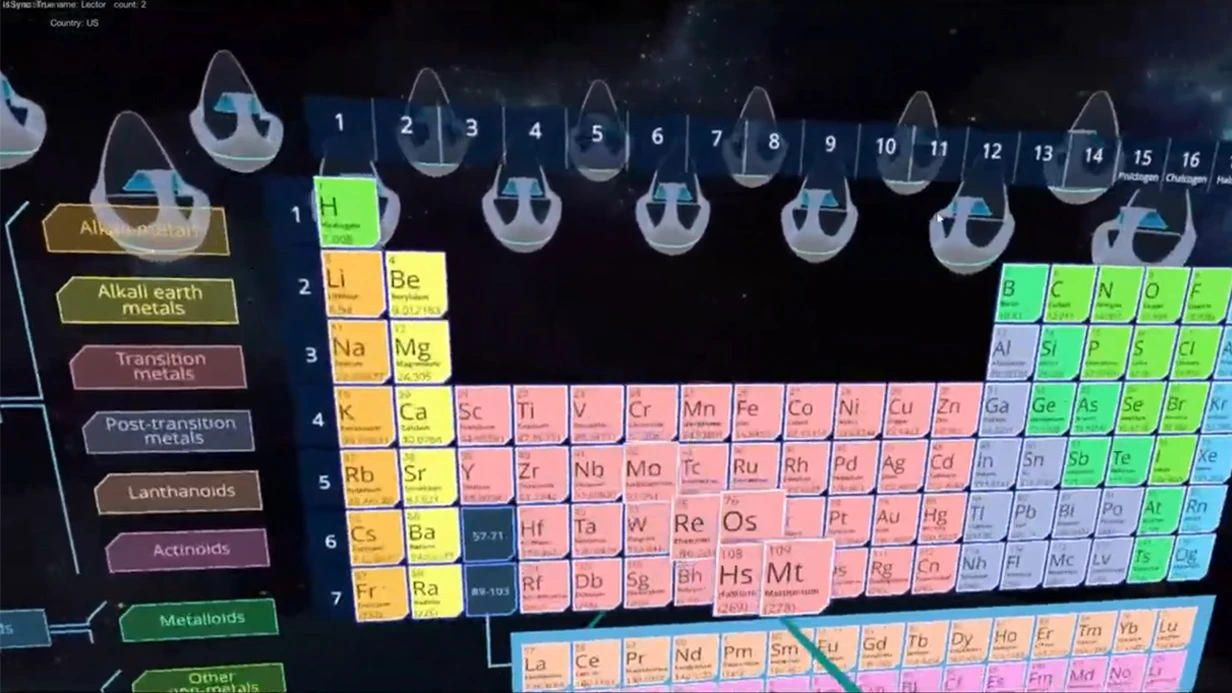
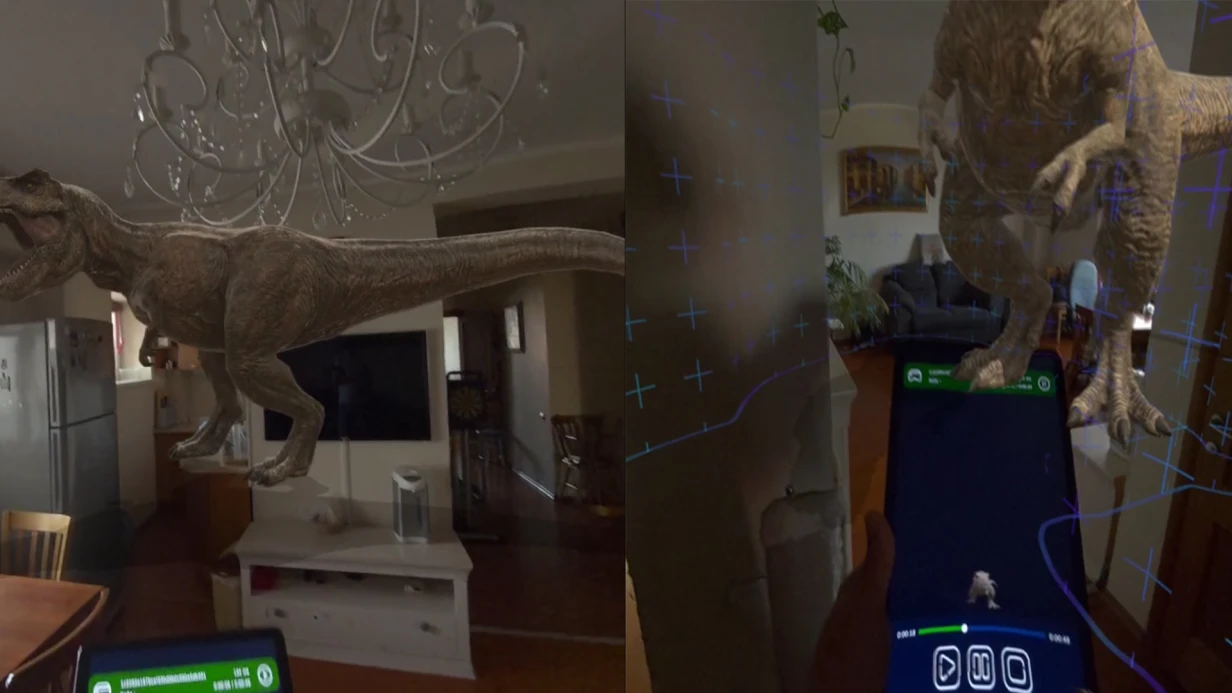
VR on Pico lets you show not just a picture but a space in which a person interacts with the object themselves — changes colors, starts a mechanism, looks inside. This format is memorable and turns “looking” into “ordering.”
We adapt VR solutions to your tasks: from a virtual tour of a facility to an interactive demonstration of equipment. The client doesn’t read a description; they see the benefits for themselves — this removes objections and speeds up the purchase decision.
Even a complex product becomes clear in a couple of minutes, and your sales team gets a ready-made demonstration scenario that works without long explanations.
The result is more engaged leads, longer audience attention, and greater brand awareness. While competitors talk about themselves in words, you show your product in action. That is why VR on Pico is becoming a tool that brings clients back and keeps them from leaving.
What Implementing VR Solutions Gives a Business
VR solutions have long moved beyond the gaming industry — now they are a working tool that brings measurable value to business.
The technology allows you to create a controlled environment where a client or employee gets an experience that cannot be reproduced through a screen or paper instructions. The result is higher engagement, faster training, and a shorter path to purchase.
Client and Staff Engagement
Virtual reality holds attention several times longer than a video or presentation. A person doesn’t just watch — they are inside the scenario, interact with objects, and remember details. This works both for exhibition visitors and for employees who need to master a complex process.
The emotional trace of a VR experience lasts for days. A client will tell colleagues about it, share it on social media — the brand gains extra reach without advertising costs.
That is why the benefits of VR for business are measured not in “wow effect” but in specific audience behavior.
Savings on Training
Staff training is one of the most expensive cost items: you need equipment, materials, instructor time, and new-hire mistakes are a risk. With a VR simulator, an employee runs through the scenario repeatedly until the skill becomes automatic.
Consumables are not used up, equipment doesn’t break, and the instructor is only busy reviewing results.
VR pays off quickly — usually after the first training cohorts. The company saves on facility rental, logistics, and defects, while the employee gets a safe environment to practice actions even in dangerous situations.
Accelerating Sales
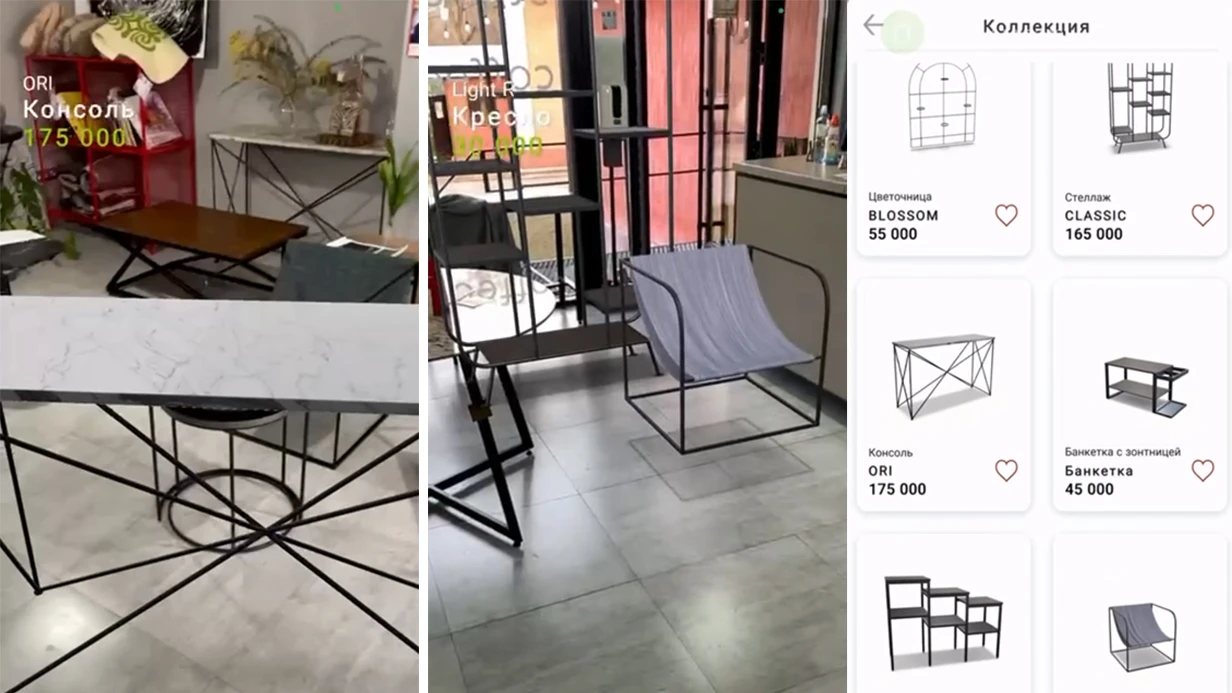
A virtual presentation lets you show a product at real size, demonstrate how it works, and give the client a chance to “touch” the future solution. This is especially valuable when the product has not yet been manufactured, is in another country, or is too large for an office.
The salesperson doesn’t describe the benefits in words — they let the client experience them personally.
Deals close faster because objections are removed before the negotiation stage. The client has already seen the product working and makes the decision more confidently.
We work on professional equipment from Pico — it provides a stable image and reliable operation in long scenarios, so you get predictable results on every launch.
Our projects pay off by reducing training time and increasing sales conversion — this is confirmed both by client reviews and by post-launch analytics. If you want to evaluate the effect on your own scenario — we’ll start with a short demonstration on your data.
VR Application Formats for Your Tasks
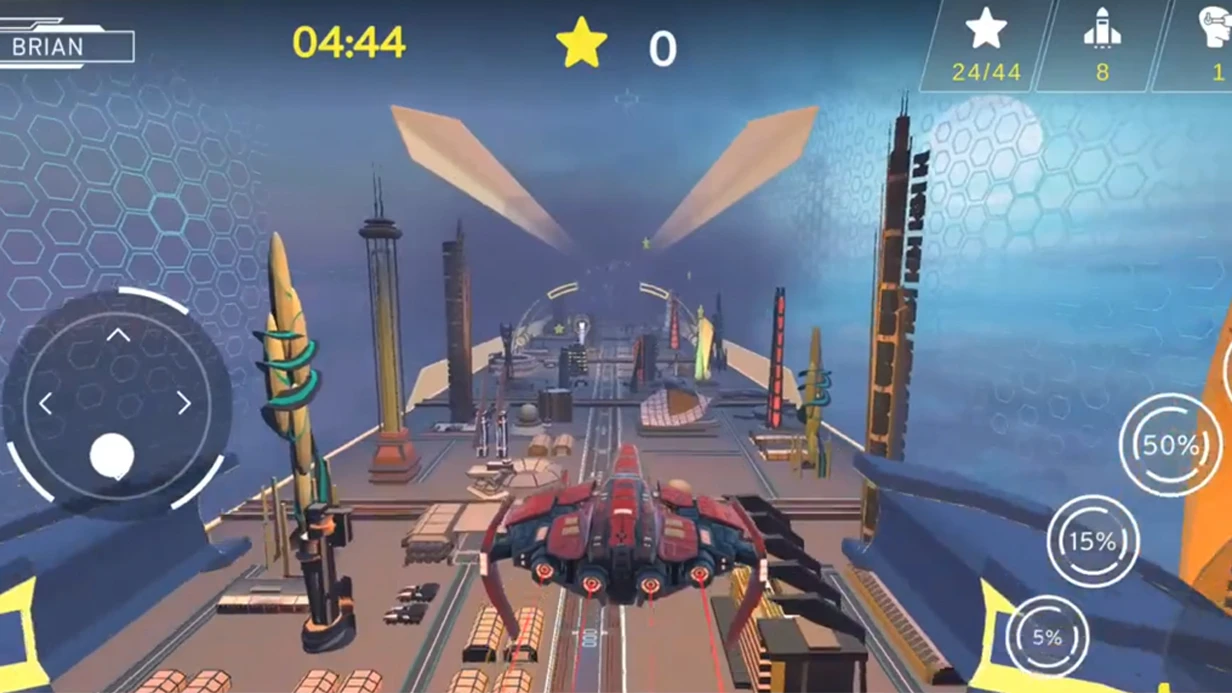
The same scenario can be implemented in different ways: a short demo at an exhibition, a skills training simulator, or a game to attract attention. We choose the format according to your business task — so VR works for results, not just as a tech toy.
The table below shows the typical formats we implement on Pico headsets and other professional equipment. Choose the row that resembles your situation — this makes it easier to understand what you’ll get.
| Format | For whom | What it gives the client |
|---|---|---|
| Interactive simulators | For staff training | Practice actions without risk to people or equipment; an employee is ready for real work after 2–3 sessions. |
| Production process simulators | For industrial enterprises | Shorter onboarding time, fewer errors and emergency shutdowns. |
| Virtual showrooms | For retail and sales | The buyer examines the product in detail and “walks” around the hall — higher conversion and average order value. |
| VR zones for booths | For exhibitions and events | Visitor traffic to the booth, attention retention for 5–7 minutes, thousands of photos and social media posts. |
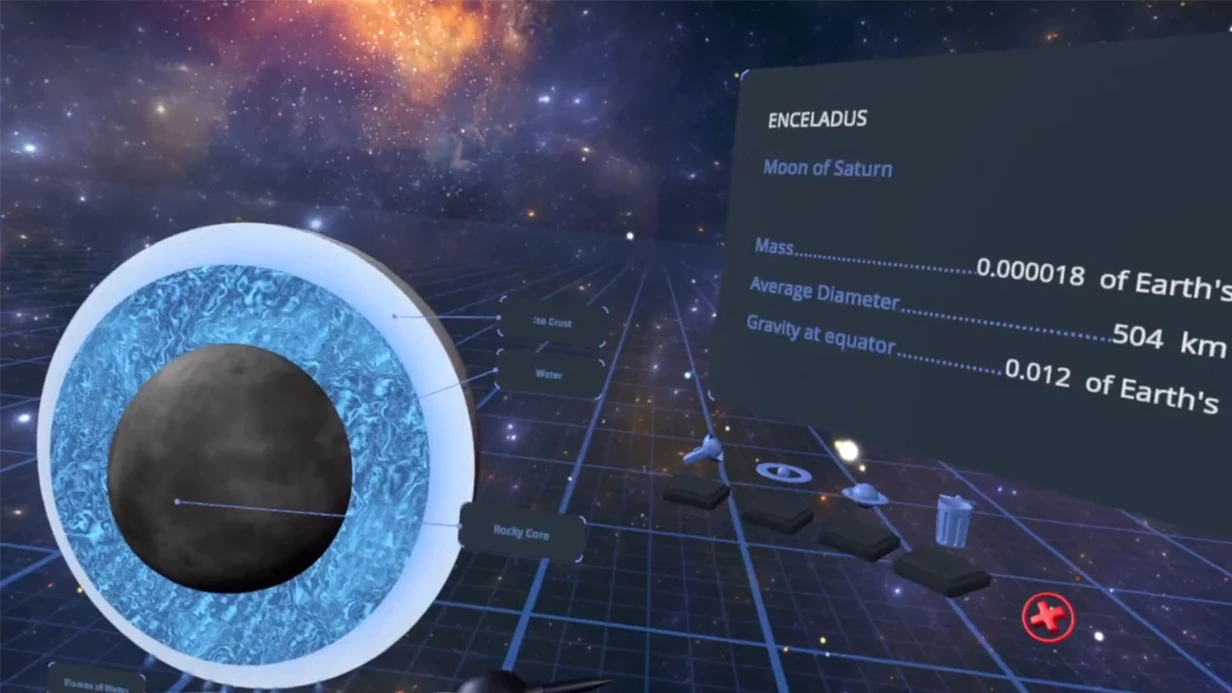
| Educational scenarios | For schools, colleges, and universities | Visual immersion in the subject — material is remembered 3–4 times faster than from a textbook. |
| Occupational safety scenarios | For manufacturing and construction | Safe practice of hazardous situations without stopping work and meeting training requirements. |
How We Develop a VR Project: Stages
Developing a VR project is not a “black box” but a managed process where you see results and make decisions at every step.
We’ve structured the stages so you understand what is happening, when the first results appear, and where you can intervene — without surprises or wasted budget.
-
Brief and immersion in the task. We study your audience, business goals, and event scenario. Here we agree on success criteria: for example, increased time at the booth, the number of products tested, or company reach on social media.
-
Concept and scenario development. We propose a VR usage scenario — from a simple product introduction to a training simulator. You get a description of what the user will see, how long it will take, and how it solves your task.
-
Prototype and approval. We build a working prototype on professional equipment so you can evaluate the logic and usability of the scenario with your own eyes. At this stage, it’s easiest to make changes — they don’t affect the timeline or cost.
-
Development and testing. We finalize the project and test it on different devices and in conditions close to reality. You get a stable version that won’t let guests down on launch day.
-
Launch and team training. We bring the equipment, set up the site, and train your staff to greet guests, assist with VR, and handle objections. Our team stays nearby at launch until everything runs smoothly.
-
Support and development. After the event, we help collect statistics: how many people tried VR, session length, and feedback. If needed, we update content or prepare a new version of the project for the next event.
What Is Included in a VR Solution Delivery
We know: a client wants not a “shelf-ware” development but a working solution that delivers value immediately. That is why every VR solution delivery is turnkey: you get not a separate application but a ready tool, fully packaged for operation.
You won’t have to look for other contractors, dig into technical details, or guess about missing elements — everything you need is already included.
- A VR application for your task — tailored to a specific scenario: employee training, product presentation, virtual tour. We adapt it to selected devices, including Pico, for user convenience.
- An interface everyone can understand — guests and employees launch the scenario on the first try: minimal actions, clear prompts inside the virtual environment.
- Training for your team — we conduct a briefing so you can independently manage sessions, change content, and launch new scenarios.
- Instructions and regulations — we provide clear documentation for operators and administrators. You aren’t dependent on one specialist: any employee can understand the process.
- Technical support and maintenance — we stay in touch after launch: we consult, help update scenarios, and resolve issues as they arise.
- Updates and content adaptation — if tasks change, we supplement the solution with new elements and adjust logic or visuals to your new needs.
- Guarantee of stable operation — we regularly maintain hardware and software so your project runs without failures when it matters.
Each delivery item covers a specific need: from start-up to daily operation. You get a transparent process, a predictable result, and a working tool that’s convenient to use.
Case Study: How VR Increased Sales in Retail
For an electronics retail chain, the main task was to keep visitors at the display for more than two minutes — exactly as long as it takes to get interested in a product. Ordinary stands with promoters didn’t work: attention drifted, and purchase conversion stayed low.
Results of VR Implementation
We developed an interactive VR presentation on Pico where shoppers could “try on” the equipment, examine it in detail, and compare models without a salesperson’s help.
The first-month result: average time at the booth grew from one and a half to five minutes, and purchase conversion rose by 30%. During a two-hour promo day, guests launched VR more than 120 times, and one in ten placed an order immediately after the session.
“Customers themselves line up for the booth. Managers manage to consult more people, and those who have gone through VR come to buy with a clear understanding of the model,” says the head of the client’s retail division.
The chain ordered a repeat rollout at all major stores within a quarter. The VR solution paid off not only through higher conversion but also through reducing the time a salesperson spends per transaction — now they focus on final questions instead of explaining specifications.
Common Client Concerns About VR Projects
Before launching a VR project, clients have the same questions: will deadlines slip, will guests handle the equipment, and will the format really pay off. That’s normal — any new tool requires confidence. We address common concerns based on experience from dozens of business implementations.
How long does VR project development take?
A standard project takes two to six weeks depending on the scenario and number of locations. We specify deadlines in the contract and show the stage plan in advance: brief, concept approval, assembly, testing, launch. At every step, you see an intermediate result, so there won’t be surprises by the event date.
Will VR be too complicated for guests and employees?
We put on the headset and help with setup — after that, everything is intuitive. Immersion takes less than a minute, and an attendant is nearby to guide. We design scenarios so even someone without experience feels confident from the first touch. That’s why VR suits both business events and the general public.
How quickly does the project pay off and what does it give a business?
VR provides what ordinary screens cannot: full immersion and a strong emotion. A guest remembers your booth, talks about it, and shares photos on social media — the reach continues to work after the event.
In practice, these formats multiply the time spent at the booth and increase the share of repeat inquiries. We calculate specific metrics during the brief stage for your task.
What if equipment fails on the day of the event?
We bring a backup kit and are always available. Before launch, we do a full check, and a technical specialist is on site. In years of practice, we’ve never left a client without working VR: stability is part of our service, not an optional extra.
If you have your own question — ask us directly, we’ll advise whether VR fits your task and what result to expect.How to Choose a VR Format for a Specific Task?
The choice of a VR format depends not on fashion but on the business task you’re solving: engaging hundreds of visitors at an exhibition, training staff without stopping work, or showing a product that can’t be brought to the office. There is no universal “best” solution — there is one that’s effective for your situation.
Before you look at equipment, answer three questions: who will be the user (guests, employees, clients), how many people need to experience it simultaneously, and what should remain at the end — an emotion, a skill, or a purchase decision. The answers immediately narrow the options to two or three suitable formats.
| VR format | For which task | What it gives the client |
|---|---|---|
| Standalone headsets (e.g., Pico) | Events, exhibitions, showrooms | Guests move freely without wires, high throughput, easy launch |
| PC-connected systems | Demonstration of complex products, architecture, design | Maximum image detail — the client sees the product “live” before purchase |
| VR rooms and scanners | Staff training, skill practice | An employee trains in a safe environment; mistakes don’t cost the business |
| Mobile VR zones | Quick activations in malls, outdoors | Low entry threshold, coverage of casual audience in a short time |
After choosing a format, think about built-in analytics and implementation timelines. A properly selected solution pays off not “someday” but with a concrete result: increased purchase conversion, reduced training time, or the number of social media mentions.
We help you choose a format for your task and estimate the expected effect already at the brief stage. If you’re in doubt, start with a free consultation: we’ll review your situation and suggest 2–3 options with a forecast for reach and investment.
Let’s Discuss Your VR on Pico Project?
Let’s Discuss Your VR on Pico Project?
Virtual reality on Pico is no longer an experiment but a working tool for training employees, presenting products, and attracting clients.
But to get results, it’s important to work from day one with people who understand business objectives, not just know how to assemble a demo scene.
We’ve been delivering commercial VR projects for 10+ years, including for Pico headsets, and we know how to turn technology into measurable value.
Leave a request, and at the very first consultation we’ll discuss your task, suggest solution options, and show you the effect you’ll get from implementation.
What You Get After Contacting Us
- A clear plan: what we do, how long it will take, and what result you get at each stage.
- An honest assessment of your task: whether a VR format fits your scenario or whether there’s a more cost-effective solution.
- Equipment selection for your task: rental or purchase, how many headsets you need, and which model to choose.
- Budget and timeline calculation before work begins — without hidden fees or “surprises” along the way.
- A turnkey solution: from scenario and design to launch and training your employees.
- Technical support and warranty: we support the project after launch and help with updates and refinements.
Tell us about your task — we’ll propose a solution that pays off. To book a consultation, leave a request on the page or call us — we’ll respond within one business day.