

Why You Lose Clients Without WebVR
Modern users no longer browse static catalogs — they want to participate, not just observe.
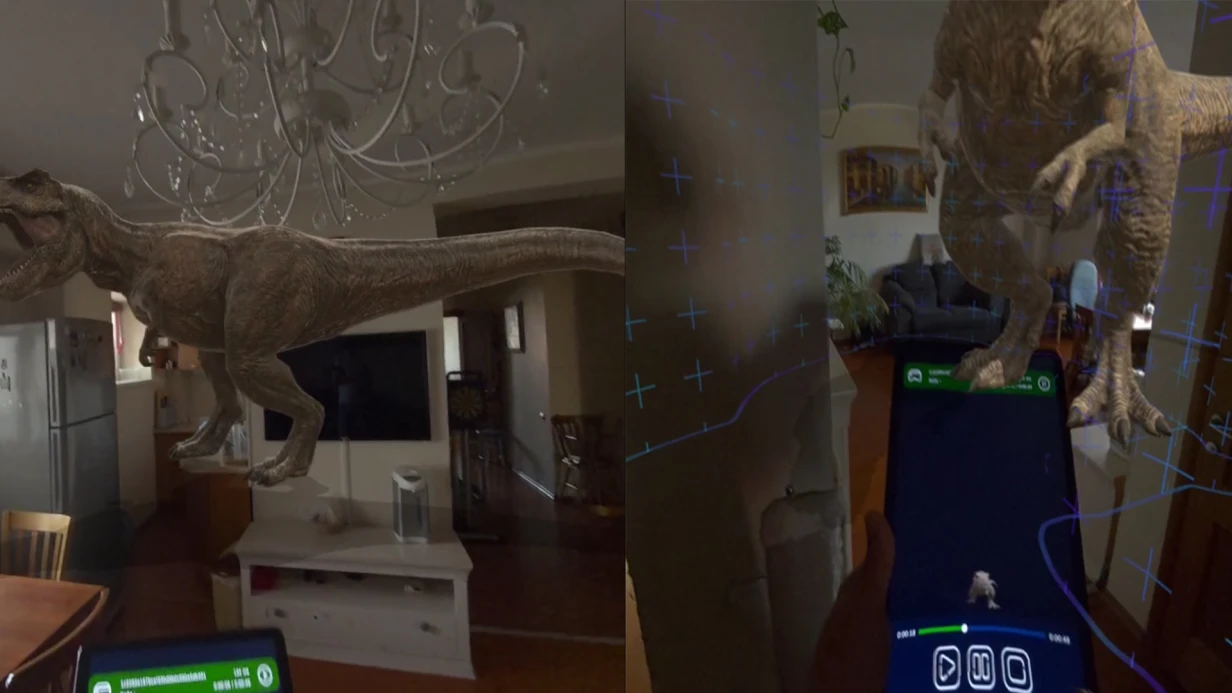
Interactive content has become the standard expectation: if your website offers flat images and your competitor's site lets visitors "step inside" the product and examine it from every angle, the choice is obvious even before a call to the sales manager.
The absence of WebVR quietly but systematically erodes your competitiveness. A potential client compares three or four companies in one evening, and the winner is not the cheapest one, but the one that managed to hold their attention for more than two minutes.
A digital presentation with a sense of presence creates that "wow" moment that sticks in memory and builds trust before the first meeting ever happens.
Without it, you lose at the research stage — and winning such a visitor back costs many times more than keeping them from the start.
Interactivity also directly drives repeat visits. People return to a resource where they can interact with a product at their own pace: change angles, launch scenarios, examine details.
This behavior strengthens brand recognition and turns a one-time encounter into a long-term relationship.
And since WebVR works right in the browser, with no app installs and no extra steps, the barrier to first contact is minimal — this solves the retention problem at the earliest stage.
We close this gap: we design immersive web solutions that integrate into your existing website or presentation. You get interactive content that keeps clients engaged and works for you every day — not just during an advertising campaign.
Your competitors are already thinking about it. The only question is who will make the first move and capture your shared audience's attention.
What You Get from Interactive Content
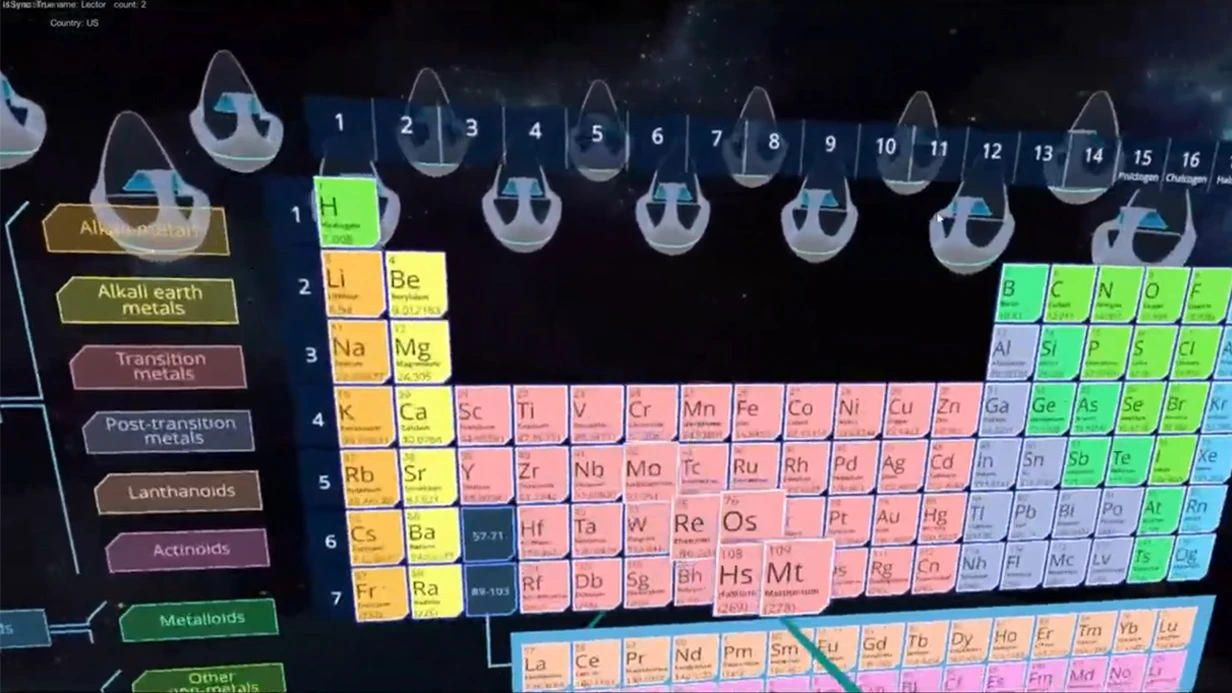
WebVR-based interactive content is not just a flashy element — it is a working marketing and sales tool. It holds audience attention many times longer than static graphics or video, and it does not require users to install anything: everything opens in the browser.
We have been creating such solutions for over 10 years across various industries and know exactly which business tasks they solve.
The main benefits a client gains:
-
Increased engagement. An immersive scenario pulls the user into the process: they examine the product, study details, and interact with objects. Engagement is measured not by views but by real active time — up to several minutes per session.
-
Broad audience reach. WebVR works in any modern browser: users don't need to download an app or buy a headset. This means website visitors, event guests, and social media followers can all join the experience — with no barriers to entry.
-
Brand recognition. The interactive format is memorable and makes people want to share the experience. Users talk about your product on their own — and each such contact keeps working for your brand long after the campaign ends.
-
Leads. It is easy to embed request forms, demo bookings, or promo codes inside the experience. Thanks to a seamless scenario, a visitor moves from interest to leaving their contact details right in a single window.
-
Conversion. When a customer has spun a product model around themselves or "walked through" a virtual location, the purchase decision comes more easily. Such formats shorten the deal cycle and increase the share of requests that turn into paid orders.
The bottom line: interactive content is an investment in the metrics marketing is responsible for. Order development tailored to your task — and get a measurable result within the first month after launch.
WebVR Formats for Your Business Goals
WebVR solutions work right in the visitor's browser — with no app installs and no special equipment.
This means the customer journey from link to impression takes just a few seconds, and you get a tool that is easy to embed in a landing page, email campaign, or QR code at an event.
Below are the formats that solve business tasks most often. Choose the one that matches your goal, or combine several: we'll start with one and add the rest as your project grows.
| Format | For whom | What it gives the client |
|---|---|---|
| Virtual tour | Hotels, real estate agencies, museums, campuses | A potential guest "walks around" the property before visiting and makes a decision faster |
| Property presentation | Developers, architects, commercial real estate sellers | A clear view of floor plans and window views without a construction site — the client sees the future right now |
| Interactive catalog | Manufacturers, distributors, retail | The buyer examines the product from all sides and studies details without a sales assistant |
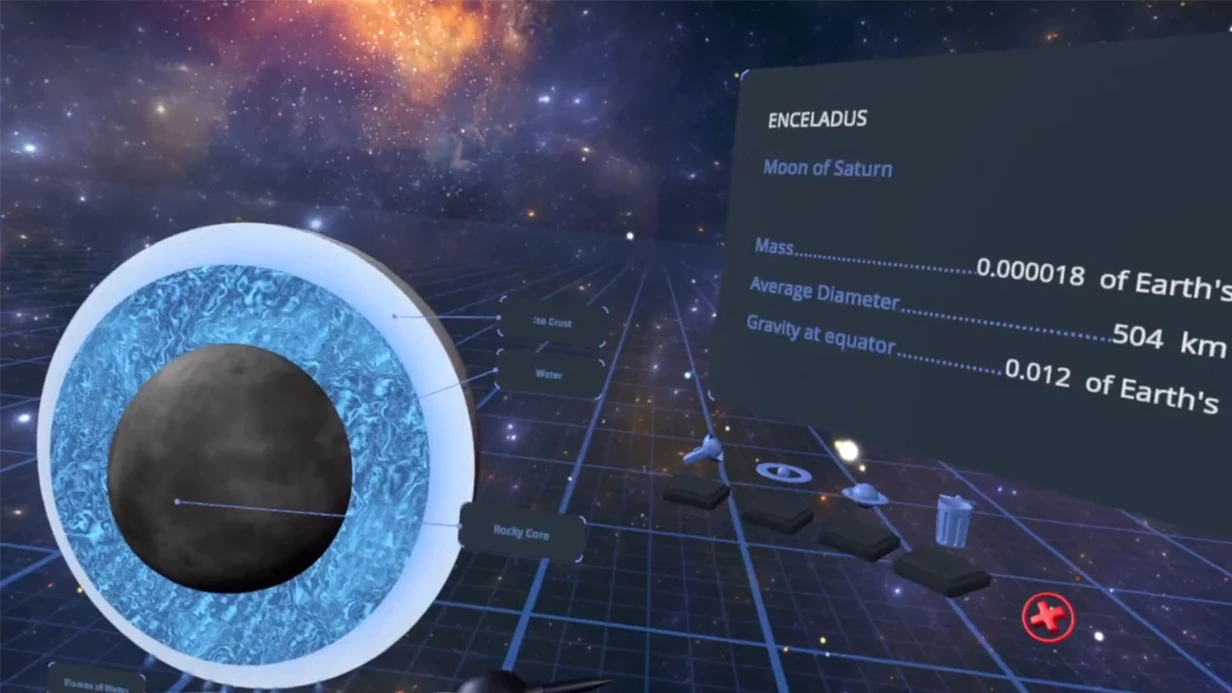
| Training module | Manufacturing companies, training centers | An employee masters processes in a safe environment before working with real equipment |
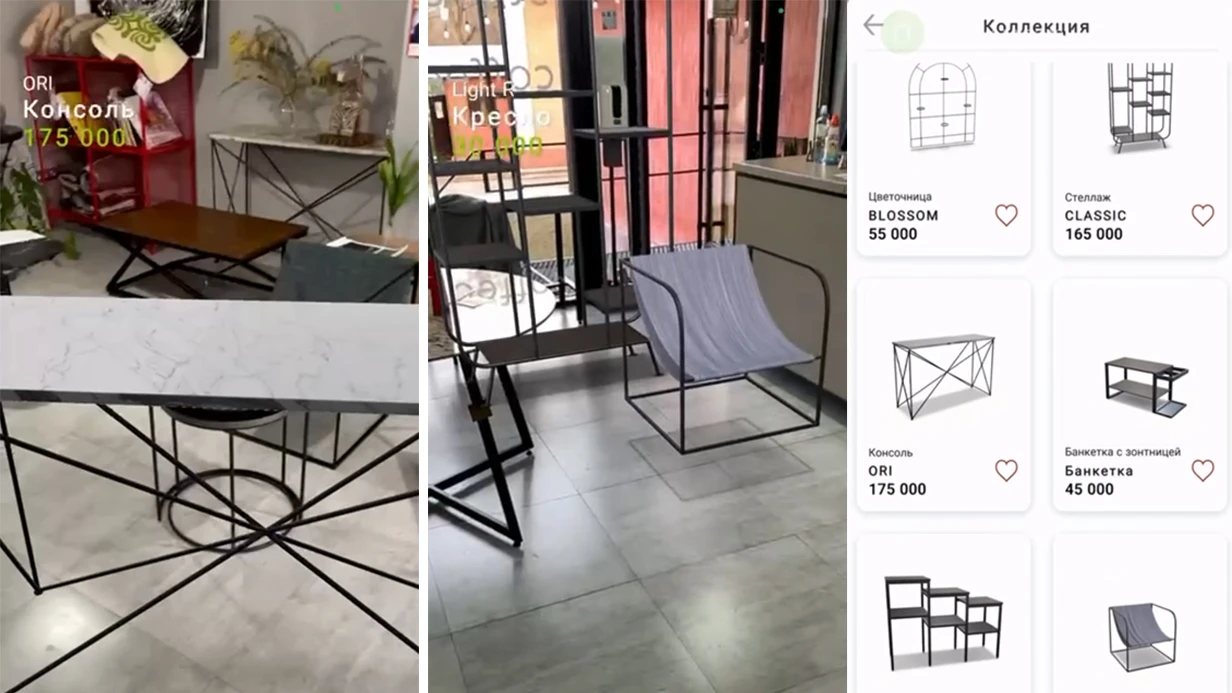
| Virtual showroom | Furniture salons, car dealerships, fashion brands | The visitor "tries on" the product in their own space or chooses the configuration themselves |
Such flexibility lets you solve several tasks at once: expand reach through a link, cut costs on renting demonstration space, and speed up deals. You are not tied to a specific device either — the solution works equally well on smartphones, tablets, and virtual reality headsets.
We will select the right format for your audience, integrate it into your current communication channels, and show measurable results — in the form of interaction time, number of inquiries, and repeat visits.
How a Project Works: From Brief to Launch
Every project is a transparent process in which you understand what is happening and what you are paying for.
The development stages are known in advance: we have completed dozens of implementations and removed the surprises — you always know where the project stands and when you will get the result.
- Brief. You fill out a short questionnaire or have a call with us. We break down your goals, audience, and what you want to achieve: sales, recognition, visitor engagement.
- Plan and estimate. We propose a concept, scope of work, and timeline. You see the cost before the start — with no hidden charges. We agree on details and fix the terms.
- Prototype and scenarios. We show how users will interact with the solution: key screens, logic, experience. You make edits before the main development begins — this saves time and budget.
- Development. Our team implements the project. We show intermediate versions, you track progress and adjust direction.
- Testing. We verify everything on real devices and in your environment. We fix any issues so the launch goes smoothly.
- Launch. We deploy the solution, configure the equipment, and train your staff. You receive a ready-to-use tool delivered turnkey.
- Support. We stay in touch after launch: updates, refinements, quick issue resolution. If new tasks arise — there is no need to look for another team.
This is what a project looks like without surprises: from the first brief to stable daily operation. You stay in control of the process, and we handle all the technical details.
What's Included in Delivery: The Complete Package
Every project is not just a "folder with files" but a working tool you can use right away. We hand over everything you need so you never depend on the developer at the most critical moment: the scene works, your staff know what to do, and you have full control.
The delivery package includes:
- A ready WebVR scene. You get an interactive virtual tour or presentation built to your scenario. The scene opens in the browser — visitors don't need to download or install anything.
- Setup for your equipment. We deploy the project on your server or computers ourselves and verify compatibility with your existing headsets and tablets. You get a turnkey solution that works on your hardware.
- Staff training. We give your team a short briefing: how to launch the scene, switch modes, and guide visitors. One session is usually enough — after that, your employees work independently.
- Project source files. All source files stay with you. At any time, you can hand them to a third-party team for further development or change the scene content in-house — with no obligations to us.
- Documentation and instructions. A launch guide, an equipment check-list before an event, and a list of actions for unexpected situations.
- Technical support. During your event or the first month of operation, we stay in touch: if something goes wrong, we help remotely or come on site.
In short, you are buying not just development but confidence — the scene will not let you down at the crucial moment. And having the source files and trained staff makes the project fully yours.
A Real Case: Growth in Engagement and Sales
How We Helped a Developer Bring a Catalog of Apartments to Life
The residential developer "Novye Gorizonty" faced a problem: regular photos and floor plans did not let buyers feel the space. People booked viewings, but often backed out after the visit — the apartment seemed smaller than in the pictures. A lot of time was spent on in-person showings, while conversion to inquiries stayed low.
We proposed a WebVR tour of several apartments. A buyer opens a link from a smartphone or computer and walks through the rooms in real time, changing angles and judging the scale. No apps needed — everything opens in the browser, and even someone with no experience can use it.
Launch Results
In the very first month, the WebVR tour was viewed more than 1,200 times — 4 times more than regular photos in the catalog. Time on site grew 2.5 times: people were studying apartments, not just scrolling past images.
Inquiries to the sales department increased by a third, and some clients arrived at viewings already having chosen an apartment — salespeople no longer needed to spend an hour on a tour, just confirm the details.
The tour was also used in ad campaigns and in managers' messengers — this shortened the deal cycle by a week on average.
The client was satisfied and continued the partnership: we are now preparing VR tours for new buildings and plan to add interactive elements — choosing finishes and furniture layouts directly in the virtual space.
This case shows: WebVR solves not a technical but a business problem — it helps sell faster and with lower costs for showings. If you want the same effect for your property, we are ready to create a demo with your data in just a few days.
How to Choose the Right Format for Your Task?
There is no single "best WebVR format" — the right choice is always determined by your business task and industry.
For a company selling real estate, virtual 3D tours are effective: the client "walks through" the property before even calling a manager, and the number of real viewings grows significantly.
For a training center or a factory — interactive simulators where an employee practices a skill without risking equipment.
And if the goal is to draw attention to a new product and collect contacts, short immersive scenes that viewers launch right from their smartphones work best.
The key advantage of WebVR is that users don't need to download or install anything — just open a link in the browser. This removes the main barrier for your clients and visitors, which means higher real reach and a greater percentage of people who complete the scenario.
At the same time, effectiveness is measured not by special effects but by achieved metrics: growth in inquiries, repeat visits, and the time a person spent in your virtual space.
To pick the right format for your task, first answer three questions: who is your audience, what should they feel after the interaction, and what action do you want them to take — an inquiry, a purchase, a course sign-up, or a visit to your office.
Depending on the answers, we will propose either a WebVR tour, a training scenario, or an interactive presentation. The point is not the technology itself, but its ability to solve your business problem.
We handle the diagnostics and format selection: send us a description of your task, and we will prepare a prototype in a few days and show exactly how the scenario works on your audience.
This way you get not an abstract "virtual thing" but a working tool with clear performance metrics. The result — a format that strengthens your marketing and sales without unnecessary infrastructure costs.
Frequently Asked Questions and Client Concerns
Every client has doubts before launch: will the format suit their customers, will they need constant rework, and what happens if something breaks. These questions are natural — but with WebVR, most fears disappear after the brief.
The service works in the browser: a visitor only needs to open a link from their phone, tablet, or laptop. No complicated installs and no requirements for high-end hardware — your audience reach is not limited to owners of expensive headsets. We test the project on different devices in advance so the experience is stable for every guest.
What devices does it work with?
The project opens in the browser on most modern smartphones, tablets, and computers. A headset or glasses are not required: even without them, users see a fully immersive 3D effect, and if they have the devices — the project uses their capabilities.
Importantly, your clients are not lost at the door due to a "download the app" requirement.
Is it hard to update content?
Updates are fast and don't require your technical team. You can change texts, images, promotions, or add a new scenario — often right on the day of the event. We handle the update ourselves, and if needed, we'll set up a simple, understandable panel for your staff.
What guarantees do you provide?
Before launch, we run tests on different devices, and on the day of the event we stay available online. Within the warranty period, we fix any issues free of charge. All obligations are fixed in the contract — you understand what you are paying for and what you will receive.
How much does it cost?
The cost depends on the complexity of the scenario and the number of interactive zones. After a short brief, we give you an exact fixed amount with no hidden charges.
On a limited budget, you can start with simple formats — such as a 3D showroom or a virtual tour — and expand the functionality after the first results.
If you still have doubts — we'll send a working example and show how a similar project looks on your platform. Most launch decisions are made after the first demo, because the result is visible immediately.Discuss Your Task with a Developer
WebVR gives your clients access to your product without installing apps — this is convenient for both users and your business. But to bring the idea to life, you need a clear understanding of where to start and what results to expect. We make this journey transparent: from the first request to the finished project.
Leave a request — and we will propose an action plan based on your task. The workflow looks like this:
- Request. You leave your contact details and briefly describe the task you want to solve with WebVR.
- Consultation. A specialized developer contacts you within one business day, clarifies your goals, and explains how virtual reality can help your business.
- Project plan. We prepare the technical specification, work plan, and estimate — clear and free of technical jargon.
- Agreement. You make edits, we approve the final timeline and terms — and fix the agreements.
- Development. We build the WebVR application and show intermediate results so you can track progress.
- Launch. We hand over the project, train your team, and stay in touch for further refinements.
Thanks to this approach, the project starts quickly: the first consultation usually takes place within one or two business days after the request, and development begins right after the plan is approved. You don't waste time on lengthy approvals and always know which stage your WebVR project is at.
Discuss your task with a developer right now. Fill out the request — and we will prepare a solution that brings real value to your business.