

Metaverses for Business: Solving Remote Work Challenges
Remote employees and clients are tired of endless conference calls and flat webinars. Attention scatters within minutes, decisions get delayed, and partners are looking at more modern companies. Business loses deals and trust — this is a direct threat to revenue and reputation.
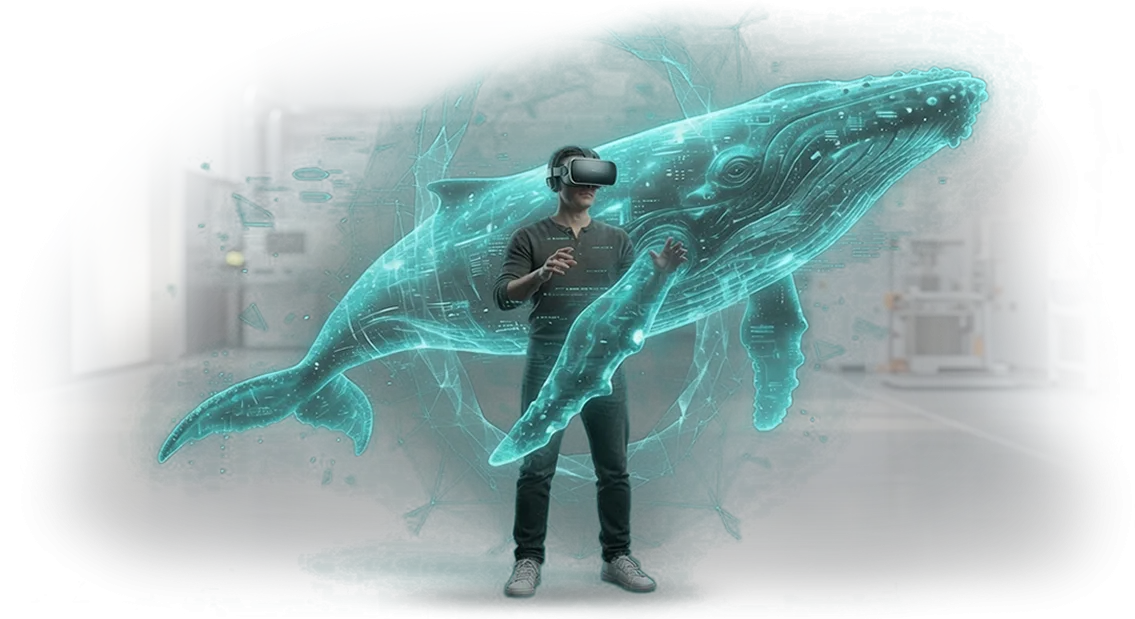
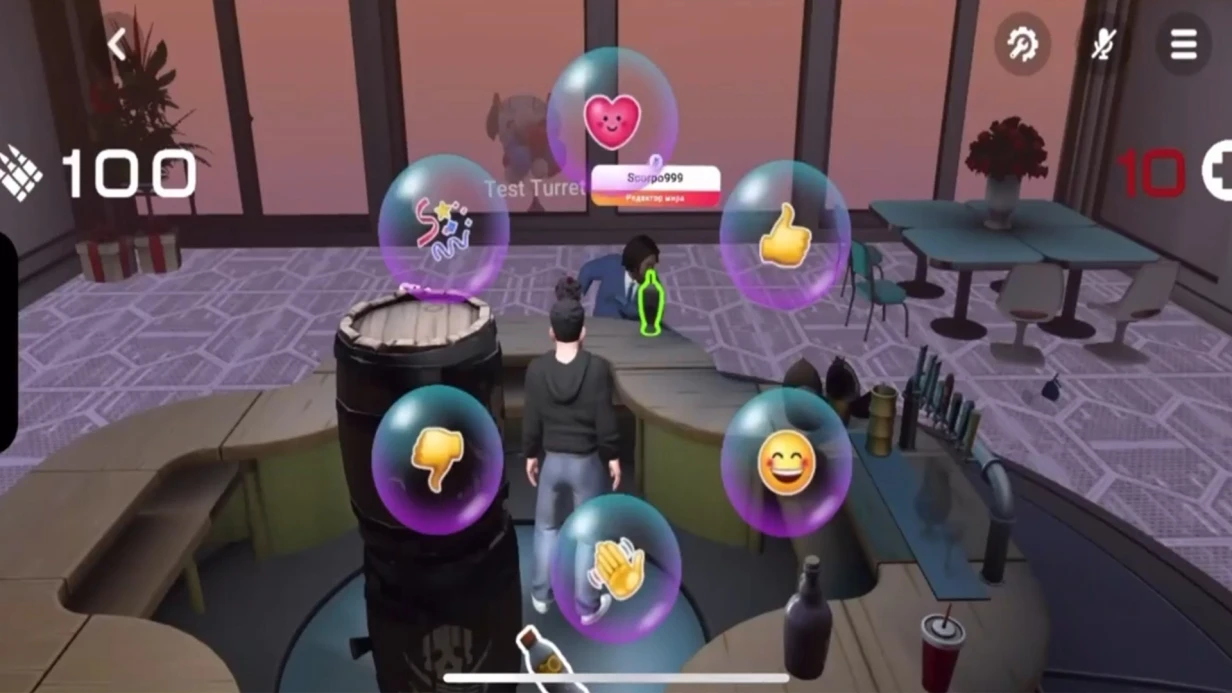
Metaverses solve this problem by restoring the sense of presence. Instead of a small camera window — a full-fledged space where participants move, communicate, and approach virtual objects.
This immersion holds attention and generates the live reaction that is impossible to achieve in a video conference.
Virtual meetings and corporate metaverses turn routine into an event: you can present a product, walk through an exhibition stand together, or explore a 3D model of an office or shopping mall.
Online events can gather hundreds and thousands of guests from different countries without venue rental and logistics.
For a company, this is measurable value: higher employee engagement, fewer rescheduled meetings, wider client geography. Guests remember such an experience, share it on social media, and return for repeat orders. The metaverse stops being a fantasy and becomes a tool that impacts profit.
We'll help you move part of your work into this format: design the space, set up scenarios, and launch the event so the results are visible in the numbers. Contact us to discuss your task — we'll offer a solution that pays off.
What a Company Gains from Its Own Virtual Space
The metaverse is no longer a gaming attraction but a full-fledged digital environment where companies solve real business problems.
Owning a virtual space allows you to take your place in this environment, stand out from competitors, and offer clients a fundamentally new experience.
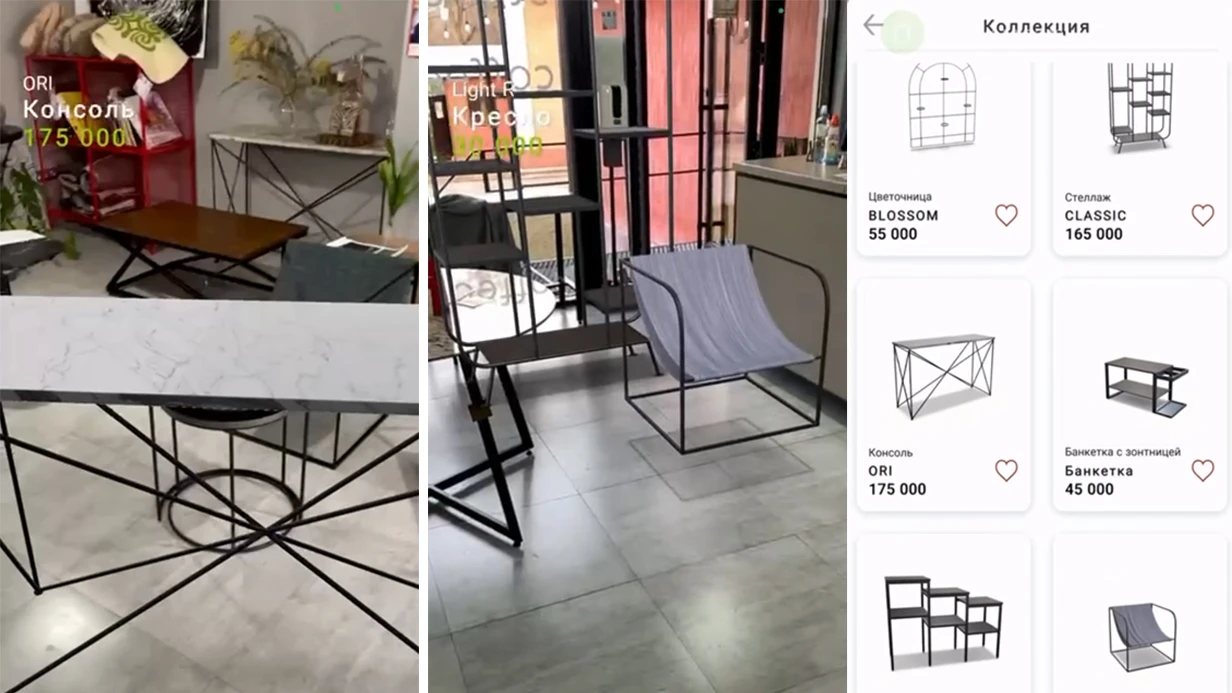
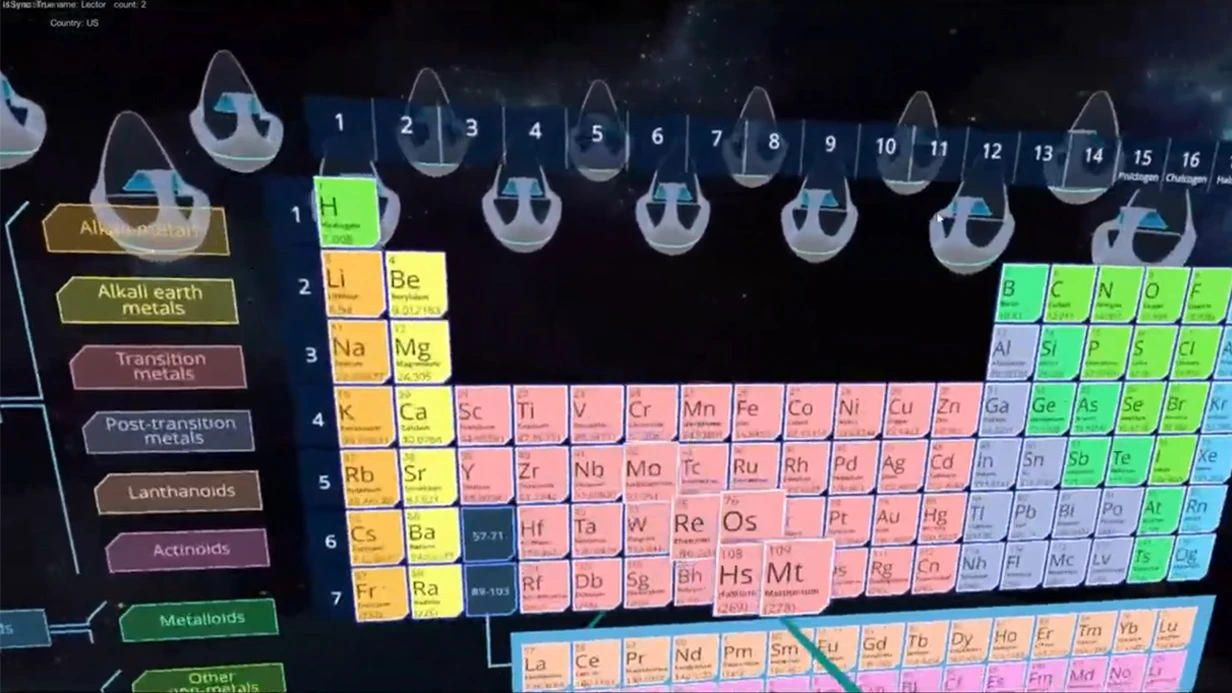
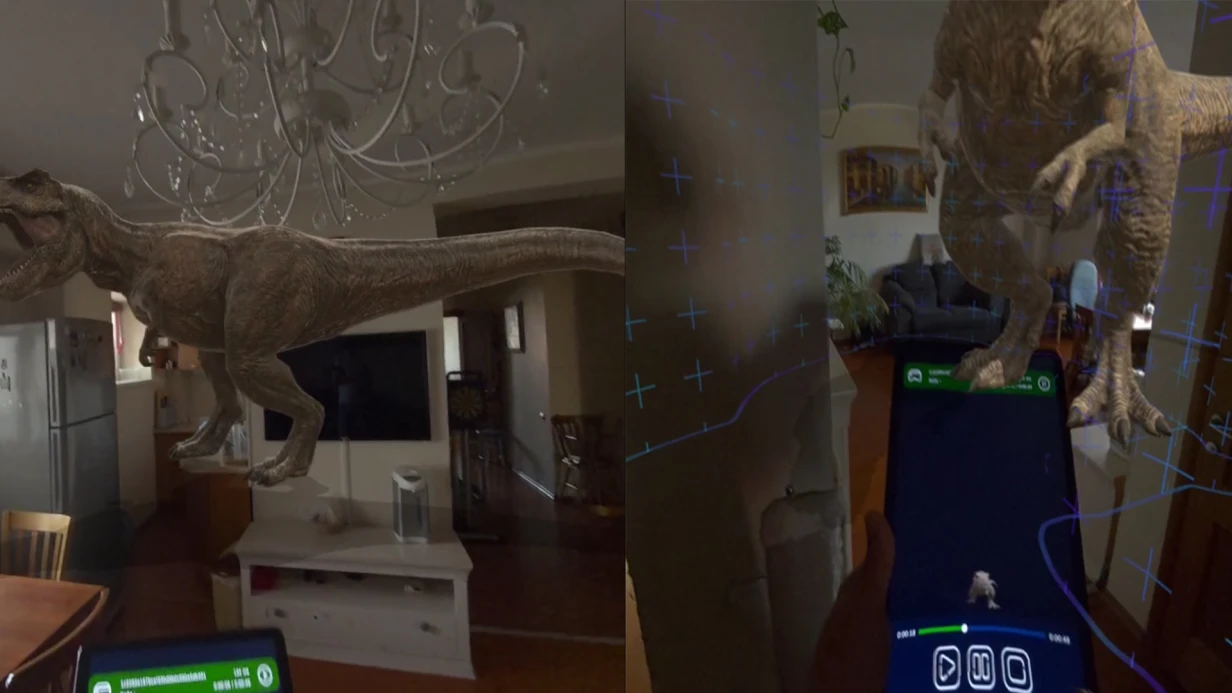
The main value is product presentation. Instead of flat images and videos, you give the buyer the opportunity to examine the product in detail, from all sides, at full scale.
Such a presentation is available at any time from anywhere in the world; it requires no showroom rental, business trips, or sample logistics. Demonstration costs go down while visibility goes up — this directly affects sales.
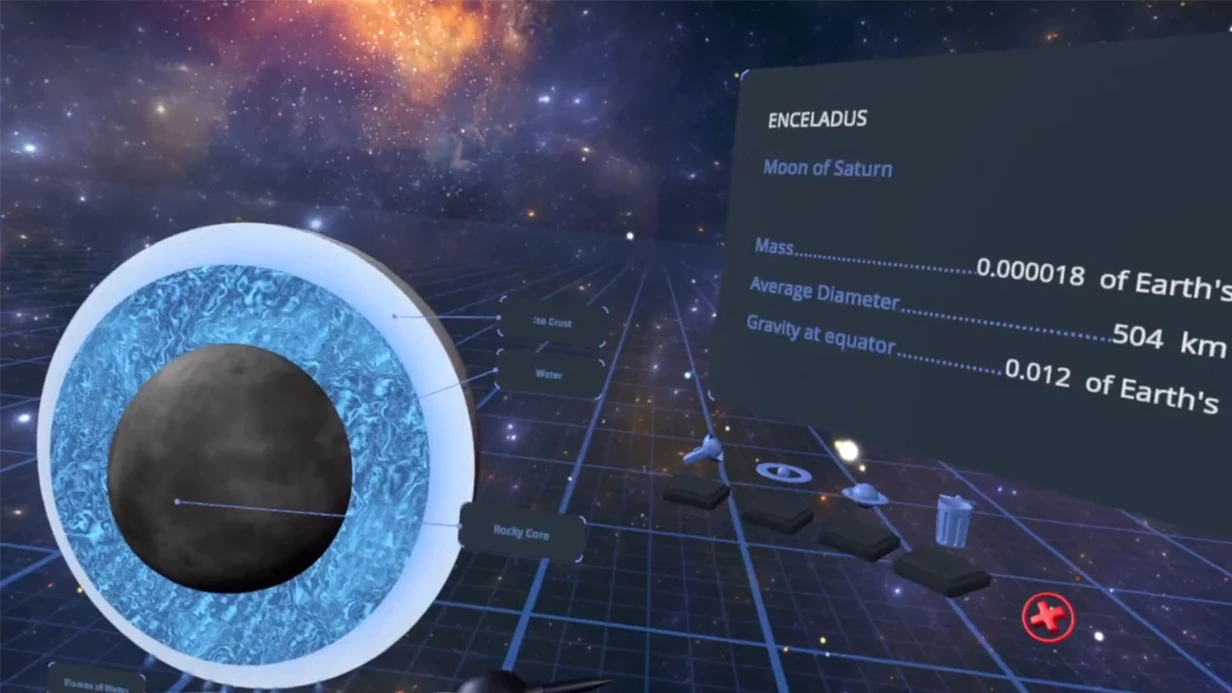
The second important area is employee onboarding. A new person immerses themselves in a virtual copy of the office, gets to know the team and business processes in an interactive mode. They understand how the company works faster and work more confidently from the first days. Meanwhile, key scenarios can be practiced in a safe environment without risking client experience.
A dedicated space strengthens the employer brand. A company that invests in a metaverse is perceived as a modern and stable employer. This helps attract talented specialists and strengthens the loyalty of the current team.
And finally, staff engagement. Training programs, team-building sessions, and corporate events in a virtual environment are remembered more vividly than ordinary presentations and meetings.
Employees feel a sense of involvement in innovation, and the interactive format of material absorption significantly increases learning effectiveness. As a result, both productivity and the desire to remain part of the team grow.
Metaverse Formats for Different Business Tasks
The metaverse format determines how the audience interacts with the brand: a short meeting is one thing, a large-scale event for thousands of guests is another. We select the format for your task so you get a measurable result: time savings, increased recognition, or new leads.
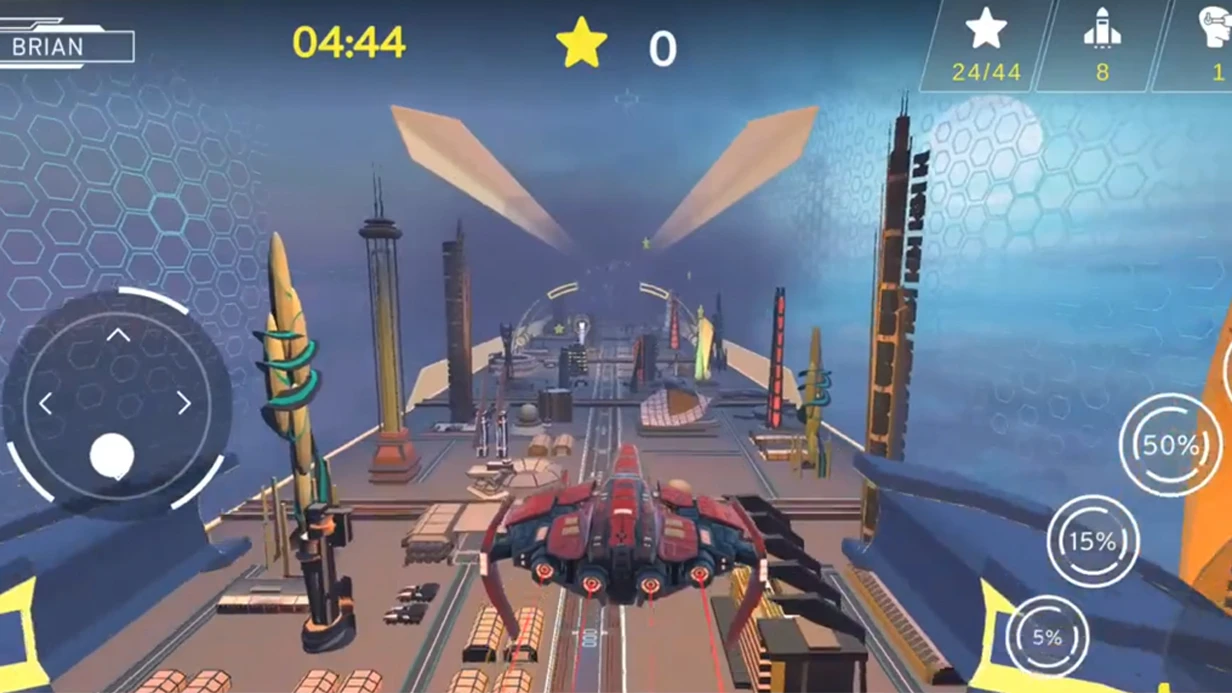
Typical scenarios include VR meetings, online conferences, metaverse presentations, and entertainment formats. Each has its own mechanics and its own benefits.
| Format | Who it's for | What it gives the client |
|---|---|---|
| VR meetings | Remote teams | The effect of personal presence without business trips, quick decisions |
| Online conferences | Companies with regular events | Reach from any city, analytics for each participant |
| Metaverse presentations | Sales and marketing departments | A spectacular product showcase that is remembered |
| Event format | Event organizers | Unique atmosphere, photo and video content for social media |
If the goal is a weekly meeting, a virtual meeting room is enough: it reduces travel costs and requires no special skills from employees.
For a product presentation, we create an impressive stage with interactive elements — guests explore the details themselves instead of listening to a monologue.
For a large event, a full-fledged metaverse with zones for speeches, networking, and exhibitions is suitable.
Such an online conference brings together participants who physically couldn't attend and provides data about their interests: how much time each guest spent, which booths they visited.
We'll analyze your task and propose a format that delivers the desired business effect. You'll get a complete turnkey solution: from scenario to launch and support.
Stages of Turnkey Virtual Space Development
When a client orders a virtual space for the first time, it's hard to understand what the process consists of and where delays might occur. We've structured the stages so that each one is transparent: you always see what's happening and what result you'll get.
How the Work Is Structured
-
Brief and task immersion. We study the business, audience, and event goals. We determine what matters most — reach, engagement, or sales — so the space works toward the result.
-
Concept approval. We show what the space looks like and what guests do: style, scenarios, interaction logic. Edits at this stage are made quickly and without unnecessary costs.
-
Prototype and implementation plan. We create a model that we test against real actions. We approve the mechanics before full development — eliminating rework at the final stage.
-
Space development. We fill the virtual environment with graphics, objects, and interactivity. We work on professional equipment — the result is stable on launch day.
-
Testing. We test the space on different devices and under real loads. We eliminate errors so guests experience no technical pauses and interest holds to the end.
-
Launch and support. We install equipment at the venue and train your team. After launch, we stay in touch — refinements are completed under the contract.
Each stage ends with approval — you control the progress and budget at every point. In the end, you get a working tool without surprises on launch day.
What's Included in the Corporate Virtual Space Delivery
You get not just a virtual location but a working tool that is immediately integrated into business processes. Everything needed for launch and daily use is already included in the price — you won't need to buy additional services or look for outside contractors.
The corporate virtual space delivery includes:
- Space design for your tasks — layout of halls, navigation, meeting and presentation zones developed with your business scenarios in mind.
- Integration with your systems — we connect employee accounts, CRM, product catalogs, and other internal tools so users work in a familiar environment without switching between windows.
- Team training — we conduct training for administrators and moderators and prepare instructions for employees and clients. After training, your team manages events independently without contacting developers for every issue.
- Project launch — we configure access, upload content, run a test event, and help with the first event so everything goes smoothly from day one.
- Ongoing technical support — we handle monitoring, backup, and rapid issue resolution. You work instead of dealing with infrastructure.
- Updates and improvements — we regularly enhance functionality, add new scenarios and interaction tools, so the space evolves along with your business.
Each item addresses a specific client pain point: no need to hire a separate specialist, track updates, or worry about stability during critical events. You get a predictable result and a team on call that is responsible for service reliability.
After project completion, you have a fully configured space, trained employees, and operating procedures. All that remains is to fill it with events and invite clients — all technical support is already arranged.
Case Study: Virtual Event Reaching 5,000 Participants
When a client from the event industry approached us with the task of hosting a large-scale virtual event, a tough question arose: how to gather and retain 5,000 participants online.
Regular video broadcasts don't provide the needed engagement: viewers drop off after 10 minutes, never reach the key speakers, and don't remember the brand.
We proposed a solution based on an immersive VR platform, where each guest becomes part of the event rather than just watching a broadcast.
Over two months, our team built a virtual space: halls for presentations, networking zones, and an interactive booth. The result exceeded expectations: 5,034 participants connected to the event, with 78% of them spending more than an hour in the space.
During the event, 120 sessions and over 900 business contacts were made through the built-in messenger. After the event, the client received full analytics: zone attendance, time spent on the platform, guest actions — this data formed the basis of the next event's plan.
Client feedback: «We hosted such a large-scale online event for the first time. Retention and engagement turned out to be higher than at an offline conference.
Guests are still sharing their impressions and asking for a repeat.» Within a month, we received a repeat order — for the next corporate event with an even larger audience.
This case shows that metaverses and virtual venues are not experiments but a working tool for reaching audiences and achieving measurable business results. We'll help you get the same numbers: we'll organize an event that won't lose a single participant.
Frequently Asked Questions About Virtual Space Development
Before ordering virtual space development, every client has the same questions: how much does it cost, when will it be ready, what equipment will be needed, and what guarantees do we provide. We answer directly — without technical jargon or hidden conditions.
How much does virtual space development cost?
The cost depends on the scenario and the number of scenes. After the brief, you receive a precise estimate broken down by stages: design, development, testing, support. No additional charges along the way — the final figure is fixed in the contract before work starts.
What are the project timelines?
A typical project takes from two weeks to two months. Timelines are specified in the contract and broken into stages with checkpoints so you can see progress. If you need it urgently for an event — we'll discuss priorities and find an option.
What equipment do users need?
Your guests won't need to configure anything. We provide professional VR headsets for rent or as part of the package. The user puts on the headset — the scenario is ready. If the audience has their own devices, we adapt the space for them.
What guarantees do you provide?
We work under a contract with a fixed estimate and timelines. More than 100 launched projects allow us to identify risks in advance. Technical support is on duty on the event day — any issues are resolved within two hours.
Shall We Discuss Your Project? Get a Consultation
We often see companies postponing metaverses because they don't understand where to start or how much it costs. While you're thinking, competitors are capturing the attention of an audience waiting for a new experience.
The first consultation removes these barriers: we speak the language of your tasks and show what results the immersive format delivers.
In a 20–30 minute call, you'll understand whether a metaverse fits your product, which scenarios will deliver quick results, and which require preparation. You'll also get a cost calculation you can rely on when planning your budget.
What you get by submitting a request:
- Consultation on your task — we analyze the target audience, scenario, and expected metrics. This is a conversation about business value, not technology.
- Cost estimate — we provide a budget range and timelines for your request, with no hidden fees or unnecessary options. Based on dozens of project experiences.
- Metaverse demonstration — we show a live example or prototype so you can assess the level of immersion and user experience.
- Pilot project — we offer a compact launch with a real audience. Test your hypothesis and get measurements without large investments.
- Implementation plan — we document the stages, timelines, and areas of responsibility so every step is transparent.
- Post-launch support — we help develop the metaverse: adding scenarios, locations, and mechanics for growing needs.
From there it's simple: submit a request, we contact you within a business day, and follow the plan — consultation, estimate, demonstration, pilot. No obligations: only useful information and options for your budget.
Submit your request now to take the first step toward a project that will set you apart in the market. Shall we discuss your project?
How to Choose a Virtual Space Format for Your Task?
Choosing a virtual space format starts not with technology but with answering the question: what business problem are you solving?
If you need to attract the maximum number of clients and show the product in action, a lightweight space that opens on any smartphone or laptop is enough.
If the goal is to train employees in complex operations or conduct an in-depth presentation for a small group, an immersive VR format with full immersion is required.
The next criterion is your audience. Think about which devices your users are on: the mass client more often comes from a phone, while the corporate client is ready to use a VR headset.
This determines how "heavy" the space can be, how much time a person is willing to spend inside, and what level of realism they need.
A professional team will select a format that doesn't scare users off with technical complexity but rather shortens the path to the desired action.
Budget plays a role too, but it shouldn't be considered the main constraint. What matters more is the return indicator: how many deals, repeat inquiries, and social media mentions the space will bring.
Sometimes a cheap and fast web format gives greater reach than an expensive VR installation, and sometimes VR is what saves the company money by replacing costly offline training and prototypes. We'll help you find the optimum between development cost and the effect for your business.
VR and AR technologies are not a goal but a tool that should work for your metrics.
An experienced contractor will offer several implementation options with different levels of immersion and explain what each gives the client: increased recognition, increased sales, reduced costs.
This is our specialty, so at the first stage we conduct a quick audit of your task and propose a format that solves it without overpayments or unnecessary complications.
The main thing is not to chase trendy terms but to choose a space that will definitely lead your client to the desired result. Once we understand the goal, audience, and budget, the format determines itself almost automatically. The rest is a matter of execution.