



Customers leave because choosing blinds and roller blinds feels unrealistic
A shopper chooses blinds from a catalog or from a small fabric sample — and cannot tell how they will look in their room. Does the color match the wallpaper, will the roller blind clash with the furniture, how will the light fall? None of this can be judged from an online picture.
The outcome is familiar to anyone who sells windows and lighting: the client hesitates, postpones the decision, and goes to a competitor who knows how to show the result.
Or they abandon the order entirely because they are afraid of making a mistake: blinds are not cheap, and no one wants to redo them.
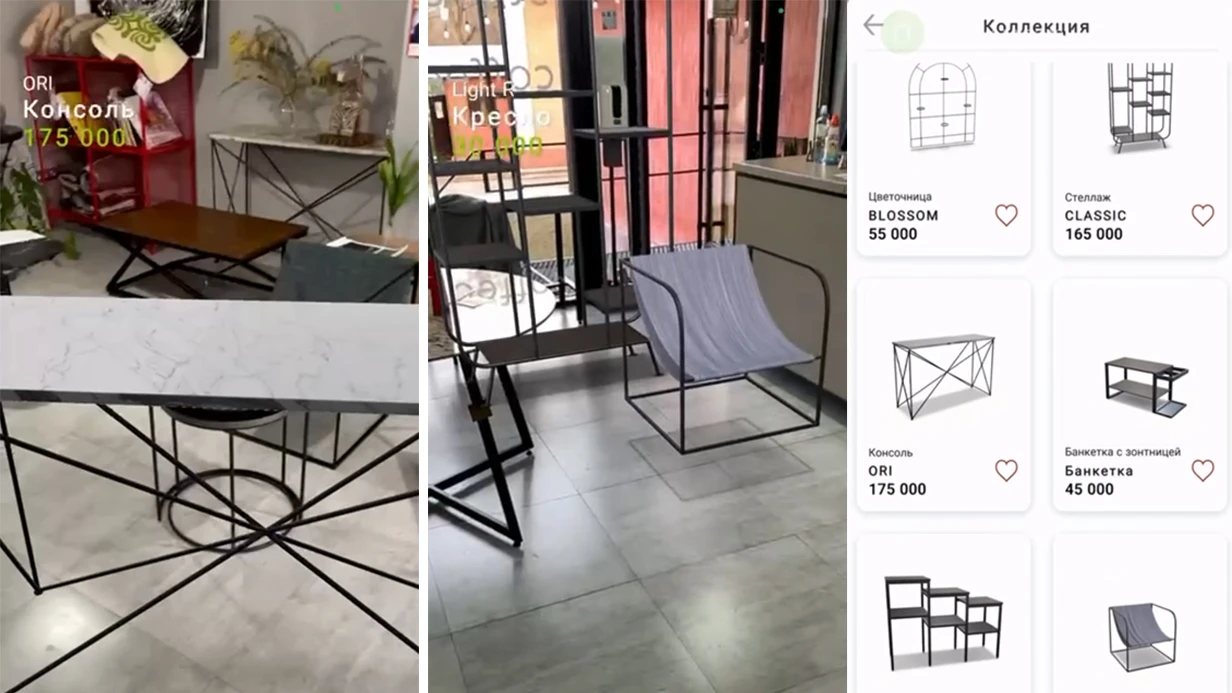
Interior visualization has long become the standard of expectation. People are used to seeing a new kitchen or sofa in their room through a smartphone screen — choosing blinds and roller blinds should work the same way. Shoppers need to see them in their actual space, not in a showroom.
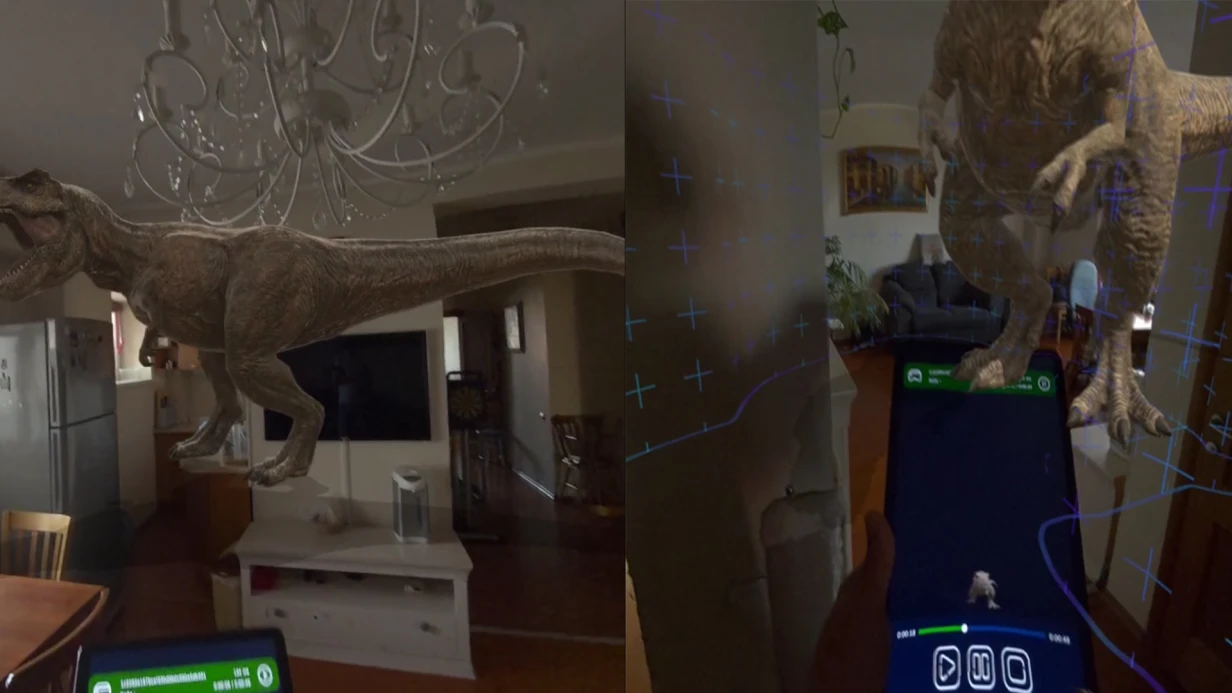
Augmented reality solves this problem. The client points the camera at a window and sees the selected blinds in their interior — taking into account lighting, wall color, and the depth of the room. This approach shortens the path from “just looking” to “I’m placing a blind order.”
We have already helped window and curtain sales companies handle objections exactly this way — through AR visualization. Below we explain how to integrate it into your website or sales app.
What 3D visualization gives your business
Anyone who sells blinds and roller blinds knows: buyers often cannot imagine how the product will look in their apartment. A catalog shows only a picture, and doubts remain.
3D visualization solves this problem: the client sees the future window treatment directly on their own window, trying out color, texture, and control type before ordering.
For business, this is primarily lead conversion. When a buyer has already “seen” the result and can move it around in space, they stop comparing dozens of options and make a decision faster.
Such leads more often reach the measuring and payment stage, and the conversation with the client shifts from abstract “catalogs” to a specific task for their interior.
The second benefit is fewer returns. The client approves the visualization before production, so color, size, and style errors are ruled out as early as the contract stage. That means fewer reworks, fewer negative reviews, and less loss on logistics and re-production.
Finally, brand recognition. Modern visualization and augmented reality set a company apart from its market neighbors. Clients remember an unusual service, tell friends about it, and return more readily themselves. A single launched tool works for you both as a sales application and as an element of reputation.
In the end, 3D visualization is not just a pretty picture, but a working tool that increases lead conversion, reduces returns, and strengthens your market position.
AR visualization formats for blind-related tasks
A buyer of blinds and roller blinds often hesitates: will the color, texture, and size fit their windows, furniture, and lighting?
Ordinary catalog photos do not convey the feeling of “like at my home.” AR visualization transfers the selected product into a real interior — through a smartphone or tablet screen, the person sees how the blinds will look in their room even before placing the order.
For your business, this means fewer returns and greater customer confidence. And to make sure the format exactly matches the task, we offer several AR visualization options — from a light try-on on the website to a full-fledged tool in the showroom.
| Format | For whom | What it gives the client |
|---|---|---|
| AR catalog in the app | Shoppers in the showroom and on the website | Instant try-on of blinds on their own window, selection from the full catalog |
| Web AR on the product page | Online store visitors | View the model in their room without installing apps — higher conversion |
| AR showcase in the showroom | Managers and consultants | Demonstration of fabrics and textures without physical samples, quick selection of an option with the client |
| QR code on a fabric sample | Clients taking samples home | Home try-on in real lighting, confidence before ordering |
Each format works with your catalog of blinds and roller blinds: colors, textures, and sizes in AR exactly match production parameters. We select the format for your tasks — from a simple web module to a full-fledged application for the showroom.
As a result, you get a tool that helps the client choose faster and with greater confidence, while you reduce returns and increase the number of orders.
How the project works: from brief to launch
We broke the development process into short stages with clear checkpoints. You always know where the project stands, what is already done, and what happens next. At every stage you make a decision, so surprises and rework are avoided at the final stage.
-
Brief and goals. We discuss where the visualization will be used: in the showroom, on the website, or in a catalog. We capture your audience, main scenarios, and success criteria — so we both understand what result we consider achieved.
-
Structure and prototype. We show how a visitor will choose blinds and roller blinds, change fabrics, color, and size. You approve the logic and screen layout before design starts — this eliminates expensive rework.
-
Design and samples. We create a realistic display of your fabrics and textures. We adjust lighting and surroundings so buyers see how the product looks in a real room, not in a flat picture.
-
Development. We build the augmented reality application. You receive intermediate versions and can test them on your devices — see how selection works and leave comments before the final build.
-
Approval and revisions. We run a final check on real devices — the tablets and smartphones used by your managers and clients. We make changes based on your feedback so there are no surprises at launch.
-
Launch. We publish the solution where you need it: install it on showroom tablets, publish it in app stores, or embed it on your website. We train your staff so salespeople start using the tool immediately.
-
Support and growth. We monitor stability, update the assortment, and add new features on request. After launch, you stay in touch with the team and can continue developing the solution.
What is included in the visualization application delivery package
We put the delivery package together so you get a working sales tool, not an “app for the sake of an app.” It covers the entire customer journey: from the first look at your product to the decision to order from you.
-
Ready-made AR application for smartphone. The buyer points the camera at a window and sees the selected blinds or roller blinds in their interior. This removes the main fear of “it won’t fit” and accelerates choice.
-
Product catalog inside the application. All your collections, colors, and fabrics are already loaded. Adding new items does not require a programmer — we hand over a simple update procedure to your team.
-
Integration with website and social media. A “View in AR” button appears on the product page: the client opens the app with one tap and can send the result to you. This way, the company receives an inquiry even before a showroom visit.
-
Customized to your brand. Logo, corporate colors, and design — the application looks like an extension of your company, not a third-party service. Recognition and trust grow together with reach.
-
Staff training for managers. A short hands-on session on demonstrating AR in the showroom and over video, plus ready-made response scripts. Your employees start using the tool from day one after launch.
-
Support, updates, and analytics. We support the product, update the application for new phone models, and show you which items are viewed most often. This data makes it easy to adjust your assortment and advertising.
In short, the delivery package is a complete working cycle: AR visualization, catalog setup, integration, training, and support. All that’s left for you is to start selling.
Case Study: How We Helped a Curtain Showroom Double Sales
A curtain showroom approached us with a pain typical for the market: clients take a long time choosing blinds and roller blinds but postpone the purchase at the last moment.
The reason is not price but uncertainty — it is hard to imagine how a fabric will look on a specific window, taking into account lighting and furniture. Consultants showed samples, catalogs, and photos of “similar interiors,” but that was not enough.
What we did
We developed an AR visualization that shows clients their own window with the selected blinds or roller blinds within a minute. No need to download or install anything: the consultant opens the app, points the camera at the window, and the catalog “fits” onto the opening.
The client flips through options, changes colors and textures right in the middle of the conversation, and saves the best combinations to “favorites.”
What the showroom got
The result appeared in the very first month. Consultations stopped ending with the phrase “we’ll think about it”: average selection time halved, and the share of orders placed during the meeting grew from 30% to 60%. After two months with the AR tool, the showroom doubled its sales of blinds and roller blinds.
The reach was also notable: customers began photographing options on their own window and sending them via messenger to spouses, a designer, or a family chat. This led to repeat visits — almost every fourth order came 2–3 days after the first consultation.
The showroom also got ready-made content for social media: clients willingly shared their “try-ons,” so the brand was mentioned without any involvement from managers.
The case shows the main point: to double sales for a curtain showroom, you don’t need to lower prices or expand the catalog.
It is enough to remove the barrier between “just a picture” and “a window in your own apartment.” When a client sees the result in a real interior, the purchase decision comes faster and with more confidence.
Answering common concerns of clients
Before ordering AR visualization for blinds, every client asks the same questions: how much does it cost, when will it be ready, who is responsible for the result, and whether additional investments will be required. We answer honestly — without technical details or fine print.
How long will it take to create the application?
We build a basic test version in 2–4 weeks after approval of the mockups, and a full product with the entire catalog in 1–2 months on average. All timelines are fixed in the contract, so you know when you will receive the result.
What does the price consist of?
The cost depends on the number of blind models, design options, and required functionality. At the brief stage, we prepare a detailed estimate without hidden payments or subscription fees after launch — you pay once and own the product.
What guarantees do you provide?
For three months after launch, we fix any errors for free. All source materials and documentation are handed over to you, so you are not dependent on us and can develop the product with any team.
What will be required from your clients?
They don’t need to buy or install anything. A smartphone or tablet is enough: the person points the camera at the room, selects a blind model, and immediately sees how it looks in the interior at full scale.
What if we want to change something after launch?
We stay in touch: we discuss any improvements separately and offer a fair estimate. Regular clients receive special terms, so your product can grow with your business.
These are the main points that concern clients. If you have any other questions, check the “Questions and answers” section or write to us — we will be happy to help.Make the first step toward a sales-generating catalog
You already know what a sales-generating catalog looks like: the buyer sees blinds and roller blinds on their own window before purchasing. There is one step left — submit a request, and then we will guide you from idea to a working sales tool.
Here is how the work goes:
- Request — we clarify the task and timeline.
- Approval and materials — we collect fabric samples and photos of your products.
- Implementation — we create the visualization and configure it for your website or product database.
- Testing and training — we test on different devices and show your staff.
- Launch and support — the catalog works, we add new fabrics and help with updates.
After implementation, you get not just a visualization, but a sales tool that works every day:
- Buyers see products on their own window before ordering and choose confidently.
- Fewer returns: clients understand how blinds look under their lighting.
- The catalog opens on any device — without installing apps.
- It can be embedded into a website, a manager’s presentation, or a code on a display.
- Buyers share these selections on social media — the brand gets free mentions.
Submit a request — we’ll show an example using your samples. If you feel it’s not for you, simply decline. If you like it, you’ll get a sales-generating catalog that brings in inquiries.
How to choose the right visualization format for your task?
Choosing a visualization format means deciding where exactly the buyer will meet your product: on the website, in the showroom, at an exhibition, or already at home.
Each point of contact solves its own task, so the right format depends on which stage you are closing: quick fabric selection, “trying on” on your own window, or consultant assistance at the moment of sale.
For remote sales, AR visualization through a smartphone camera works best: the client points the camera at their window and sees how the selected blinds or roller blinds look in their interior.
This removes the main fear of “it won’t match the wallpaper and furniture,” makes the decision more confident, and reduces returns. This format is convenient to embed in personal consultations, ad campaigns, and use in social media, where buyers share the “try-on” with friends.
If the audience is mass website visitors who need to quickly filter out unsuitable options, a web configurator is more effective. A person uploads a photo of their window, browses collections, and immediately sees the result on screen without downloading an app.
This lowers the entry barrier and increases catalog engagement, and the client gets a preliminary selection before contacting a manager.
For points of sale, exhibitions, and showrooms, a demo on a tablet or interactive panel fits well: the consultant and the client browse options together, change fabrics, and discuss preferences on the spot.
This turns the consultation into a visual dialogue, speeds up decision-making, and increases the average order value.
We help you choose the format for your task, show real examples, and implement it within a short timeframe — so that the result is measurable within the first few weeks.