

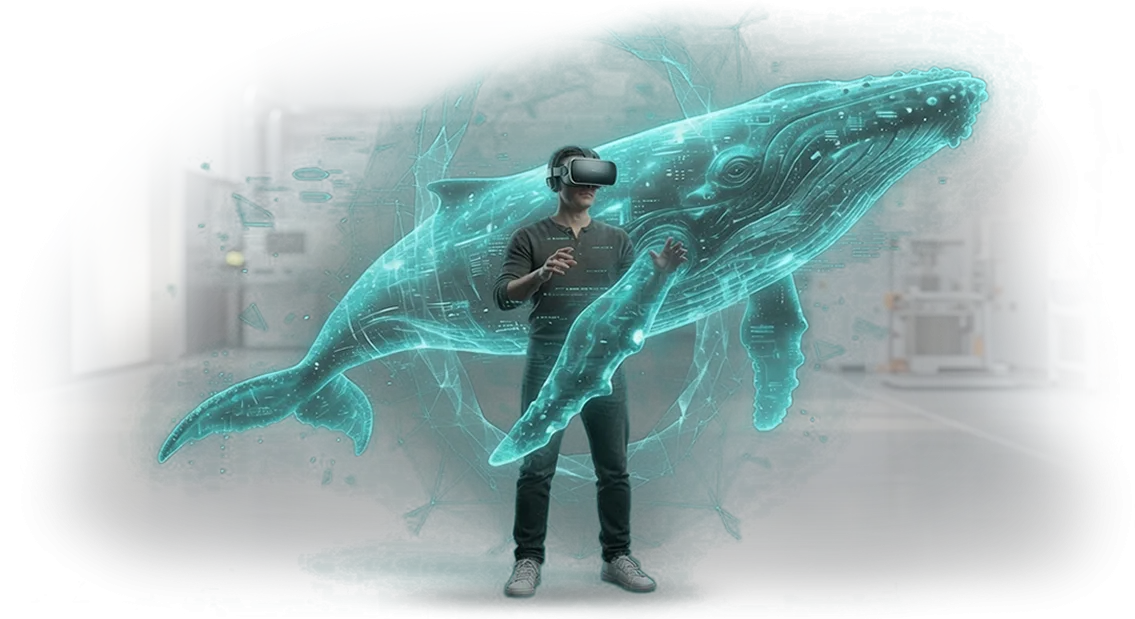
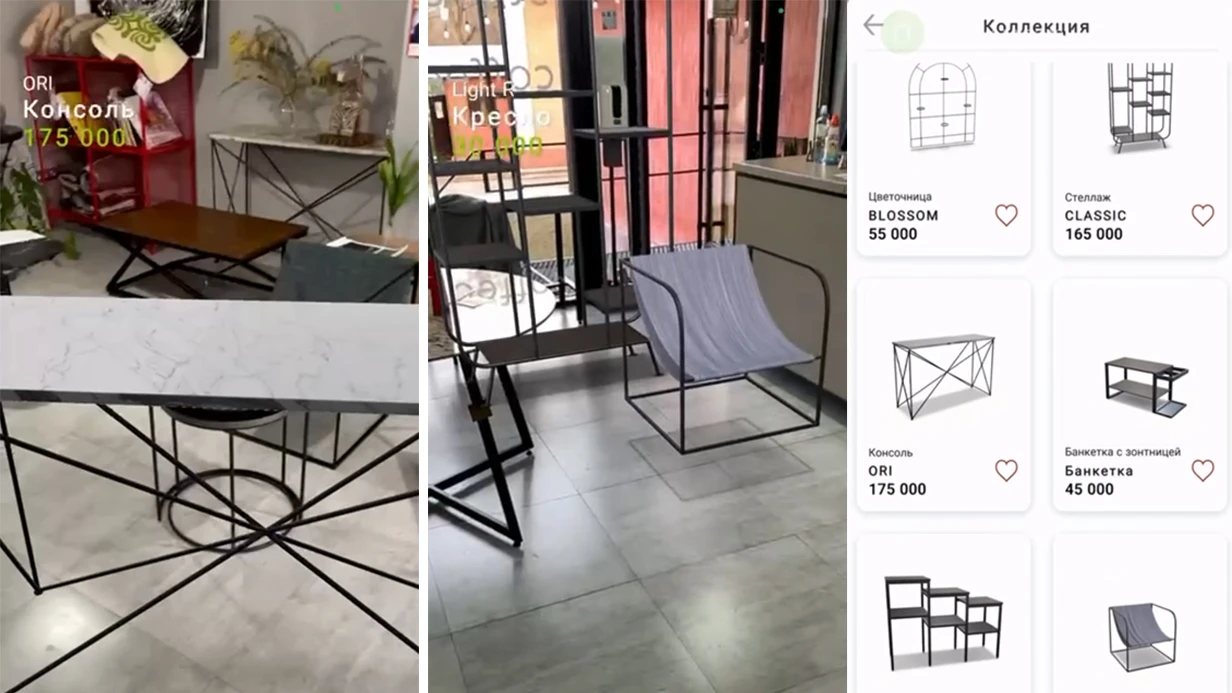
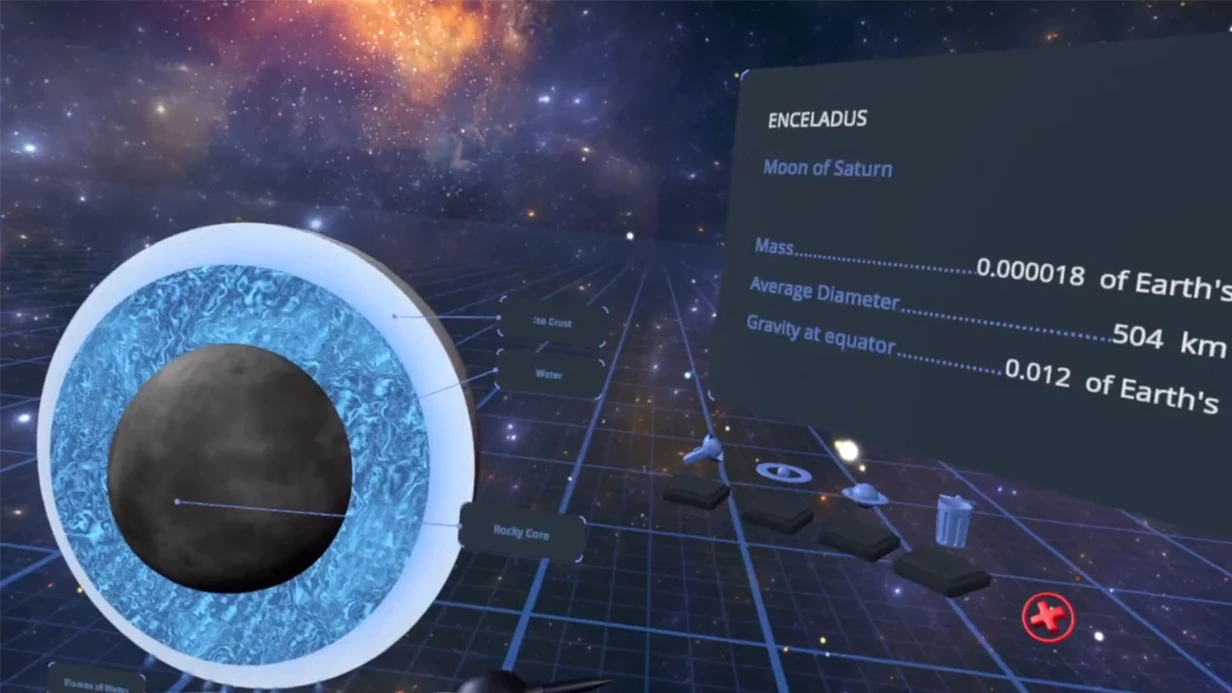
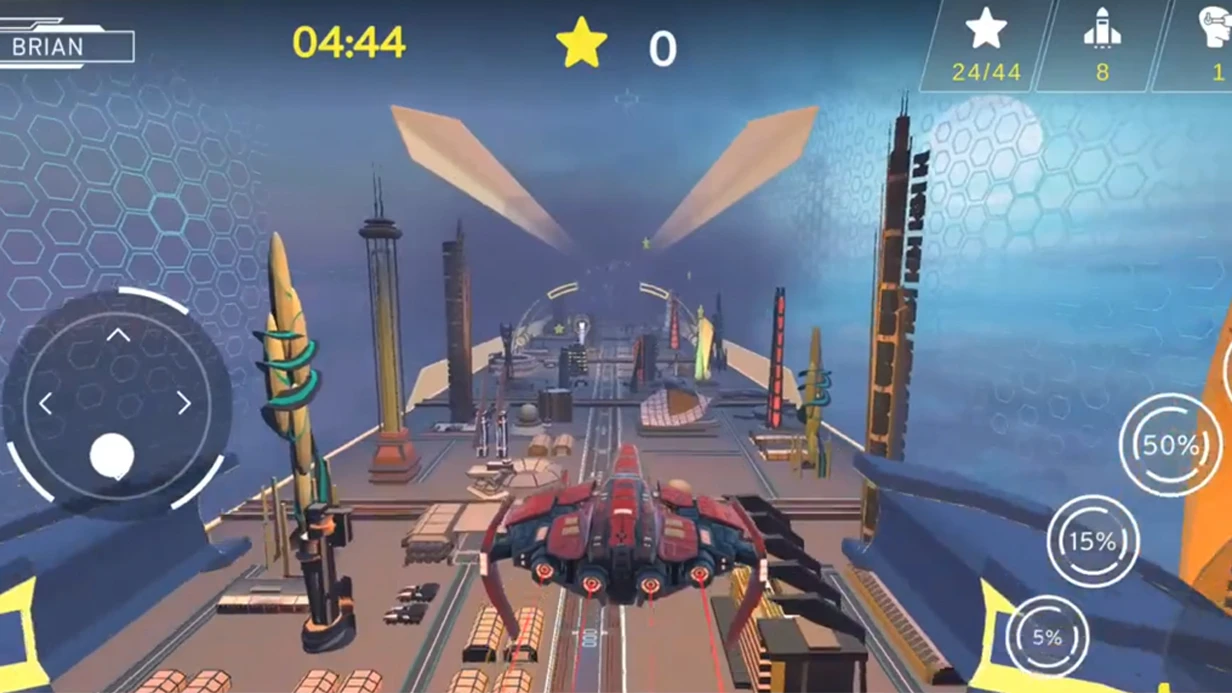
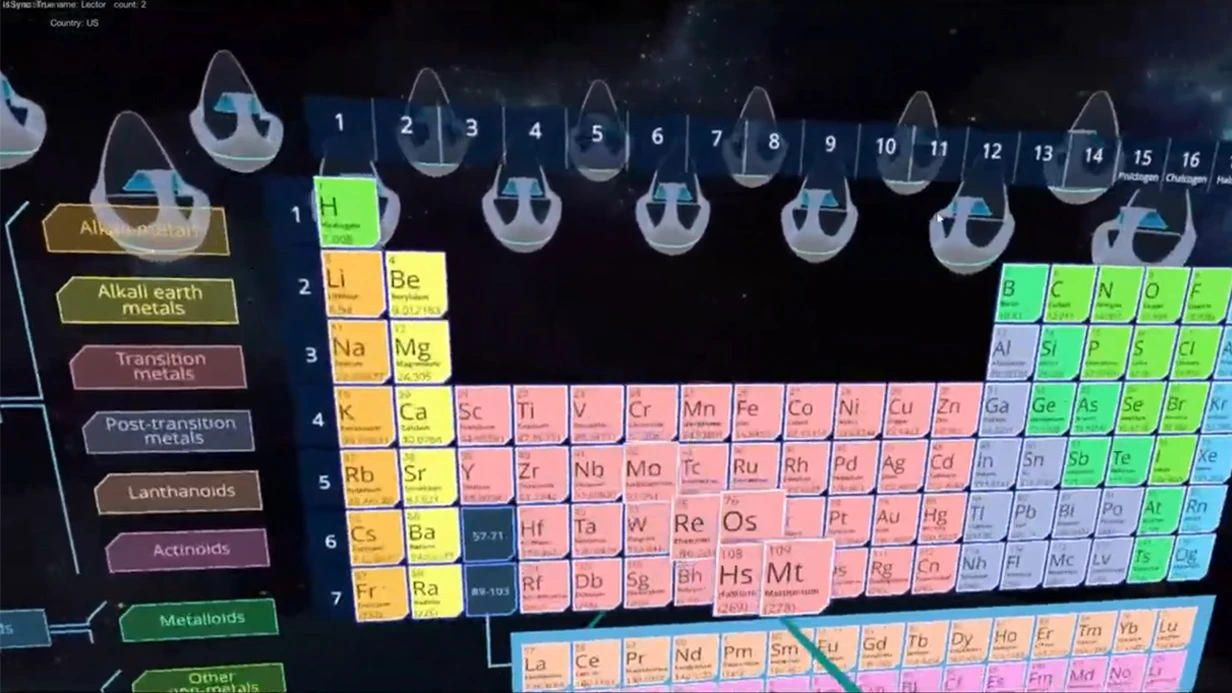
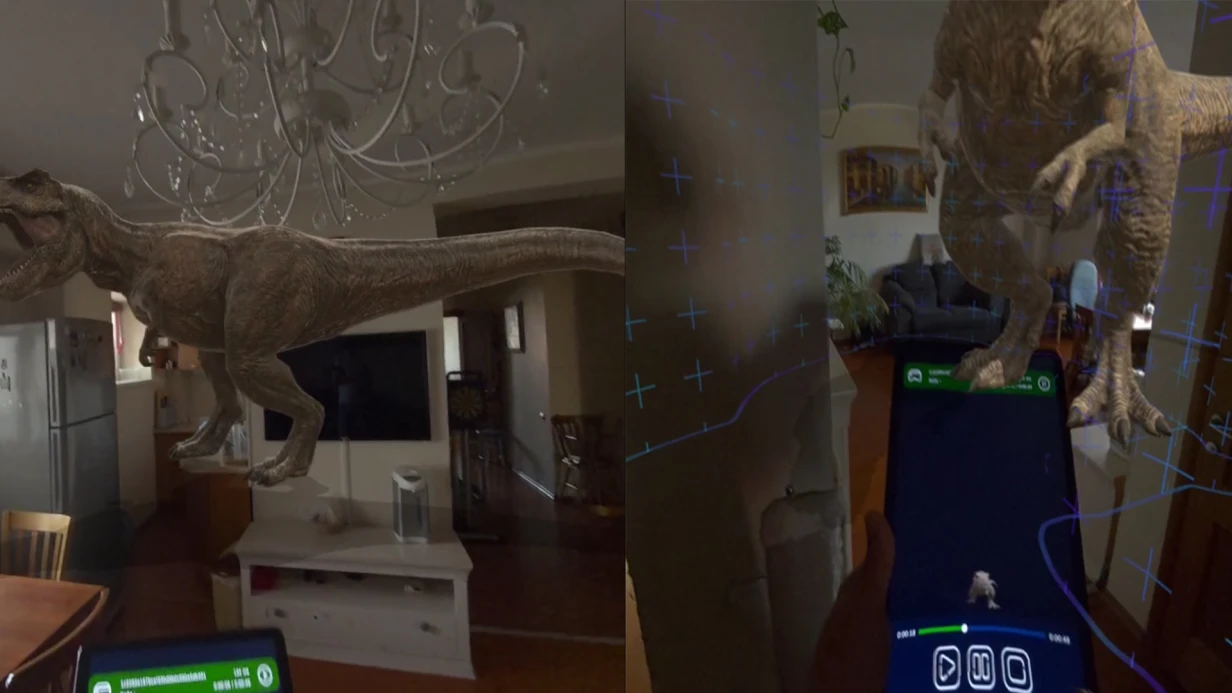
Guests lose interest without modern formats. You need an AR tour.
Tours remain one of the main ways to get acquainted with a city, museum, or park. But the classic format increasingly fails: visitors quickly get tired, get distracted by smartphones, and remember only a small part of the story.
There is no emotional response — which means no desire to return, recommend the tour to colleagues, or leave an enthusiastic review. Businesses lose both repeat visits and word-of-mouth.
The problem is that passive listening does not engage. An interactive tour based on mobile augmented reality turns a guest from a spectator into an explorer. They don't need a special guide or expensive equipment — a smartphone is enough.
Point the camera at an architectural object or exhibit — and you see what the place looked like before, what details are hidden from the ordinary eye, and what happened here in different eras.
Such an AR tour solves the task of engaging guests on several levels at once. People linger at the site longer, independently discover new route points, and take photos and videos for social media.
Each guest becomes a carrier of your brand: their posts are seen by friends and followers, and that is free reach that you cannot get with an ordinary poster.
We take responsibility for the result. Our team have been developing projects for more than ten years where technology works for your benefit: increasing attendance, growing loyalty, and new formats for tour programs.
If you want an AR tour that holds attention and delivers a measurable effect, we are ready to discuss it in a substantive conversation.
Four benefits of an AR tour: loyalty, reach, leads, brand
An AR tour solves four business tasks at once: retaining visitors, expanding reach, collecting contacts, and strengthening the brand.
At the same time, it does not require the guest to install complex apps — everything works through the smartphone camera, and for the organizer it is a ready-made point of contact with the audience.
Visitor loyalty. When a person interacts with an exhibit themselves, examines details, and brings history "to life" — they remember the impression for a long time. After such a tour, the visitor returns again and recommends the venue to friends.
This reduces the cost of attracting a repeat audience and forms a permanent community around your space.
Audience reach. AR tours are shared: guests film what is happening on their phones and post Stories and updates. Each participant brings another 2-3 viewers on social media — that is free reach that continues to work after the event ends. For museums, parks, and showrooms, this is a way to go beyond the physical location.
Leads and contact database. To launch an AR scenario, a visitor scans a QR code or opens a link — you get a legal point for data collection. Then you can offer the guest a news subscription, a special offer, or a loyalty program. This turns the tour from entertainment into a marketing tool with a measurable result.
Event brand. The non-standard format itself becomes a news hook and sets you apart from competitors. The AR tour is mentioned in reviews, city media write about it, and it is included in event listings as a separate feature.
As a result, the association "modern, technologically advanced, interesting" becomes attached to your venue — and that works for recognition long after the event.
Each of these benefits reinforces the others: loyalty drives repeat visits, reach brings new audiences, leads let you keep contact with guests, and the brand makes all of this systematic.
We will help implement an AR tour specifically for your task — with a focus on the metrics that matter to you.
Augmented reality deployment formats for your task
Section body
We design augmented reality around a specific scenario, not "deploy AR for the sake of AR." So before development, we lock down the essentials: who your audience is, where the interaction takes place, and how many people will go through the scenario at the same time.
The format depends on these three points — and therefore so do the cost, timelines, and metrics you will get. our team has implemented dozens of such solutions over 10+ years — from city quests to corporate booths — and each time the format is adapted to the business task.
The format affects the outcome: one museum only needs an AR guide for individual visitors, another needs a synchronized mobile tour for 50 people to relieve a live guide.
An event needs high throughput without queues, a park needs navigation and engagement across a large territory. ARCore provides stable operation on Android devices without special equipment, so your visitors use the smartphones they already own.
What AR solution formats we develop
| Format | For whom | What it gives the client |
|---|---|---|
| AR guide for the exhibition | Museums, galleries, exhibition centers | The visitor chooses their own route and pace, interest in exhibits grows, staff workload decreases |
| Mobile tour of the territory | Parks, estates, campuses, historic districts | Guests get navigation and stories in one place on the screen, territory coverage increases without new signage |
| AR quest for events | Festivals, corporate events, city celebrations | High guest engagement, foot traffic spreads across the venue, photos and sharing work as free advertising |
| AR booth or showcase | Exhibitions, conferences, showrooms | The booth attracts visitors, brand contact time grows, leads are collected in the app |
| Digital guide with augmented reality | Tour operators, cultural routes, developers | The client gets a finished product for tourists or residents that works without an internet connection |
How we choose a format for your task
At the start, we do a short audit: the venue, visitor flow, project goal, and budget constraints.
After that, we propose one or two formats with a calculation of the result — for example, "the AR quest will pay for itself through repeat visits" or "the guide will reduce the need for an additional tour guide."
Then we design the scenario, create the 3D content, and build a prototype. We test with real users, not in a laboratory, and only then launch.
In the end, you get a working tool, not "technology for technology's sake": with a clear interface, staff instructions, and usage analytics.
How the development of a mobile augmented reality app proceeds
Developing an augmented reality app is not a "black box" but a clear process. You control every step without diving into technical details. We break the AR project into stages: from brief to launch. At each approval checkpoint, you see the result and make changes.
- Brief and analysis. We discuss the tour's objectives, target audience, and places where AR will enhance the experience. You get a work plan and timelines.
- AR tour scenario. Together with you, we plan the route: where to point the camera, what appears on screen, what prompts guide the user.
- Prototype and design. We create the visual style of the interface and key scenes. You see a clickable mockup and approve it before development.
- Approval. We show the scenario, design, and app logic. You leave comments — we adjust and move to code after your "yes."
- Development. We build the app with professional augmented reality tools, connecting descriptions, audio guide, and routes. It works stably on the main smartphone models.
- Testing. We check the scenario in real conditions — in a museum, park, or outdoors. We fix navigation, loading, and object overlay issues.
- Launch and support. We publish the app and help configure the equipment. After release, we stay in touch: we update content and fix issues.
This is how you get a working product with no surprises: transparent stages, realistic timelines, and an app that attracts visitors and increases the value of the tour.
What you get after launch: project delivery package
After launch, you get more than just a working app — you get a complete delivery package that covers all stages of operation.
We hand over the entire project: from the finished product to instructions and a development roadmap, so you can manage the AR tour without depending on the developer.
Here is what is included in the package:
- Working AR app — a polished product for key mobile platforms, tested on real devices. It launches and runs stably in the conditions of your venue.
- Source code and rights to it — you own the product completely and can develop it with any team or in-house. No "black boxes" or hidden restrictions.
- Project documentation — a clear description of the app's architecture, structure, and logic. A technical team can quickly understand the code even a year after launch.
- Instructions for administrators — step-by-step guides for setup, adding content, and updating the tour. An employee without a technical background can change texts, route points, and media files.
- End-user guide — a short reference on how to download and launch the app, what to do in case of failures, and how to get support. Reduces the load on your staff.
- Access to source materials — all 3D models, images, audio guides, and configurations used in the project. You can create new tours based on them without redevelopment.
After the project handover, we stay in touch: the first few months include free support, covering bug fixes and consultations. If needed, we will sign a contract for regular support and development of new features.
For you, this means the AR tour becomes a manageable asset — with a clear result, transparent documentation, and headroom for the future.
Case study: how augmented reality increased attendance
A museum — one of the oldest in the city — faced a familiar problem: tours mainly attracted school groups, while independent visitors quickly walked through the halls and left.
The issue was not the exhibition but the format: static walls and plaques no longer held guests' attention.
How the AR tour was implemented
Instead of a classic audio guide, we built a mobile app with augmented reality. The guest points the camera at an exhibit — and sees its history: how the object was used, how it entered the collection, and what it looked like originally. This turns an ordinary museum visit into a live exploration.
On the technical side, we used the ARCore platform — it works stably on most modern smartphones, so guests do not need special equipment. They just download the app, and museum staff do not spend time training visitors.
Numbers that speak for themselves
In the first season, museum attendance grew by 40%. The average time spent increased from 40 minutes to an hour and a half — guests stopped just looking and started interacting with the exhibition. The number of repeat visits doubled over the same period.
The social effect was a nice bonus: guests filmed the AR scenes on their phones and posted them to social media. This gave the museum additional reach without advertising spend — in the first few months alone, posts with the project hashtag were seen by more than 100,000 people.
What mattered most to us was the request for a follow-up order. We are now preparing to expand the route and add an AR format for temporary exhibitions. This confirms: augmented reality works not as a one-off attraction, but as a systematic tool for growing attendance.
If you want the same result for your venue — tell us about your task, and we will find a solution for your audience and budget.
How to choose the right augmented reality format?
There is no one-size-fits-all solution in augmented reality: what is perfect for one site can disappoint at another.
That is why choosing the right format does not start with technology, but with three questions: who your audience is, what the site is, and what task the AR tour should solve.
The answers determine whether you need mobile augmented reality on visitors' smartphones, a stationary AR zone, or a combined scenario.
If guests bring their own phones and walk along a route, mobile AR is the most convenient: it requires no equipment distribution and scales easily to any visitor flow.
For enclosed locations where a guaranteed image and controlled experience matter, AR booths or tablets tuned to the specific space work better.
The key is that the format does not create queues and does not require instructions from visitors — then the tour runs on its own, and you do not use staff for support.
The budget also affects the choice, but not the way people usually think. The technology part typically accounts for only a portion of the cost; the main expense is content: the scenario, 3D models, sound, and interaction logic.
We select a solution for your budget and show where you can save without losing impact, and where it is better to invest so the AR tour evokes emotion and the desire to return, rather than looking like a cheap effect.
Venue requirements matter too: streets, museums, shopping centers, and country parks each need different lighting scenarios, interaction distances, and noise levels.
These are not technical details — they are factors that directly affect whether visitors will see the content and want to share it. We account for the specifics of the site as early as the discussion stage, so the format suits your audience, not just looks "modern."
Give us a test scenario: we will analyze the site, audience, and goals, and prepare a comparison of suitable formats with timelines and budget estimates.
You will get a practical recommendation, not a technology showcase — and within a few weeks you can launch a pilot at a real venue.
Frequently asked questions when ordering augmented reality development
Before ordering a mobile AR tour, every client asks the same questions: will guests' smartphones handle the app, what happens if there is a failure, who updates the content, and what happens after launch. We will answer right away — these are the same questions we ask ourselves at the design stage.
We design apps so they run stably on the majority of modern smartphones, and the update process is clear to someone without a technical background.
That is why the cost includes testing on different models, a support plan, and ongoing assistance — you focus on guests and experiences, not technical details.
Which smartphones will the AR tour work on?
The app works on Android and iOS — this covers practically all current models, including devices that are more than two or three years old. If a guest does not want to install an app, we provide a web mode: open the link — and jump straight into the tour.
What happens if there is a failure during a tour?
We build in an offline mode and clear interface prompts so guests do not get lost. If external conditions still get in the way — technical support is available via chat and phone, and we hand over a backup action plan to the client along with the project.
How do I update content after launch?
Texts, photos, and the audio guide can be changed through an admin panel — no programmers or lengthy approvals needed. Technical support and scheduled updates are included in the support plan so the tour stays relevant for years.
This is how you get not just an app, but a working tool for the tour business: with clear timelines, a guarantee, and support after launch. If your question is not on this list — ask it directly, and we will discuss the details of your AR tour for free.Leave a request — let's discuss your augmented reality project
Augmented reality turns an ordinary tour into a living experience people come back for. But launching such a project requires a clear process: without unnecessary approvals and unexpected revisions.
We have structured our work so you can see every stage and make decisions without diving into technical details.
The process is simple and transparent — here is how we work:
- You leave a request for development, and we get in touch within one business day to clarify the tasks and audience.
- We hold a consultation: discuss the tour scenario, key points of interest, and how visitors will interact with the content.
- We prepare an implementation plan — a list of stages, timelines for each, and what will be required from your side.
- We build the app and show intermediate versions — you control the result at every step.
- We launch the project, train your staff, and remain on support after release.
In the end, you get more than just an app — you get a working tool: visitors spend more time at the site, share their impressions on social media, and come back again.
All stages are documented in the implementation plan, so you always know what is happening with the project and when results will appear.
Leave a request — we will discuss your site and offer a solution for your task. This takes about 15 minutes, and you will get a clear action plan and a solid understanding of the timelines and budget. Augmented reality is already available for your business — let's start with a short conversation.