

Geolocation of attractions: how the app guides a tourist
Every tourist arrives in a city expecting to see its main sights, but often encounters the opposite: attractions are scattered, it is unclear where to go, and navigating the city takes more time than the experience itself.
The result is lost visitors, ruined itineraries, and negative reviews. Instead of enjoying the architecture and history, a person stands with a map in hand, not understanding where they are or what is nearby.
Geolocation of attractions solves this problem completely. The app itself determines where the tourist is, shows the nearest significant sites, and builds a convenient route.
It works like a personal city guide: it directs you from one point to another, tells you what is interesting nearby, and prevents even first-time visitors from getting lost.
The attraction map in the app is not just dots on a diagram, but a clear guidebook. The tourist sees everything worth visiting at once: distances, travel time, and level of interest.
Navigation around the city becomes intuitive: just choose an object, and the app will show how to get there on foot or by public transport. No paper maps and no endless questions for passersby.
Such a tourism app transforms a chaotic stroll into a well-planned route that covers as many significant places as possible. The visitor manages to see more, gains a vivid experience, and is ready to return.
For the city and local businesses, this means more repeat visits, positive recommendations, and brand recognition. And we implement geolocation so that the app truly guides the tourist, not just displays a map.
How augmented reality enhances tour experiences
A typical audio tour is a one-way narration: the guest listens and looks around, but does not interact with the city.
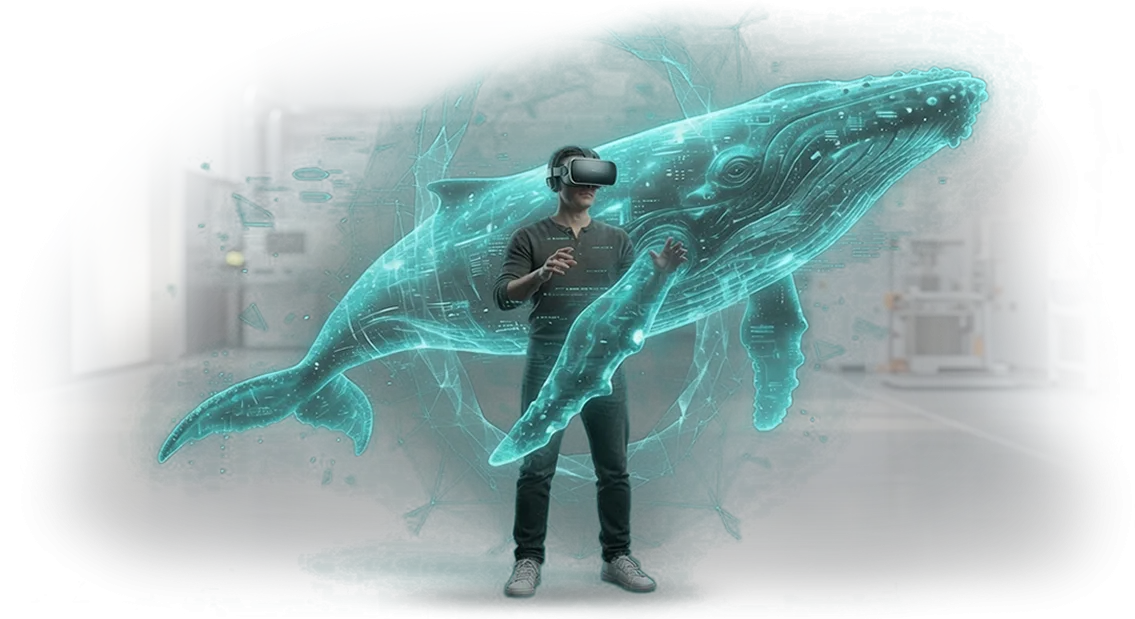
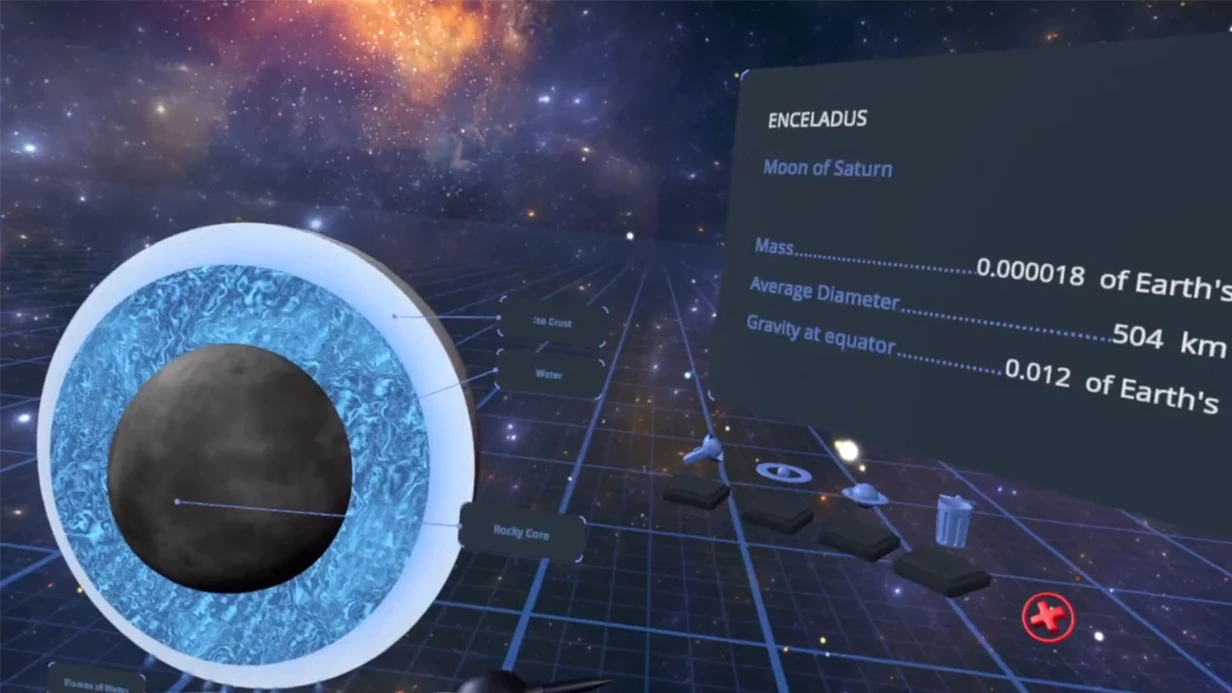
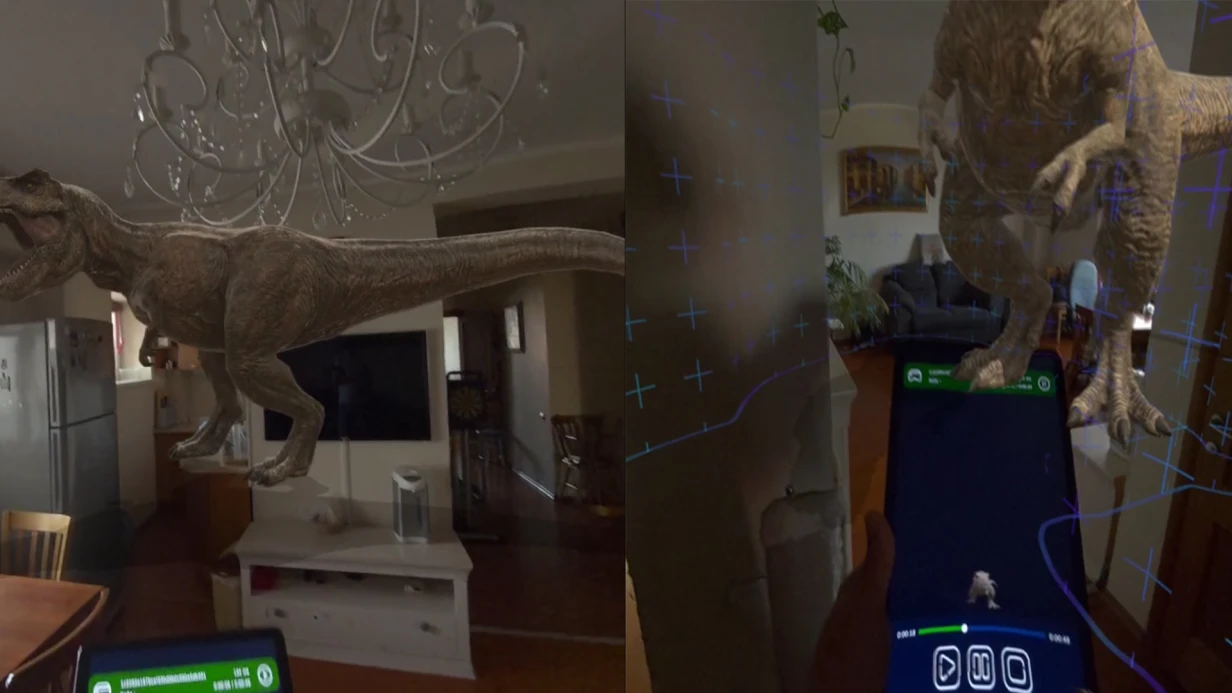
Augmented reality changes the script — the tourist sees history directly overlaid on real buildings: how the facade changed, where events took place, and what lies hidden behind modern finishing. This turns the tour from a lecture into a personal exploration.
From the standpoint of experience, interactivity solves the main problem — attention retention. When a person personally "brings to life" an attraction on a smartphone screen, they stay engaged 3–4 times longer.
Moreover, every guest takes dozens of photos that they later post on social media — that is free reach for your brand.
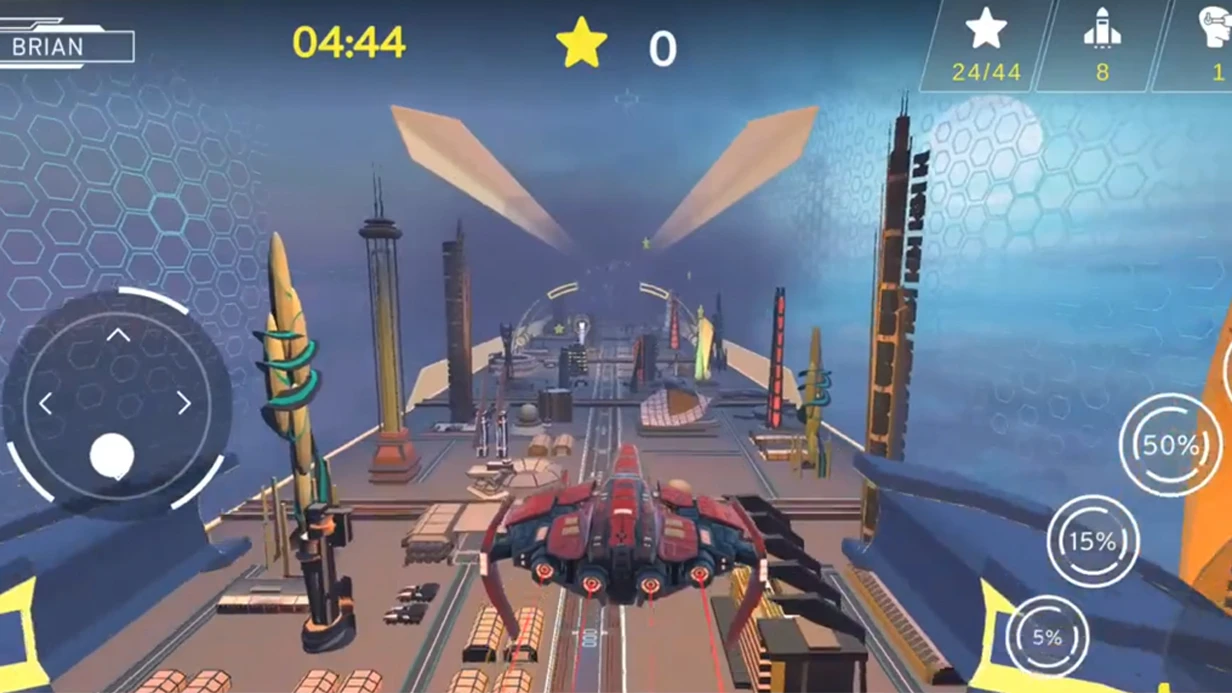
For businesses, this also means an increase in the average check. Augmented reality makes it possible to integrate game mechanics, nostalgic scenes, and hidden clues — guests are more willing to take paid routes and return again to complete them.
We work on ARCore, the most widespread platform for Android devices. This means the app launches reliably on most smartphones and correctly anchors content to specific points on the city map. The client gets a predictable result without failures at the most critical moment.
Research in tourism technology confirms: AR tours increase emotional engagement by 40% compared to classic routes. People remember facts better and are more willing to recommend such walks to friends — word-of-mouth works for you long after the season ends.
Formats for apps with geolocation of attractions
Regular maps and audio guides show a route but do not retain attention. AR geolocation turns the smartphone into an interactive guide: the visitor sees hints directly over the real view, chooses their own trajectory, and returns to the app again.
The format depends on the task — to present a location with history, to guide a group around a territory, or to engage in a game scenario.
We build a solution for a specific result and audience, so it is important to determine in advance what matters most to you: reach, depth of viewing, or repeat visits.
| Format | For whom | What it gives the client |
|---|---|---|
| Mobile city guide | Tourism services, hotels, city portals | Keeps the guest in the app for 20–30 minutes, reduces the need for a live guide, and creates a base for repeat offers |
| Interactive museum or park tour | Museums, exhibition spaces, nature reserves | Increases depth of exhibition viewing, reduces staff load, and leaves visitors with a “wow effect” for word-of-mouth |
| City quest with AR objects | Brands, festival organizers, event agencies | Engages participants in the scenario for 1–2 hours, collects contacts through game mechanics, and generates a natural stream of social media posts |
Each of these formats solves a specific business task: from increasing the number of repeat sessions in the app to building a loyal audience base. We do not stick to templates — we choose a scenario tailored to your venue, seasonality, and audience behavior.
Choose the format closest to your task, and we will design the scenario, interface, and navigation system so that the solution delivers results from day one.
How development works: 7 steps from brief to launch
We have split development into seven transparent stages — from brief to support. You always know what stage the project is at and what result you will get. Each stage ends with approval, so you see intermediate versions and move toward launch without surprises.
- Brief and analysis. At the meeting, we record goals, audience, and scenarios. The result is a requirements document and a work plan that you approve.
- Prototype. We create the structure and an interactive prototype of the screens. You see the future interface and make edits before development.
- Design and scenarios. We develop the visual style — icons, animations, hints. You approve the mockups that will serve as the basis for developers.
- Development. We build the app, configure integrations, and fill it with content. You receive test builds and see progress.
- Testing and approval. We test on real devices, fix bugs, and optimize performance. You test the finished version and give final approval before launch.
- Launch and publication. We prepare for release: set up accounts, upload to stores, create descriptions and marketing materials. You receive links and information for the announcement.
- Support and growth. After launch, we monitor reviews, fix issues, and help with updates. We add new features as your business grows.
What is included in the delivery of an app for a tourism project
When you order the development of a mobile AR app for geolocation of attractions, you get not just a program but a complete solution for a tourism project.
The delivery package includes everything needed for launch and daily operation — from the app itself to training for your team.
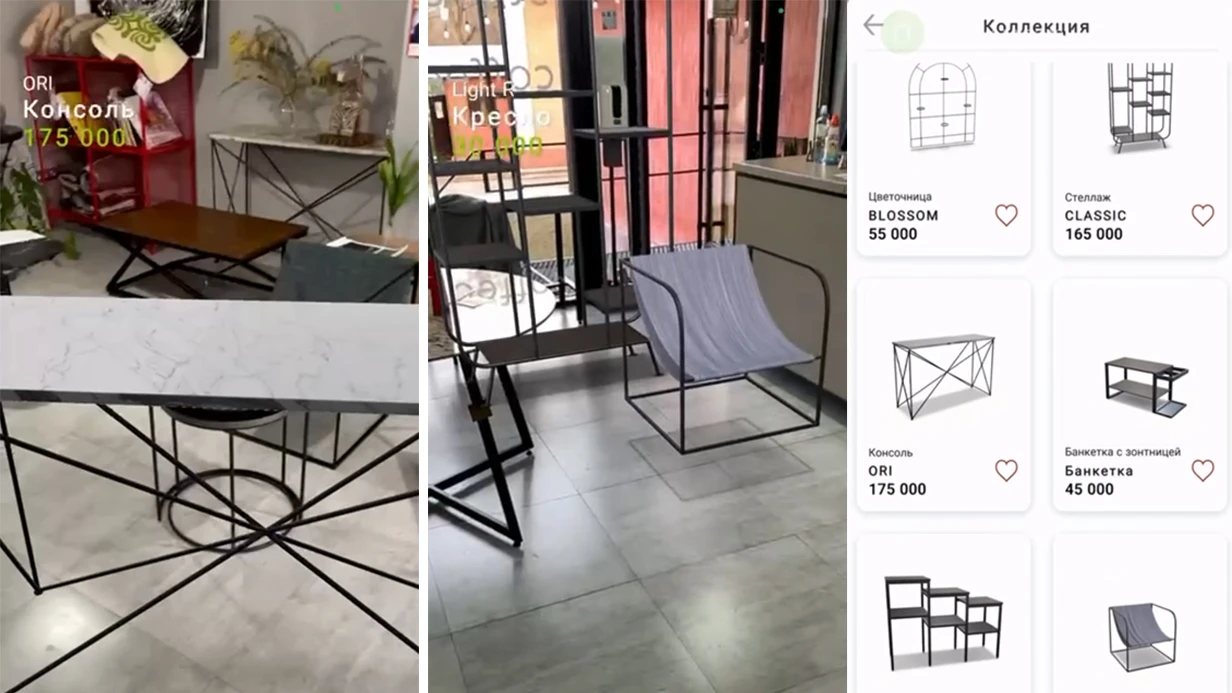
- Ready-to-use app for iOS and Android. Guests point their camera at an object and see augmented reality: historical facts, routes, audio guides, and hints about what is nearby.
- Content management console. You update attraction descriptions, photos, special offers, and event announcements on your own — without contacting developers or long approval processes.
- Statistics dashboard. See how many people downloaded the app, which objects are in demand, and how long guests stay in the app. This data helps improve routes and increase reach.
- User manual. A clear guide for your team: installation, adding new points to the map, working with analytics, and frequently asked questions.
- Employee training. We conduct an online session after which managers confidently work with the app, answer guest questions, and use the control panel without assistance.
- Technical support during launch and the warranty period. We help update content, address issues, and promptly resolve any problems.
This is a complete package that covers all the needs of a tourism project: from the guest's first introduction to augmented reality to regular information updates.
You get a working tool that delivers value immediately after installation, not a “raw” development that requires finishing touches on your own.
Case study: how a mobile guide increased park attendance by 40%
A major city park, Green Grove Park, had a typical problem: visitors spent about an hour on average, walked only along the main alley, and did not know about the hidden attractions.
This affected their experience — and the revenue of rental points and cafés located deep in the area.
We proposed a mobile guide with geolocation of attractions. A person points their smartphone camera at a sign and sees historical information, old photographs, and a route to the next object. The app works without special equipment — a regular smartphone is enough.
Results after the first season — park attendance grew by 40%. Average time spent increased from 1.2 to 2.5 hours, and the number of repeat visits nearly doubled.
Special areas that were previously visited by only a few became points of attraction: for example, the historical pavilion attracted as many visitors in its first month as it had in the entire previous year.
The park director noted: “The guide became not just entertainment but a navigation tool. Guests finally discovered places worth returning to.” We received a repeat order to expand the routes and integrate with the events calendar.
This case shows: a mobile guide solves a business problem — it increases time spent on the territory, engages guests, and turns a one-time visit into a regular habit. We apply the same approach to museums, shopping centers, and tourist routes.
What if the app does not work on older smartphones?
Yes, that is a business owner's main fear: half the visitors will come with smartphones from previous generations, and the app will start to “lag” or throw errors.
We remove this risk — development is carried out so that the app runs stably on most Android devices, including models that are three to four years old. For this, we use our team with proven algorithms and test compatibility in advance across different hardware levels. The result is that your clients see attraction geolocation working smoothly, not an error screen.
Attraction geolocation works through the smartphone camera — and we make sure it runs even on modest hardware. Heavy computations are performed on the server, while the device only handles a clear interface.
Therefore, the app does not overheat, saves battery, and responds quickly to movement. For you, this means more satisfied visitors, fewer support requests, and a higher chance that guests will return to the service again.
And even if something goes wrong in real-world conditions, we do not leave you alone. Technical support is provided: we respond to errors within a day, release updates, and adapt the app for new smartphone models.
You always know what is happening and can contact us directly — without intermediaries or lengthy approvals.
What to do if some guests have older smartphones?
We test the app on devices of different levels and use an adaptive mode: on weaker phones, simplified graphics are enabled, but attraction geolocation and navigation remain fully functional.
You receive a guarantee that every participant will be able to open the app, even if their phone was released several years ago.
Let's discuss your project: timelines, cost, and next step
Developing an AR app with attraction geolocation is a task that sounds straightforward but requires careful planning. Timelines depend on the number of objects, the content format, and the required scenarios.
Without a clear estimate, it is easy to slip into endless revisions and budget overruns. We offer another path: setting the boundaries before work begins.
To remove uncertainty, we have built a simple process — you submit a request and receive a concrete proposal within a few business days.
- Request: you describe the task in a convenient way — a short call or an email.
- Consultation: we discuss goals, audience, and the app usage scenario.
- Estimate and timelines: based on the requirements, we prepare a cost calculation and a calendar plan.
- Commercial proposal: we set the final cost, stages, and terms of cooperation.
- Next step: after agreement, we launch the brief and reserve a team for your project.
No hidden conditions or abstract promises. In the proposal, you will see how long each development stage will take, what results you will get at intermediate checkpoints, and what resources will be needed from your side.
Submit a request — and we will start with a free consultation. After that, all that remains is to make a decision.