

Customers Are Leaving for Competitors — How to Retain Them with an Interactive Guide?
Customers do not leave because your product has become worse. It is simply that competitors offer a more vivid experience: guests and shoppers remember those who surprise them.
Ordinary brochures, signs, and stands no longer hold attention — a person gets the same information from their phone in a couple of seconds and moves on.
An interactive guide solves this problem: it turns a visit into an event that people want to experience to the end and tell others about.
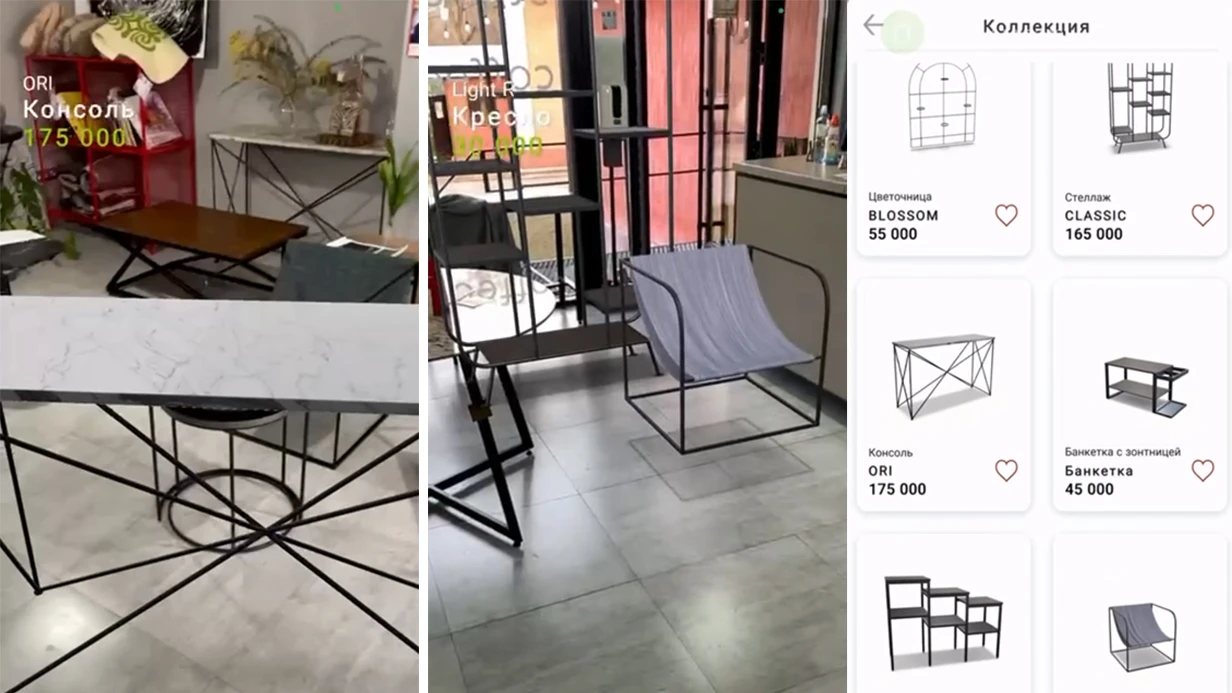
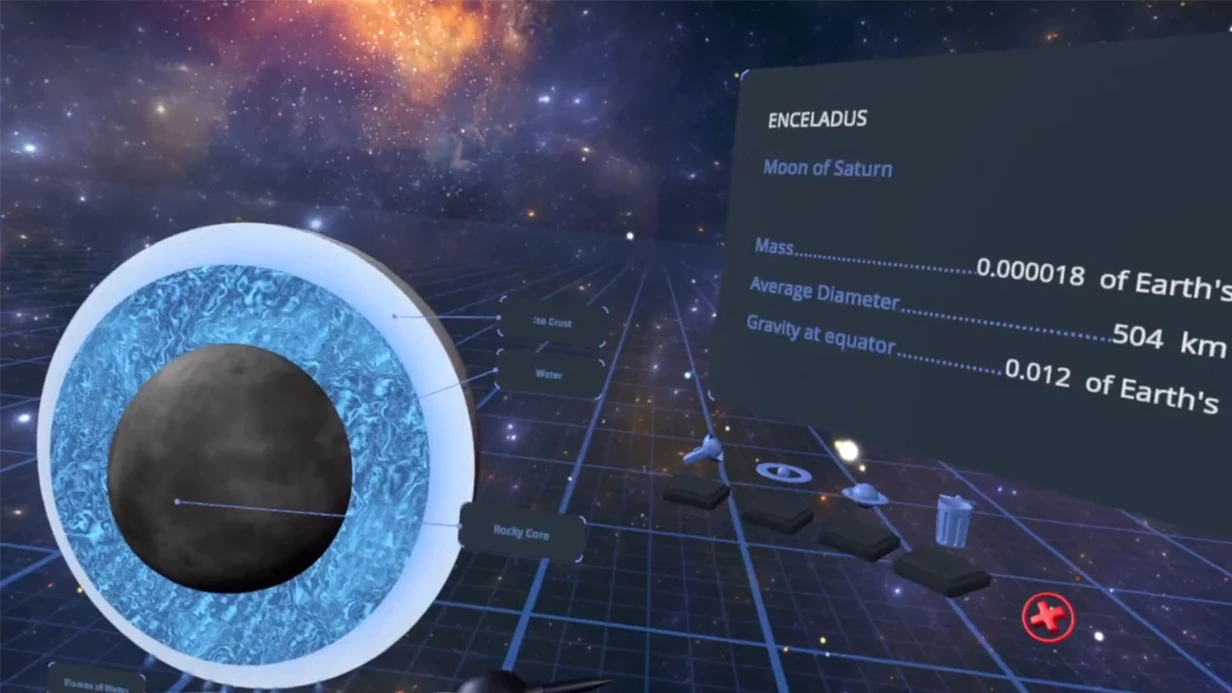
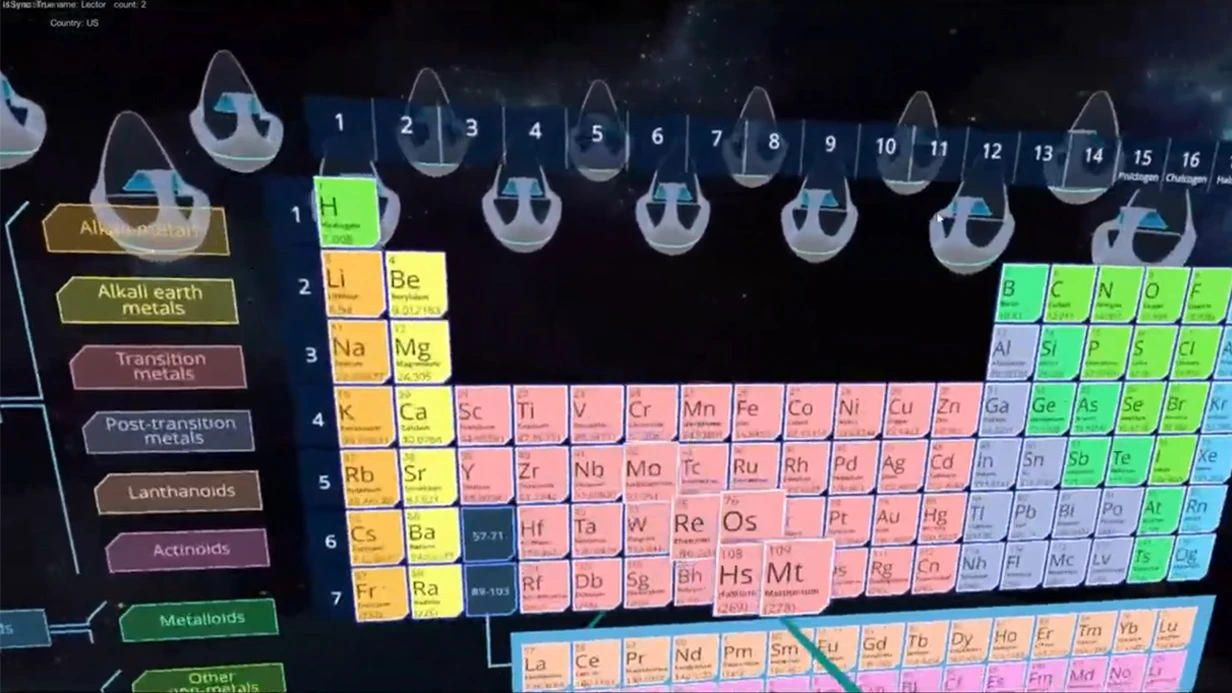
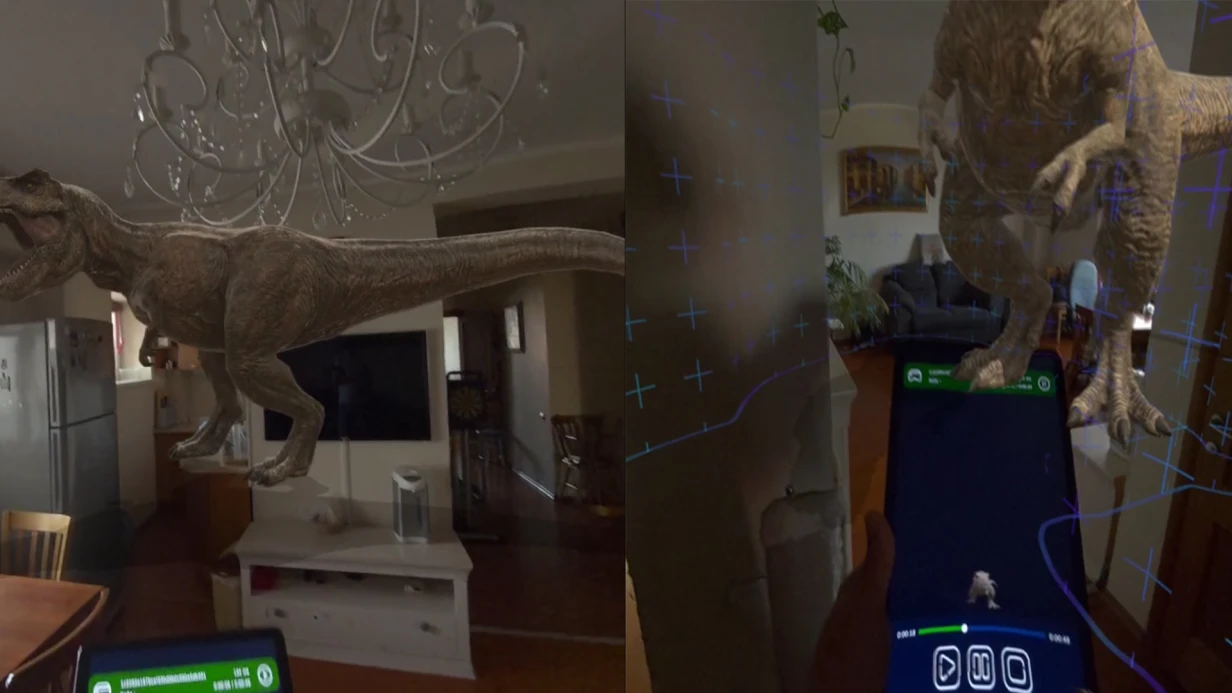
Augmented reality overlays digital content directly onto real objects — so a tour, exhibition, or showroom comes alive. Instead of boring descriptions, visitors see 3D models, animation, hints, and interesting facts the moment they look at an exhibit or product.
This holds attention 3-4 times longer and naturally guides the customer to the desired action: a purchase, a request, or a booking.
For business, an interactive guide is not just entertainment but a customer retention tool. A person who had a unique experience comes back on their own and brings friends. Each such visitor creates free reach on social media, because unusual experiences are worth sharing. That is how an AR app works to build brand recognition long after the event has ended.
We have been developing such solutions for more than 10 years and know how to make a guide useful specifically for your task. You do not need to understand technology — we handle the entire journey: from idea and scenario to launching the finished app.
You get a working tool that sets you apart from competitors and turns visitors into loyal customers.
Tell us where exactly you are losing your audience — we will show you how an interactive guide can close that growth gap.
What Benefits Does an AR App Bring to Your Business?
Shoppers and visitors are tired of static information. Ordinary stands, brochures, and even videos on screens are less and less able to hold attention for more than a couple of seconds.
An AR app turns this interaction into a live experience: point your smartphone camera at an object — and 3D models, hints, and animation appear on the screen. The user does not just read but explores, so they remember your product or location much better.
In terms of engagement, augmented reality delivers measurable results: the time of contact with the brand grows many times over, and the number of returns to the app increases.
People gladly share unusual experiences on social media, and each such post is free advertising and increased brand awareness. An interactive guide based on AR becomes a standalone marketing tool that works both during the event and after it.
Speaking of practice, such applications are already changing events and spaces. For example, an interactive guide leads a visitor through an exhibition or showroom, suggests a route, and tells stories at a comfortable pace.
The guest feels involved, and the organizer gets data about the most popular points — this helps improve the next events.
We use a proven augmented reality technology based on ARCore, which is supported by most modern smartphones. This means your customers do not need to download heavy programs or buy special equipment — just open the camera. You get a working solution that is quickly deployed and consistently shows results.
The bottom line is simple: an AR app increases engagement, strengthens interest, and makes a brand recognizable. It sets you apart from competitors and leaves customers with vivid impressions they want to repeat.
Interactive Guide Formats for Museums, Exhibitions, and City Tours
Visitors to museums and city walks expect not text signs but experiences. An interactive augmented reality guide turns exploring an exhibition into a live dialogue: point the camera at an object — and you see a reconstruction, history, and hidden details. We develop formats that fit any scenario — from a stationary exhibition to an outdoor route.
Formats for Your Tasks
| AR Guide Format | Who It Is For | What It Gives the Client |
|---|---|---|
| Museum Guide | Museums, galleries, historic estates | Visitors stay longer in the halls, go deeper into the topic, and are more eager to return. Texts and audio appear directly on the screen, and the tour guide is freed from repeated questions. |
| Guide for Events and Exhibitions | Event managers, organizers of conferences and festivals | Visitors quickly find the zones and booths they need, take part in quests and promo games. This increases time spent and creates natural reasons to share impressions on social media. |
| City AR Tour | Tourist routes, city festivals, neighborhood walks | Pointing the camera at a building shows historical background, old photos, and an audio guide. The tour works without an escort and easily scales to any flow of guests. |
We adapt each format to your venue: we plan the route, content, and interaction options with visitors. Such a guide remains a tool of your business — it collects data about guest interests and shows which exhibits or route points attract more attention. We will find the right format for your task and budget — start with a consultation.
How App Creation Works: Stages of Cooperation
Any AR guide project begins with questions: what should happen on the screen, how will guests interact with the content, and what task does the app solve.
We have structured the development process so you see the result at every step and can influence it — without missed deadlines or unexpected revisions.
- Brief and task immersion. We discuss your audience, the goals of the event or venue, collect references, and record expectations for the future app.
- Analytics and concept. We propose an interactive guide scenario: routes, points of interest, content types — what exactly the user will see and why it will be interesting.
- Prototype and design. We create the visual concept and screen logic. You see the interface before development starts and make changes in advance, not after launch.
- App development. We build the functionality: navigation, object recognition, augmented reality. We use proven tools, so key risks are eliminated.
- Testing and debugging. We test the app on real devices in your venue's conditions and fix any flaws before showing it to guests.
- Launch and support. We publish the app, train your staff, and stay in touch for improvements and updates.
This way of working guarantees that the AR guide is created according to plan, and you get not a "raw" product but a tool that immediately works to build recognition and engagement with your clients.
What Is Included in the Ready-Made Solution
At the end of the project, you get not "raw code" but a ready-made tool you can use right away. Everything that is created is handed over to you in a clear form — you become the full owner of the product and manage it without constant dependence on the contractor.
Here is the complete delivery package:
- A working AR guide app — installed on visitors' smartphones and takes them through the venue with augmented reality: navigation, object descriptions, interactive hints.
- Admin panel — you update texts, photos, routes, and points of interest yourself, without programmers. Updating takes just a couple of minutes.
- Ready-made content — texts, hints, routes, and visual materials for your venue, compiled and verified before launch. You do not end up with an empty template.
- Training for your team — a short instruction and walkthrough on how to use the system, add points, and work with the app.
- Documentation and access — all logins, passwords, and technical descriptions are handed over to you. No "black boxes": the product is entirely yours.
- Guaranteed support after launch — we fix errors, answer questions, and help with updates so the app works reliably at the most important moment.
This package addresses the client's main fears: you do not depend on the developer in your daily work, see all materials in one place, and can grow the guide with your own team. All that remains is to launch it for your guests — everything else is ready.
Real Case: How We Increased Audience Reach
For one of the exhibitions, we developed an interactive augmented reality guide for the Museum of Digital Art "Palitra". Visitors used to walk through the halls in 20 minutes, hardly stopping at the exhibits.
The guide turned every painting into a "living" story: point the camera — you hear the author, see animation, and facts.
Installation took a minute via a QR code, and everything worked without extra steps afterward.
What Changed for the Client
In one month, 12,000 people visited the exhibition, and 65% of them used the guide. The average time at an exhibit grew from 40 seconds to 3.5 minutes, and 85% of users filmed the animated paintings and published them with the museum's geotag.
Impact on Reach
Visitors' posts were seen by about 45,000 more people who had not come to the exhibition. After two weeks, repeat visits grew by a third — people brought friends to show them the AR stories. The museum became a topic of conversation.
After the exhibition ended, we refined the app for the next exposition and continued the partnership. The second season showed a 40% growth in unique visitors.
That is how an interactive guide turned from a one-off project into a permanent tool that delivers measurable reach without an advertising budget.
How to Choose the Right Format for Your Task?
How to choose the right format? The short answer: first determine exactly how guests will interact with the interactive guide and what task it solves — drawing attention, telling a story, or helping with navigation.
There are several formats, and each offers its own balance between reach, depth of immersion, and launch speed.
For mass events — exhibitions, festivals, presentations — choose a mobile AR guide: guests open it on their smartphones, point the camera at an object, and see rich content with captions, animation, and sound.
This format requires no queues, no equipment purchases, and works on any modern phone. It is the fastest path to the largest number of users with minimal logistics costs.
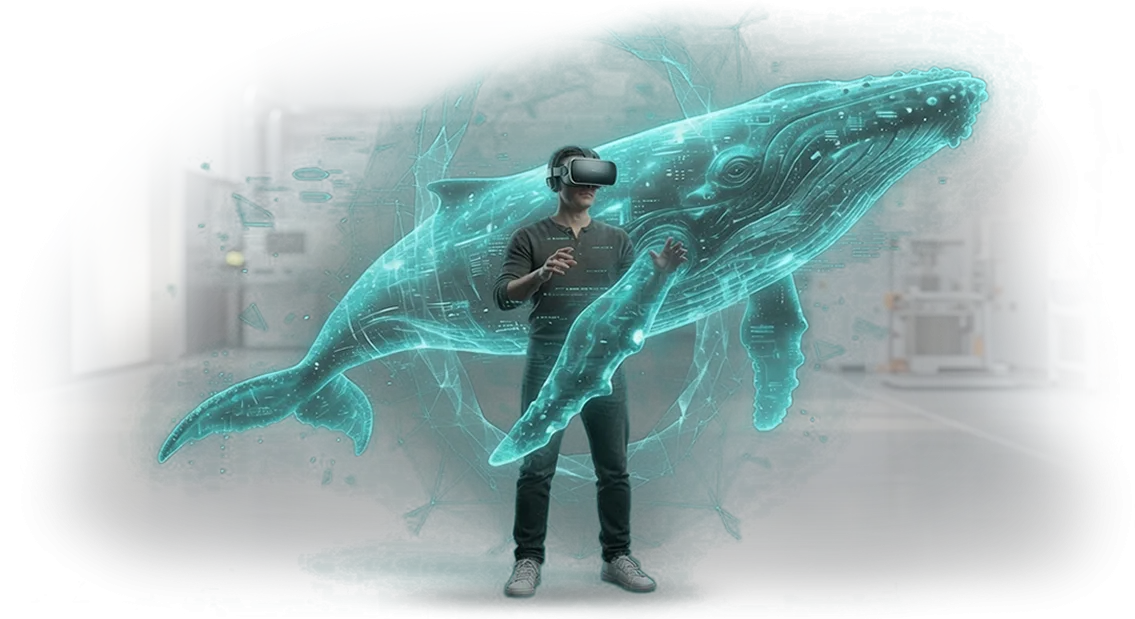
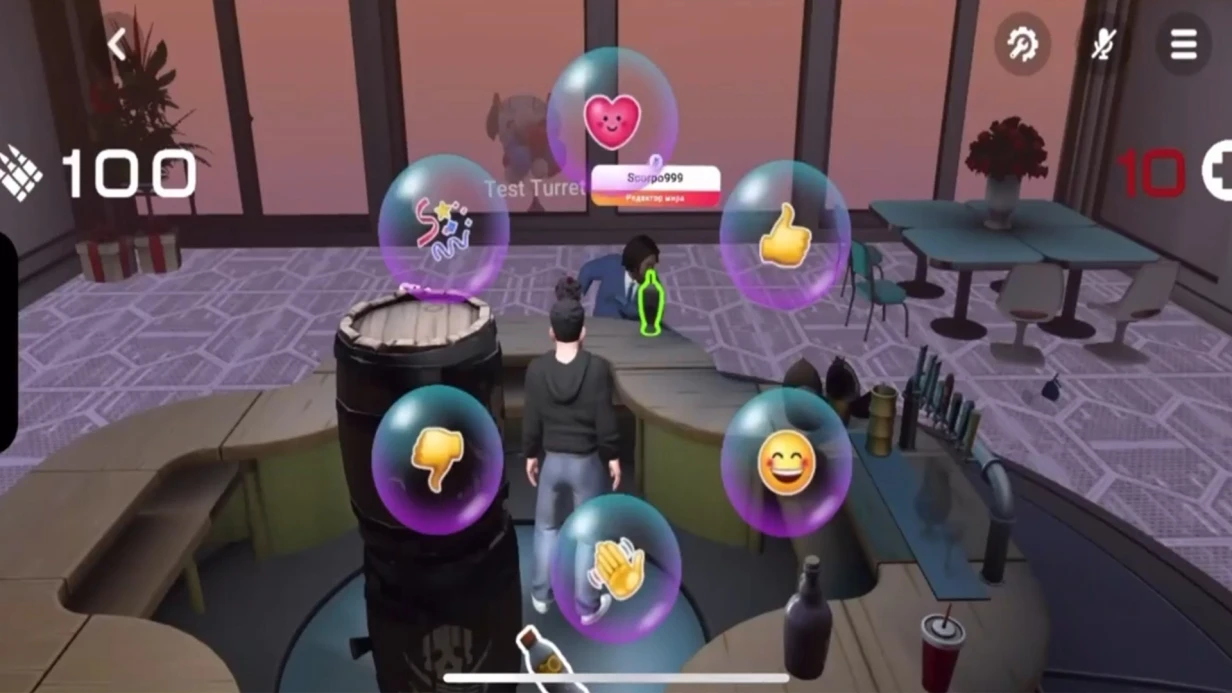
When the main goal is a deep impression and the audience comes in small groups, look toward VR immersion: visitors find themselves inside a recreated scene or process.
This format is ideal for corporate presentations, training stations, and zones where engagement matters more than flow. However, you need to calculate throughput in advance — how many people per hour can pass through, so you do not create a queue.
If an interactive guide is needed as a permanent element of an exhibition or showroom, a stationary AR terminal is an excellent option: a fixed camera and screen "bring the object to life" right on the spot.
Guests walk up and interact without installing apps, and you get a point of attraction and a photo zone.
To match a format to your task, we do a short analysis: we look at the audience, the movement scenario, the number of visitors, and the expected result.
Then we propose a concrete solution — with an approximate content structure, so you can see how the guide will work in your conditions. This turns format selection from "what is trendy" into "what will deliver a measurable result."
Frequently Asked Questions and Doubts Before Ordering
Before ordering an interactive guide, many clients have the same questions: will the app be inconvenient for visitors, what to do about edits after launch, and what guarantees are there. We answer them right away — this makes the decision easier.
Will the guide work on visitors' different phones?
Yes. We focus on mass-market devices, so visitors do not need to buy new equipment. Before launch, we test the scenario on several popular models and tune performance so the app runs stably.
What if we want to change texts or add new objects?
Nothing complicated. The content in the guide is stored in a convenient structure, so updating does not require reworking the app. Typical edits — changing a description, photo, or route — are made within the support scope in a short time.
What guarantees do you provide after launch?
We are responsible for the stable operation of the guide and state this in the contract. If you find a failure during operation, we log the request, fix it, and, if necessary, refine the project. Support continues after launch — you are not left alone with a problem.
How long do changes take?
Typical edits take one or two days. For new features or a large amount of content, we make a plan and give you a specific date — you know the timelines in advance. No uncertainty.
Start Your Project with a Free Consultation
An interactive guide holds guests' attention, increases time spent, and makes a space easy to understand without staff involvement. But for it to truly solve your task, it is important to consider usage scenarios and audience expectations in advance. A free consultation will help clarify these points before the start.
We do not sell abstract ideas: at the meeting, you will get specifics for your project. We will analyze which format — a mobile app, AR markers, or a hybrid — will bring the most benefit to visitors and staff.
After you contact us, we go through the following steps:
- You submit a consultation request — this takes a couple of minutes.
- We get in touch within a business day and agree on a time to talk.
- We discuss your goals, constraints, and expectations for the interactive guide.
- We provide an expert assessment and recommendations for the scenario.
- We propose a plan: stages, timelines, and areas of responsibility.
- After your decision, we formalize the scope of work and start the prototype.
Ordering development means getting a clear route without uncertainty. At the consultation, you will not hear technical details for the sake of complexity: we speak the language of business and show how technology brings value.
Even if you are not ready to launch a project yet, the consultation will give you the full picture. You will learn what is needed to start, which next steps will lead to results, and what to look for when choosing a contractor. Leave a request — we will help turn your idea into a working tool.