


Additional Education for Children: How AR Brings Back Interest in Learning
After-school classes in schools today compete with smartphones and video games. A child is used to interactive games and short videos, but gets a textbook, a notebook, and a lecture at the blackboard.
The result is boredom, lost attention, declining motivation, and formal attendance that delivers neither knowledge nor enjoyment.
Teachers and administrators see the problem: children show up but don't engage. Instead of genuine interest — copying answers and waiting for the bell; instead of questions — endless scrolling.
To keep students engaged and show parents real value, schools need a format that speaks the child's language.
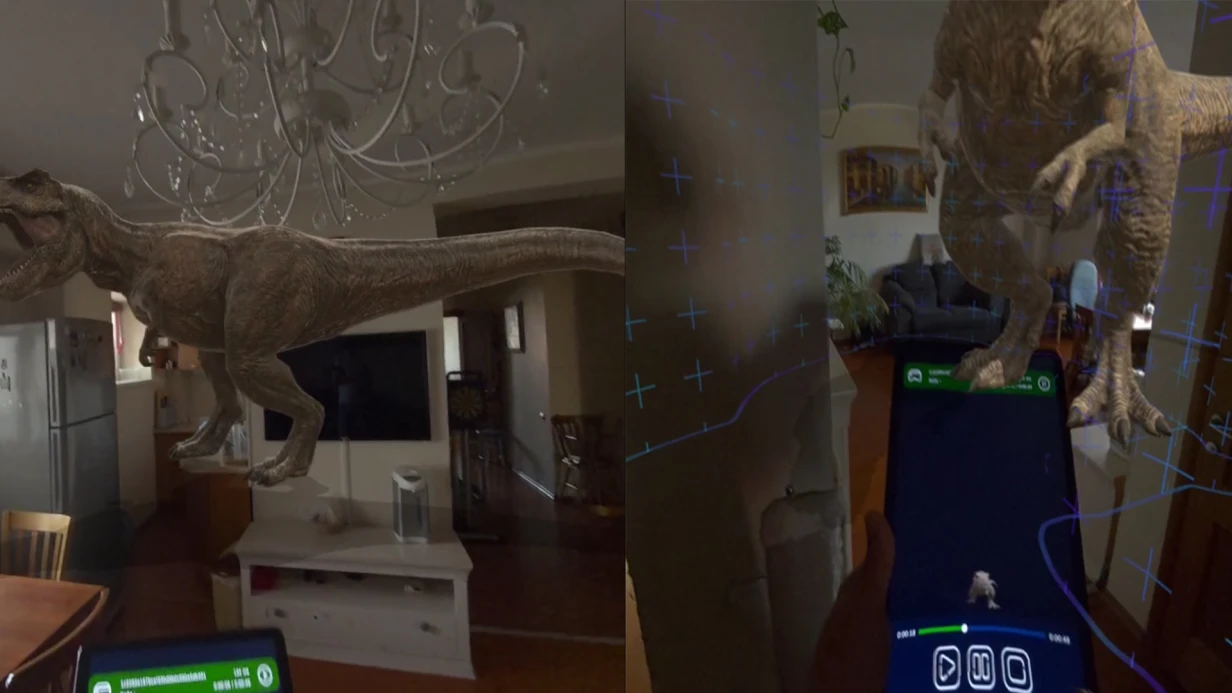
An AR app for children solves this. Point the camera at a workbook page or a marker on the desk — and 3D models, processes, and experiments come alive on the screen.
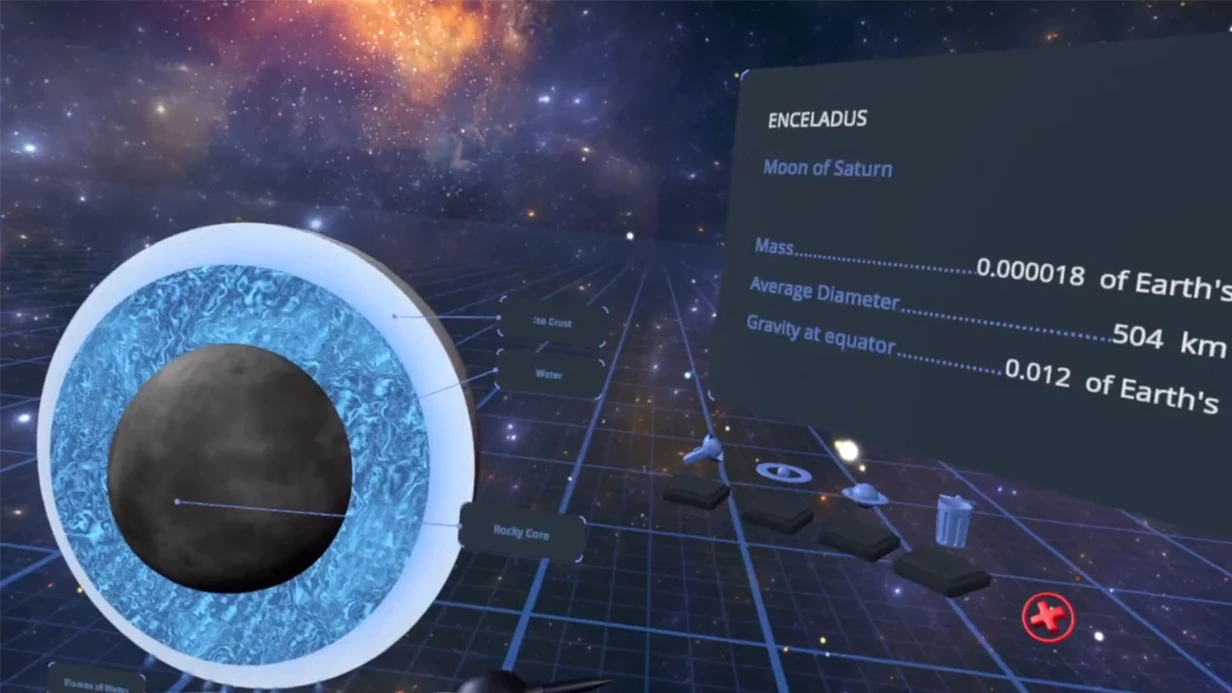
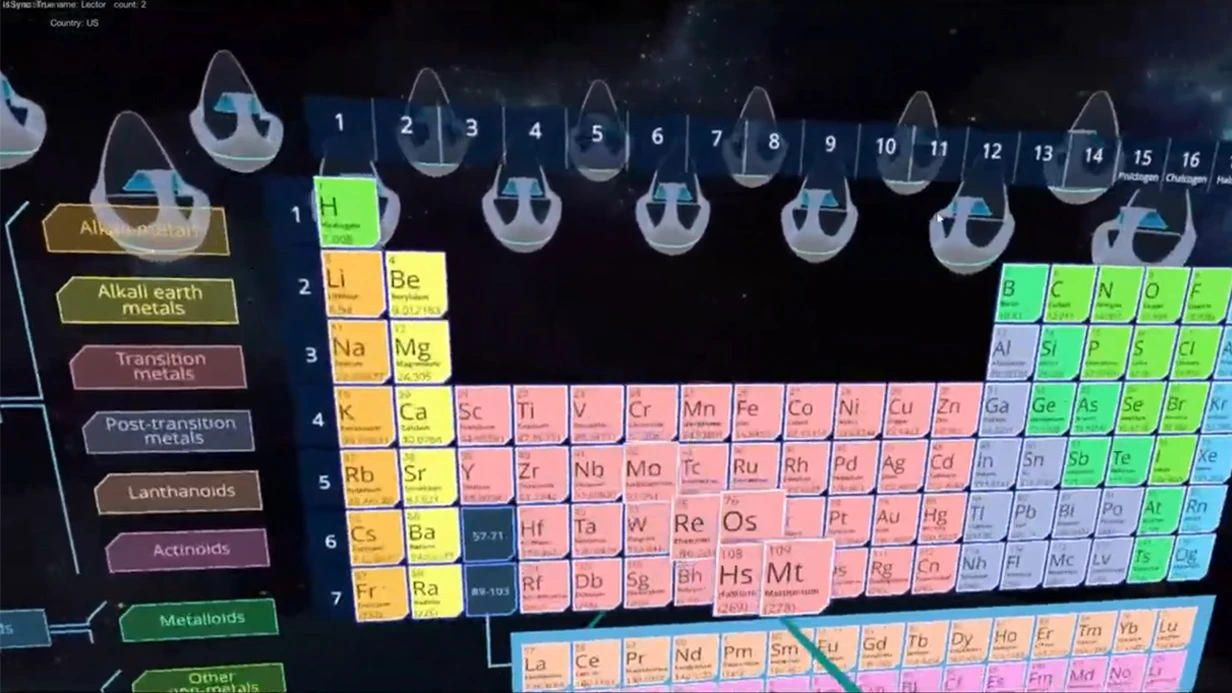
Interactive lessons turn difficult topics into a hands-on experience: you can take apart an atom, examine the inner workings of a mechanism, or go on a virtual field trip without leaving the classroom.
This approach restores student motivation: children want to complete the task to see what comes next. Material is absorbed faster, and attendance and engagement become visible metrics for the club or elective.
For the school, it's modern learning that sets the program apart from neighboring institutions and attracts new students.
We help make this happen: we design an AR app around your curriculum, fill it with your assignments, and support you at every stage. Teachers don't need to retrain — a tablet and a few minutes to get familiar are enough, and children quickly embrace the new format.
What an AR App Brings to the Learning Process
In additional education, the battle is for children's attention and parents' trust. Ordinary lessons no longer spark the same interest, while an AR app turns the class into an investigation: students see 3D models, can rotate them, and examine details.
We build mobile AR solutions on ARKit — Apple's augmented reality technology — so the app runs consistently on iPads that many schools already own.
Use this list as a checklist: mark what the app brings to your learning process.
- Genuine interest from students. Children ask to see more — they want to interact with objects, not just listen. This removes the "I don't want to learn" problem in specific lessons.
- Higher engagement. Material sticks through action: assemble a model of the heart, run a virtual experiment, explore a historical era. Students hold attention longer and get distracted less often.
- School growth. AR lessons become part of the methodological foundation, help update the educational program, and attract tech-savvy teachers.
- Competitive advantage. Parents choose a school that cares about their children's future. An unusual format builds loyalty among existing families and attracts new enrollments through word of mouth.
If you agree with at least two of these points — let's discuss how to adapt the app to your program and launch it within a school month.
AR Lesson Formats for Schools: Comparison and Selection
The format depends on the task at hand: bringing textbook pages to life, showing a process from the inside, or giving students a safe training simulator. Below is a comparison of AR options for additional education, from simple overlays to full lessons.
| Format | Who it's for | What it delivers |
|---|---|---|
| AR overlay on textbook pages | Primary grades, extended-day groups | Holds attention on the topic, makes complex diagrams and text easier to grasp |
| Interactive AR posters | Teachers and curriculum developers for group lessons | One tablet replaces a set of printed handouts, updates quickly to match the program |
| Virtual field trips | Middle grades, off-site activities | Removes logistics issues: study objects and processes without leaving the classroom |
| AR trainer for skill practice | Senior grades, chemistry and physics clubs | Safe practice without consumables or risks, errors are visible immediately |
Schools most often choose virtual field trips and interactive textbooks: they cover the core need — visual clarity without complex equipment. Full trainers make sense when you need to practice specific skills and measure each student's progress.
The format must fit into the lesson, not replace the teacher. So at the start, we define the lesson topic, the number of children, and the teacher's role — and build the scenario around that.
At our team, the average launch time for one AR lesson is 3–4 weeks, including methodological guidelines for the teacher.
Every format works on standard tablets and requires no expensive equipment purchases. The rest is up to choosing the format for your program. We can help with that assessment in a short brief: it's free and takes 30 minutes.
How We Build an AR Solution: Project Stages
We work with educational institutions and understand that what matters is not just deadlines but transparency for teachers and safety for children.
That's why the project journey is structured so you always know what's happening at each stage and can shape the outcome before launch.
What you get at each step
- Brief and immersion in the task. We study the audience: children, teachers, parents. We learn how your learning process works and define the tasks the app must solve.
- Concept and educational scenario. We design how augmented reality will help students absorb the material — with visuals, game elements, and methodological solutions that make sense to teachers.
- Plan and approval. We lock in stages, timelines, and areas of responsibility. You get a transparent plan with no hidden work or surprise changes.
- Design and interactive prototype. Before development begins, we show what the app looks like and how it works. Changes at this stage are inexpensive and don't delay the launch.
- Development and testing. We build the solution with professional tools and test it in real school conditions: lighting, tablets, student readiness, teacher response.
- Launch and technical support. We train teachers, help prepare devices, stay available after launch, and support the project so the app works reliably for years to come.
What's Included in the App Package
When you order an AR app for additional education, it's important to know in advance what exactly is included. We document the full package — from the finished app to teacher instructions — so the school receives a working tool, not a collection of files.
The package includes:
- A ready-to-use mobile app for AR lessons — runs reliably on tablets and smartphones the school already has.
- Interactive content: 3D models, scenes, and assignments for your course.
- Methodological materials for teachers: lesson scenarios and recommendations for integrating AR into the program.
- Clear documentation: installation, setup, and launch instructions, plus quick-reference guides for teachers and administration.
- A training webinar or in-person session — teachers master the tool before classes start.
- Technical support during launch and onboarding for the responsible school staff member.
We deliver each item in a convenient format and verify that the school can actually use everything. All instructions and documentation remain with the school in electronic form — they can be printed or distributed to teachers.
This removes the biggest fear: "they gave us an app and we have no idea what to do with it." As a result, a teacher opens the materials and runs the class, while the principal receives a clear package with proper documentation.
Case Study: AR App for a Robotics Club
The head of a robotics club faced a problem typical of additional education: parents enroll their children but don't understand what exactly will be taught. A standard program description — text and a couple of photos — meant enrollment moved slowly. We offered to show the future outcome through AR right on a smartphone.
We created an app that brings the club's program to life. Point the camera at a poster or the schedule — and 3D models of the robots children will build during the course appear on screen.
Parents see the end result, and a child can "spin" the model, tap the parts, and watch how the mechanism moves. The main barrier — distrust of what the classes actually teach — disappears.
What this delivered for the school
Within two months, club enrollment doubled — from 25 to 50 children. Most new students came through referrals: parents recorded short videos with the AR effect and shared them in chats and social media.
The repeat attendance rate reached 85% — children began arriving early to interact with the models again.
Teachers noted that children now arrive with more intent: they already know what they'll be building and get involved faster.
For the school, it's an extra storytelling hook: the AR app is showcased at parent meetings and on social media, setting the program apart from other clubs in the district.
This case confirms: AR solves not an "entertainment" problem but a business problem for the school — it increases enrollment and boosts engagement. It's one of our standard projects that we adapt to any additional education direction. Notice how we worked with this client — only three weeks passed from brief to launch.
How to Choose the Right AR Format for Your Task?
Start with the learning goal, not the technology. The AR format should solve a concrete problem: show the structure of the solar system, bring physics formulas to life, or turn a school museum into an interactive exhibit.
Once the goal is clear, it becomes obvious whether you need an app where students point the camera at a worksheet or 3D models they can examine from every angle.
For primary grades, simple scenarios work: a child points a tablet camera at a textbook illustration — a model appears on screen and can be rotated with a finger. It works offline, requires no accounts, and teachers pick it up quickly.
For middle and high school, as well as for elective classes, interactive lab work or AR tours of the school grounds are a better fit — they add a research element and develop independence.
When choosing a format, evaluate three things: which devices the app will run on (a classroom set of tablets or students' personal phones), how many children look at the screen simultaneously, and how the teacher controls the lesson.
These parameters affect launch complexity and budget. It's wise to test the solution on one class or one group before scaling it across the school.
We help you select a format at the short-brief stage: we analyze learning materials, student numbers, and the equipment the school already owns. Then we propose a practical scenario that both children and teachers understand.
That way you get not "AR for AR's sake" but a tool that measurably improves learning — and after just a couple of lessons, it's clear that it works.
Frequently Asked Questions About Bringing AR into Lessons
Before a project starts, the most common questions are: what devices will the app run on, when can we expect results, and how does AR fit into lessons. We answer the key questions so you understand the process and can plan the rollout without unnecessary risks.
Which devices is the app compatible with?
The app runs on modern tablets and smartphones that schools and students already have. We adapt the project to your technical base — no need to purchase expensive equipment. If some models are outdated, we'll recommend the minimum configuration needed.
How long will development take?
We show a working prototype with the core mechanic 2–3 weeks after the brief. A complete version for your lessons takes 1–2 months — depending on the number of topics and scenarios. We align every stage with you so the school schedule isn't disrupted.
How will AR integrate into existing lessons?
The app complements the program: 3D models, interactive tasks, virtual field trips. The teacher controls everything through a simple interface, and students receive a short instruction. We train teachers, so there's no need to change the curriculum.
Can content be updated without a developer?
Yes. We build the app so the school administrator can add new topics and assignments independently. Just upload text, an image, or a 3D model into the prepared section — no programmer required.
Let's discuss your project in a free consultation: we'll send examples, confirm timelines, and show how AR can bring your lessons to life.Submit a Request for AR App Development
Developing an AR app for a school is not a tech experiment — it's a way to explain complex subjects visually and keep students focused.
Augmented reality turns abstract concepts into objects that can be "touched" through a tablet screen — and children truly start to understand the material.
Submit a request for AR development — we'll send you a cost estimate and an implementation plan for your additional education program free of charge. We'll get back to you within one business day, answer your questions, and propose a solution that fits your timeline and budget.
Your checklist after submitting the request:
- A free AR consultation: we'll review your school's objectives and growth areas — lessons, clubs, olympiad preparation.
- A cost estimate with a clear breakdown: you'll see what you pay for and which stages are included.
- Format recommendations: a standalone tablet app or an integrated AR module within your educational project.
- Timeline and team evaluation: when we start, when you'll see the first result, and who will answer your questions.
- Examples of our work in education: projects where AR is already helping children learn and boosting interest in the subject.
- Direct connection to the team: no intermediaries — you talk to the people who actually build the app.
Submit a request for an AR cost estimate — it takes two minutes. You'll get concrete details and possible scenarios, not generic promises. If the project turns out not to make sense, we'll tell you honestly. You can reach the team through the form on this page or via messenger.