

Why Companies Without AR Marketing Lose Clients
Traditional advertising formats — banners, videos, print layouts — no longer hold attention. A consumer sees hundreds of messages a day and skips most of them, so the budget for traditional campaigns often doesn't pay off.
Augmented reality breaks this pattern: it involves a person in a game with the product rather than simply showing it.
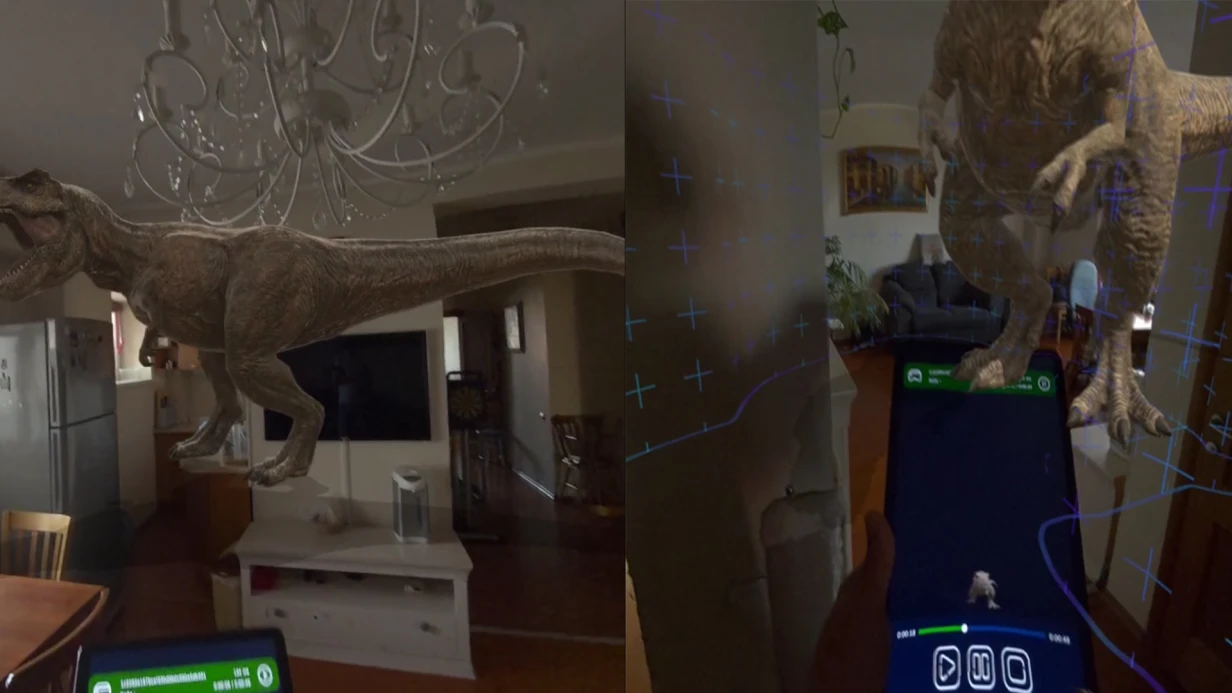
AR marketing turns an ordinary smartphone into a brand interaction tool. A potential client can "try on" a product, see it in their own space, or get an interactive story about the company — such impressions are memorable and make people want to share them. This is not entertainment but a working mechanism for increasing conversion and loyalty.
While competitors adopt AR solutions, companies that postpone this step lose competitiveness. Audiences get used to a new level of service and expect it from every brand.
If a product can be evaluated in augmented reality at a competitor and at your company only in a picture, the choice is obvious.
Implementing AR is not an experiment for hype but a strategic move that affects revenue. According to our data, first projects pay off within a few months due to increased engagement and repeat inquiries.
We help businesses go through this path without risk: from auditing current campaigns to launching AR mechanics that deliver measurable results.
What Augmented Reality Brings to the Events Industry
Traditional formats — talks, banners, photo zones — often lose the battle for guests' attention. Augmented reality turns the participant into an active player, and for the organizer it becomes a tool for measurable marketing.
Based on dozens of projects, we have identified the main benefits of AR for events — from impressions to lead generation.
- Impressions and guest engagement. AR mechanics create an emotional surge: the guest acts together with the brand instead of just watching. Such moments are memorable and make people want to share them. Engagement grows many times over compared to classic activities.
- Reach and social media. AR touchpoints trigger photos and videos, which guests post on social media. The brand gets free reach after the event. Each active participant brings several additional mentions.
- Brand awareness. An AR scenario can be easily integrated into the corporate style: logo, character, key product. The integration is remembered better than a regular banner and creates a positive association. The brand becomes part of the guest's personal story.
- Lead generation. AR collects contacts through a game: quest, quiz, promo code. Participants leave their data voluntarily, and requests go into the CRM on the day of the event. The organizer gets a database for future sales.
The experience of our team shows that the result is measured not only by guests' emotions but also by reach, awareness, and the number of leads. That is why AR is becoming a full-fledged event marketing channel rather than just decoration.
AR Marketing Formats for Your Business Goals
When it comes to AR marketing, it's easy to get confused: masks, catalogs, VR tours — which one to choose? The wrong format eats up the budget and yields no results, and time for experiments is limited.
We work with different formats and know which one will work for your task. Below are typical scenarios that cover most business needs: from building awareness to boosting sales.
| Format | For whom | What it gives the client |
|---|---|---|
| AR masks | Brands that want reach and social media mentions | Viral effect: users try on the mask, share photos, the brand gets free advertising and subscriber growth |
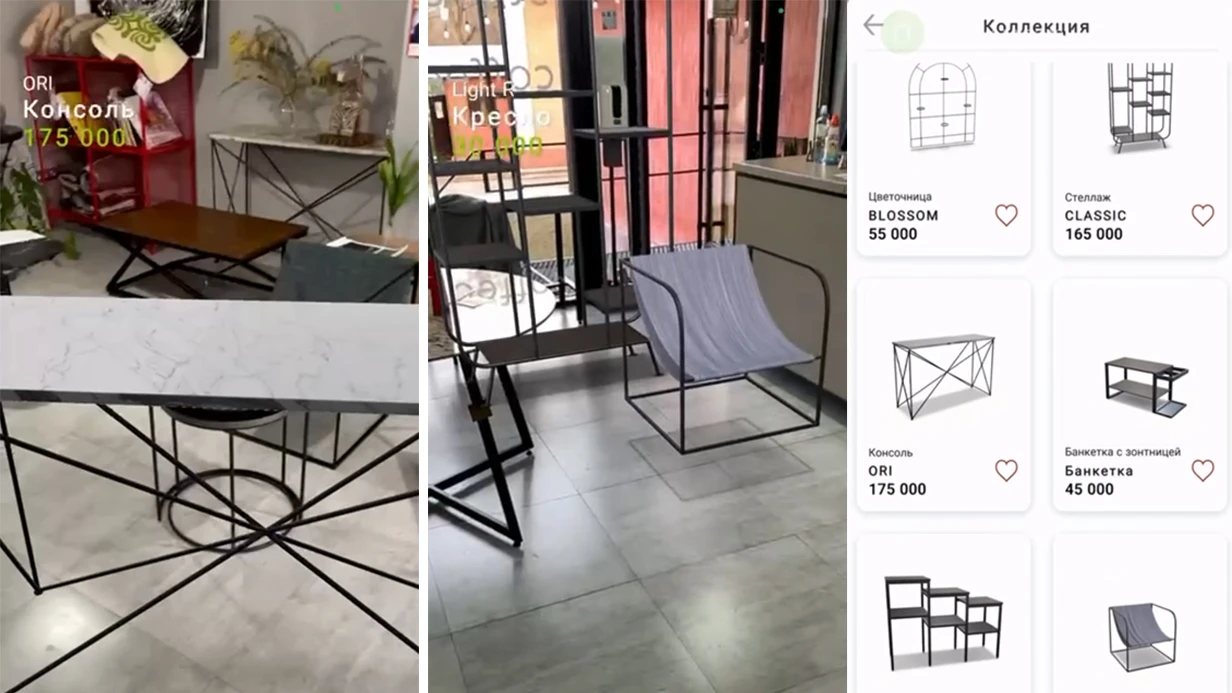
| AR catalogs | Online stores, retail | Conversion growth: the buyer "tries on" the product at home, fewer doubts and returns |
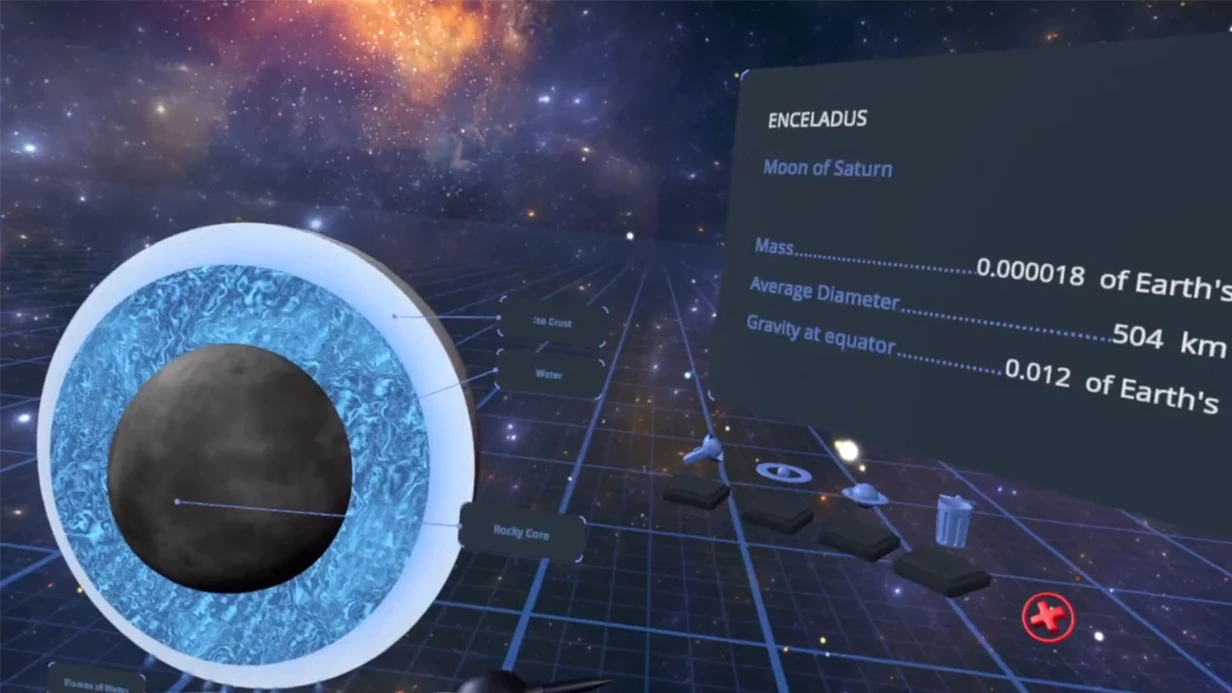
| VR tours | Real estate, tourism, education | Visual clarity: the client sees the property before purchase, saves time on trips, and trusts the brand |
| AR navigation | Shopping malls, museums, events | Easy path to the goal: visitors find what they need faster, stay satisfied, and return again |
We choose the format not by fashion trends but by a specific goal: reach, sales, or engagement. We launch a pilot project, measure the metrics, and only then scale what really works. This way you get a measurable result quickly and without overpaying for unnecessary options.
How We Implement AR Projects: Steps and Timelines
A clear AR marketing implementation process means predictable results and understandable timelines. We break the project into stages, at each of which you see intermediate results and can influence decisions.
This approach removes the risk of "doing the wrong thing" and allows you to launch the campaign on time.
What We Do at Each Stage
-
Brief and immersion in the task. We listen to the brand's goals, who your audience is, and which touchpoints need strengthening. We record expectations so we can later compare actual results with agreements.
-
Audit and strategy. We assess where AR marketing will have the greatest impact: a storefront, exhibition, product packaging, or online catalog. We propose a concept, format, and interaction scenario.
-
Layout approval. We show a prototype: how the user will see the scene, what actions they will take, and what the logic is. You make edits before main development starts — this is faster and cheaper than redoing a finished solution.
-
Development and assembly. We build the AR solution with professional tools and test it on different devices to ensure stable results for most users. We also prepare employee instructions and promotional materials for launch.
-
Testing and launch. We run a pilot with real users or your employees, resolve any issues, and launch the project. You get a working tool with minimal adaptation time.
-
Support and analytics. After launch, we monitor user interaction, measure reach and engagement. Based on the results, we make recommendations on how to strengthen AR marketing further and what to improve in future campaigns.
A typical project takes from two to six weeks — we give the exact timeline after the brief and record it in the plan. We guide you through each stage, so you always know what is happening and when the result will be ready.
What You Get as a Result of Working on the Project
We have prepared a complete delivery package for you that turns an AR marketing idea into a working tool, not just an "app for show." Our team is responsible for the result from the first prototype to regular analytics — you get everything you need to launch and develop the project with your own team.
- Scenario prototypes — several options for interacting with the audience, from which you choose the optimal one before final development.
- Ready application — adapted to your tasks, visitor devices, and touchpoints: at a booth, in a storefront, at an event, or in retail.
- Integration with your systems — connection with CRM, loyalty programs, or external services so that data works for your business.
- Analytics and reporting — clear metrics: reach, engagement, conversion, repeat inquiries. You see which scenario pays off and which one should be adjusted.
- Staff training — your employees independently launch, update, and change content without developers.
- Turnkey setup and support — we stay in touch after launch: we monitor stability, refine scenarios, and help scale the project to new venues.
This package covers all key concerns: you get not an abstract technology but a measurable marketing tool with a clear action plan, a trained team, and a contractor responsible for the result. All that remains is to launch the campaign and collect the first data.
Case Study: How We Boosted Engagement at an Event
What Happened
The organizer of a major industry forum approached us with a challenge: guests walked through the exhibition in 15 minutes without stopping at the booths. Classic promo zones lost up to 70% of the traffic — people walked past without leaving their contact details.
We proposed an AR quest based on the event's branded app: at each booth, a virtual character "came to life" and gave a task. For completing it, participants received points and a prize at the end.
For the client, this became a way to direct traffic along a route, and for guests, a reason to consciously visit all the points.
Results in Numbers
Over two event days, the average time of brand contact grew from 1.5 to 12 minutes. 84% of guests completed the quest, and the number of requests left at the booths tripled compared to the previous forum without AR.
The organizer received complete statistics on visitor interests — which booths attracted more attention, which task formats turned out to be the most engaging.
This data became the basis for planning the next season, and the client has already signed a contract with us for a new project.
Client Testimonial
"We expected an increase in engagement, but we didn't think AR would fit so naturally into the event's logic.
Guests didn't just walk by — they returned to the booths, brought colleagues, and shared photos on social media." They placed a repeat order a month after the event — without lengthy approvals, because the numbers spoke for themselves.
This approach works not only for forums: we adapt the mechanics for exhibitions, conferences, business breakfasts, and premium private parties. If you want guests not just to be present but to actively participate — start with a short audit of your venue.
How to Choose an Augmented Reality Format for Your Task?
Choosing an augmented reality format starts not with technology but with the business task. A campaign for raising awareness, a virtual product try-on, or an entertainment zone at an event requires different approaches and different levels of engagement.
There is no universal solution, and that's normal — the main thing is to understand what exactly your customers' smartphone camera should do: increase the average order value, collect contacts, or surprise event guests.
The second criterion is the audience and scenario. If users are scrolling through social media feeds, a lightweight format that opens via a regular link or QR code works well: here it's important to quickly show the effect and let people share the result.
At an exhibition or in a store, where a visitor has little time, interactive masks, storefront anchoring, or marker zones work better — they create a vivid impression without installing apps and don't scare people away with technical complexity.
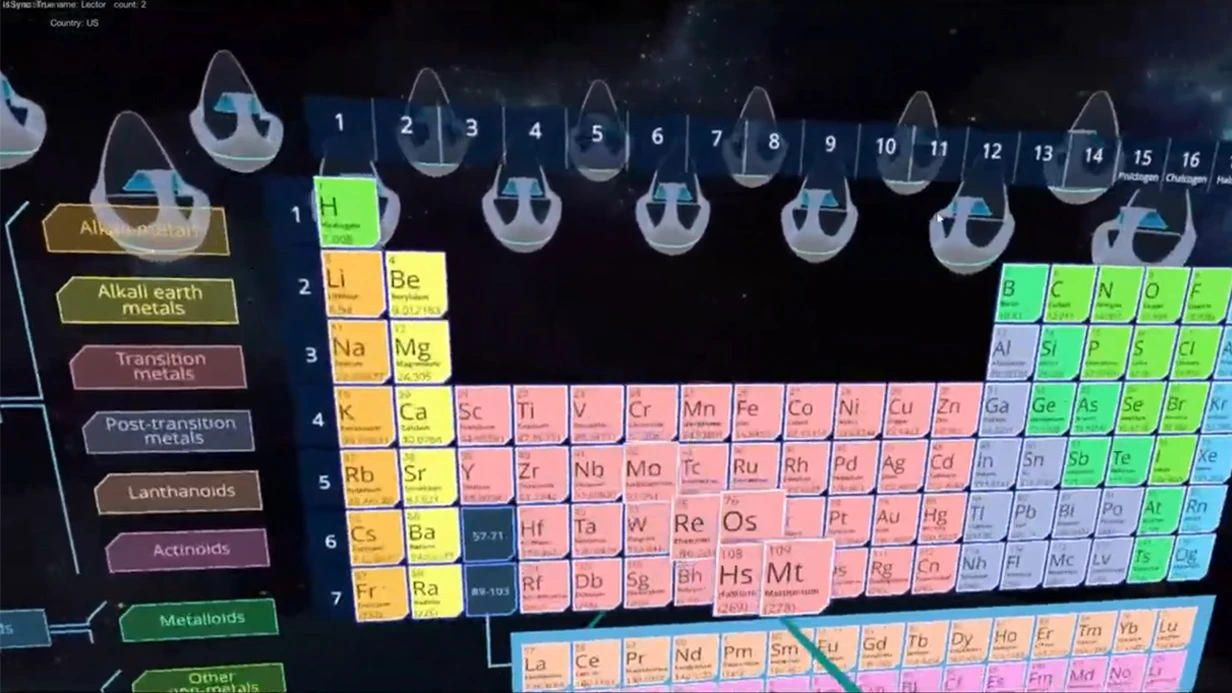
The third point is specific industry requirements. Real estate needs detailed visualization of floor plans, furniture business needs accurate scale try-on and anchoring to the room's geometry, and education needs step-by-step instructions overlaid on real objects.
These nuances influence the choice of format more than fashion trends: the same technical tool can solve a problem, but the result will be different if you don't take industry specifics into account.
We help make the choice well-founded. We audit your task and audience, compare formats by timeline, implementation cost, and ease of use for the end user, and then offer a solution that delivers measurable results.
You get not "technology for technology's sake" but a working tool that saves budget and pays off quickly.
If you are not sure where to start, begin with a consultation. In one short conversation, we will determine which AR marketing format will cover your task with minimal risks and maximum impact for your clients.
Frequently Asked Questions About Implementing AR Solutions
We hear the same doubts: "What if AR marketing doesn't work?", "What if the technology fails in the middle of an event?", "How safe is this for our brand?" That's normal — new things always raise questions, so we answer the main ones before you make a decision.
Below are honest answers based on ten years of implementation experience. No technical details you don't need, and no promises we can't keep.
What if AR marketing doesn't deliver the expected result?
We don't abandon the project after launch. Every campaign starts with an audit and a test scenario, and after launch we track key metrics: number of engagements, interaction time, repeat visits. If we see that something is going wrong, we make adjustments on the fly — that's part of our job.
Before launch, we always agree on success criteria with you. That's why the result is measured not by abstract numbers but by the indicators that matter specifically to you: reach, awareness growth, customer return. We reduce the risk of failure at the scenario development stage.
What if the technology breaks down in the middle of an event?
Any technology can fail, so we design the system with a safety margin and backup channels. At major events, our engineer is on site and fully controls the equipment. If a problem arises, we solve it on the spot rather than waiting for "later."
That's why every project includes support for the duration of the event. You are not left alone with a problem — we are always in touch and ready to react quickly. This rule works for both one-time promotions and long-term campaigns.
How safe is it to use AR for our brand?
Safety is not only physical protection but also reputational. We use only proven platforms that have already been tested on thousands of users. Before launch, all content goes through internal moderation to eliminate technical errors and incorrect rendering.
Your data and user data remain confidential. We do not share it with third parties or use it for other purposes.
The entire audit and implementation process is described transparently, so you always understand what is happening with your campaign, and most importantly, you have full control over it.
If you still have a question we haven't answered, just write to us. We'll let you know whether AR suits your task and help you estimate the approximate result before the project even starts.Leave a Request for a Free Audit of Your Project
Don't know where to start with AR marketing and afraid to invest in a technology that won't pay off? That's normal — most business owners face the same problem.
We offer a free audit of your project: you'll get a clear answer about which AR tools will deliver quick results and which ones you should avoid.
The audit is conducted by our consultant with 10 years of experience implementing AR projects. We don't sell "hot air"; we show how AR marketing fits into your sales funnel and what it will bring specifically to your business. All free and without obligations.
What the audit includes:
- Assessment of your target audience and brand touchpoints.
- Analysis of AR solutions that competitors are already using and identification of your advantages.
- Review of several AR usage scenarios in your niche — from storefront to product packaging.
- Recommendations on implementation options: ready-made platforms, custom development, or a hybrid.
- Calculation of approximate payback and timeline for launching a pilot project.
- A clear implementation plan with stages and areas of responsibility.
After the audit, you'll receive a document with findings and a personal consultation — we'll discuss the results and answer all questions. This is not a "buy from us" presentation but an honest expert assessment.
Leave a request on the website — we'll contact you within one business day and schedule a convenient time for the audit. No hidden conditions: you pay nothing and are under no obligation.