

Without Architectural 3D Visualization for Investors, the Project Won't Sell
An investor makes a decision in a matter of minutes, and at that moment it's not numbers and blueprints that decide — it's the picture of the future.
Plans, facades, and cost estimates talk about the project but don't show it — the investor can't see what the building will look like, what the lighting will be, what materials and atmosphere await.
Without clear 3D visualization, the project remains an abstraction, and an abstraction is always associated with risk and uncertainty.
That's exactly why most presentations don't sell: the client or financial partner looks at a diagram and tries to build in their head what hasn't been built yet. That requires imagination and trust, and in investing, trust is earned through concrete details.
Architectural 3D visualization removes this barrier — it shows the building as it will actually look — and turns a "project on paper" into a tangible asset.
For real estate sales, this means faster deals and fewer objections. The investor doesn't need to imagine anything: they see entrance lobbies, panoramic views, landscaping, and interior spaces.
Such a project is easy to compare with existing properties on the market, which makes it easy to justify its value and potential. Where there is visual clarity, confidence appears, and confidence directly affects the speed of decision-making.
A 3D presentation works even before construction begins — as a foundation for negotiations, brochures, and investment proposals. You show not a blueprint but the result the client or partner will receive. This makes your project stand out against competitors who still bring flat floor plans to meetings.
What Implementing VR/AR Solutions Gives the Client
An investor makes a financing decision based on numbers, blueprints, and renders, but often cannot picture how the future building will look in reality — how light will fall, what the number of floors will be, how the project will fit into the surrounding development.
It is at this stage that doubts arise, approvals drag on, and sometimes a deal falls through due to "uncertainty" about the concept.
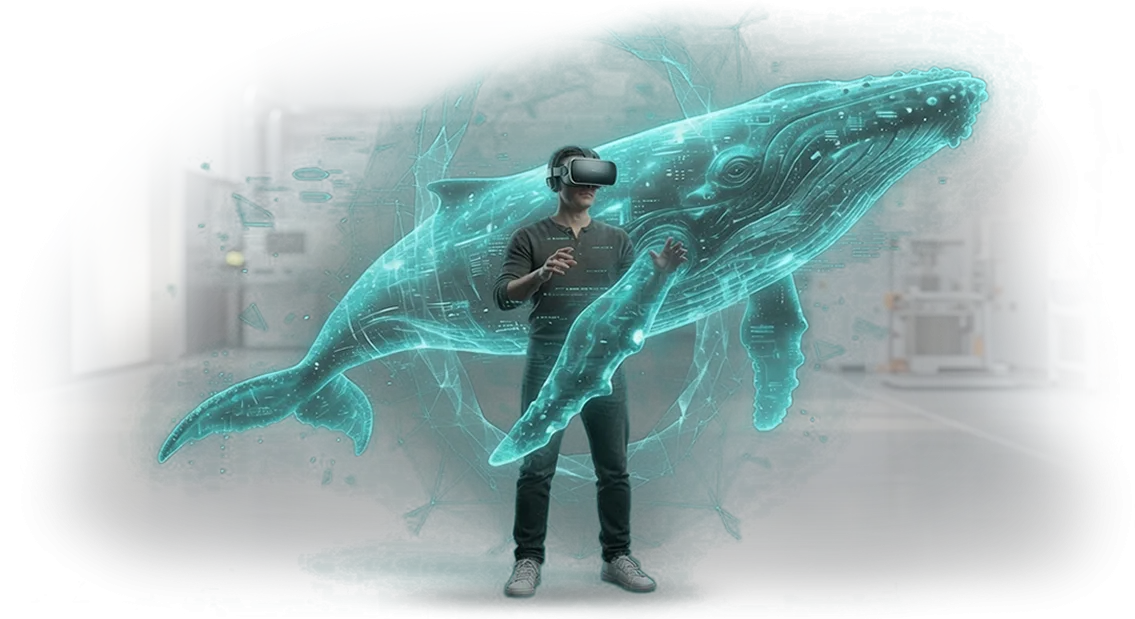
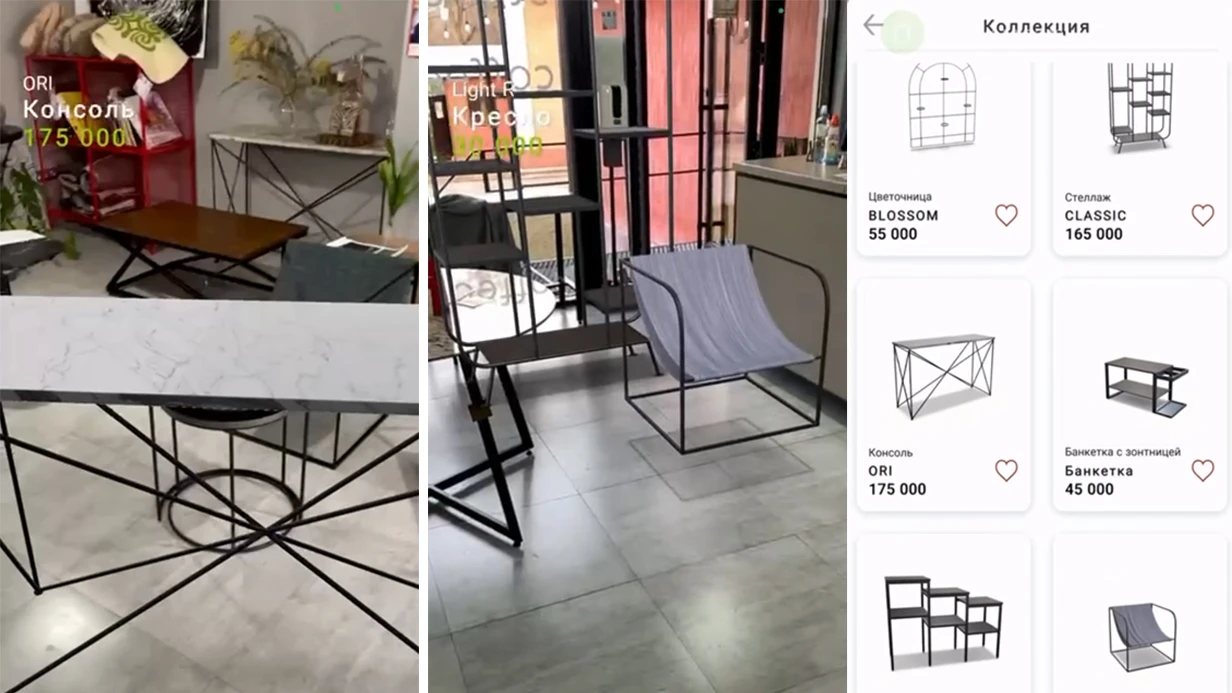
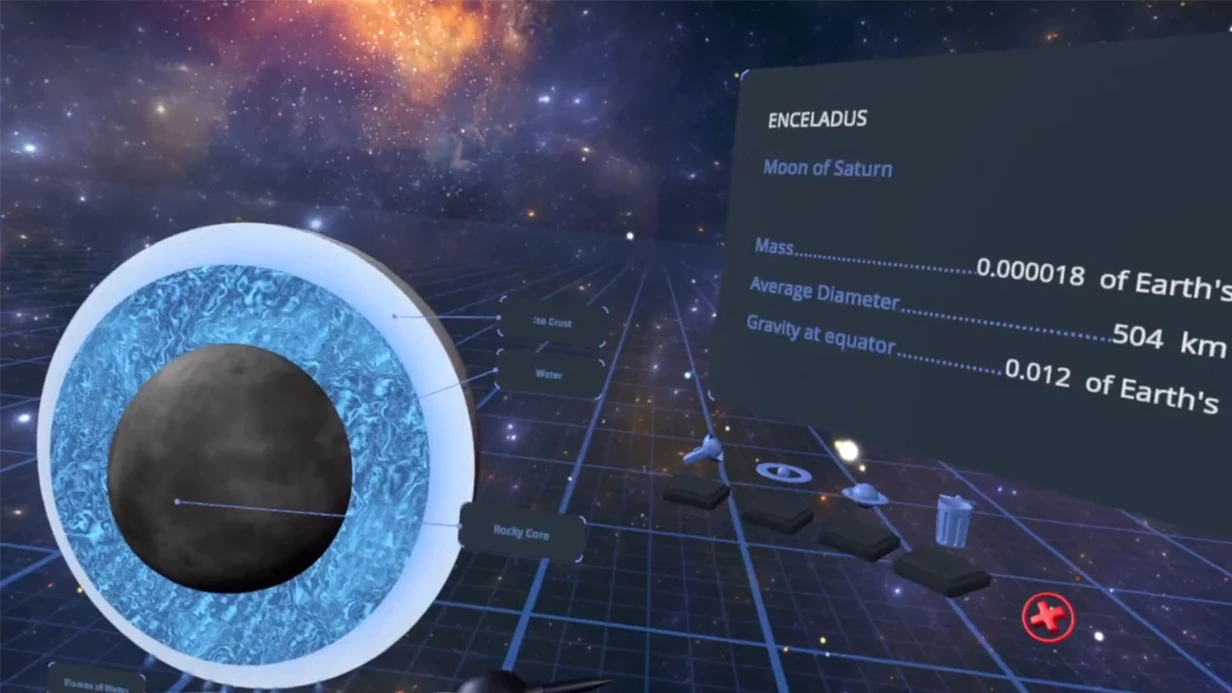
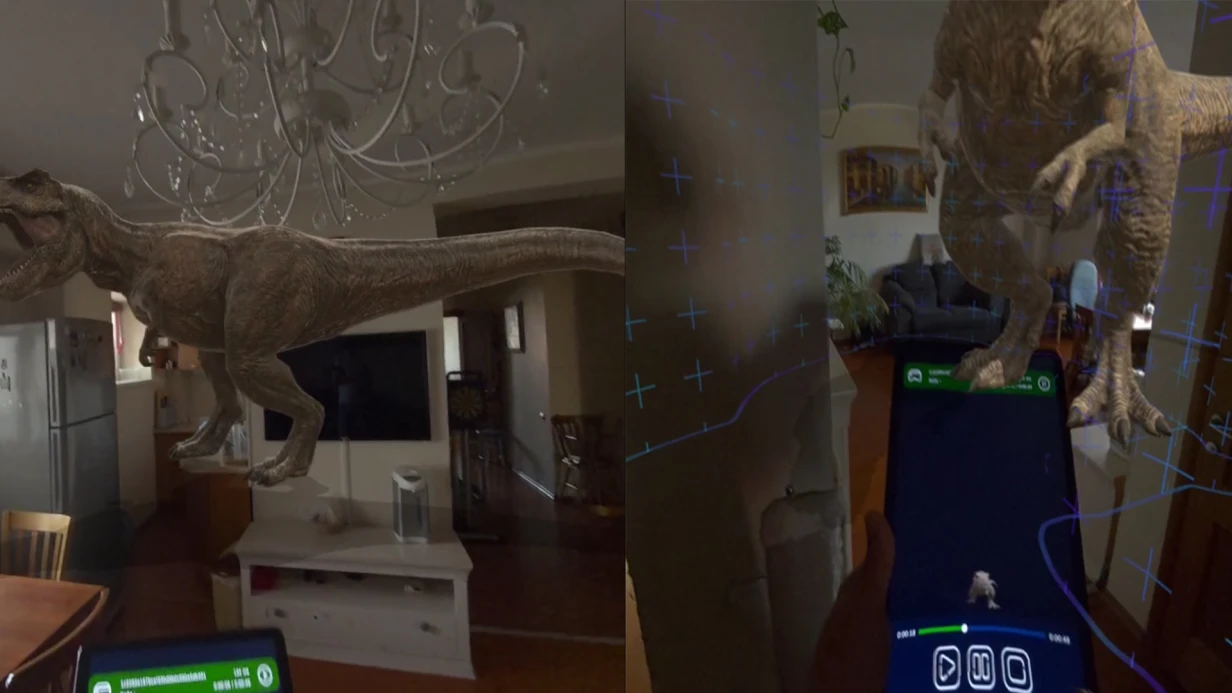
VR and AR remove this obstacle: the future building is shown to scale, with the ability to "walk" through floors, look into apartments and offices, change finishes, and even see the views from the windows — all before construction begins.
Visual clarity directly impacts trust. When an investor sees the layout, lighting, materials, and window views in full volume, they make a decision faster and with fewer objections.
Based on our clients' experience, after such presentations the approval process happens several times faster, and most questions are resolved at the very first meeting. The investor also feels more confident because they understand exactly what they are getting for their money.
Implementing VR/AR also delivers operational benefits: sales managers can present properties remotely, without organizing site visits. This expands the investor geography, reduces the time needed to prepare a proposal, and makes the discussion process more engaging and memorable.
This approach is especially valued when selling properties under construction and when working with foreign investors who cannot visit the construction site.
We will help you embed these technologies into your existing processes: we'll audit your current materials, select presentation scenarios tailored to your audience, and set up regular use — from one-time demonstrations to a full sales cycle.
We work with professional equipment and refined tools so you get a stable, reliable result rather than a one-off image. In the end, the developer gets a tool that increases investor trust, speeds up decision-making, and makes presentations truly persuasive.
Presentation Formats for Your Task
An investor makes a decision faster when they see the future building rather than blueprints.
The presentation format determines how deeply they engage with the project: it's one thing to flip through renders, another to walk through the corridors of a building that doesn't exist yet or to see it on the actual plot through a smartphone screen.
We match the format to the task — a compact AR overview is enough for a short meeting, while a complex architectural solution requires a VR tour with fully detailed spaces. Below are the basic options that cover most investor presentations.
| Format | Who It's For | What It Gives the Client |
|---|---|---|
| VR tour | Investors who want to "walk through" the property before construction begins | Full immersion, emotional engagement, quick assessment of layouts and scale |
| AR application | Presentations at the site, at an exhibition, or at a personal meeting | Clear positioning of the building on the land, understanding of location and scale without a construction site |
| Interactive 3D scene | Detailed examination of facades, floors, and materials | Ability to change parameters in real time, view the building from different angles |
As part of our consulting service, we analyze your task and audience, then recommend the optimal format — standalone or in combination. Often the best result comes from a combination: a VR tour for key negotiations and an AR version for investor mailings.
This way the presentation remains persuasive at every stage — from the first email to the signing of the agreement.
How the Project Works: From Brief to Launch
For an investor, the decisive factor is the visual clarity of the future building. The more accurately the 3D visualization conveys the architecture, lighting, and materials, the higher the trust in the project and the fewer unnecessary questions at the approval stage.
That's why we structure the process so you maintain control at every step and always know what's happening.
Below are the typical project stages. All we need from you is feedback: technical expertise, coordination, and material preparation are fully handled by us.
-
Brief and task immersion. We analyze the presentation goals, audience, and key architectural decisions. You receive a clear estimate of the scope of work, timeline, and deliverable format.
-
Source data audit and visualization plan. We review the blueprints, references, and 3D models. Together we define the angles and scenarios that will highlight the property's key advantages for the investor.
-
Concept and draft frames. We develop the styling, lighting, and atmosphere. You see the direction before final rendering — this saves time and allows you to adjust course if needed without losing the budget.
-
Approval and revisions. We deliver interim materials, and you provide feedback in a convenient format. We record the changes and implement them promptly without delaying the overall schedule.
-
Finalization and version preparation. We compile the final images and interactive materials in formats suitable for investor meetings, online presentations, or exhibition stands.
-
Launch and support. We deliver the complete package, provide consultation during demonstrations, and stay available for quick revisions after the first presentations. If the visualization needs to be adapted to a new format — we'll do it without lengthy approval processes.
This workflow makes the project transparent: you know in advance when you'll receive the result, how many stages lie ahead, and what will remain after the work is delivered.
What's Included in the Solution Package
Everyone who orders 3D visualization for investors fears one thing: getting a pretty picture that nobody knows how to present and nothing can update. That's why we deliver not just an application but a working tool that is embedded in your negotiations and sales from day one.
The package is assembled so your team works independently, without constantly coming back to us for minor issues.
Here's what you get:
-
Adapted 3D models of the property — precisely based on your blueprints and layouts, so the investor sees real proportions and materials, not generic placeholders.
The models are pre-configured for lighting and surroundings — a "premium project" effect without extra post-processing.
-
Ready-made demonstration scenarios — well-thought-out routes: from a bird's-eye view to a walk through key rooms. You choose the scenario for each stage of negotiations: a quick 3-minute overview or a detailed 20-minute presentation. No improvisation — only a meticulously planned presentation logic.
-
Clear instructions for your staff — short, with visuals and checklists. A manager opens the guide and in 10 minutes is ready to present the project to an investor, even if they've never used VR equipment before.
-
Team training — hands-on sessions on your devices and your properties.
We work through real scenarios like "the investor asked a tricky question" or "we need to switch floors quickly." After training, your staff confidently conduct presentations without our involvement.
-
Complete documentation for operation and updates — what to do if you need to replace finishes, add a floor, or change the layout. The steps are documented, and some changes you can make with your own specialist, without an expensive contractor request.
-
Project source files — all materials remain yours. You're not locked into us as the only vendor and can develop the solution with any team or in-house resources.
-
Warranty support during implementation — in the first weeks we're on call, helping with setup, launching on specific devices, and adapting to the specifics of your meeting rooms or exhibition stands.
In the end, you're not buying a "picture for a presentation" but a complete demonstration process that saves your managers hours and increases persuasiveness at meetings. We deliver everything turnkey — from models to trained staff.
Case Study: How We Convinced Investors to Finance a Project
Situation
An investor makes a financing decision under conditions of risk: they don't see the result, only promises on paper.
Blueprints and cost estimates don't show how the building will look on the plot, what views will open from there, or whether the space will be comfortable for future residents. It's questions like these that drag negotiations out for months.
We close this gap with interactive 3D visualization. For the residential complex "Southern Shore", we created a model where you can walk through the courtyards, enter the entrance hall, view the layouts, and assess the quality of light.
The investor didn't have to read the project documentation — they put on a VR headset and personally strolled through the future building.
No on-screen presentation provides that kind of realism, so the main objection — "but what will it look like in reality?" — disappears on its own.
Result
The financing agreement was reached in two working meetings. The investor called the visualization the decisive argument and asked to include it in the documentation package for the partner bank.
The deal closed in a month instead of the usual three, and the investor rewrote the risk section in their presentation for partners.
Six months later, the developer came back: the same model was needed for apartment sales and for coordinating work with contractors. We updated the layouts and added seasonal landscaping — so a single project brought not only financing but also an ongoing partnership.
How to Choose the Right Presentation Format?
Every project sells differently, and the familiar "picture on a page" doesn't always get the job done. Choosing a format starts not with technology but with a question: who is sitting across from you and what decision should they make after the presentation?
An investor evaluating an investment opportunity needs persuasiveness and speed of understanding. They don't need to decipher blueprints — they need to see the future building as if it were already built.
That's why static 3D visualization with quality lighting and materials is often sufficient — it gives the complete picture without unnecessary questions.
It's a completely different matter when presenting to a partner or a government commission. Details matter here: layout solutions, space usage scenarios, technical nuances.
In this case, the format must allow pausing on specific nodes, zooming into fragments, changing parameters, and showing the building from multiple angles. An interactive 3D scene or virtual tour gives the viewer the role of an explorer rather than a passive observer.
The third scenario is selling an unbuilt property to end buyers. Here, emotion and the sense of presence take center stage. The buyer needs to walk through the apartment, evaluate the view from the window, and feel the scale of the space.
Virtual reality format fully immerses a person in the future building — this dramatically increases engagement and the desire to make a down payment.
The key selection criterion is what the audience should do after viewing: approve, authorize, or buy. Plus two practical constraints: urgency and the audience's readiness to use technology.
If a decision is needed within a week and the viewers are far from tech-savvy — we choose the simplest format. If there's a long deal cycle ahead and you can invite people to a showroom — we use deeper immersive formats.
Our goal is not to sell you the "heaviest" format but to find the one that solves your task with minimum cost and maximum results. We'll analyze your situation, look at your audience and deal stage, and propose a format that will definitely be appropriate.
Professional equipment and refined tools allow us to do this quickly — and you get a working presentation tool, not just a pretty picture.
Frequently Asked Questions and Client Concerns
Before ordering architectural 3D visualization for investors, clients have similar questions. The biggest concerns are guarantees of the result, meeting deadlines, and how the visualization will fit into existing processes.
We've compiled answers to the main doubts — so you understand how we work and what you can count on.
What guarantees are there that the result will appeal to investors?
We start with a technical brief where we record the goals, style, and key focal points. At each stage we show interim versions — so you provide feedback in time rather than receiving an unexpected result at the end. The contract specifies compliance with the agreed technical brief, so the outcome is predictable.
Will you meet the deadlines?
The timeline is fixed in the contract, and we are responsible for meeting it. Each stage has clear control checkpoints, and our refined process allows us to deliver on time even under a tight schedule. We provide the exact date after a short analysis of your task — usually within one business day.
How will integration with our materials work?
We work with your blueprints, sketches, photographs, or existing 3D models of buildings. At the start, we agree on the format and method of data transfer — a shared cloud, email, or your corporate system.
You receive finished visualizations that can be used immediately in presentations, reports, and investor mailings.
What if revisions are needed after completion?
The package includes several rounds of changes: you adjust angles, lighting, and the composition of objects. After delivery, we stay in touch and help you use the visualization correctly.
If your project evolves and requires new angles — we'll offer to update specific frames on special terms.
How is confidentiality ensured?
We sign a non-disclosure agreement before work begins. All materials are stored on secure servers, with access limited to a narrow circle of specialists. Your data is not shared with third parties and is not published without your permission.
If you have any other questions — ask us directly, and we'll explain in detail how work on your project will proceed.Shall We Discuss Your Project? Leave a Request
For an investor to say "yes," they need to see the future building — its volumes, light, materials, and spatial logic.
Ordinary renders and blueprints don't create a sense of presence, while VR/AR/MR visualization allows you to "walk through" a building that hasn't been constructed yet and make a decision faster.
But before investing in the technology, it's important to understand which format suits your specific projects and how it will pay off.
We'll conduct a consultation and audit of your current materials: we'll analyze what already works, where investor interest is lost, and which visualization scenarios will deliver the maximum effect.
You'll leave with a clear implementation plan — without unnecessary options and with step-by-step priorities.
What You Get by Leaving a Request
- Express consultation — we'll analyze your task and advise which solutions will genuinely increase investor trust.
- Audit of your current visualization — we'll review your materials and honestly tell you what to strengthen and what to replace.
- Implementation plan tailored to your project — a step-by-step roadmap: from a pilot format to a full-scale showroom.
- Resource estimate — how much time and team effort each stage will require, so you can plan the budget.
- Examples from our practice — we'll show similar cases for developers and architectural firms.
- Format recommendations — a VR showroom, AR overlay at the construction site, or an MR presentation in the meeting room: we'll find what works for you.
Leave a request — within one business day we'll get in touch, clarify the details, and prepare a personalized proposal for the consultation and audit. There's no obligation, but you'll know exactly where to start with implementation and what result to expect.
Translate the above into English. Preserve structure exactly.