

Implementing a VR Guide: Are Clients Leaving? Time to Change Approach
Visitors come, wander around the hall or website, lose the thread of the story — and quietly leave. Without engaging guidance, an exhibition, showroom, or trade show booth turns into white noise: people don't remember details, don't feel involved, and are unlikely to return.
Meanwhile, competitors have long been using digital tools to hold attention and turn a one-time visit into ongoing contact with the brand.
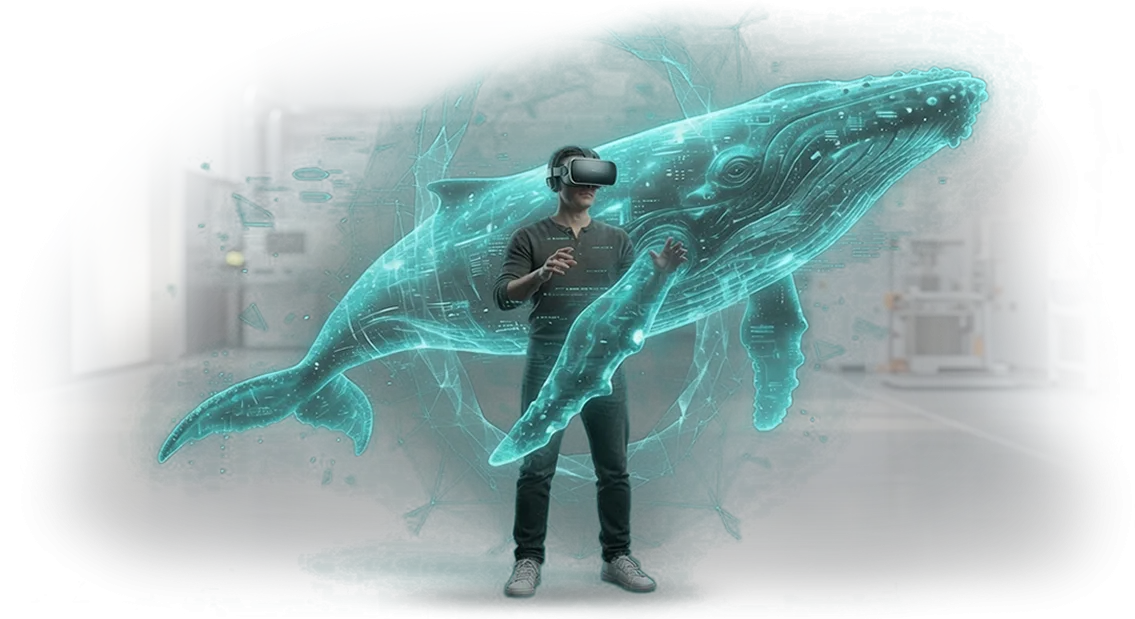
A VR guide for business changes this scenario. Instead of boring text on signs or a generic tour, there is a living story the visitor experiences themselves. They choose where to look, at what pace to move, and what to examine in more detail.
An interactive guide doesn't just entertain; it keeps a person in the brand's space two to three times longer — which means you get more time for dialogue, selling, or building loyalty.
Implementing VR is not a tribute to fashion but a practical tool for business digitalization.
It takes the load off live staff, makes the presentation equally vivid for every guest, and creates a reason to come back: “I haven't seen everything yet.” Customer retention is built on impressions, and a VR guide delivers exactly the kind of impression people tell their friends about.
We help you implement a VR guide tailored to your needs: from the first brief to launch and team training. You get not “technology for technology's sake” but a measurable result: more time at the booth, more repeat visits, more real responses from the audience.
All that's left is to take the first step — and your venue will speak to the client in their language.
Why Interactive Solutions Pay Off
An interactive guide is not just a trendy technology but a tool with measurable business impact. Its benefits are clear: active visitor participation, more orders, and a modern company image.
Engagement That Holds Attention
Conventional presentations and static booths lose to interactive formats: visitors quickly lose focus.
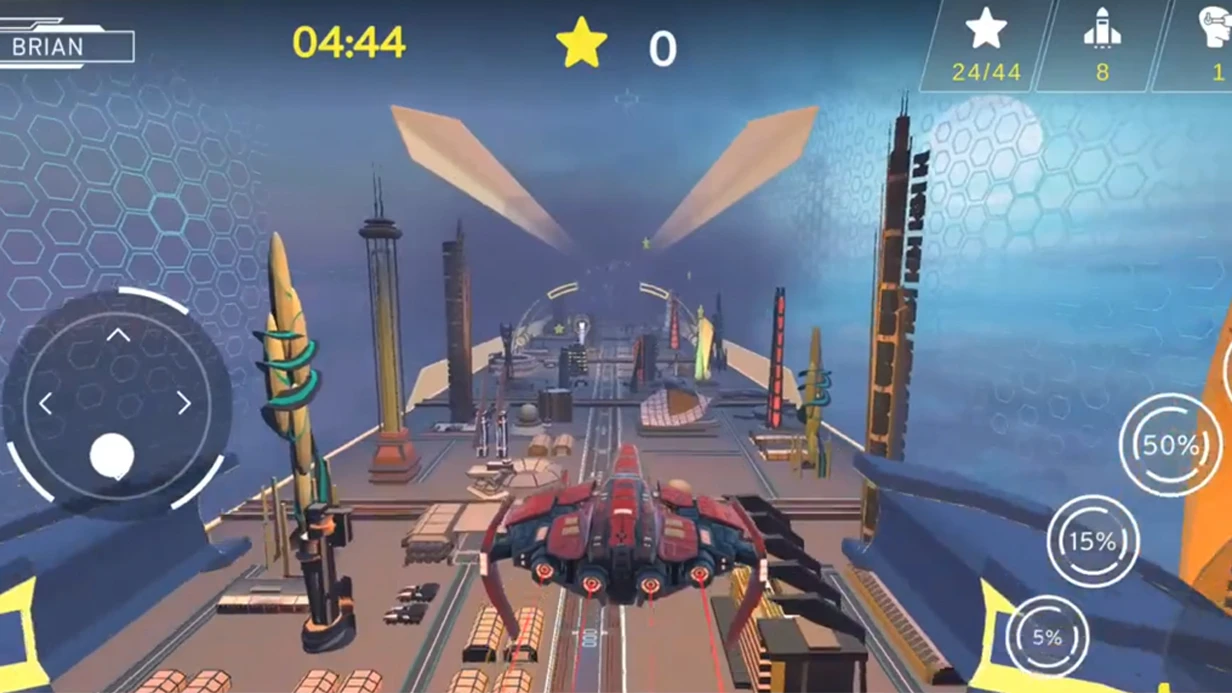
A VR guide gives the person the role of an explorer — they discover details themselves, control the flow of the story, and get experiences that can't simply be read in a brochure.
That's why guests stay two to three times longer, and returning for the next promotion or exhibition becomes a deliberate choice.
Engagement Directly Affects Sales
When a client sees the product in action, it's easier for them to make a decision. An interactive guide highlights benefits, addresses objections, and subtly leads the customer to a purchase.
As a result, the business gets a prepared buyer — meaning higher conversion to orders and a larger average order value without additional discounts.
Interactivity Strengthens Brand Image
A modern format itself shows that the company keeps up with the times. Visitors share their impressions on social media, recommend the experience to friends, and come back on their own. That reputation boosts reach and loyalty and sets the business apart from competitors.
Every VR guide launch is an investment in the long-term perception of the brand as tech-savvy and customer-focused.
VR Guide Formats: Choose the One That Fits Your Task
It's not always clear which VR guide format suits a particular task: sometimes you need a full sense of presence, and sometimes just a simple way to guide a guest through a venue without installing apps.
The speed of launch, audience reach, and the impression a visitor gets all depend on the format you choose.
We've prepared three main options, each using professional equipment and proven tools. All that's left is to pick the one that matches your scenario.
| VR Guide Format | For Whom | What It Gives the Client |
|---|---|---|
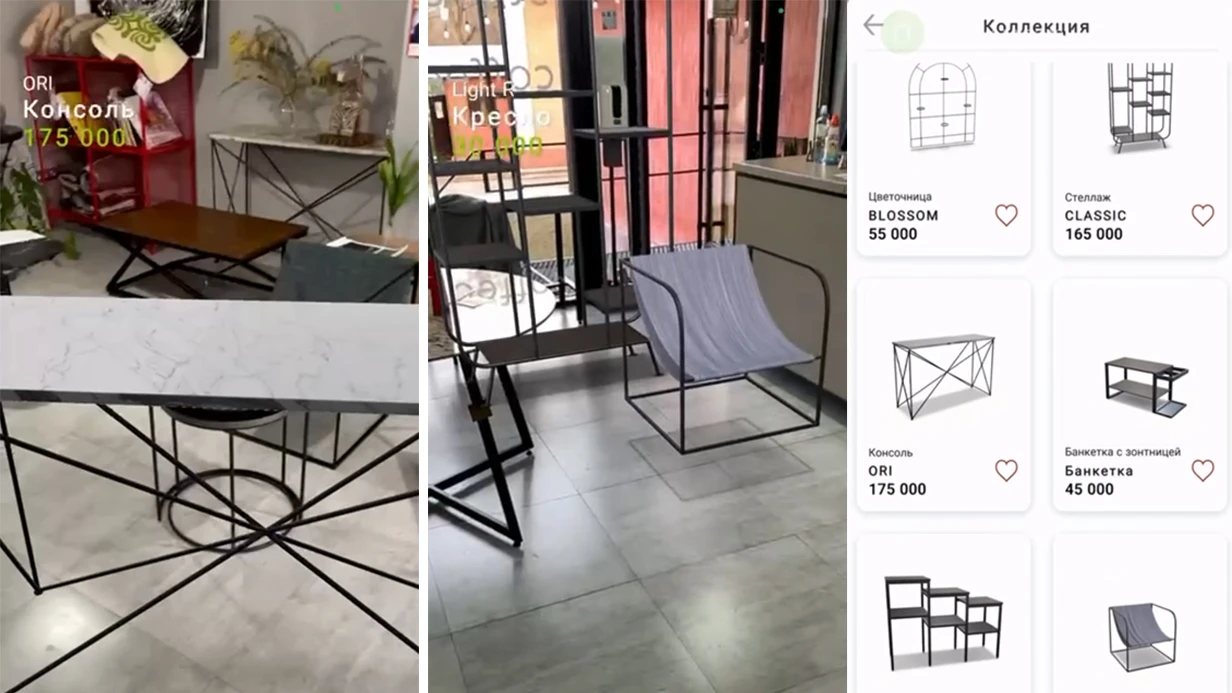
| Virtual tour | Museums, exhibitions, showrooms, real estate properties | Full immersion: guests stay 2-3 times longer, with more time for emotions and photos. |
| Mobile guide | Parks, campuses, factories, historical routes | Visitors choose their own path; the audio guide works directly on the guest's smartphone and requires no equipment. |
| Web version | Websites, social media, email newsletters, press materials | Works without installation, instant access from any device, reaches even those who can't come in person. |
Each format complements the others: for example, you can launch a mobile guide for offline visitors and a web version for remote audiences.
If you're unsure which to choose, start with a short consultation — we'll explain which option solves your specific task faster and how to integrate it into an existing website or tour program.
How a VR Solution Is Implemented
A VR guide implementation happens in stages — so at each step you see what's happening and what result you get. We work on a transparent basis: we record agreements, align on key decisions, and bring no “surprises” close to launch.
- Brief and task audit — we discuss what task the VR guide solves for your clients and visitors. We study your audience, space, and the scenarios where the guide will be used.
- Prototype and scenario review — we show the structure of the future solution, the sequence of steps, and the interaction logic. You see how visitors will follow the route and can make edits before content production begins.
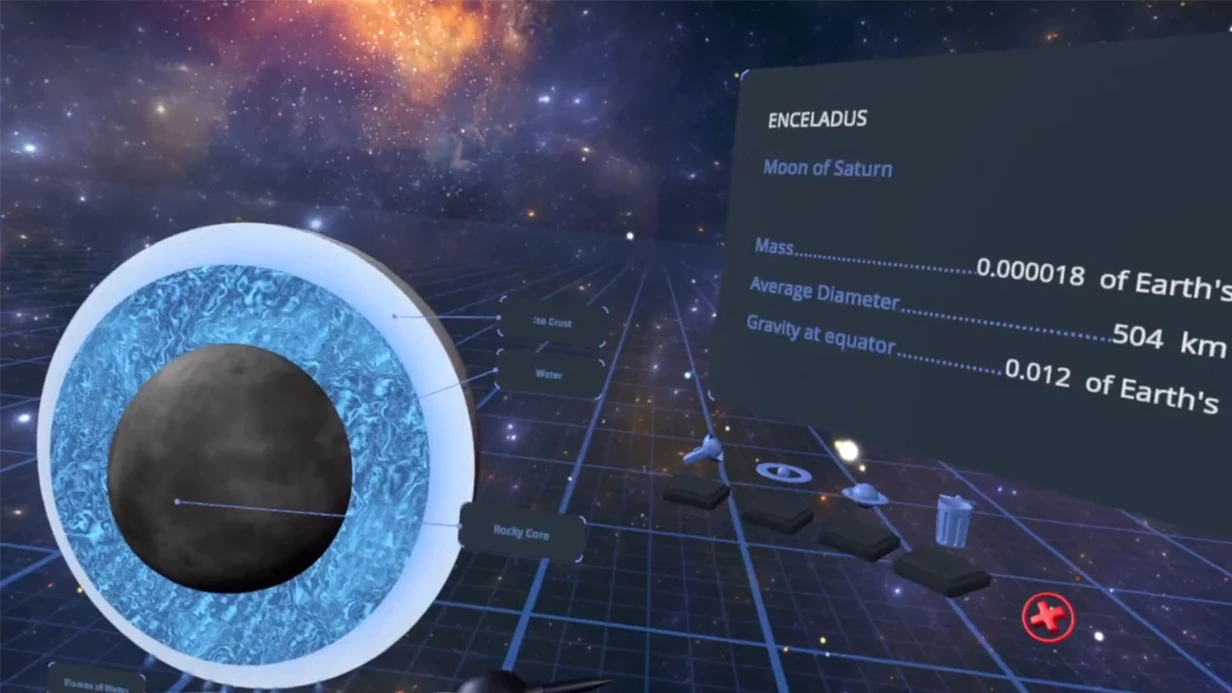
- Content and interface development — we create 3D models, texts, voiceover, and design a user-friendly interface. The result is a working prototype you can test hands-on.
- Testing and refinement — we test the guide on target devices, fix inaccuracies, collect your team's feedback, and fine-tune the solution until it's ready.
- Project launch — we install the VR guide on your equipment, configure it for your space, and train your staff. You get a fully working system with clear instructions.
- Support and development — after launch, we stay in touch: we monitor stability, update content, and help evolve the solution as your needs change.
Thanks to this process, you know the timeline and cost of each stage in advance. And after launch, you're not left alone with the technology: we support the project so the VR guide runs smoothly and benefits your clients every day.
What's Included in the Package
When you order a VR guide, it's important to understand that you're not getting a “raw application” but a ready-to-use business tool. We include everything needed to launch the tour and use it without bringing in developers.
- Ready-made VR application — a compiled version built for your tasks and installed on the equipment. No manual setup: put on the headset and the guide works.
- Scenario and content — tour text, audio narration, and interactive hints. We develop the scenario together with you so guests find it clear and engaging.
- Turnkey equipment — headsets and controllers, if needed. We help you choose the right configuration, purchase, and set up the hardware.
- Staff training — a short briefing for your employees: how to start the system, welcome guests, and handle common situations. A couple of hours and the team works independently.
- Admin panel — a simple interface for managing sessions, viewing visit statistics, and changing texts without a programmer.
- Documentation and instructions — clear guides for staff and guests, plus checklists for daily startup and equipment maintenance.
- Startup support — help during the first sessions, quick troubleshooting, and consultations throughout the first month of operation.
As a result, you don't get a “box” but a working service. The team is trained, the content is adapted to your visitor, and you control the process through a simple panel.
All that's left is to appoint a person in charge and launch the VR guide — the first guest reviews won't be long in coming.
Case Study: How We Doubled Visitor Time
One Moscow museum noticed that guests toured the exhibition in 40 minutes and left. The ticket was sold, but the impression was superficial — few photos, silent social media, and almost no one visited the gift shop.
The question was simple: how do you hold attention and get guests to tell their friends about the museum?
We proposed a VR guide — not an audio tour, but interactive accompaniment that turns every hall into a living story. The visitor puts on a professional HTC VIVE headset, sees hints directly on top of exhibits, and receives a scenario adapted to their own pace. No rush — just immersion in the exhibition.
A month after launch, we measured the metrics. Average time in the museum grew from 40 minutes to 1 hour 40 minutes — more than double. One in three guests stayed longer than two hours, and the share of visitors who returned within six months reached 20%.
The reach was especially pleasing: 65% of visitors posted photos and videos of the VR zone, giving the museum free mentions on social media.
The museum director summed up the implementation like this: “Guests used to rush through the halls; now they come back for the experience and bring friends.
That's clear from the café's cash register and the genuine reviews.” For us, the key result is that the VR guide doesn't work for the sake of technology but delivers real value to the client: loyalty, reach, and additional revenue.
The museum team is now preparing a second exhibition in the same format — we consider a repeat order the best validation of our work.
If you want to test the technology at your venue, start with a small VR zone: we'll show how the guide changes visitor behavior within the first two weeks.
How to Choose a Format for Your Task?
Choosing a VR guide format starts not with technology but with the task you're solving. Before looking at devices, it's important to answer a few simple questions: who is your audience, where are they, and what should they do after experiencing the guide.
These criteria — goal, audience, and scenario — determine whether the guide should work on a smartphone, tablet, or VR headset.
Let's look at examples. If the guide is for exhibition visitors who already have their own devices, it makes sense to choose a format that launches via QR code without extra installations.
If you want to give employees a full-immersion experience, for example during training or a new product presentation, a headset format that creates a sense of presence is a good fit. The criterion here is simple: the user should get the desired result with minimal effort.
Another important criterion is measurability. Think about how you'll know the guide has worked: increased visits to a specific location, the number of tours listened to, or the share of visitors who reached the intended place? A format you can tie to these metrics will be more useful than the most technically impressive one.
We don't sell a ready-made “boxed” template — during the consulting and audit phase, we analyze your scenarios, calculate reach, and propose a solution tailored to your specific task. You get a recommendation that already accounts for your timelines, resources, and user habits.
So even if you “don't know what will work” — that's not a problem: we help you define the selection criteria and choose the format together.
Common Doubts Before Ordering
Before ordering a VR guide, clients usually have three main fears: what if it doesn't work, what if it's complicated, and what if it's unclear what we're paying for.
These concerns make sense: the event can't be moved, guests are already invited, and there's no time to figure out the technology.
That's why we structure our work to take risks on ourselves rather than pass them to the client. Below are honest answers to the questions people ask most before starting.
What if the VR guide doesn't work on the day of the event?
This is the biggest fear, and we address it in the contract. Before launch, we always do a test run at your venue, and a technical specialist attends the event itself to monitor the equipment from start to finish.
If anything goes wrong, we have a backup set; a replacement is delivered within an hour, and the downtime isn't counted toward the cost. In effect, you're not just getting a VR guide — you're getting a guarantee everything will work exactly during the hours when guests arrive.
We don't understand VR. Is it complicated?
No technical knowledge is required on your side. We handle scenario selection, equipment preparation, setup, and launch. Your staff only need to go through a short briefing — it takes no more than an hour, and the whole management process is simple and clear.
After launch, guests interact with the guide themselves: they put on the headset, and the system leads them through the scenario. Your employees don't touch the settings, and if questions come up, our specialist is available during business hours. Essentially, you get a fully working turnkey solution.
How long does implementation take, and how are deadlines set?
For one-off events, the standard cycle is from two weeks: one week for scenario preparation and one week for testing. For permanent exhibitions, it takes a bit longer, but we usually finish within a month. We give the exact timeline after the brief and set it in the contract.
We also specify the budget, scope of work, and the parties' responsibilities there. This means the price won't rise during the process, and dates won't move without your consent. If we miss the deadlines, we pay a penalty — these terms are included in every contract.
What if guests don't like it?
We don't offer a “boxed scenario” — we create a VR guide tailored to your audience, task, and venue. Before launch, we review the scenario with you and make edits until it meets expectations.
In our experience, these formats generate strong engagement: guests share their impressions on social media and return to the booth again. That means you're not just getting technology, but a tool that strengthens the brand impression and increases reach.
Ready to Discuss Your Project? Leave a Request
Have you already thought about implementing a VR guide but aren't entirely sure where to start or what results it will bring? That's normal: every task is unique, and the right use scenario depends on your audience, event format, and business goals.
So the best first step is not to dig into technical details but to discuss your task with a specialist who has already delivered such projects.
Leave a request for a consultation — it's free and non-binding. Within one business day, we'll contact you, clarify the task, and suggest ways a VR guide can help you reach your goals: increase engagement, extend guest dwell time, or create a media opportunity.
Right after you contact us, you'll receive:
- A free initial consultation on implementing a VR guide;
- An assessment of your task and suitable use scenarios;
- An indicative work plan with stages and timelines;
- Examples of projects in your industry — with figures and results;
- Recommendations on format and scope so the launch is fast;
- Clarity on what resources you'll need and how to prepare them;
- A clear next step — even if you're not ready to start yet.
Tell us about your idea, and we'll help turn it into a clear action plan. Fill out the form on this page, message us, or call — we're available and ready to answer your questions.