

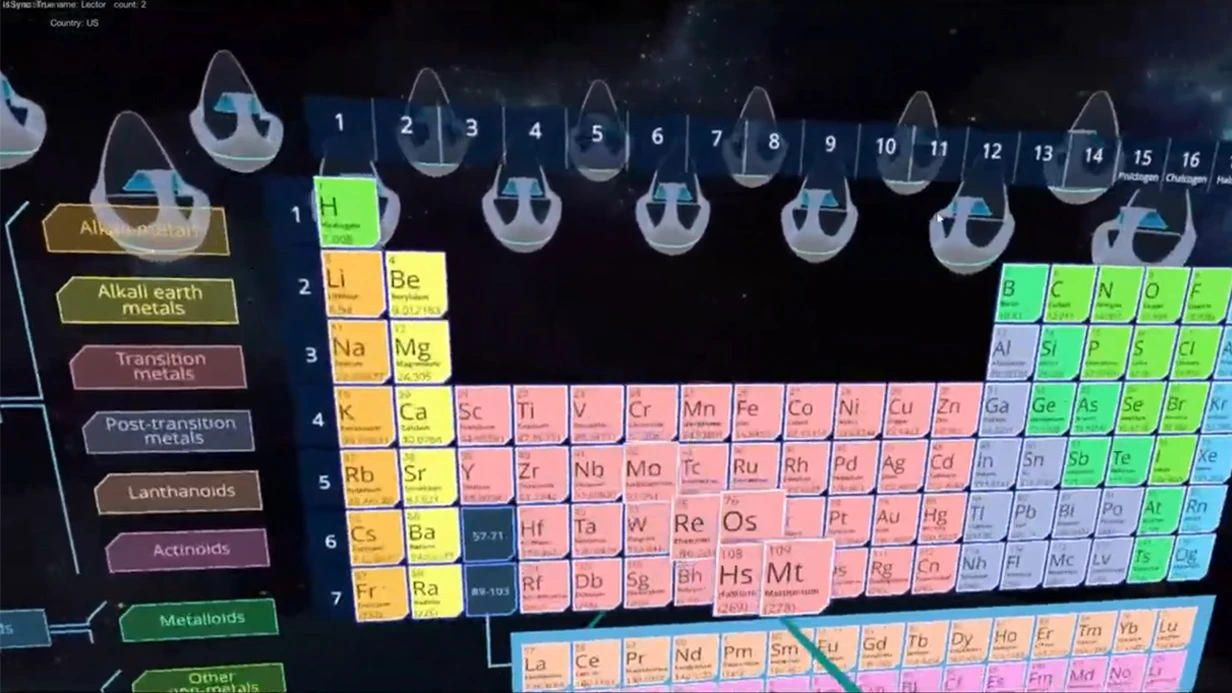
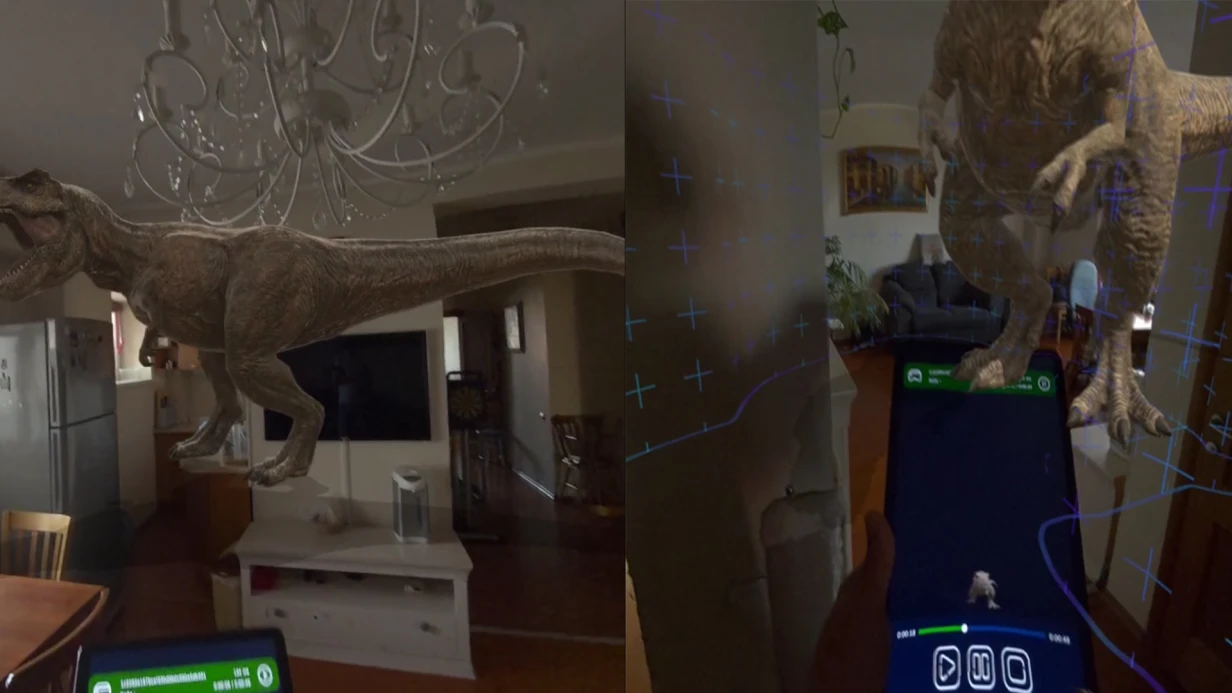
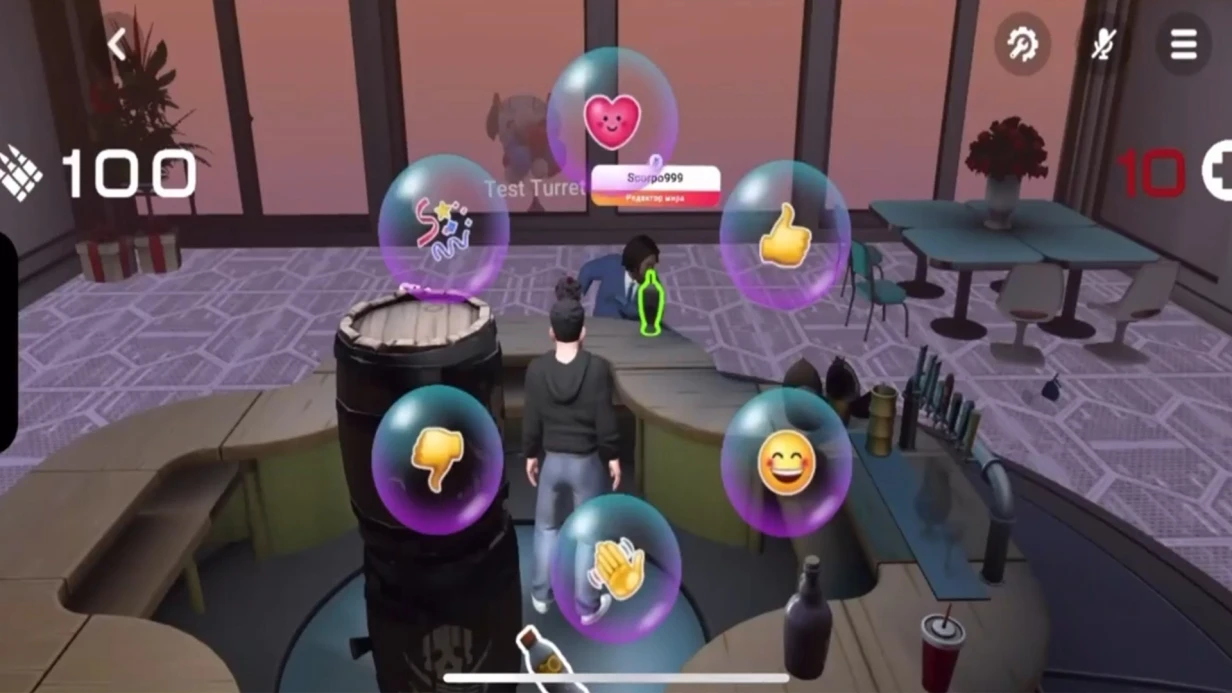
Why do companies lose clients without VR tours?
Today's buyer makes decisions faster than ever. They want to view a property without leaving home — to assess the space, layout, and atmosphere. If you offer only photos and text descriptions, the client goes to whoever provides a virtual tour.
This is not about design, but about value: the faster a person sees the product in detail, the faster they are ready to pay.
Companies without virtual tours lose clients at three levels: at the first-impression stage, during repeat contact, and at the final choice.
A person compares two offers — and chooses the one where they can walk through the property interactively, look into every corner, and understand the scale. Static photos do not convey a sense of presence, which raises doubts and delays the decision.
Online viewing has become the standard expectation in real estate, tourism, education, retail, and exhibitions. Potential clients are used to "living" in digital space and expect to examine a product in as much detail as they would in person.
When this is missing, people spend time traveling to the site — and are often disappointed. For business, this means extra costs for showings and a slower sales cycle.
Interactive content solves the client-attraction challenge immediately and at scale. A virtual tour can be embedded in a website, email campaign, social media, and a QR code on a business card — working as a 24/7 storefront.
While competitors fight for clients with discounts, you provide what matters most at the start: complete information and an honest picture. That is a competitive advantage no single paragraph of text can copy.
We help address this need quickly and without unnecessary costs. We audit your task, select the right virtual tour format, integrate it into your channels, and support the launch.
As a result, your clients see the product in detail before ever visiting, and you receive more leads and trust.
What VR/AR/MR application development brings to business
Implementing VR/AR/MR applications is a working tool for growing sales and loyalty. Our team has been helping businesses achieve measurable results from immersive technologies for 10+ years. Here is a checklist of the benefits you gain after launch:
- Higher engagement. A virtual tour or AR fitting holds attention longer than photos and text. Clients explore the product themselves — and make decisions faster.
- Improved conversion. When buyers have "walked through" a property or "tried on" a product, they hesitate less. Conversion from visit to inquiry grows by tens of percent — especially in real estate, tourism, and retail.
- Brand recognition. An unconventional format triggers emotions, and users share it on social media. Reach grows without an advertising budget.
- Expanded sales geography. A VR tour opens a property to clients in another city or country. You no longer need to bring them to the site — just send a link.
- Time savings for your team. Applications handle property showings and standard consultations. Managers work only with warm leads.
- Standing out from competitors. While others show catalogs, you offer an experience. That is memorable and influences the choice in your favor.
VR, AR, and MR address different tasks, so choosing the right format matters. We can help calculate the economics before development even starts and define expectations in clear metrics.
How to choose the right VR tour format for your task
The choice of VR tour format directly affects reach and engagement. A mistake here means even high-quality content will fail: visitors will not get past the first screen. We select the format based on your task — here is how the main options differ.
| Format | Best for | What it gives the client |
|---|---|---|
| 360 panorama | Broad audience, quick viewing | Fast overview of the space without installing apps, high reach |
| Interactive guide | Visitors who care about details and navigation | Movement between points, object descriptions, routes |
| VR showroom | Product sales and presentations | Full immersion, viewing the product from all angles, sense of presence |
A 360 panorama is a quick overview of the space that requires no app installation. An interactive guide walks visitors through a scenario, revealing details and routes.
A VR showroom creates a sense of presence and allows examining the product from every side — maximum engagement.
For mass awareness, a 360 panorama works best; for training and navigation, an interactive guide; for selling complex products and services, a VR showroom. We can help you set priorities and recommend the optimal format based on your audience and budget.
Either way, you get a tool that works for brand recognition and sales. Contact us to discuss your project — we will offer options and give you an honest recommendation.
Project stages for VR/AR/MR development
We have structured the process so that you always understand what is happening and what result you are getting at each step. No "black box": we document agreements, show intermediate versions, and align key decisions before they affect the budget and timeline.
-
Brief and immersion into the task We define the project goals, target audience, and usage scenario. You fill out a short questionnaire, we interview your team — and you receive a document outlining the scope of work and an approximate cost estimate.
-
Concept and implementation plan We propose 2-3 format options: an overview tour, an interactive training scenario, or a virtual showroom. For each, we show how it solves your business task. After you choose, we lock in the stage plan and timeline.
-
Layout and scenario approval We develop the tour structure, transition logic, and tooltip texts. You see how users will move through the space and what actions they will take. We make edits before development begins — this saves budget.
-
Assembly and content filling We populate the tour with your materials: photos, videos, descriptions, audio guide. In parallel, we build a draft version that can be opened on a computer or in a VR headset. You receive a link for testing and can leave comments directly in the interface.
-
Launch and publication The final version is tested on the target devices of your visitors or employees. We publish the tour on your website, in an app, or on a dedicated page — tailored to your usage scenario.
-
Support and evolution After launch, we update content, fix inaccuracies, and connect analytics if needed: how many people opened the tour, where they stopped, which sections are the most popular. You get data to improve the next version.
At every stage, you know what you will receive and what it costs. If necessary, we add approval steps with your internal legal or brand team — the process does not break down; it adapts to your procedures.
What you get as a result of the development
After development is complete, you receive more than just a VR tour link — a full package for independent use. Below is exactly what is included in the delivery and how each part helps your business.
What is included in the package:
- A ready-to-use application for VR headsets, tablets, and browsers — runs on your team's equipment.
- Tour content: panoramas, 3D models, interactive scenes, captions, and videos.
- Launch and setup instructions — simple, with no technical jargon.
- Source project materials: all panoramas and media files in their original form.
- Staff training materials: presentation script and answers to client questions.
- Warranty on application and content functionality for an agreed period.
The breakdown by project stage helps you see how each delivery component covers the tasks at every step:
| What you receive | Purpose | Business task it solves |
|---|---|---|
| VR tour application | Demonstration in a headset or on screen | Showing properties without on-site visits |
| Content and source files | Updates by your own team | Savings on reshoots and independence |
| Instructions and training | Launch without a contractor | Removing dependency on the developer |
In addition, the entire delivery comes with a warranty: if the application works incorrectly, we fix it within the warranty period. You get a predictable result and confidence that the project will not be "abandoned halfway."
Case study: how an interactive tour boosts sales
Selling complex equipment always comes down to one question: how can a buyer "get a feel" for the product before the deal. Site visits take weeks, and photos and presentations fail to convey scale and detail.
The funnel had inquiries, but conversion was falling — clients were not reaching the decision point.
We proposed an interactive VR tour of their own production facility to a distributor of industrial lines.
The client gained the ability to conduct a tour in 3D format right during negotiations: the buyer "walks" through the workshop, examines the components, and opens technical zones. No business trips, no waiting — the needed information is right in front of them within a minute.
The effect was immediate. In the first month after launch, the number of targeted inquiries grew 2.3 times, and conversion from the first inquiry to a scheduled meeting rose by 40%.
Sales managers stopped spending an hour on explanations — now the conversation starts with specifics, and the client leaves with visual material for internal approval.
Equally important is how the tour affected the entire sales network. Distributors in other cities used it in their presentations — reach and team motivation grew without additional budget.
The head of sales admitted: "The client makes a decision twice as fast because they see the product in action, not just hear about it."
After the first phase, the client came back — expanding the tour to all equipment lines and adding a virtual training module for their service engineers. For us, that is the key signal: when tours deliver measurable commercial results, the project becomes long-term cooperation.
The same scenario can be adapted to your niche — whether you sell real estate, building materials, or medical equipment. An interactive tour shortens the sales cycle and shows managers where to focus in negotiations. Would you like us to calculate what results it could bring you?
How to find the right format for your task?
Choosing a VR tour format is not about picking the "most attractive" option; it is about solving a specific business task. One client needs a sales-oriented tour for a catalog, another needs employee training, and a third needs an interactive zone for an exhibition.
That is why we do not offer one-size-fits-all templates: first, we run a short audit, examining the specifics of your business, audience, and the channel where the solution will be used.
During the consultation, we look at three things: what exactly you want to achieve (higher reach, sales, team time savings), who will interact with the tour (website visitors, event guests, new staff), and under what conditions (web catalog, showroom, mobile app).
This determines the interactivity complexity, depth of detail, and presentation format — overview tour, training scenario, or product presentation.
This individual approach ensures you do not overpay for unnecessary options or miss important details. After the audit, you receive a clear plan: recommended format, scope of work, timeline, and projected impact — no fluff, no technical clutter. This saves your time and money before development even begins.
If you are unsure which VR tour fits your project best, request a consultation. We will review your situation, suggest the optimal option, and show how it solves business challenges — not just adds a "flashy" page.
Frequently asked questions about VR/AR/MR development
Before ordering a VR/AR/MR solution, clients rarely ask about the technical side — what matters to them is timing, transparent pricing, and predictable results.
We have collected answers to the four most common questions so you know what to expect from development and how we manage typical risks.
How long does VR tour development take?
A basic tour for one location takes 2-3 weeks: shooting, processing, assembly, and testing on different devices. If you need multiple properties, interactive tooltips, or integration with your system, the timeline grows to 4-6 weeks.
We set the schedule in the contract and show stages with intermediate results. You can always see where the project stands and influence the process.
How much does VR/AR/MR development cost?
Cost is calculated individually for your task — it depends on the number of scenes, level of detail, and usage format: for a website, exhibition, or staff training. In any case, you receive a clear estimate before we start, with no hidden charges.
In most cases, a VR tour pays for itself because clients make decisions faster and employees spend less time explaining. We can calculate your scenario during a free consultation.
What devices will the tour work on?
We build the project so it opens on most modern smartphones, tablets, and computers — without installing complex software. If you need a version for VR headsets, we adapt it for popular models.
Guests and employees simply follow a link — no additional setup required. This removes the biggest fear: "what if the client can't open it."
What if the project is not satisfactory or edits are needed?
Before launch, we show intermediate versions and make changes at every stage, so there are no "surprises" at the end. The contract specifies a fixed scope of revisions and a warranty on the result.
After delivery, we do not disappear: we stay in touch, help with updates, and support further improvements. You receive not just files, but a working solution that is easy to evolve.
Request a VR/AR/MR consultation
Submit a consultation request — and we will contact you within one business day to discuss your task.
We will perform a free audit of your current formats and show where VR/AR/MR can deliver measurable results for your business: increased recognition, client engagement, or additional revenue.
You will receive a clear cost and timeline estimate — no hidden conditions, complex technical details, or overloaded specifications.
Here is what the process looks like after you reach out:
- Request — you submit an inquiry or call us: the conversation starts right away.
- Consultation — we discuss your goals, audience, and expected results.
- Free audit — we identify where VR/AR/MR solve your task and where they are not needed.
- Cost calculation — we provide a transparent estimate for your budget, with scope options.
- Next step — we propose a pilot project or an implementation plan with clear stages.
- Launch and support — we accompany the project through every stage to ensure you get results.
After reaching out, you are never left alone with the technology. We cover the entire journey: from idea to working solution. Submit your request — take the first step toward a project that will pay off.