

How to Improve Production Line Efficiency Without Downtime?
Any manufacturing operation carries hidden efficiency losses: not only emergency stops, but also short downtime — waiting for materials, changeovers, uneven line loading.
Each such case individually seems trivial, but together they eat up a significant portion of planned output and profit. Therefore, reducing production downtime becomes the main reserve for growth.
Traditional control usually reacts after the fact: a problem is noticed only when it has stopped output. Operators record data in different systems, and the manager sees the picture only at the end of the shift — by which time the losses have already occurred.
To manage efficiency, you need to observe processes in motion and know in advance where a bottleneck will appear.
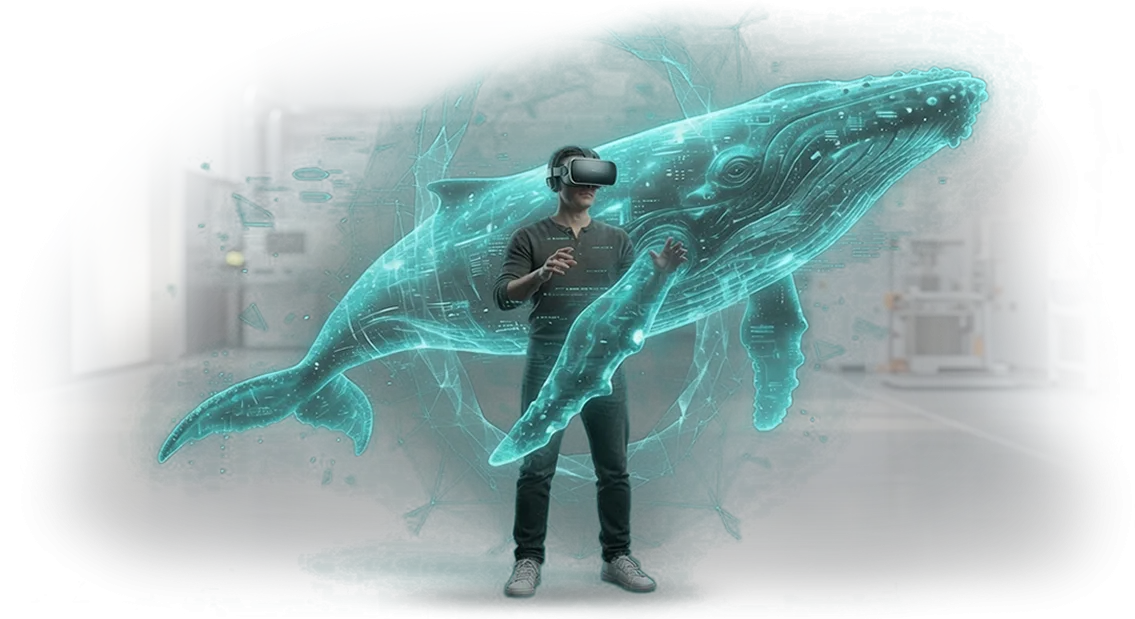
A digital twin of a production line provides exactly that picture. It is a virtual model that continuously receives data from real equipment and shows where delays occur, where there is overload, and where the built-in potential is not used.
Line diagnostics become continuous and accurate: instead of guesses, you get specific causes of losses and a forecast of possible failures. This allows you to reduce downtime by eliminating causes before they affect product output.
Implementation is phased and does not require stopping production — the digital twin is deployed on the basis of existing data and is gradually integrated into operations.
Already at the early stages you see a map of efficiency losses, understand improvement priorities, and get a tool for continuous control. This way the line operates without unexpected downtime, and revenue is not lost for no reason.
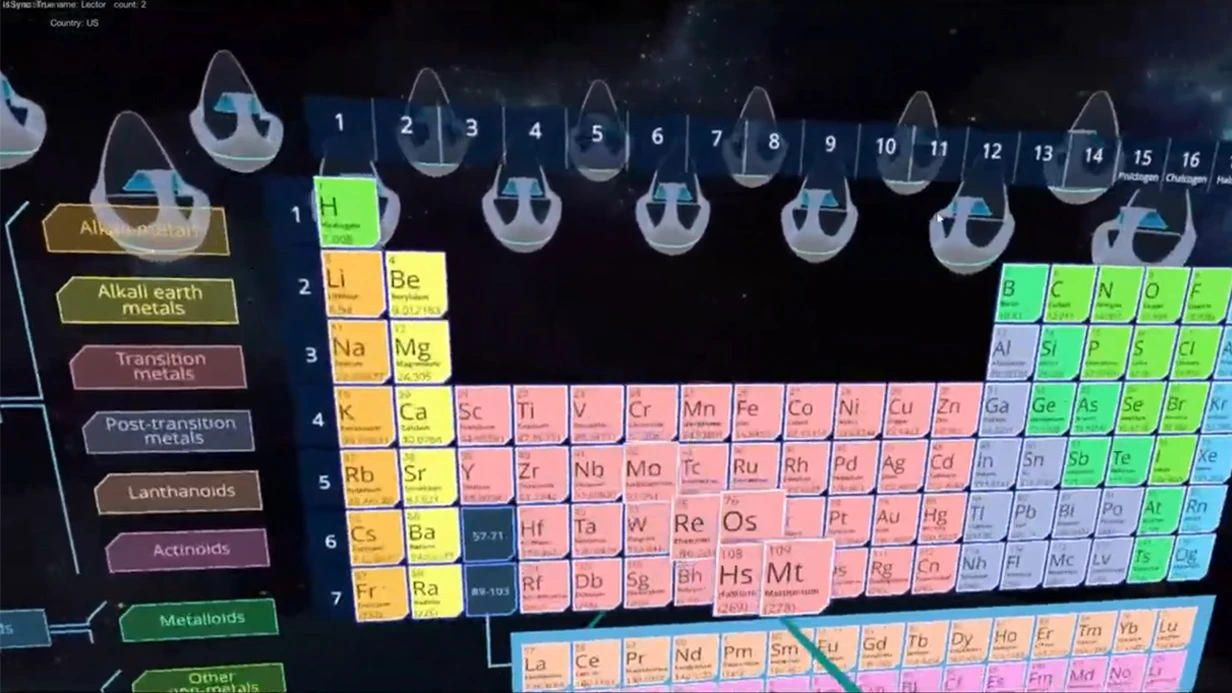
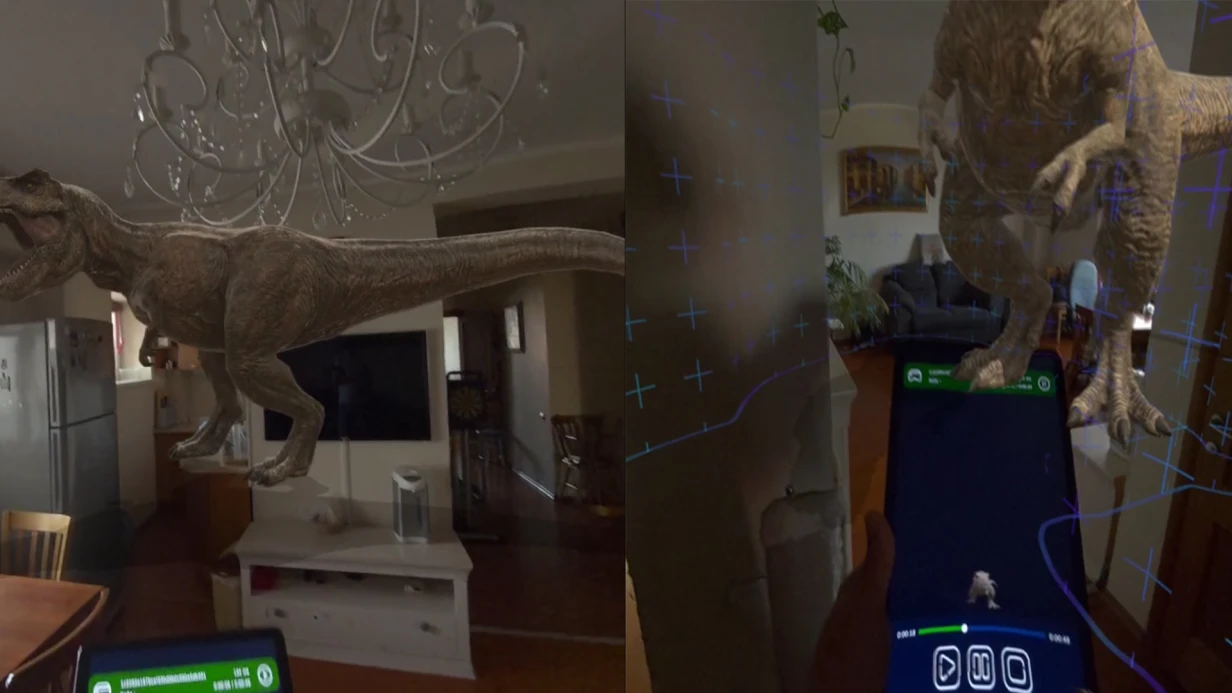
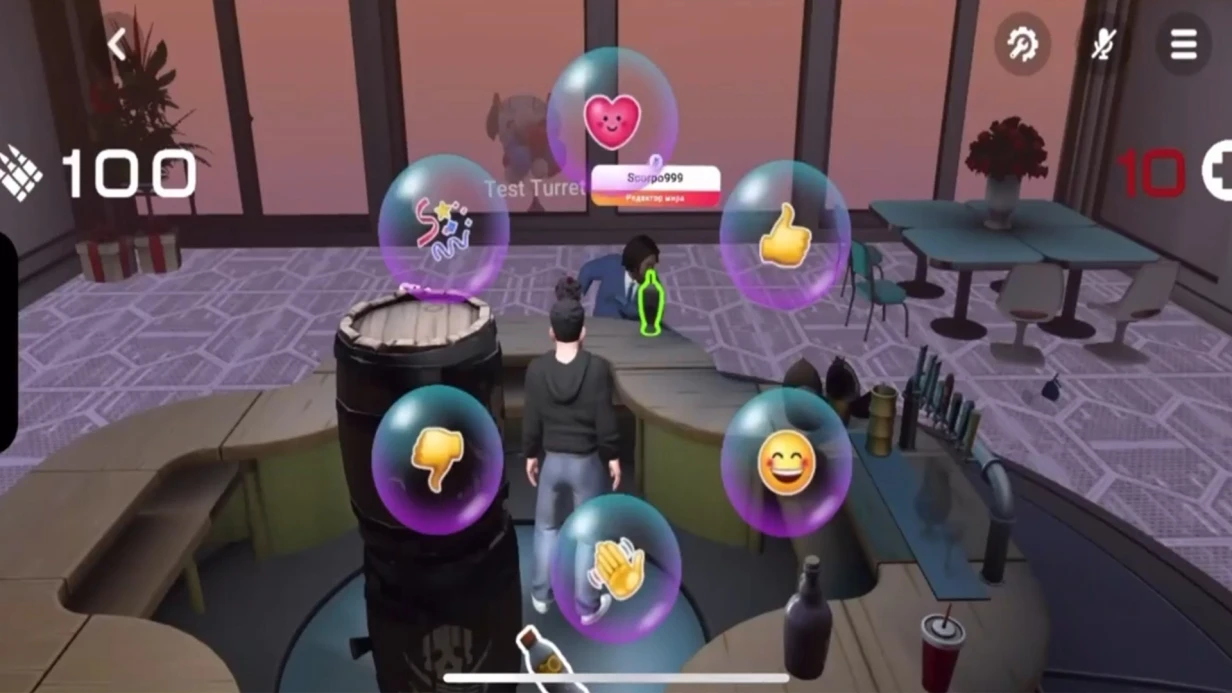
What Does a VR/AR/MR Application Give Your Production?
A production line is a place where every mistake costs time, raw materials, and reputation. Training new employees directly on equipment is risky: workshop downtime, defects, and sometimes a safety threat.
Meanwhile, classic instructions and presentations don't give the main thing — the feel of a real process that builds confident skills.
Augmented reality technologies and VR training solve this problem without stopping production. An employee immerses in a digital copy of your line: studies components, hones actions, sees the consequences of an error — all in a safe environment.
When they step up to the real machine, they already have muscle memory and an understanding of the process, while you get fewer defects and injuries.
For a manager, it's also about visibility. 3D production visualization lets you show an investor, partner, or new employee how the workshop is arranged, where the bottlenecks are, and how the flow will change after modernization. Instead of dozens of slides — an interactive model that can be explored from any angle.
We have been building VR/AR solutions for industry for over 10 years. We work on professional equipment and a well-tuned tech stack, so the result is stable: the application launches, synchronizes with your line, and runs reliably in real-world conditions.
What you get in the end:
- Reduced onboarding time — the employee masters the process before going to the line, not in the workshop.
- Safety: practicing emergency situations without risk to people and equipment.
- Visibility for investors and customers — the digital twin speaks for itself.
- Lower costs for trial runs and changeovers.
- The ability to train employees at any time, even if the line runs in three shifts.
VR/AR Solution Formats: Digital Twin, Training, Control
VR/AR solutions for a production line do not replace existing processes — they enhance them. The key is to choose the right format: what is useful in design is not always suitable for operator training.
Formats and Results
Below is a table of the main formats. Focus on your task and the result you want to achieve.
| Format | For Whom | What It Gives the Client |
|---|---|---|
| Line digital twin | Production managers, process engineers | A virtual copy of the entire line: bottlenecks are visible even before launch, parameters can be changed, and the effect can be assessed without stopping equipment. Faster launch and modernization. |
| Virtual reality simulator | Operators, maintenance personnel, newcomers | Practicing actions and emergency situations in a safe environment. The number of errors decreases, and employee onboarding time is reduced. |
| AR production control | Shift supervisors, engineers, quality service | Data is overlaid on real objects: equipment statuses, instructions, deviations. Problems are detected faster, downtime is reduced. |
Usually, these are not three separate projects but a connected ecosystem. The plant digital twin becomes the basis for the simulator, and AR control connects to the already running line.
Thus, you get a single tool for planning, training, and control — with a measurable effect on the production line. Tell us about your task — we will advise which format will give you the maximum result.
Stages of Developing a Digital Twin for a Production Line
How We Structure the Work
Developing a digital twin of a production line requires a clear plan. We have broken the process into creation stages: after each step, you see a result and can adjust the task.
-
Brief and line audit. We collect requirements and study the production, determine what the twin must show and which scenarios to practice.
-
Scenario design. We define the structure of the future VR application and approve a prototype with your team before development begins.
-
3D model and interface creation. We model the line with the required level of detail and develop an intuitive menu so employees can work without lengthy training.
-
Integration with production data. We connect real equipment metrics if the twin is needed for monitoring rather than training only.
-
Testing on real scenarios. Together with your process engineers, we check normal and emergency situations and make changes until full compliance.
-
Launch and support. We train personnel and hand over instructions. After the digital twin is implemented, we stay in touch: we update the model and scenarios to meet new tasks.
Control points at each stage are a report and a sample of the result. This way you manage the process and get a predictable outcome without surprises.
What Is Included in the Delivery: Launch Kit
Getting a digital twin is not just handing over an application. It is launching a working tool in your daily operations: trained personnel, clear documentation, and agreements on further support. Below is the full list of what you receive after the project is completed.
- Working documentation for your team. Instructions for launching, operating, and diagnosing the system in plain language, without technical burden on employees. Your specialists don't need to understand the ‘inner workings’ — they just need to know how to use the product and where to turn if questions arise.
- Personnel training with result verification. We train engineers, process technologists, and line operators. Your employees won't just ‘watch a demo’ — they will gain practical skills in working with the twin and can use it on the first day. We practice real-task scenarios to eliminate downtime and errors in production.
- Development plan and regular updates. The model doesn't ‘freeze’ after delivery. We agree on an update schedule: we add new scenarios, update data, and expand functionality. You get a product that grows with your tasks and remains relevant for years.
- Technical support and maintenance on fixed terms. After launch, you stay in touch with the development team. We set up a support channel, define response times, and areas of responsibility — you always know what to do if an issue or failure occurs. No more ‘the contractor disappeared’ situation.
- Source materials and modification rights. You receive a set of source data: diagrams, models, project files, and instructions for independent modification. You are not ‘tied’ to us — you can bring in another team or develop the project with your own IT department at any time.
This approach removes the customer's main fear: ‘we bought a nice solution but don't know how to use it.’ You get not just technology, but confidence — personnel are trained, processes are described, and support is regulated.
As a result, the digital twin becomes a working tool in the workshop, not a ‘showcase exhibit’ for management.
Case Study: How We Reduced Downtime at an Electronics Plant
Our client — an electronics plant — faced a chronic problem: every line changeover took up to two hours, and any configuration error threatened to stop the conveyor.
Operators worked according to instructions and experience, but testing new parameters without real risk was impossible. Every hour of downtime meant missed deliveries and exhausted staff.
We created a digital twin of the production line — an exact virtual copy of the site where settings can be safely changed, scenarios can be run, and equipment behavior can be seen.
Process engineers and operators gained the ability to practice changeovers in advance rather than during a stop. The twin replicates the logic of the real line, so decisions verified in the model also work in production.
The results were measurable within the first month. Changeover-related downtime fell by 35% — now it's about 40 minutes instead of two hours. Time savings totaled more than 60 hours per month with the same production volume.
Related departments also felt the efficiency gain: scheduled maintenance interfered less often with the schedule, and the share of defective products dropped thanks to refined scenarios.
What's valuable is that the twin remained a working tool, not a one-off mockup. It is used to train new employees, test modernization, and prepare for launching new products — for example, a new circuit board model.
Model experiments take minutes, and real setup time is reduced severalfold. The company continues to save time and resources with every change.
This implementation case is part of our approach: we build a digital twin around the client's task, train the team, and support the project after launch. If you have similar processes — let's start with a short audit and show where the reserves are hidden.
Answers to Frequently Asked Questions Before Ordering
Before ordering the development of a digital twin for a production line, clients most often ask about price, timelines, and integration with existing equipment. We answer directly — without technical details or ‘gray areas,’ because predictability is important for business.
How much does it cost to develop a digital twin of a production line?
The cost depends on the line's scale, the number of usage scenarios, and the depth of detail. For a basic version, it is enough to describe the main components and operating logic; for full coverage, we add all sections and transitions.
After a short audit, we fix the exact cost in the contract — the final price does not change during the process.
What are the project timelines?
An average project takes one to two months, including scenario development and acceptance testing. We work in stages with control points: you see an intermediate result within two weeks.
We specify the timeline in the contract and adhere to it — a delay is possible only if production data is not provided on time.
How will the twin work with our equipment?
Integration is considered during the requirements discussion stage: the twin receives data from existing systems and does not interfere with the line's operation.
If needed, we display key indicators in augmented reality — the operator simultaneously sees the equipment and information about its state.
What Happens After Your Request: Next Steps
After you submit a request, you are not left alone with the task — we take the project into work and guide you along a clear route. Below is every step, from the first call to the launch of a digital twin for a production line.
- Initial call (15–20 minutes) — you tell us about your task, and we ask clarifying questions about production, control points, and the expected result. We immediately determine whether our service solves your problem and in which format it is most beneficial.
- Free audit — we analyze your production line: what to measure, where the bottlenecks are, which processes to digitize first. You get an objective picture with no obligations.
- Commercial proposal — we fix the scope of work, timelines, and team composition. No vague wording: you see what you get at each stage and what you pay for.
- Plan and prototype — we show what the digital twin will look like, what data it displays, and how operators and managers will use it. We agree on details before development starts.
- Development and testing — we work in iterations: every 1–2 weeks we show an intermediate result. You control the progress rather than wait for a ‘surprise’ at the finish.
- Launch and team training — we implement the solution, configure it for your line, and train employees. Within a few days after launch, you see the first results in production management.
At every stage, you have direct contact with the project manager — you always know the status of the work. If the audit reveals that a digital twin will not solve your problem, we honestly tell you and offer an alternative. A request is not an obligation, but the first step toward a clear plan.
How to Choose the Right Format for Your Task?
The choice between VR, AR, and MR is not a matter of technological fashion but of the specific task.
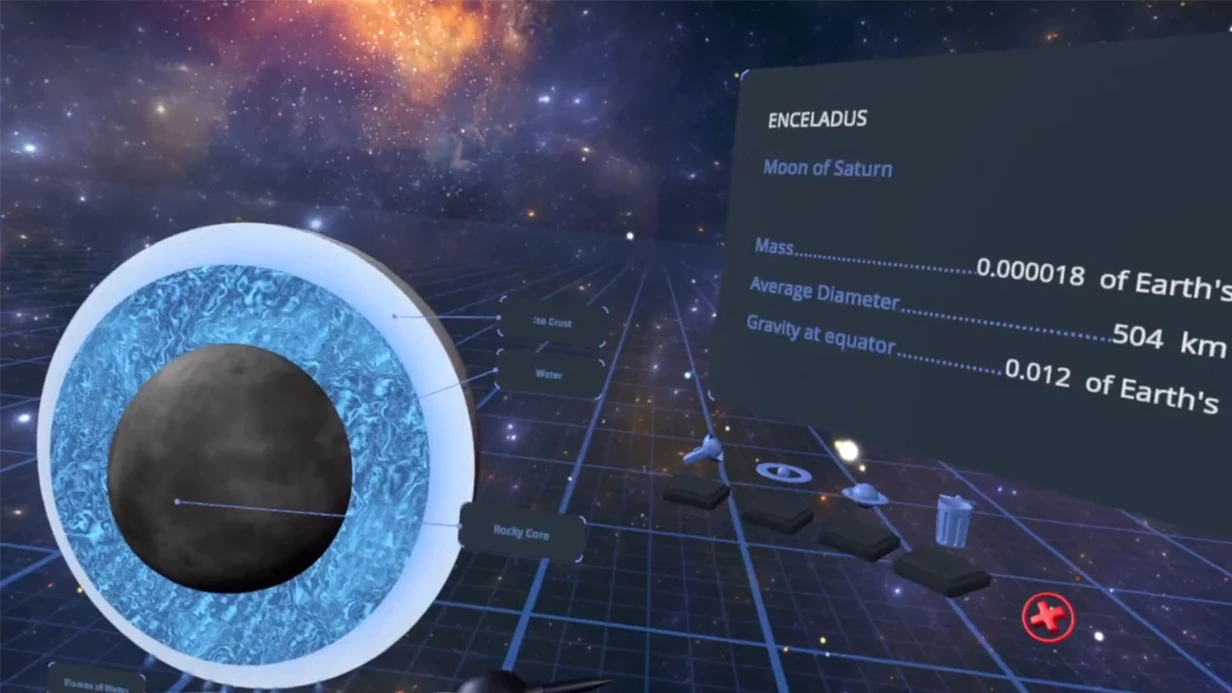
If you need to fully immerse the user in a digital environment — for example, for training employees to work on complex equipment or demonstrating a product that doesn't exist yet — VR is suitable.
It isolates from the real world and allows practicing actions without risks or costs for physical samples.
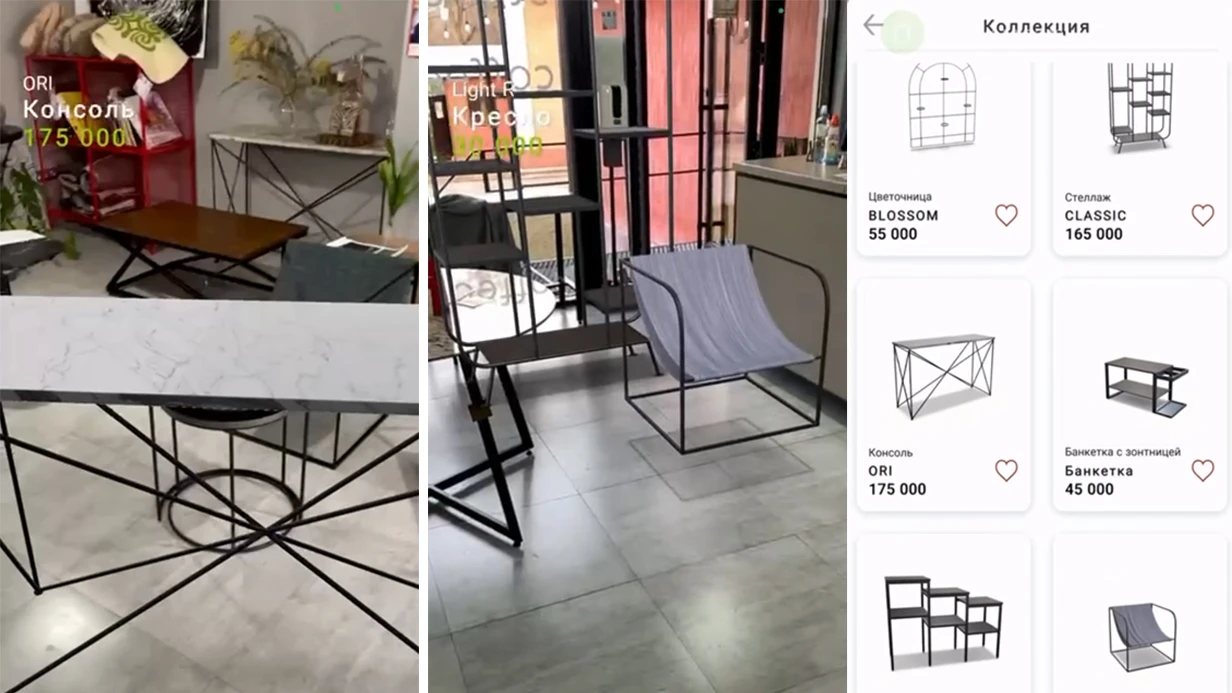
If it's important to overlay digital information on a real object — for example, show characteristics right on the machine housing or highlight a service area — choose AR.
Augmented reality doesn't require special equipment and works even on a tablet, which is convenient for quick training or remote personnel support.
MR combines the strengths of both formats: virtual objects interact with real space and employees. This option should be chosen when you need to simulate processes on an operating production line, verify a layout, or synchronize an operator's work with a digital twin of the line. It is the most flexible solution for complex tasks.
In practice, the decision is made based on three metrics: number of users, their skill level, and support budget. If you need to train many employees and each needs their own scenario, VR delivers equally high-quality results without being tied to a location.
If workers are already on site and need a ‘here and now’ hint, AR is faster to implement. When business processes involve constant data changes, MR remains the only format that doesn't require reassembling the stand.
You can determine the right option through a short pilot project: we take one task, prepare a prototype, and show how the chosen format affects work speed, errors, and engagement.
This way, you get not an abstract ‘VR/AR/MR’ but a clear solution with a measurable result within your budget.