

How a digital twin of a solar power plant increases profitability
The profitability of a solar power plant is determined long before the first kilowatt is produced. During the design phase, the panel layout, tilt angles, and inverter infrastructure are defined — and mistakes here are expensive.
Without a clear digital model, most miscalculations are only discovered during operation, when the plant is not running at full capacity and losing money every day.
A digital twin of a solar power plant is a virtual model of the facility that brings together engineering, climate data, and load scenarios in one place.
It makes it possible to see how the plant will behave in different conditions — from a cloudy day to peak consumption — before it is commissioned.
The client gets not just a 3D picture but a working tool that can be used to test every decision and choose the option that delivers maximum generation.
That is why investors in renewable energy increasingly demand such a virtual model already at the deal stage. Transparent visualization shows the potential profitability of solar generation, removes risks, and increases trust in the project. For the owner, this means faster financing approval and no surprises after launch.
We build digital twins of solar power plants that work for the owner from the very first idea. This is not just a model but a tool that shows the money: where the plant is undergenerating, how to reconfigure it, and what profitability to expect.
We close the gap between the project and reality so that your facility generates maximum returns from day one.
What benefits do VR/AR solutions bring to the energy sector
When it comes to a solar power plant, delay at every stage — from design to commissioning — leads to massive losses.
VR and AR shorten these timelines: a virtual tour of the facility allows decisions to be approved before construction begins, and augmented reality on site eliminates installation errors. For a manager, this means a predictable schedule and no "surprises" during commissioning.
The main pain point in the energy sector is the human factor. An operator needs to quickly master complex equipment, and an engineer needs to understand how the plant will behave in an emergency.
VR staff training practices these scenarios in a safe environment: the employee acts with full immersion, but the cost of an error is zero. The plant starts with an already prepared team, not with a team that learns on the go.
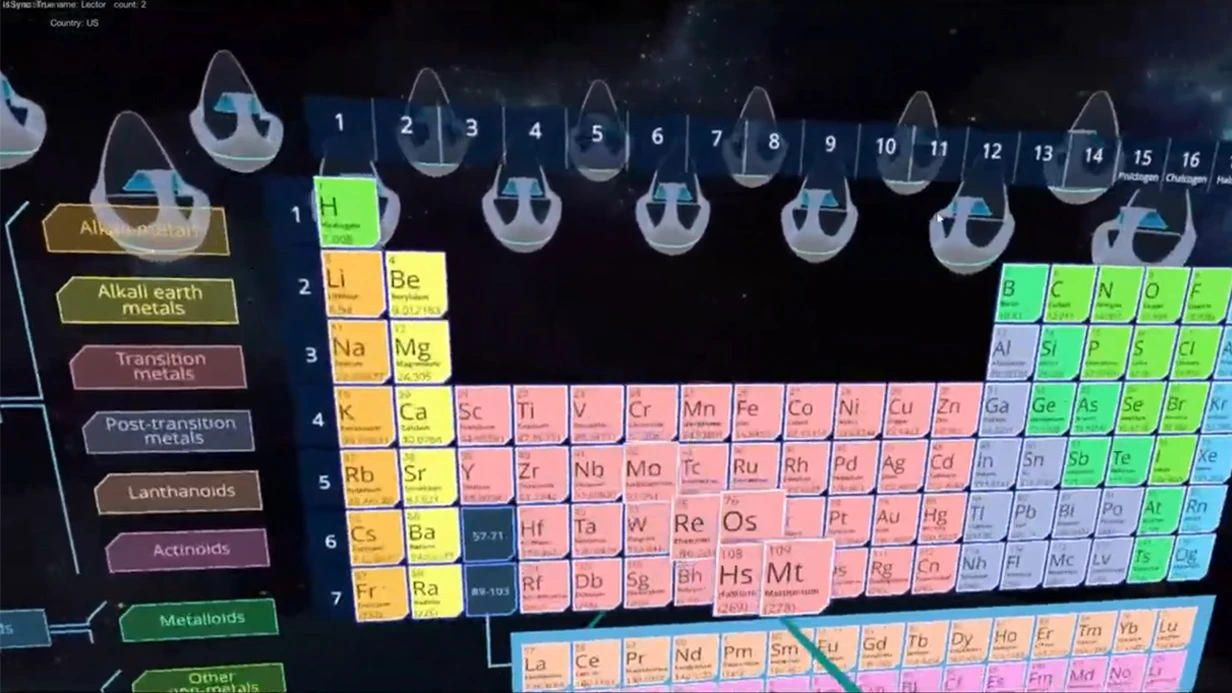
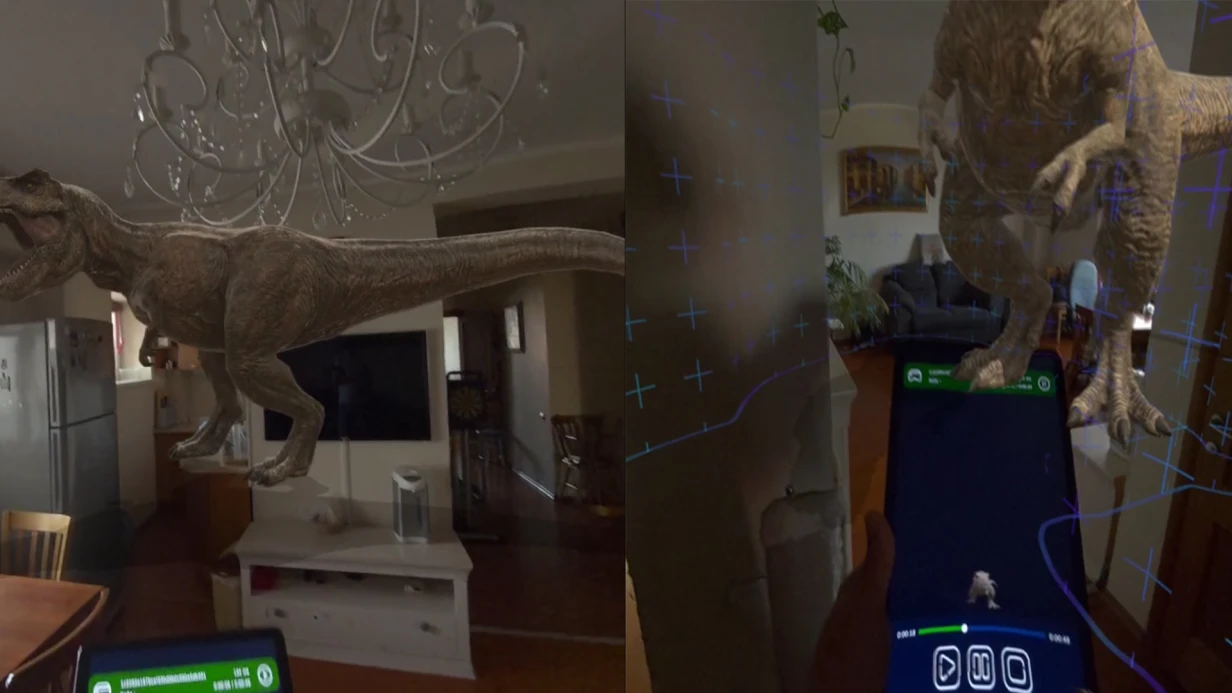
AR for the energy sector is a combination of a digital twin with a real facility. A specialist points a camera at a panel or inverter and sees hidden parameters: temperature, load, service history.
This approach reduces diagnosis time and lowers the risk of damage to expensive equipment. For the plant owner, this means less downtime and higher output.
We have been developing VR/AR solutions for industry for more than ten years and know exactly how to turn technology into a measurable result: faster commissioning, fewer errors, stable operation of the facility.
We will explain how the digital twin of your solar power plant will pay for itself within the very first months of operation.
Development formats: AR, VR, MR for your task
When it comes to a digital twin of a solar power plant, clients often ask: which format to choose — augmented reality (AR), virtual reality (VR), or mixed reality (MR)?
The answer depends on the task: what exactly needs to be shown and to whom — investors, the installation crew, or operations staff.
We do not sell "technology for the sake of technology"; instead, we match the format to a specific business goal. At the start, we analyze the use case: project presentation, staff training, or work on a real facility. Then we propose the format that delivers the maximum result at minimum implementation cost.
| Format | For whom | What it gives the client |
|---|---|---|
| AR application | Managers, investors, exhibition visitors | Overlays a digital model onto the real space — clear and without expensive mockups. Increases trust in the project and accelerates decision-making. |
| VR application | Engineers, installers, maintenance personnel | Allows you to "walk through" a virtual plant before it is built. Practice actions in a safe environment, reduce the number of errors on site. |
| MR solution | Operations departments, remote experts | Combines a digital model with real equipment — the employee sees hints, readings, and diagrams right at the facility. Accelerates diagnostics and repairs. |
This structure helps to quickly orient yourself and choose the right direction.
In each case, we design the interface for the user's tasks: for presentations — with an emphasis on realism and impressive scenarios; for training — on step-by-step instructions and action control; for operations — on data accuracy and ease of use in a real facility environment.
If a suitable format does not exist in its pure form, we combine AR, VR, and MR in a single solution to cover several scenarios at once. This allows you to get one unified digital tool that works in the office, on the road, and at the plant itself.
Stages of creating a digital twin of a solar power plant
A digital twin of a solar power plant is a project where it is important to see intermediate results and influence them. We have structured the process so that you always understand what is happening at each stage. Here is the typical path from idea to a working VR/AR solution.
-
Brief and task immersion. We collect requirements, study the plant and use scenarios. You receive a precise technical specification without unnecessary options — saving budget at the start.
-
Design. We create a prototype of key scenarios and a work plan, and agree on the appearance and functionality. You see the future solution before development begins.
-
Project approval. We show mockups and interaction logic and make corrections at early stages. This eliminates rework at the final stage.
-
Digital twin development. We create a detailed virtual copy of the plant with careful detailing of key components. You receive working versions at every stage, not a "black box" at the end.
-
Integration and testing. We connect the plant's current data and test scenarios on the required devices. The result is a stable product ready for launch.
-
VR/AR deployment. We deploy the solution at your site or arrange equipment rental. Employees and guests start using the twin immediately without lengthy briefings.
-
Post-launch support. We update content, refine functions, and answer questions. You are not left alone with the product — we stay in touch.
Thanks to the transparency of the stages, you control the budget and timeline throughout the project. Every step is approved, so the development of a digital twin proceeds predictably and with a clear result.
What is included in the delivery and remains with you
After the project is completed, you receive a package with which your team can continue working without us: digital model, scenarios, instructions, and usage rights. No "rental" conditions — everything stays with you forever.
The delivery includes four key blocks:
| Component | What it means for you | Why it is useful |
|---|---|---|
| Digital plant model | A complete copy of the facility with equipment and operating logic | Show it to investors and partners without going to the site |
| Interactive scenarios | Ready-made demonstrations: walkthrough, emergency, training | Conduct presentations and staff training on your own |
| Source data | Approved materials: diagrams, parameters, visualizations | Make changes during plant modernization |
| Technical documentation | Clear instructions for launch and configuration | Hand over to contractors or new employees |
| Usage rights | Official license for the development | Use the solution without extra payments or approvals |
In addition, the delivery package includes:
- Team training — we show how to launch and configure the project.
- Source model files in a format suitable for your infrastructure.
- A "turnkey" demonstration script with a 10–15 minute timeline.
- Instructions for working with VR equipment for employees without experience.
- A data update procedure if the facility changes.
- A support hotline for the first month of operation.
All of this is not a "raw result" but a packaged solution ready for daily work. You can change scenarios, transfer the project between departments, and show the facility to clients at any time — without intermediaries or additional budgets.
Case study: how we improved the efficiency of a solar park
Every hour of downtime at a solar plant is lost generation, and every crew dispatch is an unplanned expense. An operator often sees the problem after the fact: after a drop in generation, not before it.
We addressed this need with a digital twin of the plant that shows the facility's condition as it really is — without going to the site.
For the operator Helios-Energo, we created an interactive 3D model of a solar park linked to real sensors: you can see which panel is dirty, which inverter is operating at reduced capacity, and where the temperature exceeds the norm.
The dispatcher gets a single screen instead of dozens of reports and reacts before a fault affects generation.
Project results
During the first six months of operation, equipment downtime decreased by more than a third. Electricity generation increased by 7% thanks to timely panel cleaning and early fault detection.
The main savings come from operations. Scheduled crew dispatches were cut in half because most diagnostics are now performed remotely. Accurate load forecasts made it possible to build a service schedule rather than react to emergencies.
The client expanded the pilot to two neighboring sites — this confirms that the digital twin became a working tool, not just a showcase. If you have a similar park or distributed generation, look at how much you lose on invisible downtime. We will show these losses on your diagram and offer a twin option for your scale.
Answers to common questions and concerns
We understand that when it comes to a solar power plant, doubts are inevitable. A VR/AR digital twin may seem complex, expensive, and unreliable. Below we address the main client concerns — without technical jargon.
How reliable is this for working with real facilities?
We build solutions on professional equipment and a proven platform used in industry. Every stage is tested, so you get a stable result, not an experimental toy.
Will it be difficult to integrate VR/AR with our system?
No. We connect to your data through standard protocols and do not replace existing equipment. Implementation is carried out in stages, without stopping plant operations or downtime for the team.
Who will support the project after launch?
We stay with you after delivery: we update 3D content, monitor stability, and respond to requests. You are not left alone with the technology — support is included in the contract.
What does your team need to get started?
Only the source data about the plant and access to operational metrics. We take care of the model, interface, and logic of operation, so you do not have to dig into the details.
If you still have questions, write to us. We will explain how a digital twin works specifically for your plant and offer a format that fits your budget and timeline.How long does it take to launch and how to start
The timeline for launching a digital twin of a solar power plant directly depends on the scale of the site and the completeness of the source data.
In most cases, a typical project takes 2–4 weeks: during this time we assemble the model, configure the equipment display, and prepare an interface for your team's tasks.
We work on the principle of "a clear result by agreed dates" — without hidden stages or prolonged approvals.
To speed up the start, we begin with an express consultation: we review your goals, check what data already exists (diagrams, equipment passports, meter readings), and propose a minimally sufficient configuration.
You see the first intermediate results within a few days after the start of work. This approach makes it possible to cut out the unnecessary already at the planning stage and set realistic project deadlines.
Immediately after your inquiry, you receive:
- a personal consultation on the digital twin format;
- an audit of source data and technical requirements;
- a preliminary work plan with checkpoints;
- a transparent cost estimate without hidden surcharges;
- a contract with fixed deadlines and guarantees;
- assignment of the team and start of work within a few days.
For large plants with hundreds of facilities, phased implementation is provided: first a basic model, then expansion of functionality and integration with accounting systems. This allows you not to wait for full readiness and to use useful functions already at the first stage.
To find out the exact timeline for your facility, leave a request for development. We will send a plan, name the dates, and propose a solution that fits your budget.
How to choose the right format for your task?
There is no universal answer — the right format is determined by the task. Choosing a format for a digital twin of a solar power plant starts with a simple question: what do you want to achieve — convince an investor, train staff, or show the plant's capabilities to a client? This determines whether it will be AR or VR, or perhaps MR. We will help you find your bearings.
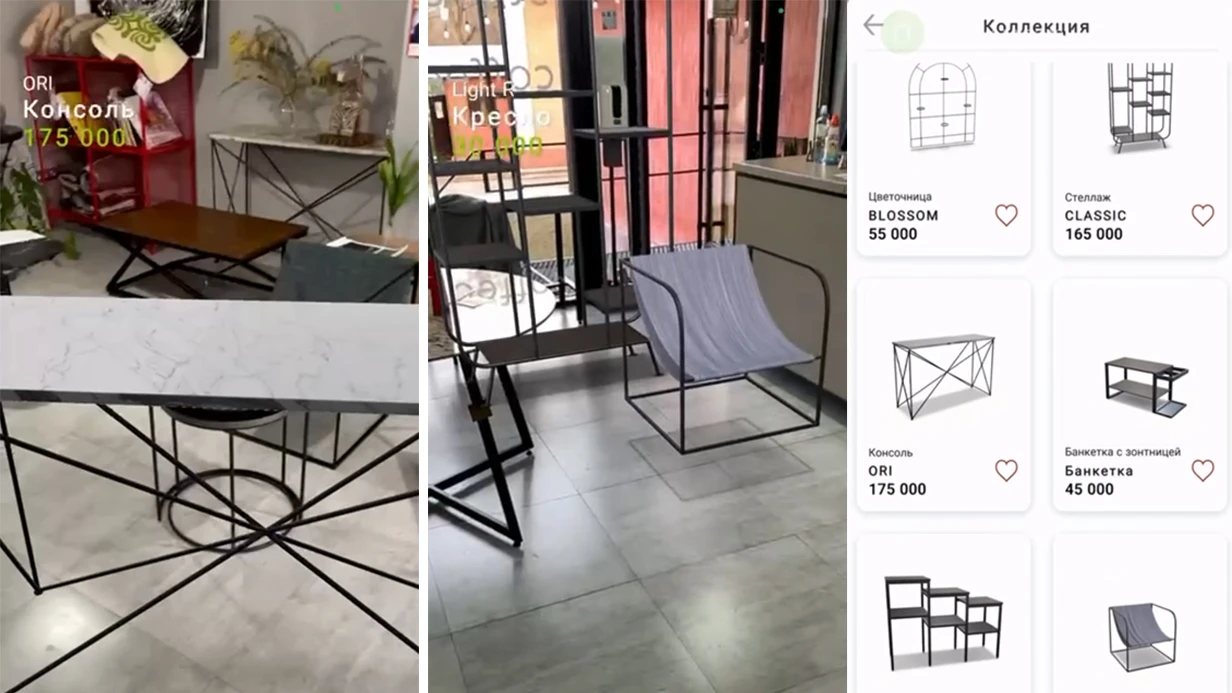
AR should be chosen when data directly on the real facility is important. Point the camera at the panels — and you see the temperature, output, and inverter status in real time. This is convenient for operations and service: an engineer immediately finds the problem. For the client, it means clarity and speed of decisions.
VR is justified when the power plant needs to be shown in its entirety, even if it has not yet been built or is thousands of kilometers away.
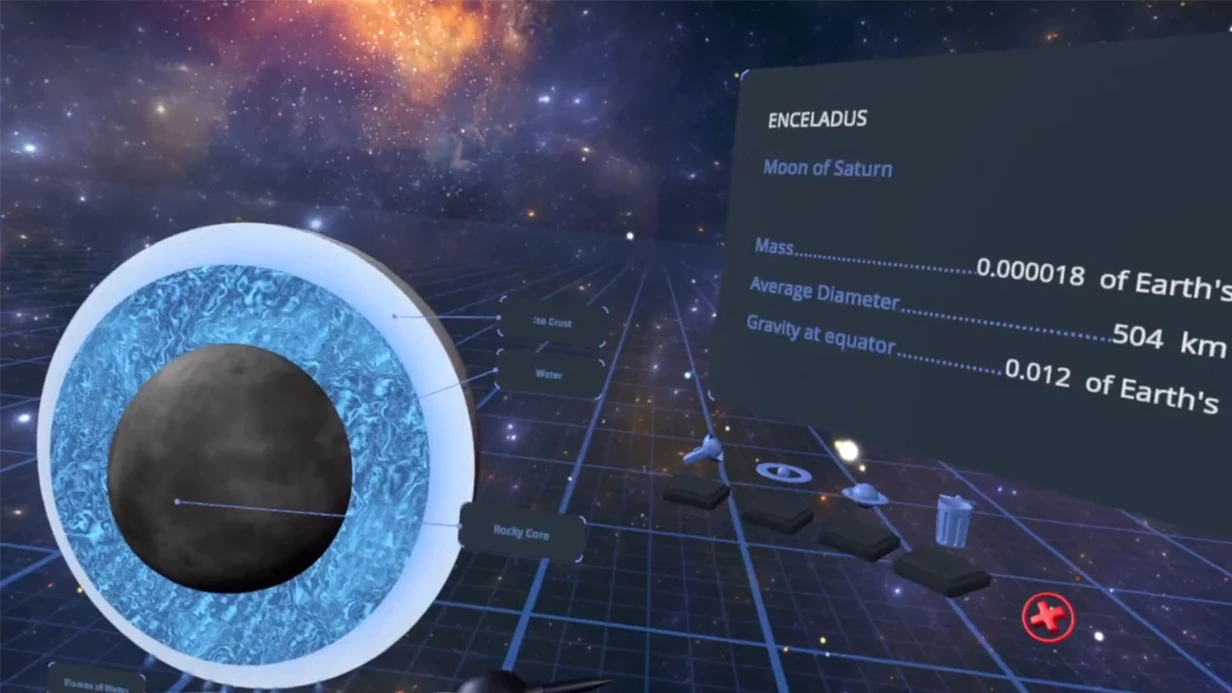
Full immersion allows an investor to "walk through" the future facility, assess its scale, and allows staff to safely practice emergency situations. This format turns a presentation into an event.
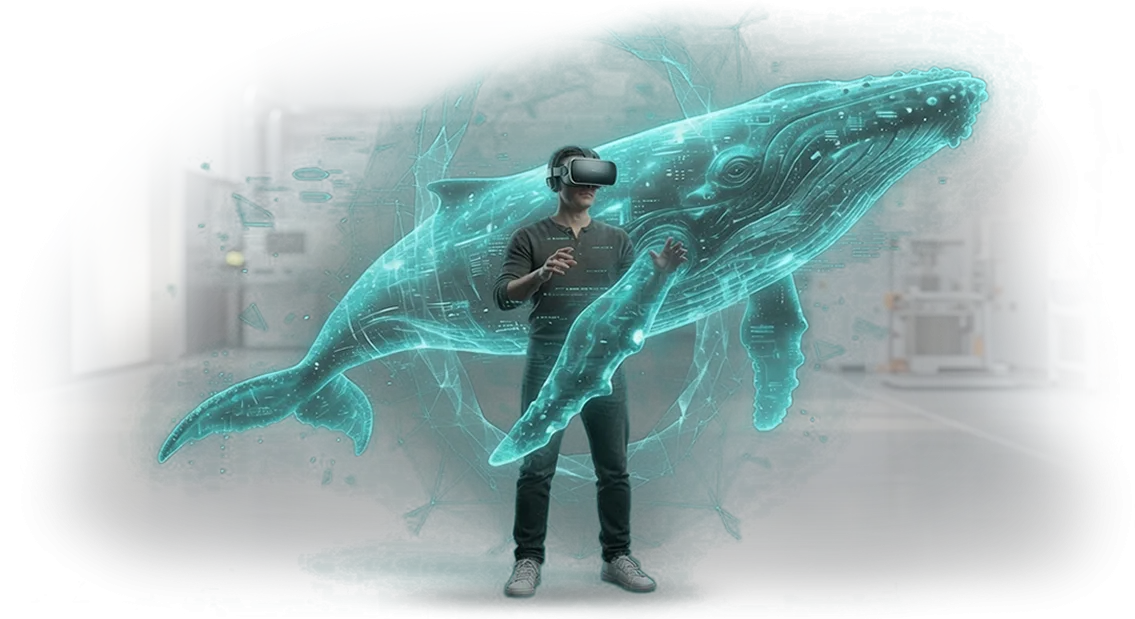
MR for business is a third path, when you need to combine reality and virtual objects. For example, in a meeting room, a volumetric model with energy flows appears above the table, which participants can change and immediately see the consequences. This is a tool for collaboration and decision-making.
The main thing is not to look for the "best" format, but to choose a solution for your task, audience, and scenario.
We help make this choice: we analyze goals, show the difference with live examples from the energy sector, and develop a digital twin of a solar power plant in the format that will bring maximum benefit. Get in touch — we will choose the format together.