

Digital Twin of a Water Treatment Facility: Savings and Safety
Owners of water treatment facilities know how expensive unscheduled shutdowns are: missed schedules, fines, and environmental risks. Most problems are detected only after equipment has already failed.
The dispatcher receives a signal when an accident could still have been prevented — and wastes time on manual checks.
A digital twin of a water treatment facility is an accurate virtual copy of the facility that runs in parallel with the real station. It combines data on the condition of pumps, valves, reservoirs, and pipelines into a single picture.
The manager sees what is happening at the facility at any moment, without needing to personally walk around every unit.
Most importantly, the system not only shows the current state but also warns about likely failures in advance, while there is still time for planned intervention.
Savings come from several components. Downtime decreases because maintenance is scheduled based on actual wear rather than "just in case." Resources — electricity, reagents, water — are used more efficiently. And staff stop spending hours on routine inspections and focus on truly important tasks.
Facility safety also reaches a new level. The digital twin helps model emergency situations and practice staff responses in advance. Instead of reactive "firefighting," the enterprise gets a system that prevents critical developments. This protects employees, infrastructure, and the company's reputation.
We design digital twins for real industrial facilities. The result is measurable: less downtime, lower operating costs, and confidence that the facility is operating safely.
What a VR/AR Application for Facility Management Provides
Managing a water treatment facility means constantly monitoring dozens of parameters and being ready to respond quickly to emergencies. Any operator error leads to downtime, fines, and environmental risks.
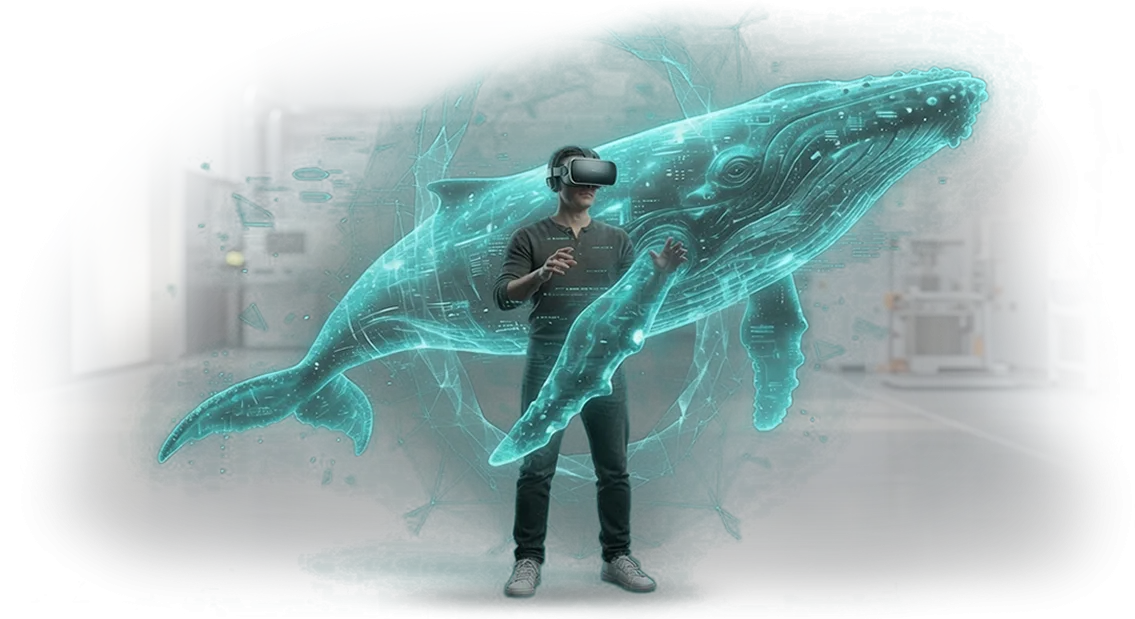
A digital twin changes the approach: we connect the physical facility to a virtual model that replicates all processes in real time. Our team creates such VR/AR solutions so that the manager sees the facility as a whole, and staff work more accurately and safely.
The first benefit is VR/AR training without stopping production. A new employee practices startup scenarios, emergency shutdowns, and planned repairs in a virtual copy of the facility. They make mistakes without consequences until the skill becomes automatic.
On a real facility, such training is dangerous or requires taking equipment out of service, while the simulator saves time and eliminates damage.
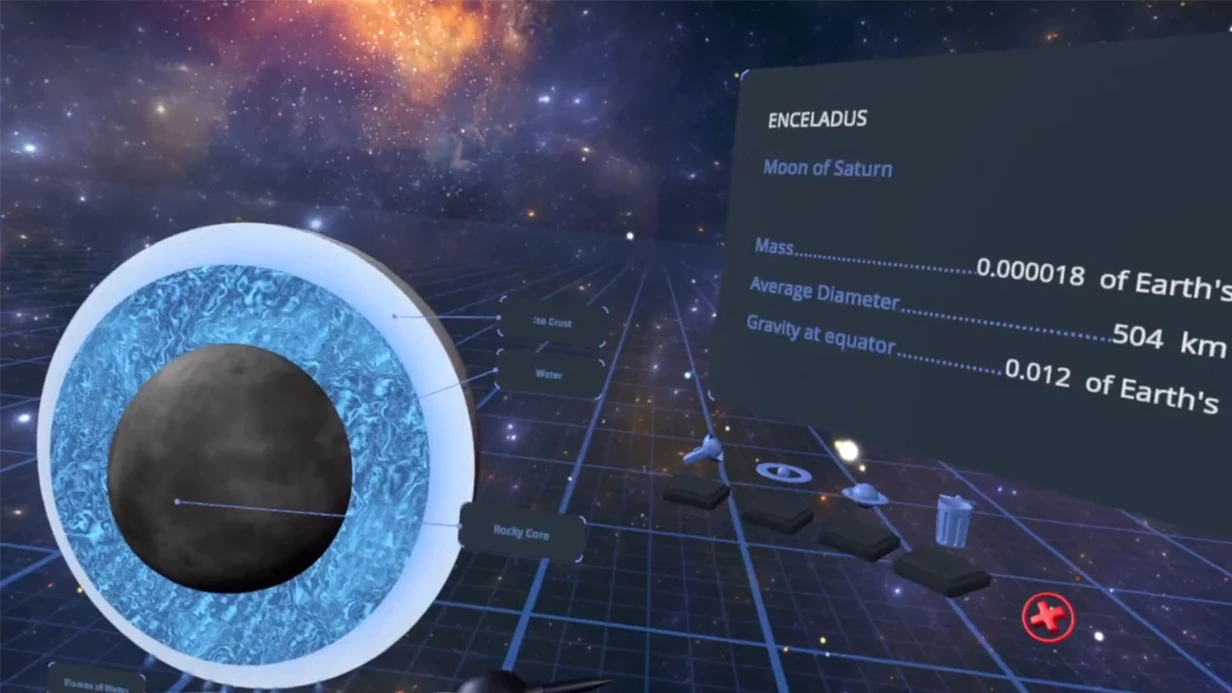
The second is remote monitoring, which turns scattered sensors into a clear picture. The manager sees the facility's condition from a tablet or laptop, even while in another city. 3D data visualization shows pressure, chemical levels, and pump load in an understandable form. Deviations are highlighted immediately, so response takes minutes, not hours.
The third is staff safety. AR hints right in the employee's field of view warn about hazardous zones, remind about procedures, and show the sequence of operations. This reduces the number of errors related to the human factor and lowers injury rates. The manager gets a tool that protects people and the company's reputation.
Ultimately, a VR/AR application for facility management is not just a trendy technology but a way to cut costs and improve reliability. Fast training, transparent monitoring, employee protection — all of this adds up to stable facility operation and predictable performance.
Development Formats: Choose the One That Fits Your Task
A digital twin of a water treatment facility is not a single "fixed" option but several formats for different business tasks. You can start with a simple 3D tour for project presentations and later add interactivity — sensors, process animations, staff training zones.
Each format differs in depth of immersion and purpose: one helps show the facility to an investor, another trains employees, and a third connects the virtual model with real data. Below is a brief comparison to help you choose the right option for your task.
| Digital twin format | Who it is for | What the client gets |
|---|---|---|
| 3D facility tour | Project managers, investors, contractors | A clear demonstration of the facility without a site visit: construction stages, unit locations, and layout can be shown |
| Virtual reality (VR) | Process personnel, operations department, training centers | Full immersion in a "digital copy" — safe training for emergency response, practicing procedures without stopping production |
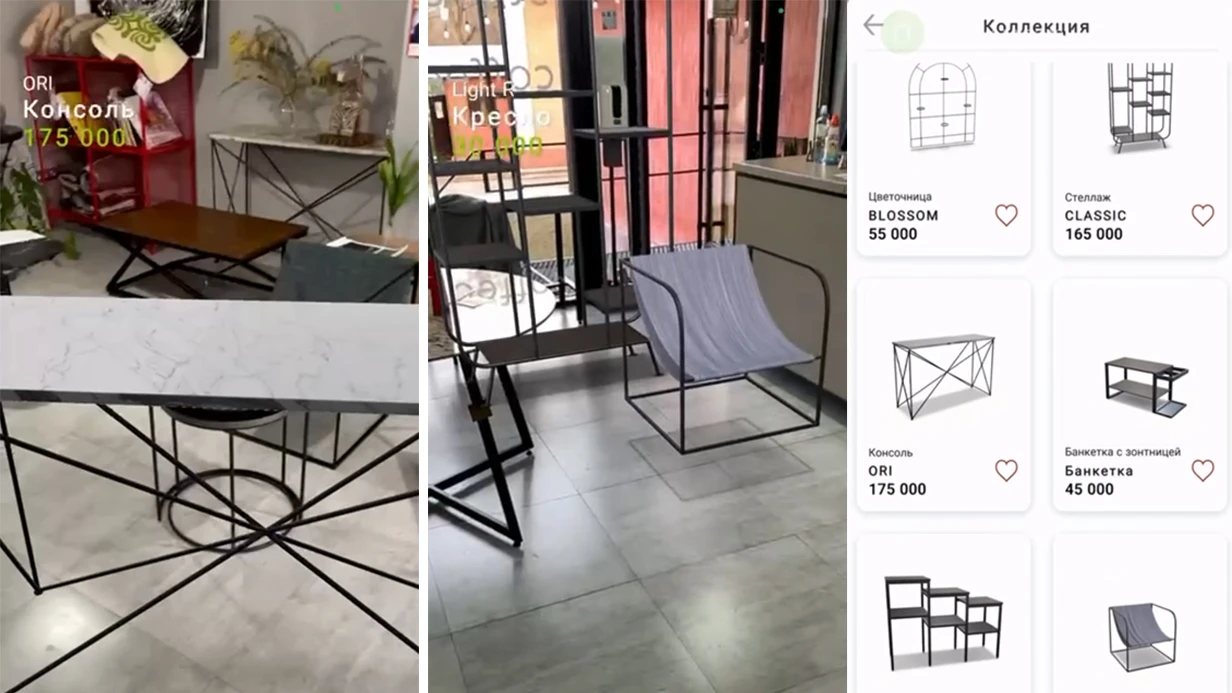
| Augmented reality (AR) | Installers, repair crews, on-site engineers | Virtual hints overlaid on real equipment: quick identification of units, maintenance instructions, and work quality control |
| Interactive model with sensors | Management, chief engineer, dispatch | A complete digital twin of the water treatment facility: visualization of current parameters, load forecasting, and real-time support for management decisions |
If your task is to present the facility as realistically as possible without the cost of a physical model, a 3D tour will work. When staff training and safety matter, choose the VR format. And for operations and control — augmented reality or a model connected to sensors.
We will help you determine the optimal digital twin format for your water treatment facility based on your budget and project stage — from concept to launch.
Either way, you get a visual tool that saves time, reduces risks, and is clear to everyone involved: from technical specialists to investors.
Project Work Stages: From Brief to Launch
Implementing a digital twin of a water treatment facility is a process where it is important to account for the specifics of the facility and your team's tasks.
We have built a step-by-step workflow so that you always understand what stage the project is at, control the budget and timeline, and the result exactly matches expectations.
- Brief and task immersion. We conduct interviews with your experts: we gather requirements for visualization, usage scenarios, and model accuracy, and define implementation goals.
- Technical documentation analysis. We study the diagrams, drawings, and procedures of your facility so that the virtual model matches real objects and processes.
- Prototype development. We create a draft version of the twin that demonstrates the key mechanics. You see the future product before full implementation and can adjust it at an early stage.
- Detailed 3D model creation. We fill the prototype with details, fittings, and units in accordance with your documentation, and add clear equipment operation scenarios.
- Review and refinement. We deliver intermediate versions, collect feedback from domain specialists, and make changes within agreed timelines without losing quality.
- Testing and final tuning. We check the project's performance on professional equipment and target devices, and adjust performance and usability for your employees.
- Launch and handover. We install the software on workstations, conduct a short training session for your team, and provide instructions for independent work.
This approach avoids a situation where the result does not meet expectations and fixes require new costs. Each stage ends with a concrete deliverable that you personally accept. This guarantees process transparency and high implementation quality.
At the final stage, we also offer support to adapt the twin to new tasks if they arise after launch.
What Is Included in the Delivery: A Complete Package for Your Facility
For your water treatment facility, we prepare not just a virtual model but a finished product that goes to work immediately. The package includes everything needed for staff to start training from day one and for the administrator to confidently manage the system.
- Accurate 3D model of the facility — a digital copy of your water treatment facility with all key units. Used for training, presentations, and process control.
- Interactive instructions — step-by-step scenarios for staff: equipment startup, normal modes, and emergency response. Skill practice without stopping production.
- Staff training — training sessions for specialists and administrators so they can work with the model independently. Your team quickly masters all functions.
- Project source files — you receive all materials and remain independent of any specific contractor. Any further development can be assigned to another team.
- Technical documentation — instructions for installing and updating the system. The administrator gets up to speed quickly without contacting developers.
- Warranty and support — support for the warranty period and model updates to reflect changes at the facility. If anything needs to be refined, you know who to contact.
All of this is not a set of scattered artifacts but a single package covering training, control, and presentation tasks. You reduce risks, accelerate onboarding of new employees, and get a tool that pays for itself in operation.
Case Study: A Water Treatment Facility Twin Cut Repair Time
First, let's show why this matters for business: repairing a water treatment facility after an accident used to take a full day, and equipment downtime meant disruptions in the water supply of an entire district. Every hour of downtime — costs for emergency crews, compensation, and reputational losses.
Challenge and Solution
A large municipal water utility contacted our team with a problem: a leak occurred at one of the key network sections, and traditional methods — test pits, hydraulic testing — failed to locate it.
Pipes and shut-off valves were hidden underground, diagrams were outdated, and every extra excavation delayed the timeline.
We developed a digital twin of the water treatment facility — an accurate virtual model of all utility networks and units. Engineers put on VR headsets and "walked" through the facility, seeing real pressure and flow sensor data in a single 3D picture. This made it possible to compare instrument readings and instantly pinpoint the damage location.
Result
The leak was localized in one working day instead of the usual two or three. The water treatment facility repair was completed without stopping water supply, and downtime was cut from 48 hours to 4.
Total accident costs were reduced by nearly half — thanks to accurate diagnostics and a smaller volume of excavation work.
After launch, the client uses the twin not only for accidents but also for planned maintenance: they can see unit wear and plan replacements in advance. That is why we were invited to the next stage — the model was extended to a neighboring facility.
These are the cases we love: when technology delivers measurable benefit and the client comes back again.
How to Choose a Development Format for Your Task?
Choosing a development format is not a question of technology but a question of the task. The same facility can be presented in different ways: from a detailed interactive model to an information layer on top of an existing diagram.
So the first thing we determine at the brief is who will use the digital twin and how: engineering staff, management, investors, or contractors. This determines what matters in the model: equipment accuracy, process visibility, or management accessibility.
The second factor is the facility's scale. A water treatment facility can include dozens of units: pumping stations, settling tanks, filters, and chemical treatment systems. But full detailing of the entire facility is rarely needed.
More often, the task is localized: train staff to work with a specific section, show an investor a modernization concept, or test a new treatment mode before launch.
We recommend starting with a key unit and expanding the model as needed — this way you don't overpay for what you won't use.
Timeline and budget are the third factor, directly linked to the format. A basic visual model with unit navigation is prepared faster and costs significantly less than a full twin with sensor integration and analytics.
If your task is to present the process at meetings or train employees, a realistic 3D scene and interaction scenarios are enough. If you need to connect the model with real enterprise data, the investment and time increase.
We always honestly set priorities: first a result that delivers value here and now, and only then technical extensions.
How to avoid overpaying? Determine which decisions will be made using this model. For training and presentations, visualization and process logic are enough. For repair planning and emergency modes, additional data and scenarios will be needed.
We will help you choose a format that covers a specific need, not "everything at once." Over 10 years, we have implemented projects for industrial enterprises and know how to structure the work so that results appear quickly and fit within a reasonable budget.
Frequently Asked Questions About Digital Twins
We address common client questions before starting a water treatment facility digital twin project. We answer the main concerns: cost, accuracy, integration, and data security.
How much does creating a digital twin of a water treatment facility cost?
The cost depends on the facility's scale, the number of process zones, and the tasks you are solving. At the brief stage, we record the requirements and provide a cost calculated after audit, with clear stages — no hidden fees. You pay for the result: a model that reduces risks and operating expenses.
How accurate is the copy of the real facility?
We build the copy based on current drawings, sensor data, and equipment specifications. The margin of error does not affect management and training tasks: staff work with a model that reflects real processes. Accuracy is confirmed by cross-checking with actual data during commissioning.
How does the twin integrate with existing systems?
The model does not require replacing equipment or software. We connect the twin to existing systems through standard data exchange protocols, so you get a unified picture without restructuring infrastructure. Integration is carried out in stages and does not stop production.
Where is facility data transmitted?
Information is stored on your server infrastructure or in a secure cloud of your choice. Access is restricted by employee roles, and transmission is encrypted. We comply with privacy policies and are ready to sign a non-disclosure agreement even before work begins.
If you have any remaining questions — contact us. We'll explain how the twin pays for itself at your facility and which usage scenarios will work for you.Let's Discuss Your Project and Prepare a Proposal
Leave a consultation request and receive a cost calculation and work plan for your water treatment facility. We work remotely across the entire country, so a technical description and photos of the facility are enough for evaluation.
After your request, you receive:
- Consultation: a project manager and VR engineer review your task and answer questions about technology capabilities and implementation timelines.
- Budget and timeline calculation for your facility — transparent, with no hidden work or "surprise surcharges."
- A work plan by stages: from data collection to commissioning the digital twin, with checkpoints.
- A demo of a digital twin based on a typical water treatment facility — you see how the technology will work for you before signing the contract.
- Usage recommendations: operator training, emergency scenario practice, and project presentation to management and regulatory bodies.
- Individual cooperation terms: we fix the scope, timeline, and responsibilities in the contract — you don't overpay for excessive options.
- A bonus checklist "What to Ask a VR Solution Developer" — with it, you can compare proposals from different studios and make an informed decision.
All of this is free and doesn't obligate you to anything. Just leave a request, write to us in a messenger, or call — we'll call back at a convenient time and prepare a proposal within 1-2 business days.