

Why Banks Lose Customers at Trade Shows
The typical bank booth at a trade show is a counter with brochures, a couple of consultants, and a screen displaying a presentation. Visitors walk past because nothing is offered that they can "touch" and remember.
As a result, the booth stays passive, and the participation budget does not work: contacts are not collected, products are not discussed, and interest fades within a second of approaching.
The main problem is not even the number of people who approach, but the quality of contact. A consultant talks about a deposit or an app, but an hour later the visitor no longer remembers the name or the specific terms.
Missed opportunities become systemic: every lost visit is a potential client who went to a competitor because they were neither surprised nor engaged.
This is where VR for exhibitions helps.
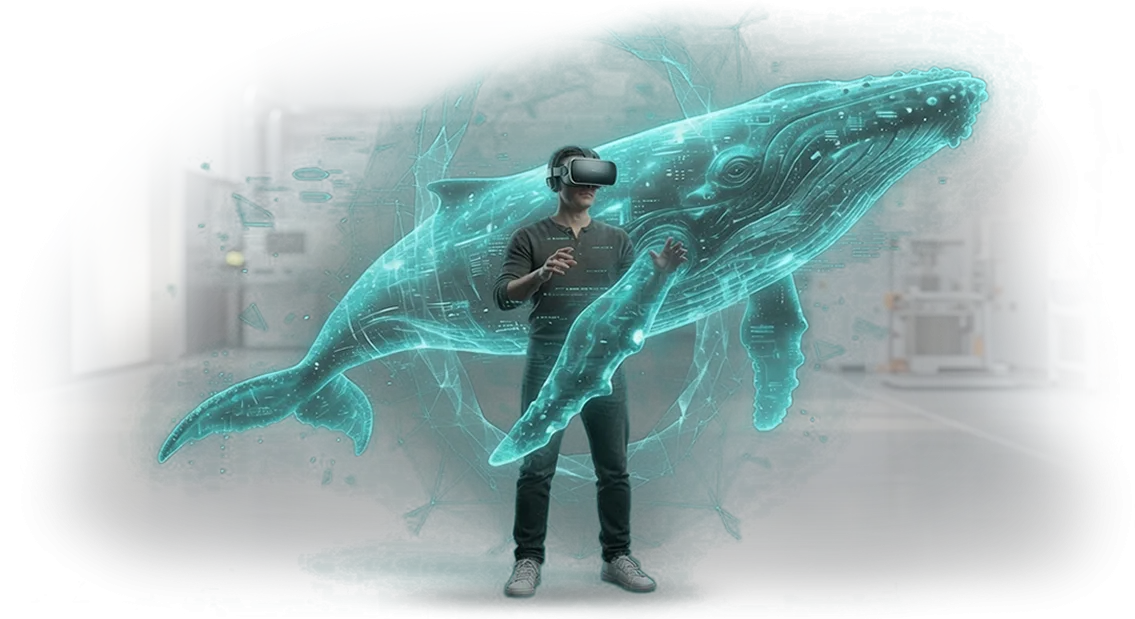
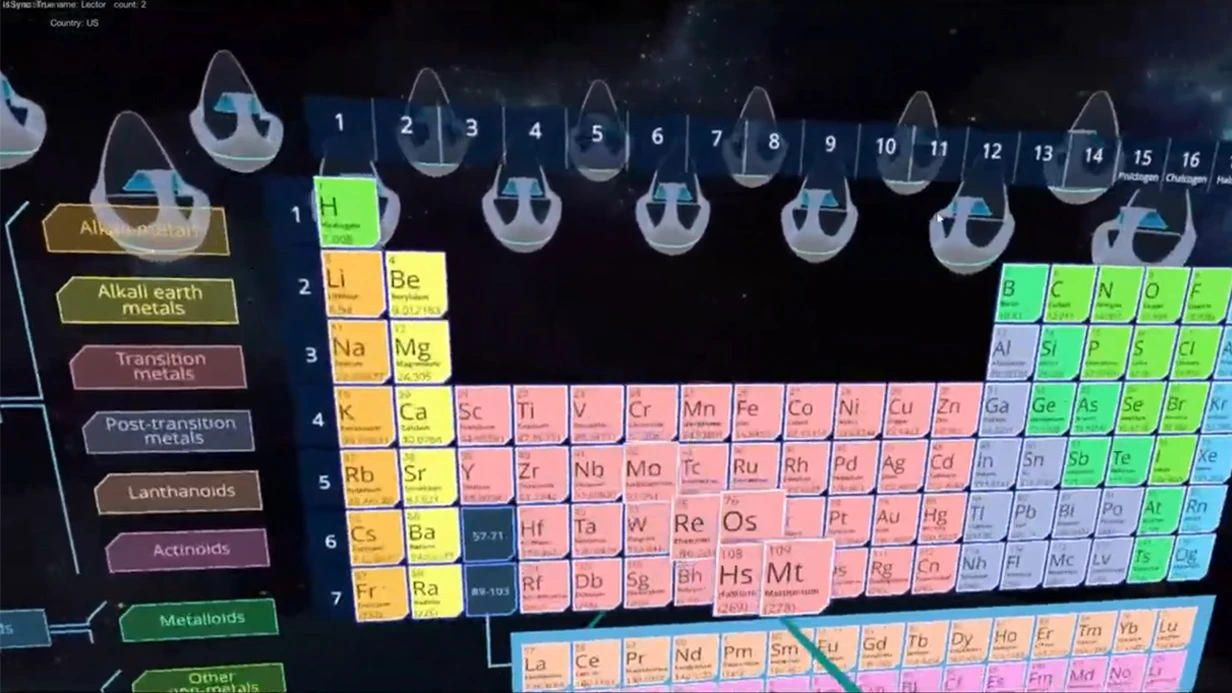
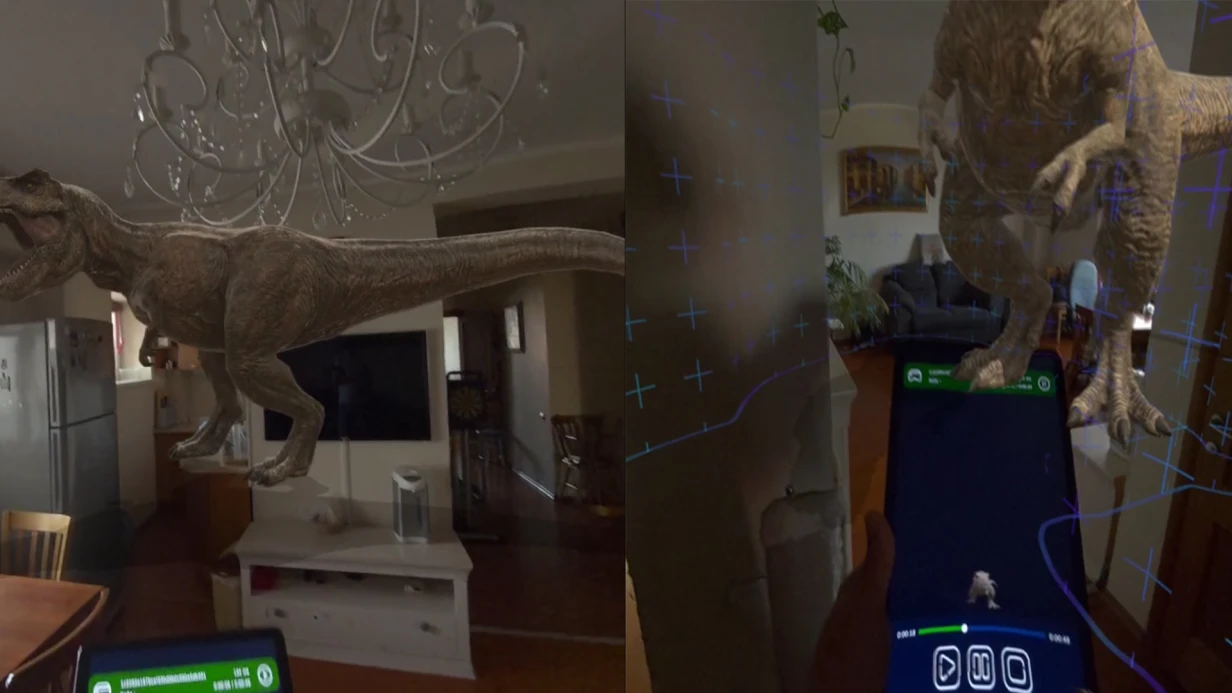
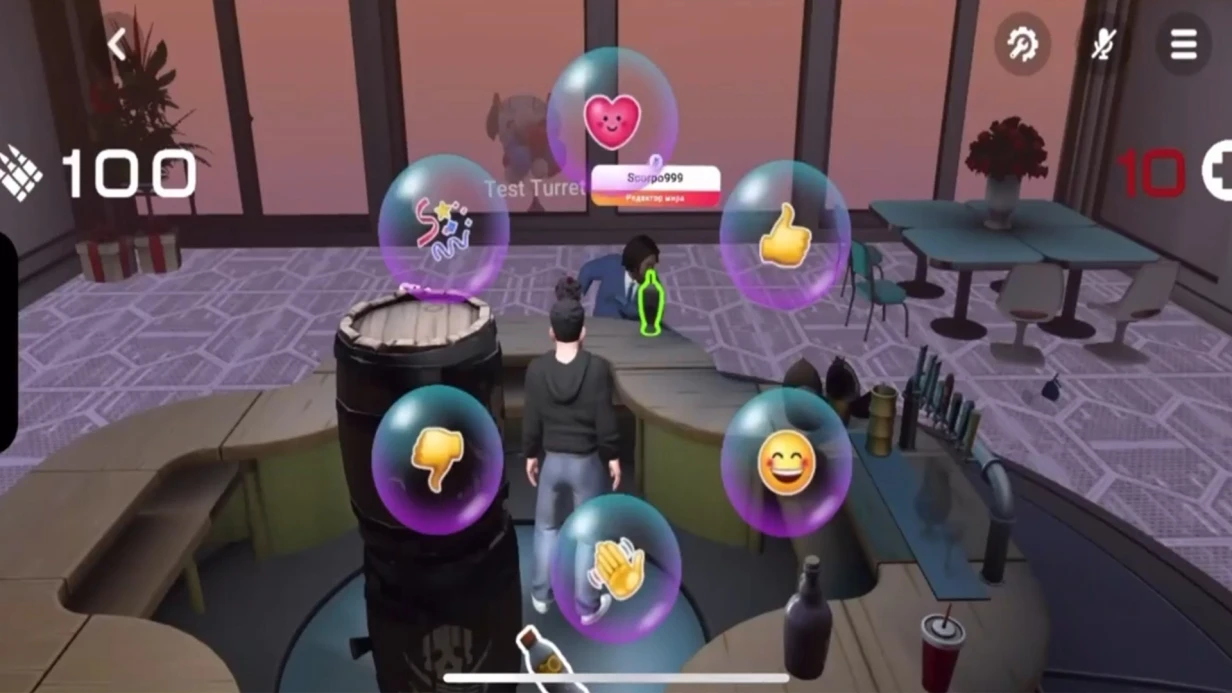
Virtual reality turns a booth into an interactive experience: a person does not listen to a monologue but controls the scenario themselves — exploring the interface of a future banking app, "walking through" a new-format branch, or getting to know an investment portfolio through a game-like format.
This kind of visitor engagement gives them a personal story tied to the brand, not just promotional information.
When a person has tried a product in action, they understand its value faster than from any brochure. They remember it, share the impression with colleagues, and leave a contact to learn more.
For a bank, this means concrete leads and measurable reach: a virtual booth can track sessions, depth of interaction, and interest in specific products.
We help banks rebuild their exhibition strategy: instead of passive observation, an active scenario that leads the visitor to an informed decision. Professional VR equipment and refined development tools make a booth that works for your business metrics.
Why VR Attracts Attention at Events
Ordinary booths and presentations at events get lost in a stream of impressions — guests walk past without stopping. A VR zone completely changes this: a person steps into a vivid interactive experience they want to see through to the end and tell others about.
As a result, the bank gets three outcomes: an emotional connection with the brand, live audience engagement, and measurable leads for the sales department. Let us look at each in more detail.
Emotion and Memorability
VR gives the guest a personal experience that is impossible through a screen or brochure. The immersion in a virtual world lasts a few minutes, but the impression stays for a long time. Participants share their emotions themselves — this works better than any promotional material.
Engagement and Reach
A bright VR zone becomes the center of an event: it attracts attention, draws a crowd, and creates a reason for photos and social media posts. Each visitor brings two or three more acquaintances along — reach grows without an additional advertising budget.
Leads for the Sales Department
After a session, you can automatically collect the participant's contacts and data about their interest in banking products. The CRM system receives a ready-made database of potential clients with precise information, and managers immediately know who to call.
We work on professional equipment such as HTC Vive and design scenarios tailored to the bank's goals — from mortgage education to presentations of investment products.
The result is not just a showy booth but a working marketing tool that pays off through new clients and increased brand awareness.
Which VR Formats Banks Choose for Events
Banks are increasingly using VR for events, and this is not a fashion trend but a practical tool.
A virtual presentation turns a dry product presentation into an emotional experience: the client "enters" the bank's office, sees deposits and loans in 3D, and remembers them for a long time.
For marketing, it is a way to stand out from competitors and show that the bank keeps pace with technology.
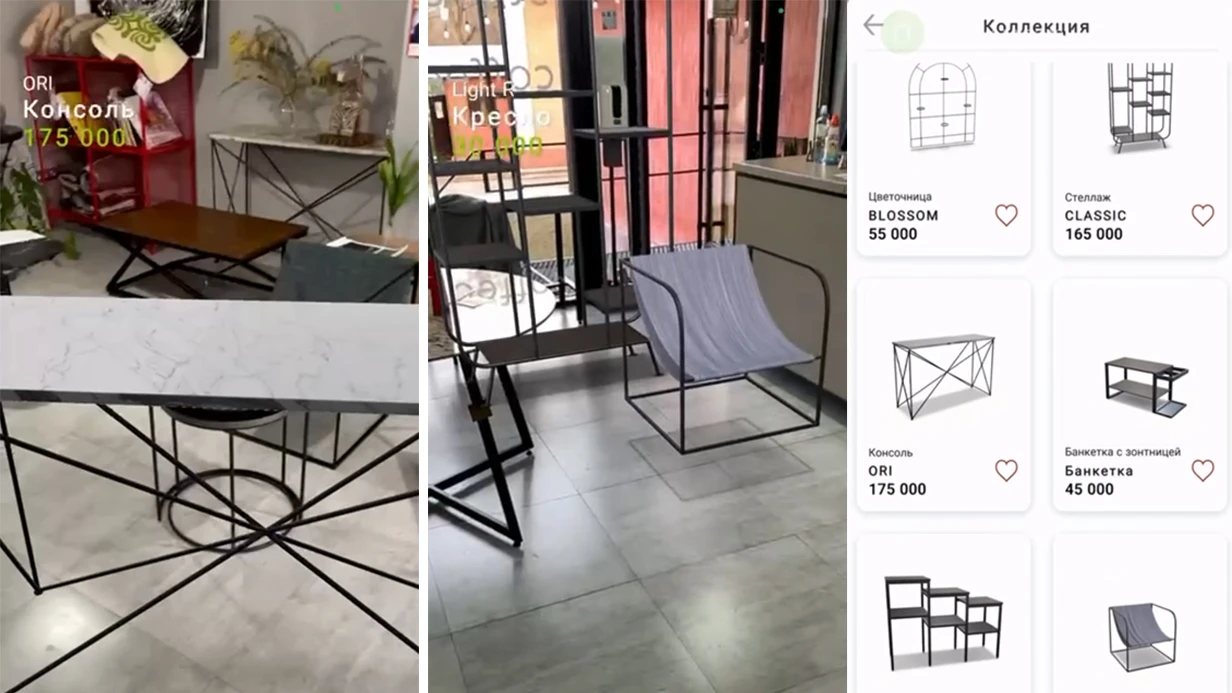
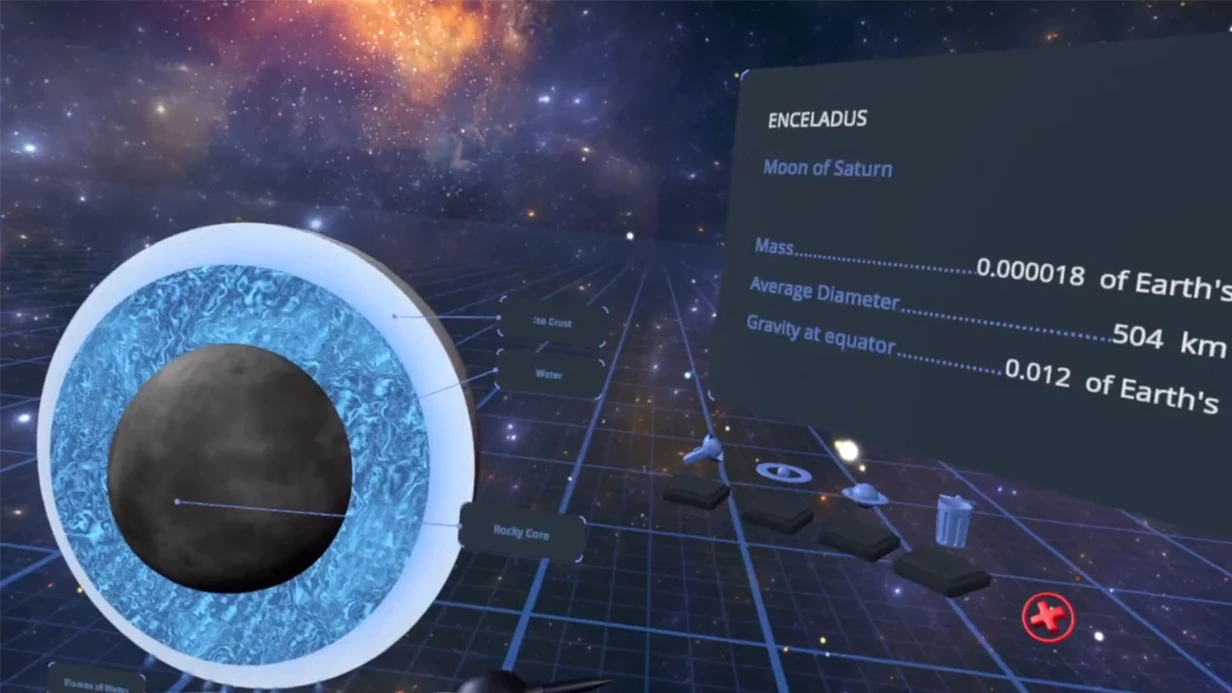
The most in-demand formats are a virtual showroom, a VR quest, and a VR simulator. The showroom works like an interactive display window: the client explores services at their own pace, opens details, and leaves a request.
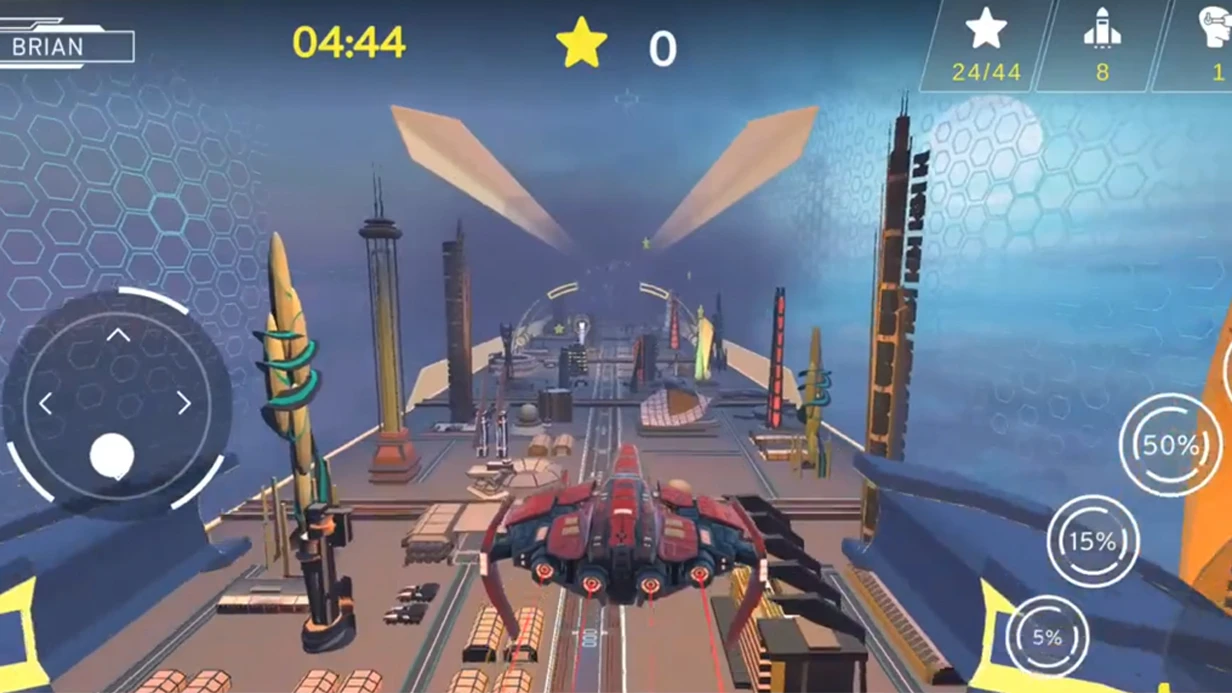
The quest draws guests into a scenario with tasks that lightly introduce the products — ideal for forums and exhibitions. The simulator suits employee training or demonstrating complex processes, such as working with biometrics.
| Format | Target audience | What it gives the client |
|---|---|---|
| Virtual showroom | Potential depositors at an event | Clear product understanding, quick response, the feeling of "having visited the bank" |
| VR quest | Broad audience at an exhibition | Memorable entertainment and a subtle introduction to the brand |
| VR simulator | Corporate clients, staff | Hands-on training and confidence in services without the risk of mistakes |
The choice of format depends on the goal: attracting new clients, training, or strengthening the brand image.
We help select a scenario for the event and budget, and we implement it on professional HTC Vive equipment — this guarantees stable operation even with a large flow of guests. Want your VR zone to become the main magnet of your event? We can deliver it turnkey: from scenario to on-site support.
How We Create a VR Project: Stages and Timelines
We understand that for a bank, predictable timelines and a transparent process matter: from the first meeting to a working VR solution. That is why we run every project along a clear path where you see the result at each stage and can influence it.
A typical project takes 4 to 8 weeks — the exact timeline depends on the complexity of the scenario and the scope of integrations.
- Brief and task immersion. At the start, we analyze your goals: employee training, product presentations, or client service. We define the audience, use cases, and success criteria — so the project solves exactly your business problem.
- Concept and scenario. We design the user journey: what actions an employee or client will take in the VR space, and what data they will receive. We approve the logic and functionality before development begins — this eliminates unnecessary revisions.
- Design and prototype. We create the visual style, interface, and interactive prototype. You see how the application will look, evaluate its usability, and make adjustments before programming starts.
- Development and testing. We build a full application and test it on VR equipment in real conditions. We check stability, response speed, and usability so that bank employees are not distracted by technical glitches.
- Launch and installation. We install the solution on your devices and configure it for your infrastructure. We train administrators and end users, provide clear instructions, and support the first launches.
- Support and evolution. After launch, we stay in touch: we update content, add new scenarios, and provide technical support. You get not a one-off application but a tool that grows with your goals.
At each stage, you receive a clear progress report, and you personally accept the final result. This prevents missed deadlines and unexpected expenses — and in the end, you get a VR solution that works for the bank's reputation and efficiency.
What Is Included in a VR Solution Package
A bank buys not just a program but a complete working process. The VR solution works immediately after installation: application, equipment, training, and support are bundled into one package.
Employees start using the scenario without involving internal IT specialists, and the manager gets a predictable launch across offices.
What is included in the delivery:
- An application adapted to the bank's tasks: staff training, product presentations, or client scenario practice. The program is configured and tested before handover.
- Professional VR equipment: headsets, controllers, and related components. Everything is assembled and ready to use after unpacking.
- Staff training: instruction for administrators and employees who will work in VR. A short scenario demonstration and Q&A.
- Documentation and procedures: clear instructions for launching, daily use, and basic maintenance. This allows you to roll out the solution to other branches without calling our team.
- Warranty on the application and equipment: during the warranty period, we fix any faults related to the operation of the package free of charge.
- Technical support: remote consultations during business hours to resolve issues quickly and avoid downtime.
The warranty and technical support eliminate the main risk — dependence on an external team. The bank receives not a box of hardware but a working tool: if something breaks, we take care of it. As a result, you launch your VR initiative quickly and with minimal internal resources.
Case Study: Increase in Inquiries After a VR Presentation
At exhibitions and forums, a guest has only a few seconds to decide whether to approach your booth or walk past. Brochures and screens no longer hold attention — people remember what they have touched and tested themselves. For a bank, this means losing potential clients before the first conversation with a manager.
We developed a VR presentation for "Central Bank" (name changed) to turn the booth into a place where the product can be "tried on." Instead of ordinary banners, guests entered a virtual office: they chose mortgage terms, looked at apartment options, and immediately saw the monthly payment. This turns a person from a viewer into a user — and that is the first step toward an inquiry.
Over two days, the VR zone was visited by 340 people, with an average immersion time of 6 minutes — three times longer than a presentation screen. 78% of visitors left their contact details with a manager.
A month later, the number of product inquiries grew by 47% compared to the previous quarter, and the conversion from inquiry to deal increased by 18 percentage points — clients came already understanding the product, so selling became easier.
The head of marketing noted that the VR presentation communicated the value of the mortgage program to an audience that was not ready to talk to a salesperson directly.
After that, the bank ordered virtual formats for three more regional exhibitions, and the case itself became a benchmark for the "digital booth" within the team. This proves: VR is not entertainment but a working tool for growing inquiries.
How to Choose a VR Contractor for Your Task?
Choosing a VR contractor starts not with a flashy presentation but with the question of whether they understand your business objective.
For banks, this is doubly important: the virtual experience must build trust, train employees, or attract clients, not just produce "wow" from novelty.
Therefore, the first criterion is always not the number of headsets and not the price, but the presence of relevant case studies and the ability to explain what result the client achieved.
Examine their portfolio through the lens of scenarios: are there projects for financial organizations, how were issues of information security and decision-making in stressful situations handled?
Ask to see not a demo video but a description of tasks, performance metrics, and testimonials. A reliable contractor names limitations and risks before you even ask about them. This indicates the maturity and honesty that are critical for an unconventional request.
Separately, discuss pricing. The right budget is neither the cheapest nor the most expensive, but one that matches the scope of work and guarantees.
Clarify what is included in the price: needs analysis, prototyping, testing with your users, team training, and support after launch.
If a contractor gives a number right away without diving into the task, that is a reason to pause: most likely they are selling you a template solution, not your result.
Finally, check the reputation. Talk to clients from their portfolio and find out how the project went: were deadlines missed, how conflicts were resolved, and whether they would return to this contractor again.
A good sign is a request to clarify your goals and audience, not an attempt to rush the deal. If the contractor speaks the language of your benefit, is ready to be accountable for results, and has proven experience in your industry, you have found a reliable partner.
This is exactly how we work with banks: research first, then a solution, always with a measurable business effect.
Frequently Asked Questions About VR for Business
Clients in the banking sector rarely ask about technology — they care about guarantees. Here are answers to the common questions we hear at every brief: what happens to the equipment, can we meet the deadline, and who is responsible for the result.
What if the equipment breaks or gets damaged?
We bring a backup set, and an engineer stays on site until the end of the event. Insurance is included in the cost, and replacement takes no more than an hour. In ten years of operation, we have never missed an event due to equipment failure.
Is it realistic to meet tight deadlines?
A standard project takes two to four weeks: from brief to final test. For urgent tasks, there is a proven workflow — we compress stages without losing quality. Dates are fixed in the contract, and we are responsible for delays.
Won't employees or visitors struggle with the controls?
We design the interface for a person with no experience: after putting on the headset, they immediately enter a clear scenario, and then prompts guide them. Training takes 15 minutes, and at events our assistant is always nearby.
Who is responsible for VR delivering business value?
We are responsible for results: we set goals in the brief and show metrics after launch. For banks, this is usually employee training speed, sales growth, or event reach. We analyze the data and refine the project until the agreed indicators are achieved.
Book a VR Consultation and Get an Estimate
Get a preliminary estimate and a consultation on your project — with no obligations and no waiting list. You submit a request, we reply within one business day, discuss the task, and offer options suited to your specific context.
An individual project is not a boxed solution but the development of scenarios around your needs: from employee training and remote service to product presentations. We will help you understand which format will deliver results and show how VR fits into your IT infrastructure.
What you get after the consultation:
- a calculation of the scope of work, stages, and timelines for your task;
- a format recommendation: headset, interactive booth, or hybrid solution;
- example scenarios for the banking sector — training, service, sales;
- an assessment of the required equipment and space requirements;
- recommendations for integration with your processes and procedures;
- a clear next-step plan — what needs to be clarified before starting.
For this, we only need a short brief: what you want to automate, train, or demonstrate. Leave a request, and we will prepare an estimate for your specific project, taking into account the scale and specifics of the bank's operations.