

Employee Onboarding: Why Standard Training Doesn't Work
New employees arrive with bright eyes, but within a week they hit a wall of information: regulations, internal processes, corporate standards.
Standard training in the form of presentations and briefings doesn't help them get up to speed — it overloads them with theory and doesn't provide the main thing: hands-on experience in real work situations.
As a result, the speed of adaptation drops, and a new person's productivity remains low for the first few months.
For business, this is a direct loss: mentors' time, newcomers' mistakes, the risk that a person won't pass the probation period and will leave.
New employee onboarding turns into an expensive and unpredictable process where the result depends on random factors — the mentor's personal qualities, team workload, availability of the right information. The company invests in hiring but doesn't get a return from new people fast enough.
The problem with classic staff training is that it's built on memorization, not practice. A person watches slides and listens to lectures, but when faced with a real task — gets lost.
Research shows that without immersion in the environment and skill practice, most information is forgotten in the first days. A newcomer needs a safe way to try, make mistakes, and understand how everything works without harming business processes.
This is where immersive onboarding helps. We create corporate VR scenarios where an employee goes through typical work situations — from the first client to a non-standard problem — and learns to act correctly.
This speeds up new employee onboarding several times, reduces the load on experienced colleagues, and makes training predictable: every newcomer gets the same quality experience regardless of who meets them on the first day. We help companies build such an onboarding system.
What a Corporate Metaverse Gives Business
New employees in the first weeks are overloaded with information: instructions, standards, names, and processes. Classic presentations and documents provide low engagement — after a month, less than a third of the knowledge remains.
A corporate metaverse changes the approach: the employee interacts with the materials themselves, completes tasks, and remembers three times more.
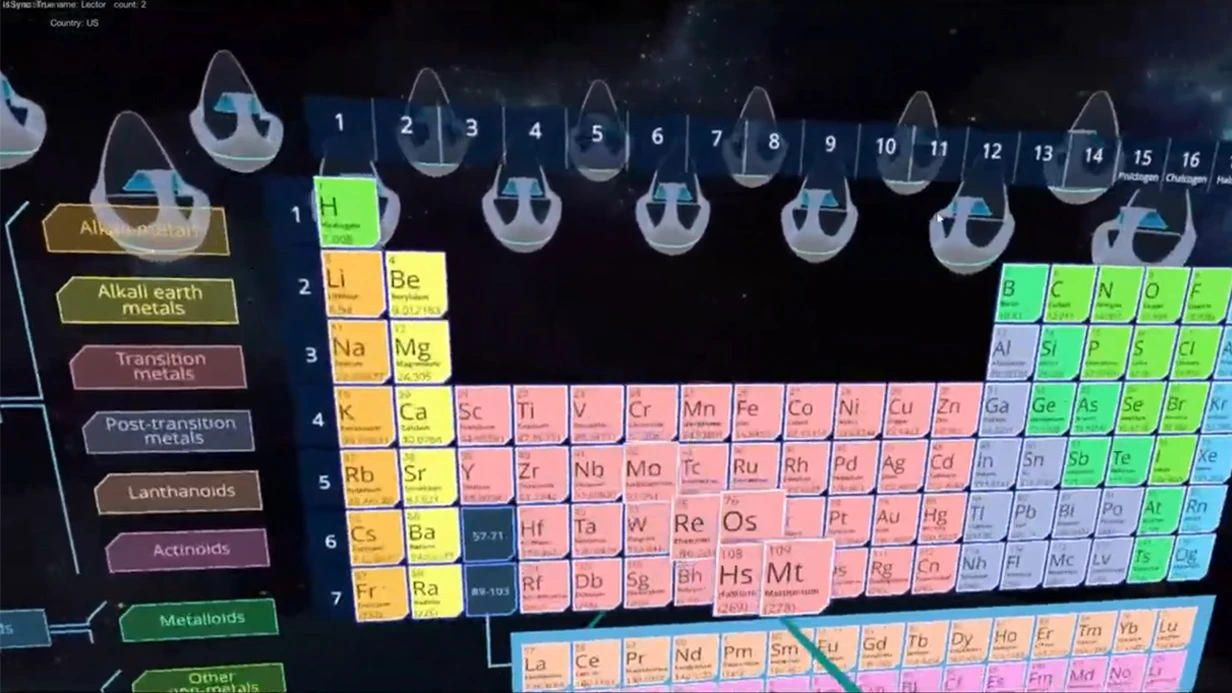
our team builds virtual spaces for onboarding, where training becomes practice, not reading. Instead of abstract slides — a working environment, equipment, and typical situations that can be replayed many times in safe mode.
Employee Engagement
VR training fully holds attention: there are no distracting chats, tabs, or calls. The employee is immersed in the scenario and receives instant feedback. Game elements add excitement and motivate them to complete the course rather than put it off.
Material Retention
Interactive practice engages muscle memory and emotions. The participant remembers actions, not text — learning effectiveness increases several times. This reduces the number of mistakes in the first months of work.
Unified Standards and Onboarding Speed
All newcomers go through the same virtual scenarios, so the company gets the same level of training at any branch. The benefits of VR training are obvious: the time for an employee to reach full productivity is cut from several weeks to several days. A manager is less distracted by mentoring, and the team accepts the newcomer faster.
Formats of VR/AR Solutions for Employee Onboarding
New employee onboarding is not just a welcome presentation. A person needs to quickly understand processes, master tools, and start delivering results. Virtual and augmented reality move training into practice, where a mistake costs nothing. We select the format for the task — from a virtual tour to a workplace simulator.
The table below shows the main options and their business results.
| Format | When to use | Business result |
|---|---|---|
| Virtual reality (full immersion) | Getting familiar with the site, practicing actions without risk | Employee is ready for day one, fewer mistakes |
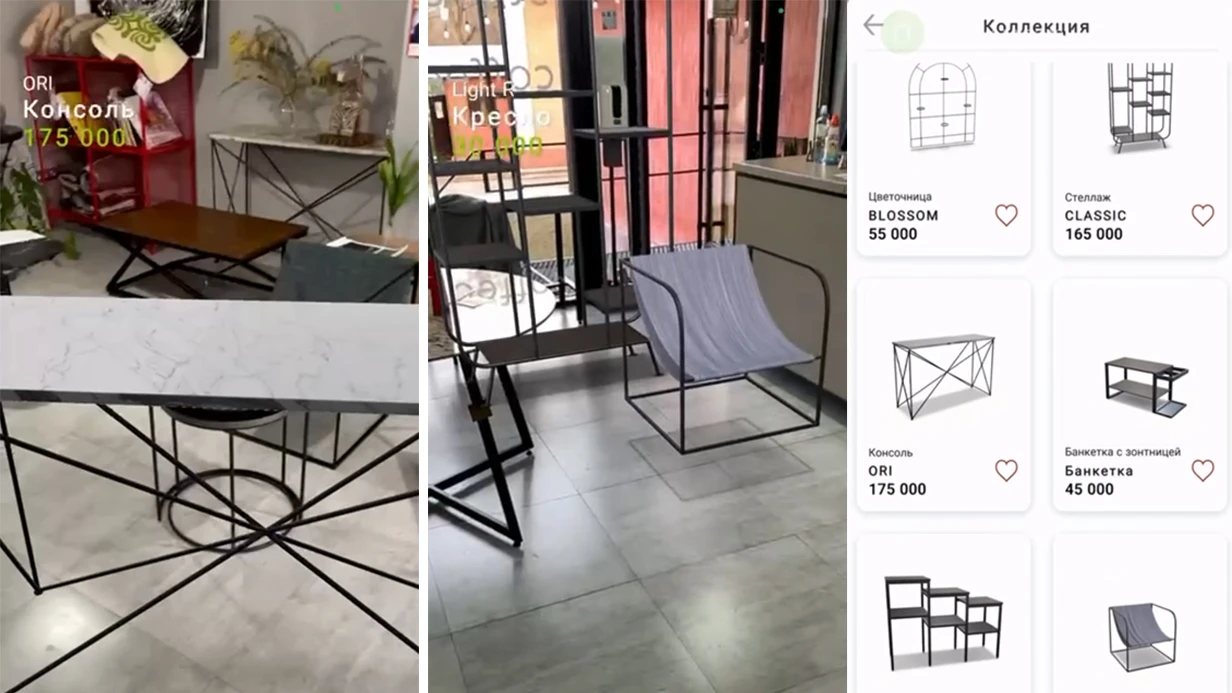
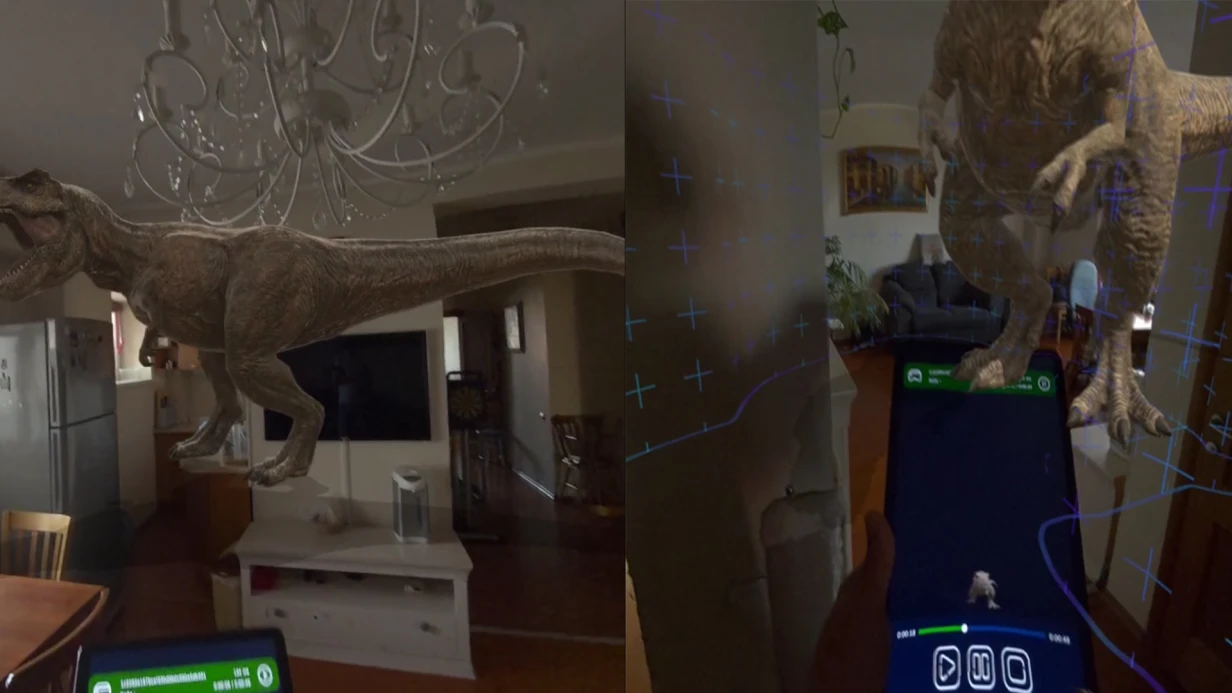
| Augmented reality (AR) | Overlaying instructions on equipment | Recalls operations faster, fewer questions for the mentor |
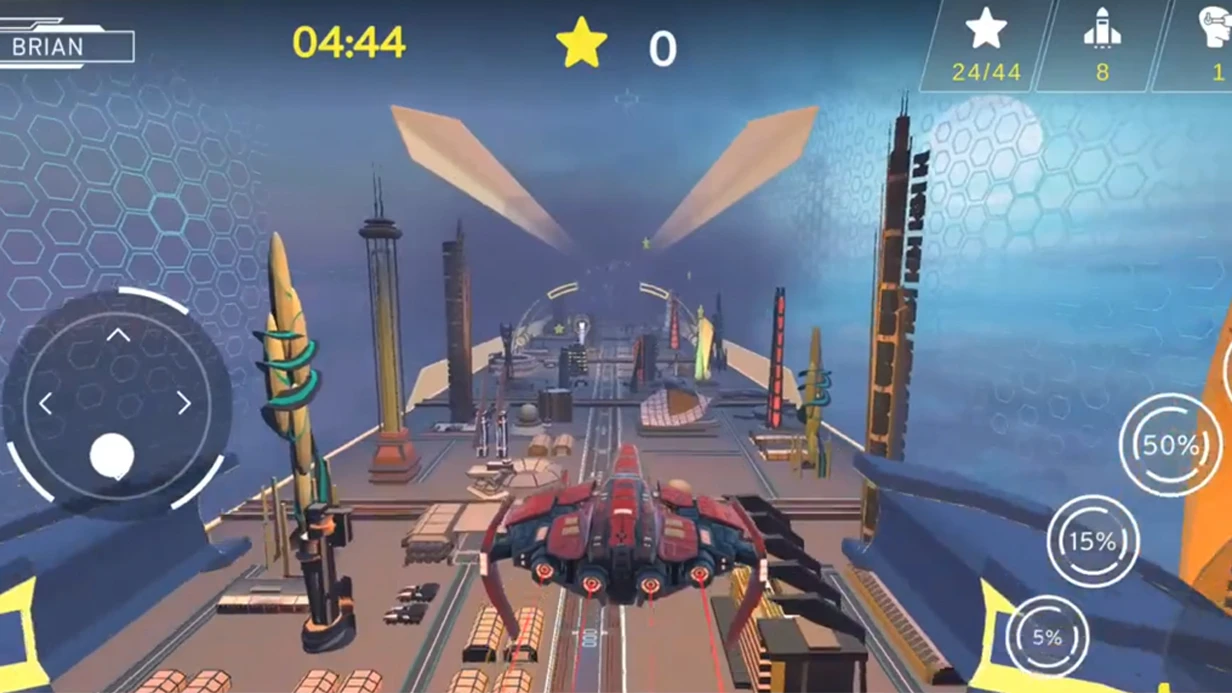
| VR simulators | Complex and emergency situations, customer scenarios | Skill to automatism without production downtime |
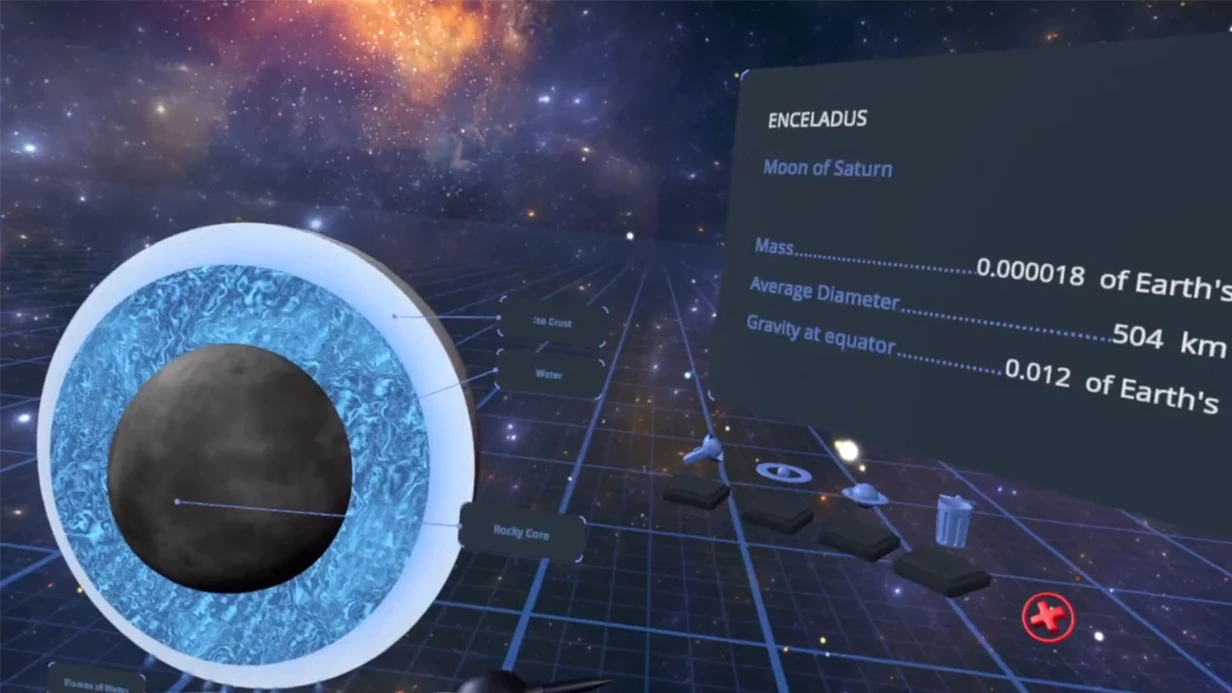
| Interactive 3D scenarios | Learning product and regulations | Higher engagement than reading documents |
A hybrid approach amplifies the result. For example, a newcomer takes a VR tour, then a simulator, and uses AR hints at the workplace. This accelerates reaching target metrics and relieves mentors, who usually spend hours repeating the same thing. A properly chosen format turns onboarding from stress into a clear, manageable process.
How a VR Training Implementation Project Works
A transparent process is what distinguishes VR training implementation from an ordinary purchase. At every stage, you see the result and control the budget.
Our team runs the project using a proven scheme; below are the stages of VR implementation for new employee onboarding.
- Brief and task analysis. We study your onboarding scenarios, newcomer profiles, and training goals. We set success criteria and project timelines.
- Plan and estimate. We prepare the schedule, team composition, and cost of each stage. We agree on checkpoints so you know exactly what you're paying for.
- VR project development. We create a scenario prototype, interaction logic, and assessment system. We show versions to HR and mentors and make adjustments at an early stage.
- Approval and refinement. We demonstrate a pilot version of the training. We run test sessions and refine the interface and scenarios based on feedback.
- Preparing for the VR training launch. We set up equipment, install the application, and train administrators. We run a pilot launch on a group of newcomers.
- Full-scale launch. We integrate the VR module into the onboarding process. We support the first cohorts, collect metrics and employee feedback.
- Support and development. We analyze results, update scenarios, and add new modules. We provide technical support and help scale the program.
This is what the process of creating an application for new employee onboarding looks like. You get a working tool that shortens the time to full proficiency and systematizes knowledge transfer.
What's Included in a Corporate VR Solution Delivery
When you order a corporate VR solution, it's important to know in advance what's included in the delivery. We assemble it so you get a ready-to-use working tool, not a set of parts you have to finish and configure yourself.
- A ready-made VR training scenario, adapted to the tasks of new employee onboarding. You don't need to invent anything — the scenario covers real situations and typical actions in your company, and newcomers integrate into the workflow faster.
- CRM integration — course completion results are automatically sent to your system. HR specialists see each employee's progress, can adjust the program in a timely manner, and track training effectiveness.
- Instructions and regulations for administrators: how to run sessions, work with reports, and add new users. Everything is described in plain language, without technical complexity — any HR staff member can handle it.
- Training for your team — we conduct training for HR specialists and mentors so they confidently use the equipment and analyze data. You don't depend on the developer in day-to-day work.
- Warranty support for the VR solution for the entire service life. We answer questions, help update scenarios, and quickly replace equipment when necessary — the onboarding process doesn't stop.
- A full package of documents and rights — you get the right to use the scenario, standard contracts, closing documents, and internal documentation. Everything is transparent for accounting and management.
As a result, you get a solution that works immediately after installation: scenario, integration, training, and support are already included. All that's left is to invite new employees and launch the program — without a separate project or unnecessary approvals.
Implementation Results: A Real Case
When an employee starts a new position, the first weeks determine whether they will stay with the company long-term. In the financial sector, the cost of a mistake is especially high: overloaded instructions, long onboarding, and a shortage of mentors. We solved this problem with a virtual environment — and got a measurable result for the business.
Case: Onboarding in a Financial Group
For a large financial organization, we developed a corporate metaverse for onboarding.
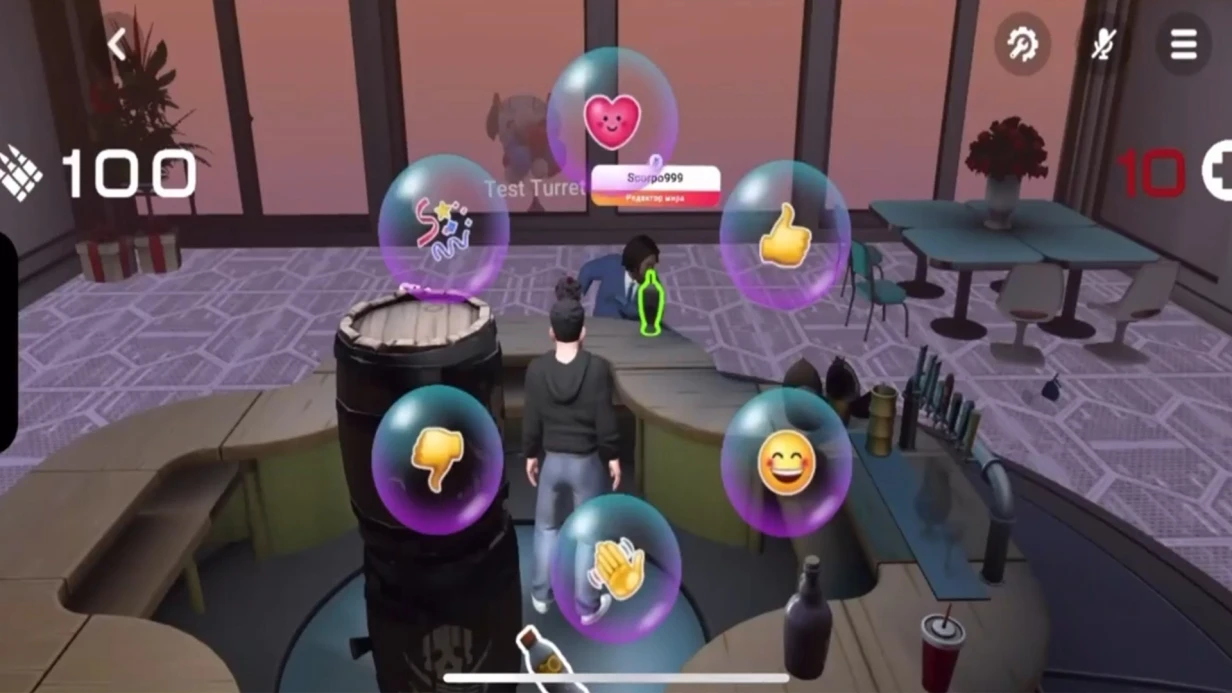
From day one, new employees entered an interactive office: they met the team, studied regulations, and completed simulations of typical situations — without the risk of making mistakes in real operations.
Financial Group "Aktiv" was the first to implement this format, and the experience proved successful.
The implementation results speak for themselves:
- Onboarding time decreased by 40% — employees reached full workload by the third week rather than by the end of the second month.
- Retention after the probation period rose to 85%: new colleagues were less likely to leave because they integrated into processes faster and felt supported.
- Mentor workload dropped by almost half — routine questions are handled inside the simulator, while live specialists only deal with complex cases.
For the company, this means direct savings: less time spent on training, less turnover, faster return from new people. Six months later, the client ordered a second module — for leadership development. A successful experience turned into a long-term partnership.
Why It Worked
We didn't just "draw a 3D office." The environment replicates real work scenarios and lets employees practice them without fear of failure. The employee sees their own development, and HR gets clear progress analytics.
We accompany every launch with methodological materials, so results are achieved on the first try and are easy to scale. If you want to shorten onboarding in your company the same way — tell us about your task, and we'll find a solution for your scale.
Frequently Asked Questions About VR Training Implementation
VR training implementation is usually slowed down not by technology, but by "what if..." questions. We address the main fears: return on investment, breakdowns, and the need for your own technical specialist.
How quickly will VR training pay off?
VR training shortens time-to-proficiency by an average of 2-3 times due to immersion in realistic scenarios. A new employee starts working independently sooner, which means the company gets a return on their hiring earlier. Payback occurs within a few months with a regular flow of newcomers.
What if the equipment breaks down?
We provide a warranty on all equipment and support the project after launch. In case of a breakdown, we replace the device as quickly as possible — just write to us in the chat. Even if a problem arises after a year, you won't be left without a working system.
Do we need a tech specialist on staff for implementation?
No. We handle setup, installation, and content updates. An employee with basic skills can start the system using the instructions, and we handle everything else remotely — updating scenarios and monitoring performance.
Where do we start if we've never used VR before?
Start with a pilot project: we'll choose one onboarding process, prepare a scenario, and show the result on real employees. Based on the pilot, you'll see metrics — time-to-proficiency, engagement, and newcomer mistakes — and can then decide about scaling.
You see, the main fears are resolved at the discussion stage. The next step is a short call, where we'll answer your questions and propose a pilot format for your task.Ready to Discuss Your Project? Leave a Request
New employee onboarding directly affects the speed of reaching productivity and team turnover. A VR scenario makes training visual and safe, but to make it work, it's important to design the scenario properly and choose the right format.
We've been doing this for more than 10 years and support the project from idea to launch — so after your request, you'll get concrete steps, not general words.
Leave a request, and here's what happens next:
- VR consultation: we'll analyze your task and advise where an immersive format will bring the greatest effect, and where regular materials are enough.
- VR cost estimate: a transparent estimate for your scenario — no hidden fees or "surprises" during implementation.
- Audit of your current onboarding program: we'll identify which stages can be moved to VR and estimate the savings in mentor time.
- Scenario prototype: we'll show what the virtual tour or training will look like before full development begins.
- Turnkey solution: we develop content, configure equipment, train administrators, and provide post-launch support.
- Support and development: we collect progress analytics, make edits, and scale the solution to other departments.
You can order VR development today — leave a request, and we'll prepare the optimal solution for new employee onboarding. We work remotely, so we quickly get involved in the project and aren't tied to geography.
We'll call you back within a business day, answer your questions, and prepare a VR cost estimate. No obligations: first benefit for your business, then a decision.
How to Choose the Right Format for Your Task?
There is no universal "best" VR format — the right choice depends on the business task and the type of training you want to conduct.
The "technology first, goal later" approach leads to unnecessary spending and disappointment, so we recommend starting from the result.
If the main goal is fast onboarding of a newcomer and reducing mentor workload, you need a full immersion scenario with practice of real work actions and automatic feedback.
If the task is to introduce the brand and corporate culture, a light interactive tour that runs even on a regular computer or smartphone is enough. And for developing negotiation or customer service skills, a dialogue simulator with error analysis is a better fit.
You don't necessarily have to buy expensive equipment right away: some formats work on what employees already have.
The type of training also determines the format: safety briefing is a short realistic simulator with action verification; certification is a scenario with recorded results and a report for the manager; teamwork is a joint VR session where employees learn to interact.
The more precisely the training type is defined, the more precisely we'll select a solution — both in complexity and budget. We help you avoid getting lost in options and recommend the optimal level of immersion so you don't overpay for unnecessary features.
During the consultation, we analyze your task, audience, and expected result, and then propose a suitable format — from a simple 3D video to a full-fledged corporate metaverse for onboarding new employees.
You get a tool that integrates into processes, not just a "wow effect" at an event. That's the right VR format choice — one that solves a specific business problem and measurably improves learning outcomes.