

Product training for dealers and partners: how not to lose deals
Your dealers and partners are an extension of your sales department. If they don't know the product well enough, clients hear hesitant answers, get vague presentations, and leave for competitors.
And while newcomers spend weeks studying catalogs and slides, deals fall through, and the product launch loses momentum.
Classic training doesn't provide practice: theory is forgotten after a couple of weeks, and practicing objection handling on real clients is too expensive and slow.
As a result, sales through dealers depend on the random skills of individual managers rather than on a structured system.
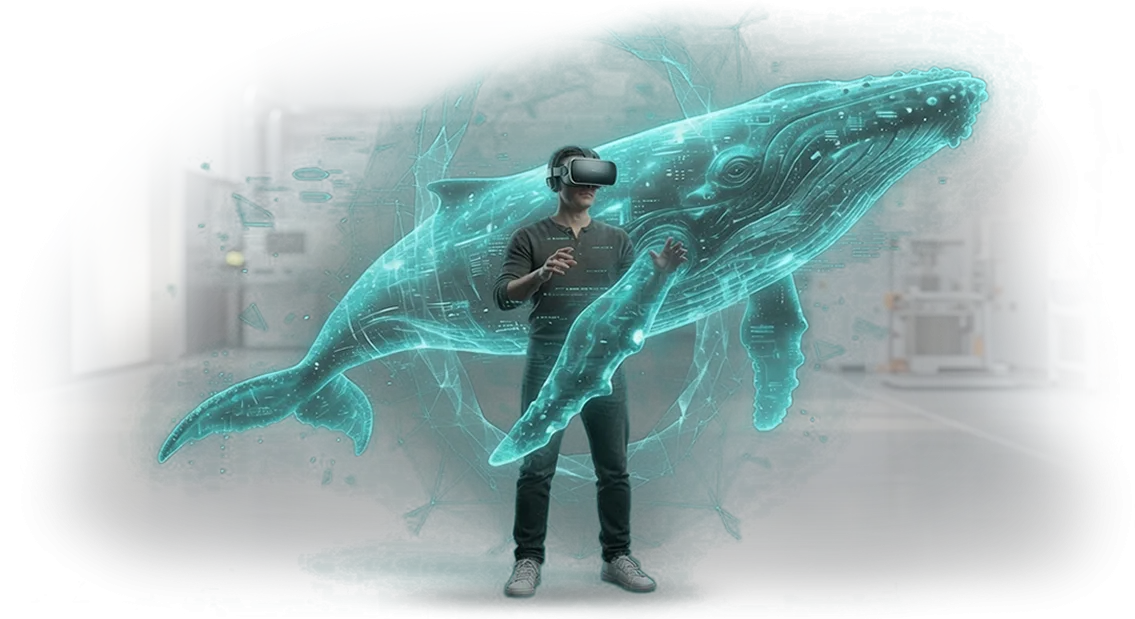
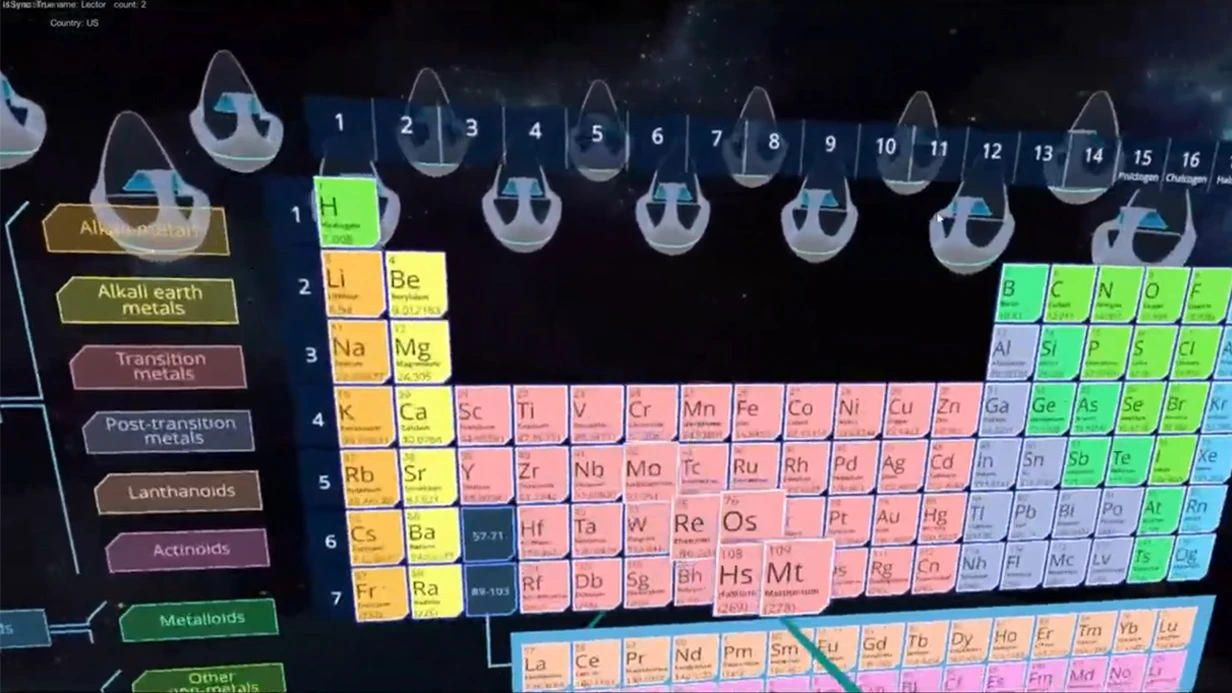
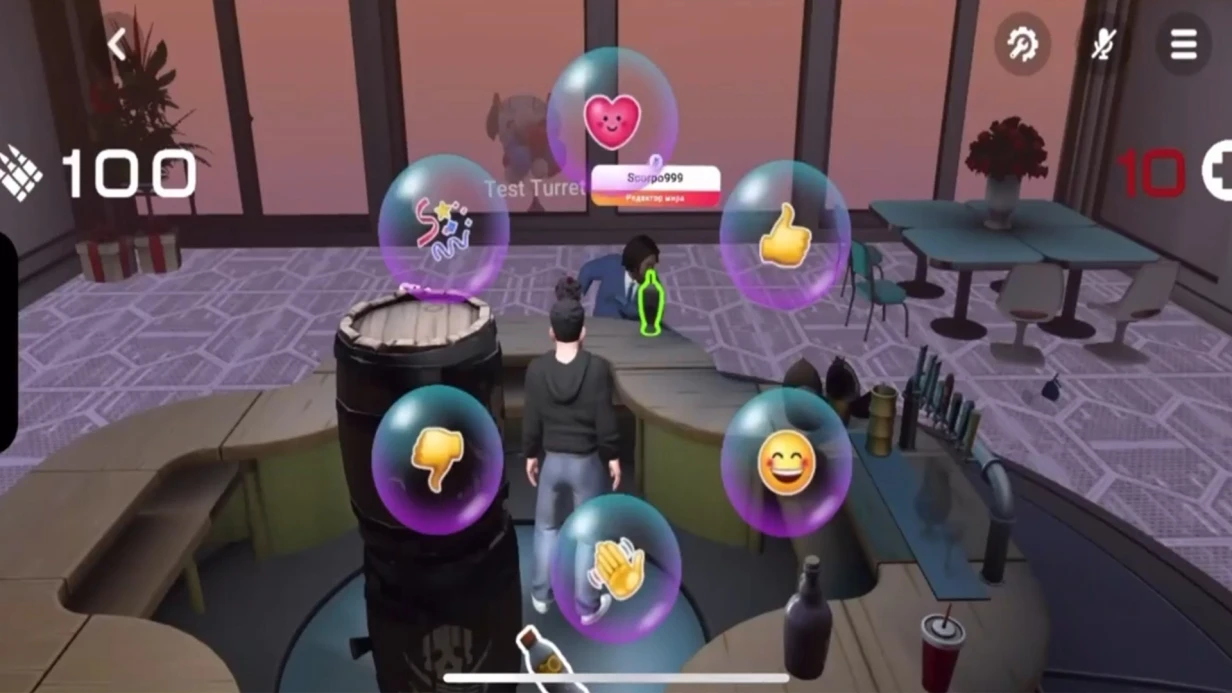
We bridge this gap with virtual training in a corporate metaverse. Dealers and partners enter interactive scenarios with virtual buyers: they study the product in 3D, practice handling objections, and take the deal to closing in a safe environment. This isn't an entertainment quest but a working tool that builds lasting skills in just a few days.
Virtual training removes geographic constraints: no need to gather partners in the office or send trainers to branches.
Each participant completes the program from any device at a convenient time, and you see objective statistics — who is ready for real negotiations and who needs additional practice.
This transforms partner training from a cost into a manageable growth channel that directly affects the number of closed deals.
What benefits modern training brings
Dealers and partners are the front line of your sales. If they are slow to get up to speed with the product line, study materials the old-fashioned way, and handle objections each in their own way, revenue and brand reputation suffer.
Modern training formats address exactly these problems: they speed up employee preparation and level out the quality of their work across the entire network.
Fast onboarding is the first obvious result. Instead of multi-week lectures and PDF manuals, a new employee enters virtual scenarios where they immediately "touch" the product and work through objections and mistakes in a safe environment.
The skill is reinforced by practice rather than theory, so noticeably less time passes before the first real customer interaction.
The second important effect is a unified knowledge standard. All participants go through the same scenarios and see the same reference standards for presentations and handling questions.
This removes dependence on the personal experience of a particular mentor and ensures that a dealer in any region presents the product with the same confidence. As a result, the client gets predictable service quality, and you get a transparent training control system.
The main benefit for business is higher conversion and sales. A trained employee identifies needs faster, presents advantages more confidently, and is less likely to lose a deal at the hesitation stage.
Companies that implement such training report not only faster ramp-up of new hires to target metrics, but also an overall increase in average order value through more skilled cross-selling and upselling.
Modern training turns scattered product information into a manageable business process. You scale knowledge the same way you scale sales — quickly, standardly, and with measurable results.
Project formats: from VR simulators to the metaverse
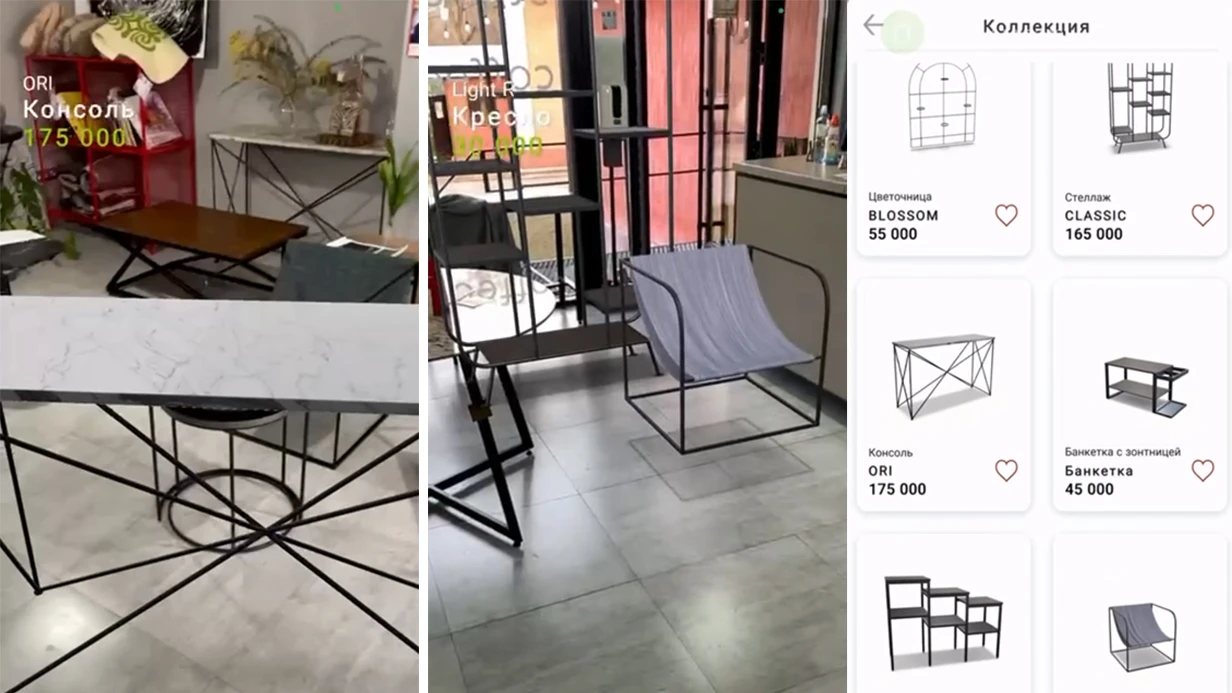
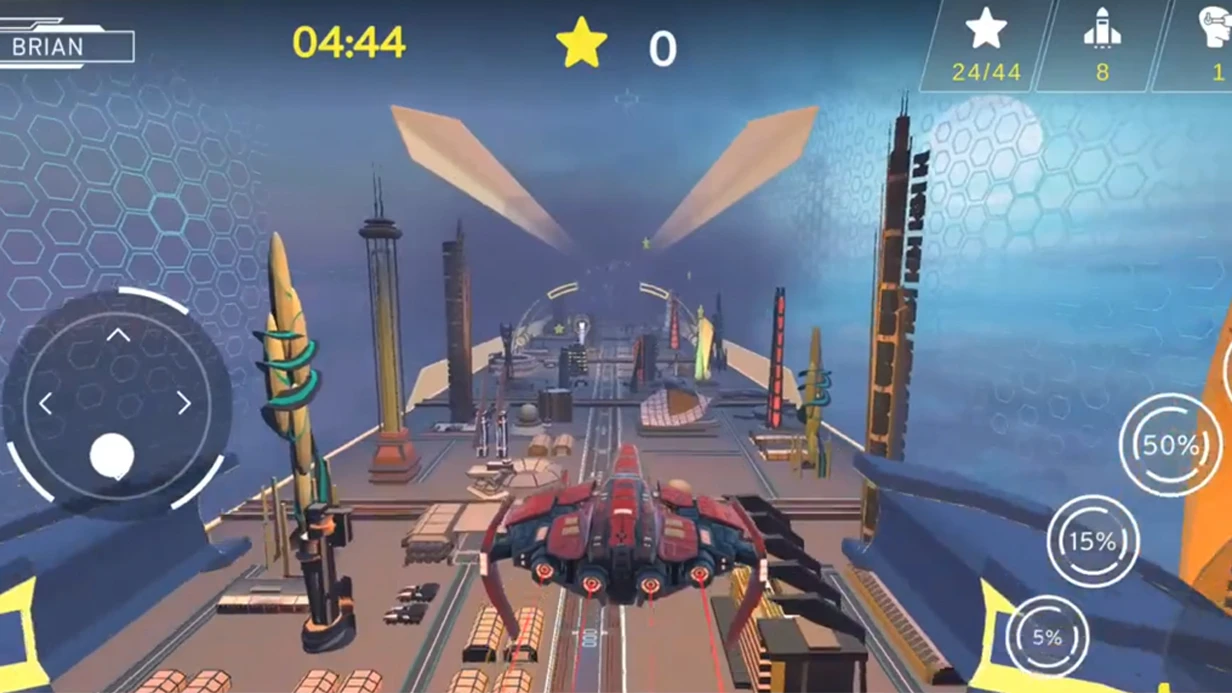
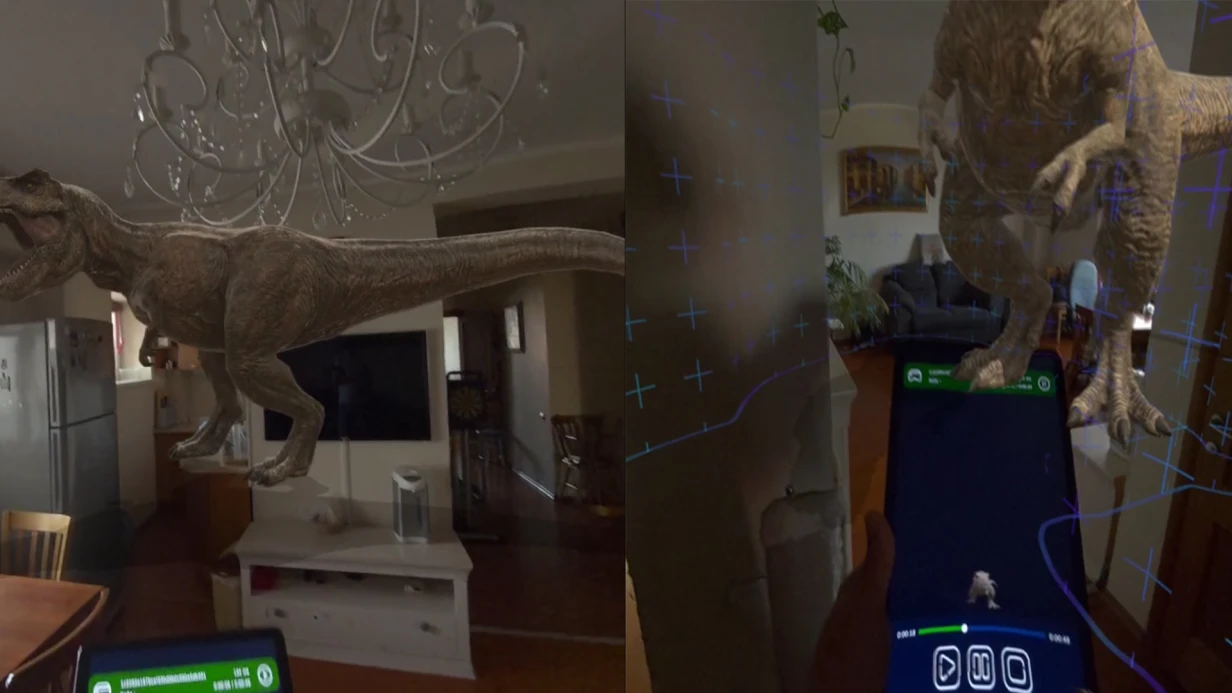
VR, AR, and MR formats are not just technologies but different training scenarios. Each has its own purpose: VR immerses you in an environment and cuts you off from reality, AR overlays instructions onto a physical object, MR connects the real and digital worlds.
The corporate metaverse brings them together into a persistent environment for developing dealers and partners.
| Format | For whom | What it gives the client |
|---|---|---|
| VR simulator | Dealers and partners who need to practice actions in a safe environment | Full immersion, no risks to equipment or people, skill practice to the point of automation |
| AR training | Field employees working with real products | Instant process hints, 30–40% fewer errors without interrupting work |
| MR simulator | Teams that need to interact with real and digital content simultaneously | Combination of physical objects and virtual data, high engagement |
| Corporate metaverse | Companies with a wide network of dealers and partners | Unified training space, online connection for thousands of employees, up-to-date materials with no logistics costs |
How to choose a format? If the main task is practicing complex actions or working in hazardous conditions, choose VR. If you need to quickly teach employees to work with a new product, AR instructions that appear right on a smartphone or tablet screen are sufficient. For teams where collaborative work with real objects is important, MR is the better fit.
The corporate metaverse is an investment in systematic training. It unites all formats and gives the company a single platform for onboarding, certification, and professional development of dealers. Brands such as Samsung already use these solutions — and it pays off faster than it seems.
We will help you choose a format for your task and budget, design the scenario, and launch a turnkey project. Leave a request — we'll show examples from your industry.
Stages of work on your project
We work on a transparent scheme: at every stage you see what is happening with the project and control the result. No "black box" — only clear steps, deadlines, and approval points, so dealer and partner training launches on time and without surprises.
-
Brief and task analysis. We record which products the training covers, who your audience is, and what results you want to achieve. The output is a clear technical specification and an understanding of the scope of work.
-
Development of the training scenario. Together with you, we build the storyline: what situations we play out, what mistakes we show, how we test knowledge. You approve the scenario — it is the foundation on which the entire project is built.
-
Prototype approval. Before full development starts, we create an interactive mock-up of the key fragment. You see how the training looks and works, and you make edits — to the scenario, interface, and task logic.
-
Development and internal testing. We build the platform, fill it with your content, and test it on different devices and scenarios. You receive a stable version ready for a pilot launch.
-
Platform launch. We deploy the system, connect dealers and partners, and conduct administrator briefings. We organize a pilot on a small group, collect feedback, and make final adjustments.
-
Support and development. After launch, we stay in touch: we update scenarios for new products, add sections, and monitor stability. On request, we prepare reports on training completion and user progress.
What is included in the delivery
You get not separate modules but a complete dealer and partner training system. We put together a package for your task — from scenario to daily support. Everything is already configured; all you need to do is launch and distribute access.
The delivery includes:
- Well-thought-out training scenario. We develop a program that takes an employee from their first exposure to the product to confident objection handling.
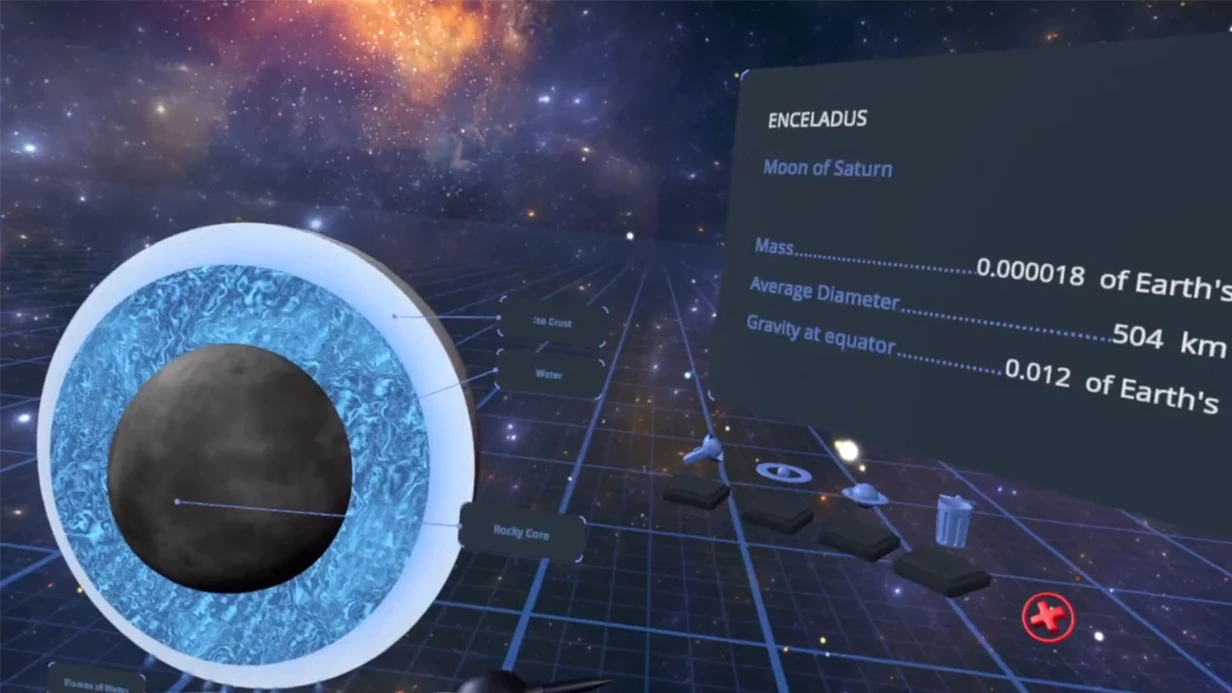
- Interactive content. 3D models, simulations, and examples of real situations — the dealer practices on safe scenarios without risking the loss of a real client.
- CRM integration. Training completion results automatically flow into your system. You see each participant's progress and understand who is ready to sell and who needs extra practice.
- Training for your administrators. Your company's specialists will learn to update materials, add new modules, and change scenarios without involving developers.
- Technical support. After launch, we're available: we quickly resolve issues, help with unusual situations, and advise on how to improve the learning process.
- Result guarantee. We set deadlines and clear quality criteria. You know in advance that you'll get a working tool, not a "semi-finished product."
This package covers every stage — from the dealer's first encounter with the material to result tracking in your CRM. You spend minimal time on organization, and partners reach confident sales faster.
Case study: how training increased partner sales
Managers and commercial directors know: even a strong product doesn't generate profit until partners know how to sell it.
Federal home appliance dealer TechnoLine came to us with a typical pain point: training took two weeks, half the employees didn't make it to the end, and new models sold half as well as expected.
We designed a corporate metaverse — a virtual showroom with interactive sales scenarios. Instead of boring presentations — role-playing dialogues, objection handling, and knowledge checks in a simulator format. Partners completed the training on a phone or computer without interrupting their work.
Three months later, we measured the implementation results. Time to first sales dropped from 14 to 6 days, training NPS grew from 20 to 54 — participants themselves recommended the course to colleagues.
Most importantly: sales of new models grew by 31%, and those who completed the training closed a quarter more deals.
The most valuable thing is the systemic effect: sales standards are uniform across all locations, turnover decreases, and the training center no longer depends on renting space or trainer travel.
This training case study shows that investments in partner competencies pay off within the first quarter. We use the same methodology for any complex products — we adapt scenarios to your market.
How to choose a format for your task?
There is no universal answer to "which format is best" — the right option is determined by your goals, available budget, and team geography.
If employees need to immerse themselves deeply in a process, practice a complex algorithm, or a rare situation without risk and distractions — choose VR.
If the task is to quickly get a hint, instruction, or checklist overlaid on a real object — AR is more practical, especially since it usually works on the smartphones and tablets employees already have.
For group collaborative training, where people interact with each other and with real equipment, and digital objects augment the physical space — MR is a good fit.
Budget determines the scale and speed of implementation. The VR format requires purchasing headsets or setting up stationary classes, so it should be considered for strategically important programs with a long period of use.
AR is significantly more accessible: no logistics or complex equipment setup, and content updates are centralized. Therefore, for regular training of large teams or dealers with varying technical capabilities, it is often a more effective investment.
Employee geography affects launch complexity. If the team is distributed across regions, AR and MR deploy faster — you just send an app link, and training happens at a convenient time.
VR also works remotely but requires managing a fleet of devices, their delivery, and content version control. In every case, we assess the real conditions of your team and suggest a format that won't sit unused but will actually be adopted.
We usually recommend starting with a brief diagnostic: together we define the training goal, typical work scenarios, number of participants, and their technical capabilities. Based on this, we select a format — VR, AR, or a combination — and design content around it.
This way, you get not just a "trendy technology" but a tool that genuinely increases dealer competence and shortens the time needed to bring partners up to the required sales level.
Answers to common client questions
Any project related to corporate training raises questions: how difficult is it to implement a new environment, will it work with the systems already in use, and when will the first results appear. We answer honestly — based on dozens of projects implemented for dealers and partners.
How difficult is it to implement a metaverse into current dealer training?
We handle the entire technical side: integration, setup, and support. On your team's side, it's enough to designate someone responsible for training content.
Dealers launch training through their usual browser, without installing complex software or hardware-demanding applications — this lowers the barrier to entry and doesn't require restructuring processes.
Is the platform compatible with systems we already use?
Yes. We design the solution to complement your existing infrastructure: the learning management system, CRM, or internal portal.
There will be no need to replace working tools — the metaverse integrates with them as a separate training module, and course completion data is easily synchronized with your analytics.
What are the development timelines for the first training module?
The first pilot module typically takes four to six weeks — depending on the number of scenarios and source materials. After that, the process speeds up: subsequent modules are made faster because the base and methodology are already refined. We fix exact timelines in the contract after the briefing and material testing.
Will we need to train administrators and constantly involve the IT department?
No. We set up a simple administrator interface that an employee without a technical background can handle. Training for your team is included in the project, and after launch we stay in touch and support the system.
If doubts remain — we'll send case studies from your industry and show what a working metaverse looks like from the inside. Start with a pilot on one product module: this way you'll see the results with your dealers and understand how to scale the solution across your entire network.Leave a request — let's discuss your project
Product training for dealers and partners means ongoing costs for logistics, venue rental, and taking employees away from work. The corporate metaverse removes these limitations: employees complete scenarios at a convenient time and immediately practice skills on simulators. But before making a decision, it's important to see how it works and understand the budget.
We shorten the path from request to launch: consultation, cost calculation, and demo access. You get an estimate tailored to your scale and specific training scenarios, not an abstract presentation.
What you get after submitting a request:
- a consultation with a methodologist — we analyze your products, dealer audience, and training goals;
- a cost estimate based on the number of users and scenarios — no hidden charges;
- demo access to the corporate metaverse — you go through a training scenario yourself on a laptop or in a virtual reality headset;
- an implementation plan with a calendar schedule and pilot stages;
- integration with a learning management system or internal portal — results are included in unified reporting;
- support at all stages — from scenario adaptation to regular updates for new products.
Leave a request — within one business day we'll contact you, answer questions, show a demo, and prepare an estimate. Then you decide: launch a pilot with a group of dealers or scale the training across the entire network right away.