

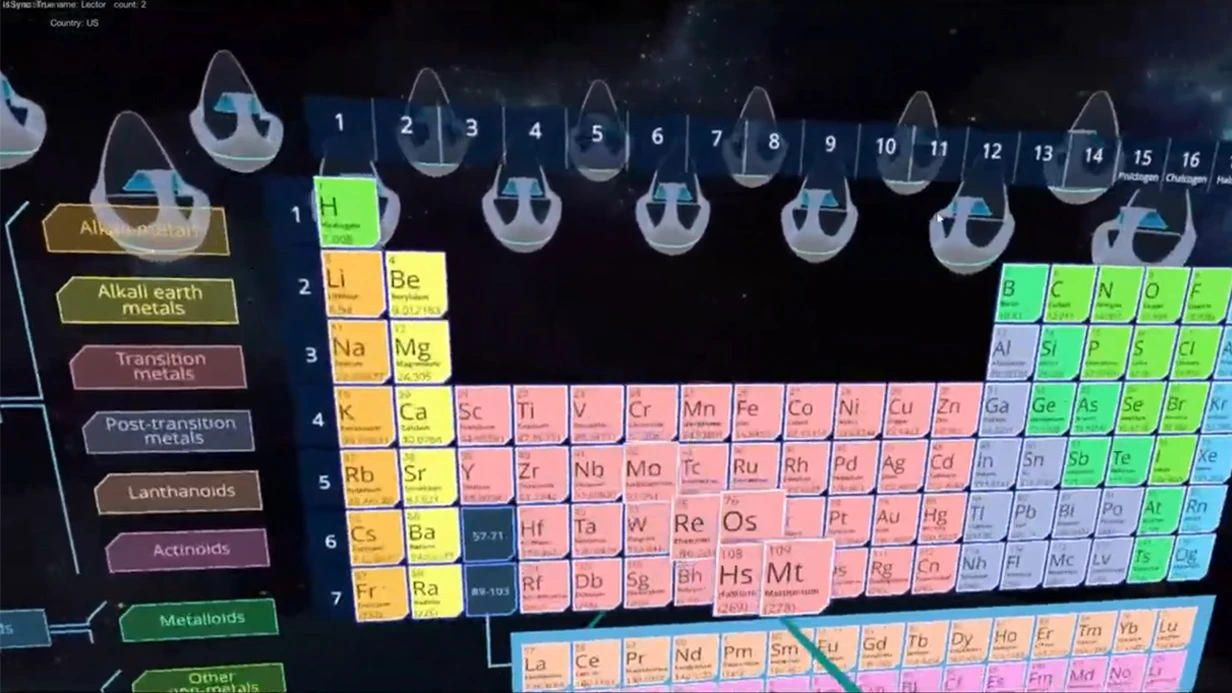
Why the Oil and Gas Industry Needs VR and AR Solutions
The oil and gas industry operates in conditions where the cost of a mistake is measured not in fines but in people's safety and downtime of expensive equipment. Every new employee must master complex regulations, and experienced personnel must regularly confirm their skills.
Traditional briefings and paper instructions provide theory, but not practice, and training at a real facility is too risky and expensive.
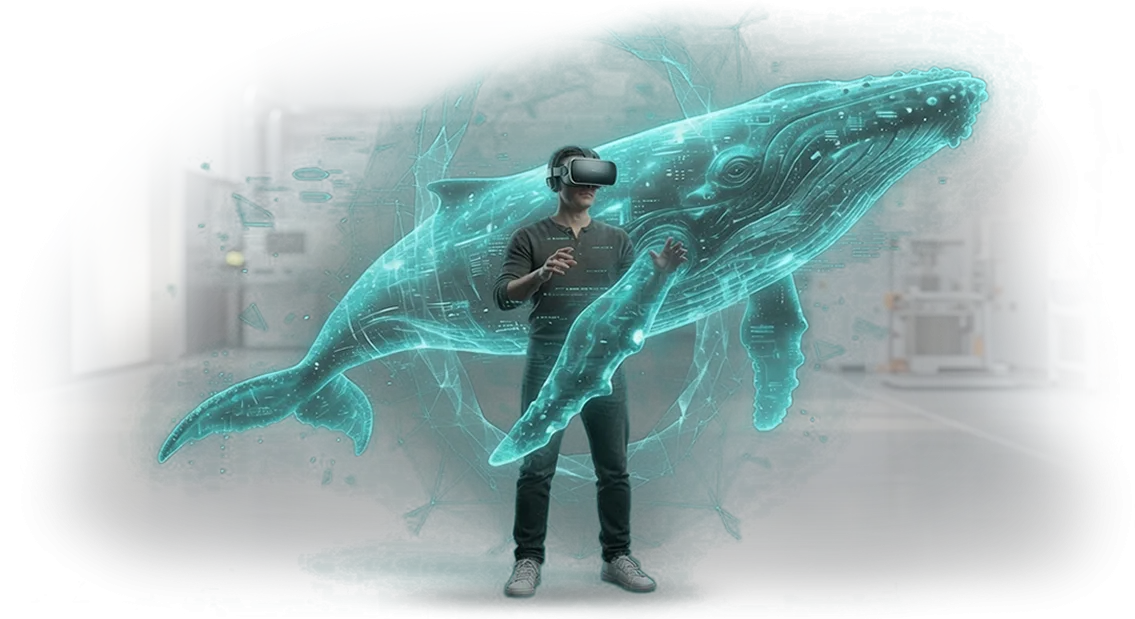
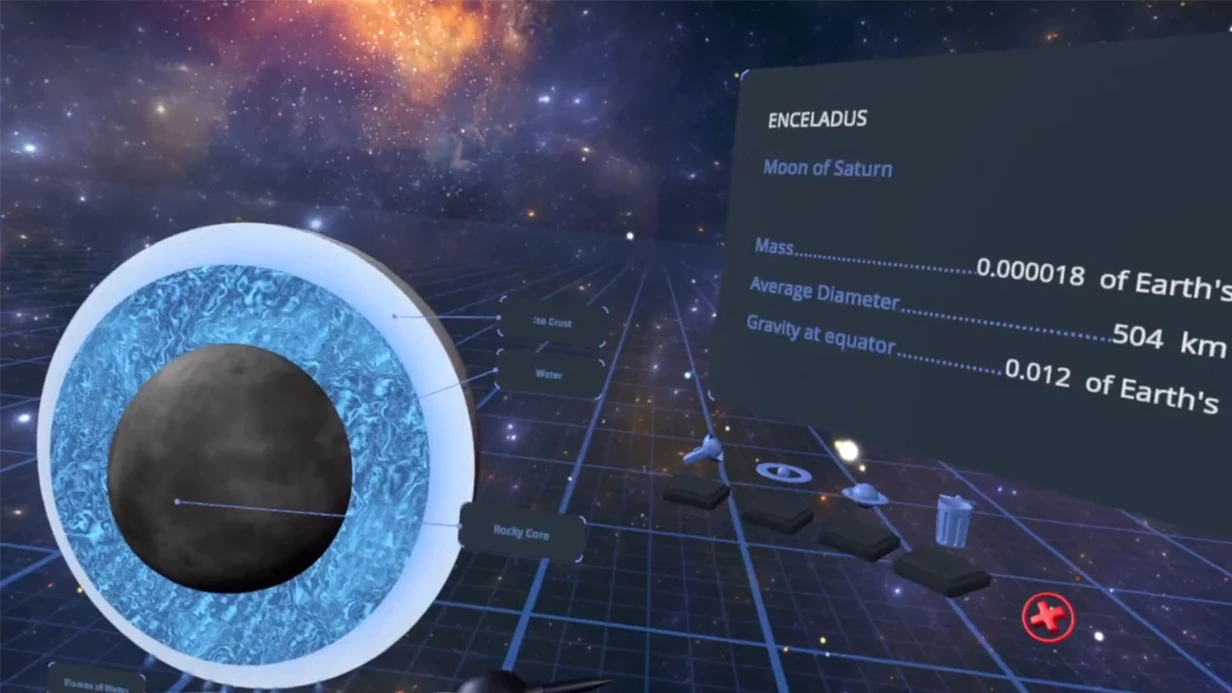
This is where implementing VR and AR in the oil and gas industry stops being an experiment and becomes a working tool. Immersive technologies allow a specialist to be placed in a virtual copy of a production site — from a control room to a drilling rig.
An employee practices emergency response actions, learns to work with equipment, and memorizes algorithms through practice rather than reading instructions.
At the same time, a mistake in virtual space has no consequences, while the learning value is higher than with traditional formats.
Oil and gas digitalization is also gradually changing the approach to communication with partners, investors, and contractors. Showing a new facility or technology "live" is often impossible: some sites are in hard-to-reach regions, others have not been built yet.
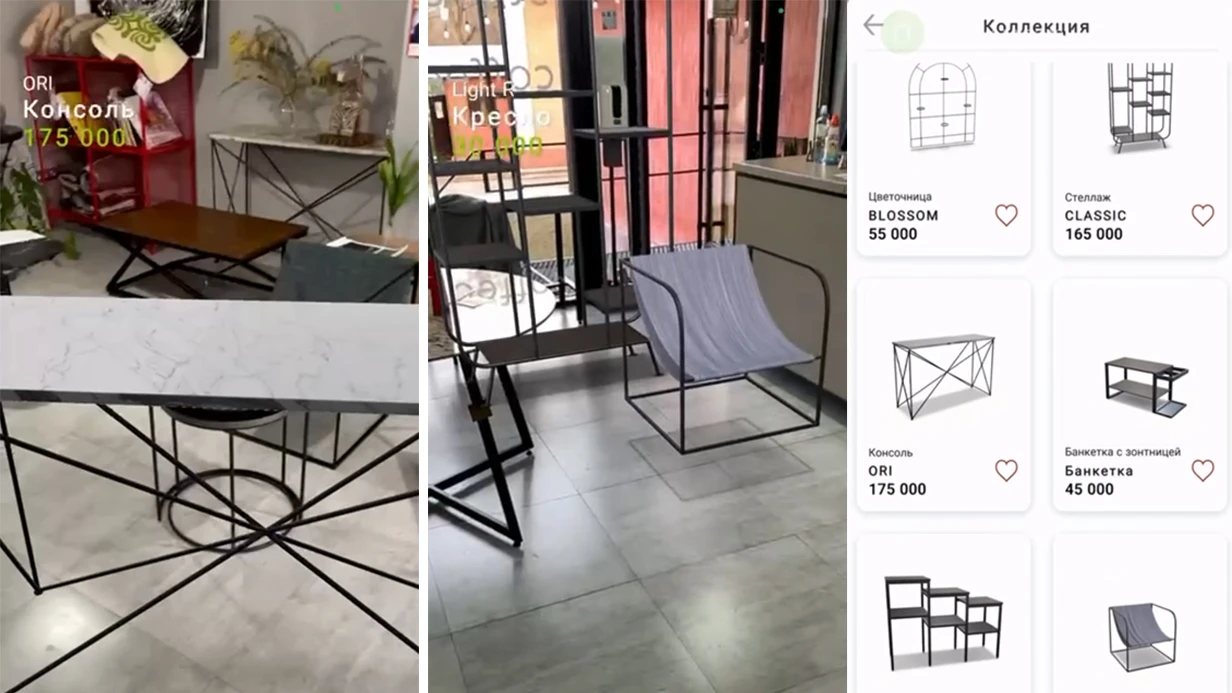
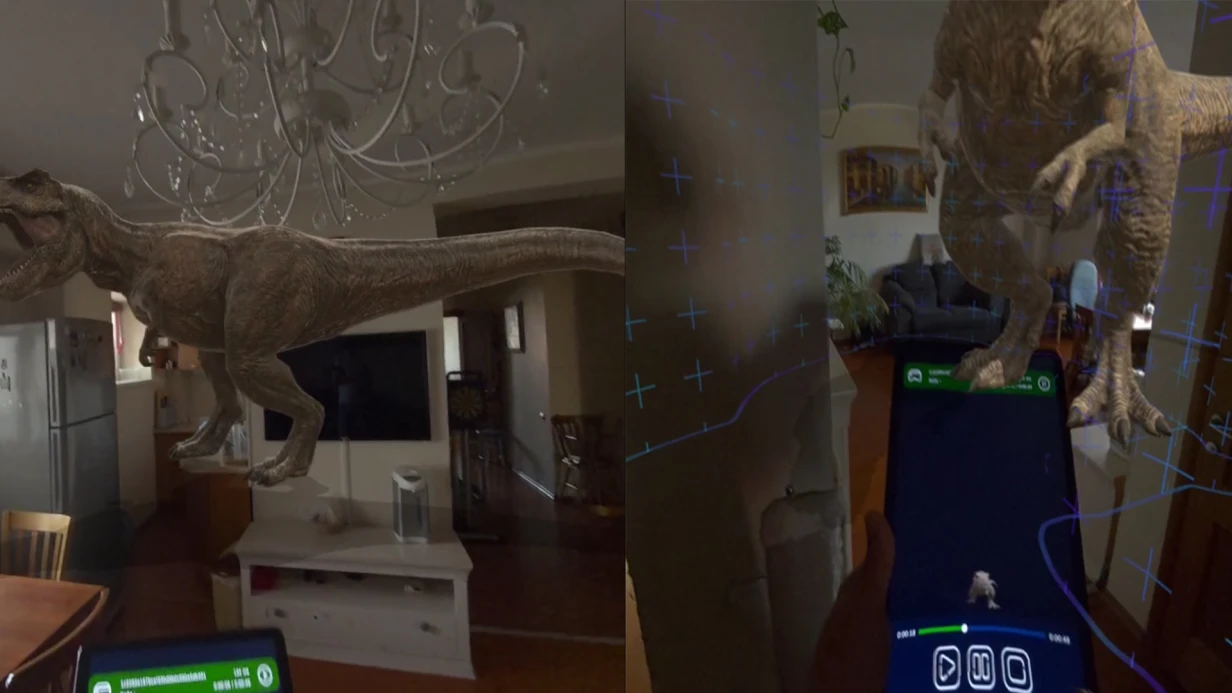
AR solutions overlay digital models onto the real environment, while VR presentations allow you to literally walk a guest through a future production facility. This helps make decisions faster and reduces time spent on approvals.
For business owners and department heads, this is not just a "trendy addition" but a way to reduce accident rates, speed up workforce training, and improve presentation quality.
We help implement immersive technologies into your business processes: from scenario design to launching a solution that delivers measurable results.
What Benefits the Client Gets from VR/AR Projects
In the oil and gas industry, the cost of error is high: a newcomer at a facility, an accident at a production site, a client misunderstanding complex equipment.
VR and AR eliminate these risks — employees train in a safe environment, and presentations become visual without shipping equipment on-site.
We have been implementing VR/AR for industrial clients for 10 years. Here is what this delivers in practice:
- 2–3x faster employee training. A trainee practices operations in a virtual copy of the facility before going to the real site. No need to wait for schedule windows or risk equipment.
- Visual product presentations. Instead of drawings and catalogs — an interactive 3D model. The client sees the object at real scale with the required options. This shortens the approval cycle and increases negotiation conversion.
- Workplace safety. Dangerous scenarios — fire, depressurization, work at height — are practiced without threat to life. Personnel develop proper reflexes before contact with the real environment.
- Cost savings. No need to rent training grounds, consume materials, or stop production for drills. One virtual scene replaces dozens of physical mockups.
- Higher engagement. Game-based training is remembered better than briefings. Employees complete the course rather than sitting through the hours. This improves training quality and reduces turnover.
Each item is a measurable result: faster shift readiness, fewer downtimes, higher safety. Contact us and we'll select a scenario for your task.
VR/AR Application Formats for the Oil and Gas Industry
The oil and gas industry involves complex facilities where a mistake is costly. Training on real equipment is risky, and remote control often requires an expert on site.
That is why choosing the right augmented or virtual reality format matters — it determines how quickly employees acquire skills and how safely work is performed.
We use different formats — virtual, augmented, and mixed reality. Each has its own purpose, and a properly selected solution saves time and money.
| Format | Who it's for | What it gives the client |
|---|---|---|
| Virtual Reality (VR) | For training centers and oil and gas companies | Full immersion into the environment: practicing emergency response actions, rehearsing procedures without risk to people or equipment. |
| Augmented Reality (AR) | For maintenance crews and field technicians | Step-by-step instructions and diagrams overlaid on real equipment: fewer errors, faster onboarding. |
| Mixed Reality (MR) | For remote experts and managers | Interacting with digital models in the real world: remote control, collaborative analysis, and work approval. |
If the task is to prepare personnel for emergency situations — choose VR. If you need to speed up equipment maintenance right on site — choose AR. When you need to connect a remote expert with a crew at the facility — use MR.
In every case, you get a measurable result: lower accident rates, reduced downtime, and higher labor productivity.
How VR Solution Development Works: From Brief to Launch
For oil and gas enterprises, VR solutions are a way to reduce risks, speed up employee training, and clearly demonstrate technological processes.
For a project to deliver value, development must be transparent: from the very start, you understand the stages ahead, what you receive at each one, and how you control the result.
We have built the process so that the client always sees the work status and can make decisions based on facts, not guesswork.
- Brief and task immersion. We collect requirements, study VR/MR use cases at your production site, define project goals and success criteria — for example, reducing training time or lowering the number of errors.
- Concept and technical specification. We work out interaction scenarios, visual style, and feature scope. You receive a clear document describing how the solution will work and approve it with your team.
- Development plan and control points. We set timelines, resources, and a list of interim deliverables. You know in advance when demos, tests, and final project handover will take place.
- Prototyping. We create an interactive model of the future solution — it demonstrates the working logic before major resources are invested. This allows you to adjust requirements in time and avoid unnecessary costs.
- Development and integration. We build the full application, connect the required reference data, 3D models, and enterprise data. We work on professional equipment so the solution runs stably in your environment.
- Testing with your specialists. We check scenarios on real tasks, account for operational specifics, and make adjustments. You participate in acceptance at every key stage.
- Launch and training. We deploy the VR solution, conduct staff instruction, hand over documentation, and support early users to ensure a smooth transition.
The entire process is designed so you control every stage and get a predictable result — without needing to dive into technical details. At each step, we document agreements so the final outcome meets the expectations and requirements of your enterprise.
What's Included in the VR/AR Project Deliverables
You get not just an application, but a complete package ready for deployment — from scenarios to staff training. Everything needed to put the VR/AR tool to work at your production site and quickly achieve measurable results.
Each project includes:
- Scenarios tailored to your tasks — simulation of emergency situations, practicing personnel actions, studying equipment or technological processes. Scenarios are built on your regulations and real conditions.
- Content and 3D models — digital copies of facilities, workshops, and equipment created from your drawings and data. Employees work with an accurate replica, not an abstract picture.
- Integration with your systems — connection to internal databases, training portals, or tracking systems. Training completion data automatically flows where you control it.
- Employee training — we conduct instruction for administrators and users, showing how to work with the application and built-in analytics. After launch, your team works independently.
- VR documentation — user guides, administrator manuals, scenario descriptions, and maintenance procedures. The full package is formatted to your internal standard.
- Warranty support — we set a warranty period for the application, during which we promptly fix issues and help with configuration. Technical support remains available after launch as well.
Training is designed so your specialists master all functions during the project, before final acceptance. Documentation is prepared in parallel with development — by launch time, you receive a complete package for internal procedures and ongoing operation.
As a result, you get measurable outcomes: reduced staff training time, lower risks when working at hazardous facilities, and a clear system for controlling training quality.
Case Study: How a VR Simulator Improved Workplace Safety at a Company
In the oil and gas industry, the cost of a mistake is especially high: an emergency at a production site can result in downtime, environmental damage, and threats to employee lives.
Traditional briefings and paper regulations do not allow personnel to truly practice actions in extreme conditions — knowledge remains theoretical.
That is why companies increasingly choose VR training: it creates a safe environment for practice without risk to people or equipment.
The case we implemented for an oil and gas holding company confirms the effectiveness of this approach. The client's specialists needed to prepare operators for actions during an emergency oil spill and emergency evacuation.
We developed a VR simulator that fully replicates the real production site: the employee enters a virtual environment where they can make mistakes, see the consequences, and memorize the correct procedure.
Drills no longer require stopping the process or renting training grounds — practice takes place right at the workplace.
The project results speak for themselves. Training time decreased by 40%: instead of multi-month courses, operators master all scenarios in a few weeks. The accident rate at the production site fell by 25% in the first year after implementation.
Material retention doubled compared to classic briefings — employees act more confidently and make decisions faster in non-standard situations.
The effectiveness of VR-based training is also confirmed by the fact that the client did not stop at the pilot project. After the first results, the holding expanded its simulator lineup: scenarios for working with drilling equipment and fire response were added.
This is natural: the VR case proved that safety investments pay off through reduced risks and savings on traditional training. For oil and gas companies, this format is becoming the standard for personnel preparation.
How to Choose the Right VR/AR Format for Your Task?
Choosing a VR/AR/MR format does not start with technology, but with the task. The same question — "which VR is suitable?" — will have different answers for employee training versus production quality control.
Therefore, the key criterion is what exactly the employee or manager should get as a result: a practiced skill, a visual instruction, an accelerated inspection, or safe emergency response training.
The second criterion is the operating conditions of the future application. If specialists work in an office, at a stationary computer, or in a classroom, full immersion into a virtual environment is more effective. If employees need to work with real equipment while seeing prompts, we choose augmented reality.
Mixed reality is suitable where a physical object needs to be combined with a digital model — for example, overlaying the design of a future pipeline onto an existing site or showing the internal structure of a unit.
The third criterion is who will use the application and how. For mass operator training, a standard scenario with practice to the point of automation makes more sense.
For engineers and managers, an interactive model where parameters can be changed and consequences of decisions seen is better.
Also consider how many people must work with the system simultaneously, how often regulations change, and whether integration with your accounting systems is needed.
To put it simply: full immersion — for training and practicing rare emergency situations without risk. Augmented reality — for step-by-step instructions, diagnostics, and control right at the site.
Mixed reality — for design, decision approval, and collaborative work with digital twins. The right format is always determined by the business goal, not by technology trends.
We select the format for your task and show at the outset how it will impact staff readiness speed, error rates, and equipment downtime costs.
If you are unsure which option fits you best — send us a description of your task, and we'll propose the optimal scenario within two business days.
Frequently Asked Questions About Implementing VR/AR Solutions
Before ordering a VR/AR solution for the oil and gas industry, managers and specialists ask the same questions: how much will development cost, how quickly will it pay off, will the system work with already installed equipment, and what guarantees do we provide. We answer the main ones — without technical jargon or hidden terms in the contract.
The development cost depends on the number of scenarios and the depth of detail, but we always lock in the price before work begins and show what makes the solution pay off: reduced employee training time, lower accident rates, decreased material consumption.
Compatibility with existing equipment is not a problem: our solutions run on standard industrial computers and headsets already used at enterprises, or we select the optimal configuration for your infrastructure.
Guarantees are fixed in the contract: we are responsible for system performance after launch, support the pilot project, and train your team. Timelines are realistic: a standard scenario takes a few weeks, a comprehensive simulator — up to two to three months.
How much does VR simulator development cost?
We state the cost after an initial discussion of your tasks and fix it in the contract. It depends on the number of scenarios, 3D model detail, and integration with your training programs.
You see a stage-by-stage breakdown, and the first stage can be run as a pilot to evaluate the effect.
How quickly can the solution be implemented and when will it pay off?
A pilot project takes 3–4 weeks. During this time, you get a ready-made scenario and measure the result: reduced training time, number of errors, personnel response speed. Payback typically comes within the first year due to lower costs for instructors and consumables.
What guarantees do you provide on results?
We are responsible for the solution working on your equipment. The warranty period and support terms are fixed in the contract, including refinements based on pilot results.
If your question is not in this list — ask us directly, we'll respond within one business day and take it into account when preparing a commercial proposal.Let's Discuss Your Project? Get a Cost and Timeline Estimate
Implementing mixed reality in the oil and gas industry starts with assessing the business task, not with buying equipment. We help clients understand where VR and MR will deliver measurable value: reduce accident rates, speed up commissioning, cut business travel. There is no need to dive into the technical side — we'll propose a clear plan.
To get a cost and timeline estimate, just follow a short list of steps:
- Leave a VR request and describe your task in simple words: employee training, remote facility control, field visualization, or safety briefings.
- Get a free consultation — we'll clarify the mixed reality use case for your specific department.
- Request a cost and timeline estimate: we'll define the project format, scope of work, and resources for your budget.
- Discuss a pilot project — a time-limited stage that demonstrates the effect on real work processes.
- Agree on performance indicators and acceptance criteria: training time, error rates, crew response speed to emergencies.
This approach eliminates unnecessary costs and the risk of a "solution for the sake of a solution." Our team specialists work remotely, with 10+ years of implementing projects for industrial clients behind them.
After the pilot stage, you'll have data for scaling: how much time an employee saves, how productivity and process safety change.
Leave a request for a consultation — we'll get back to you within one business day with a timeline and budget estimate.