

Medical VR — How to Hold a Patient's Attention from the First Screen?
A patient comes to a clinic not for entertainment — they feel anxious, uncertain, and often skeptical. Ordinary brochures and videos at the reception desk don't solve this problem: information isn't absorbed, and attention fades within seconds.
Medical VR changes the game — instead of passive viewing, the patient is immersed in an environment that truly engages them.
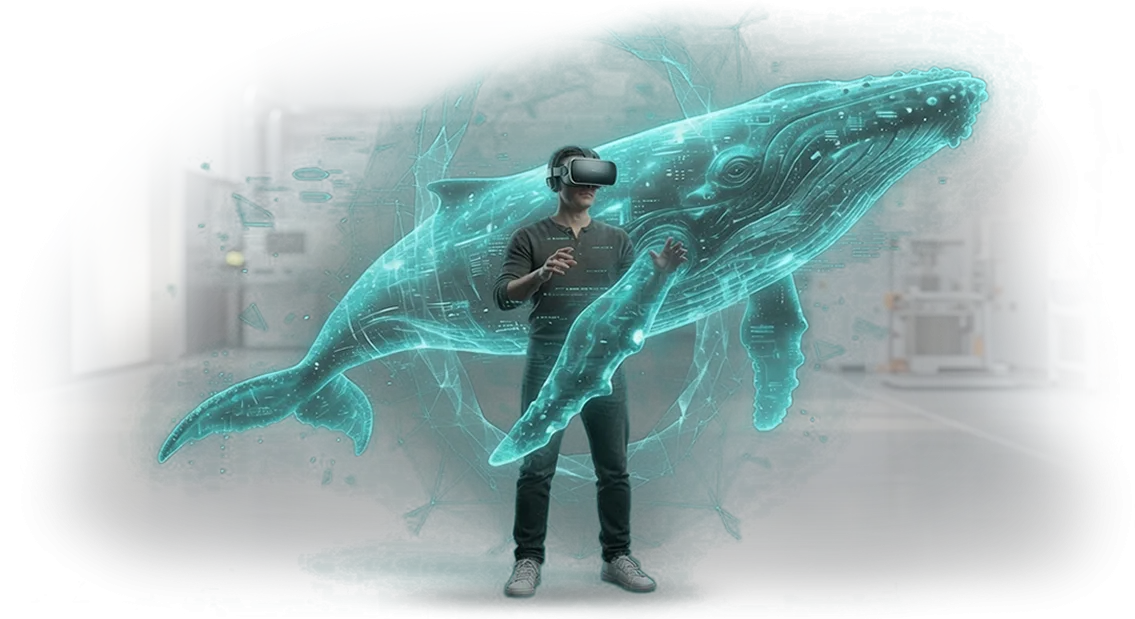
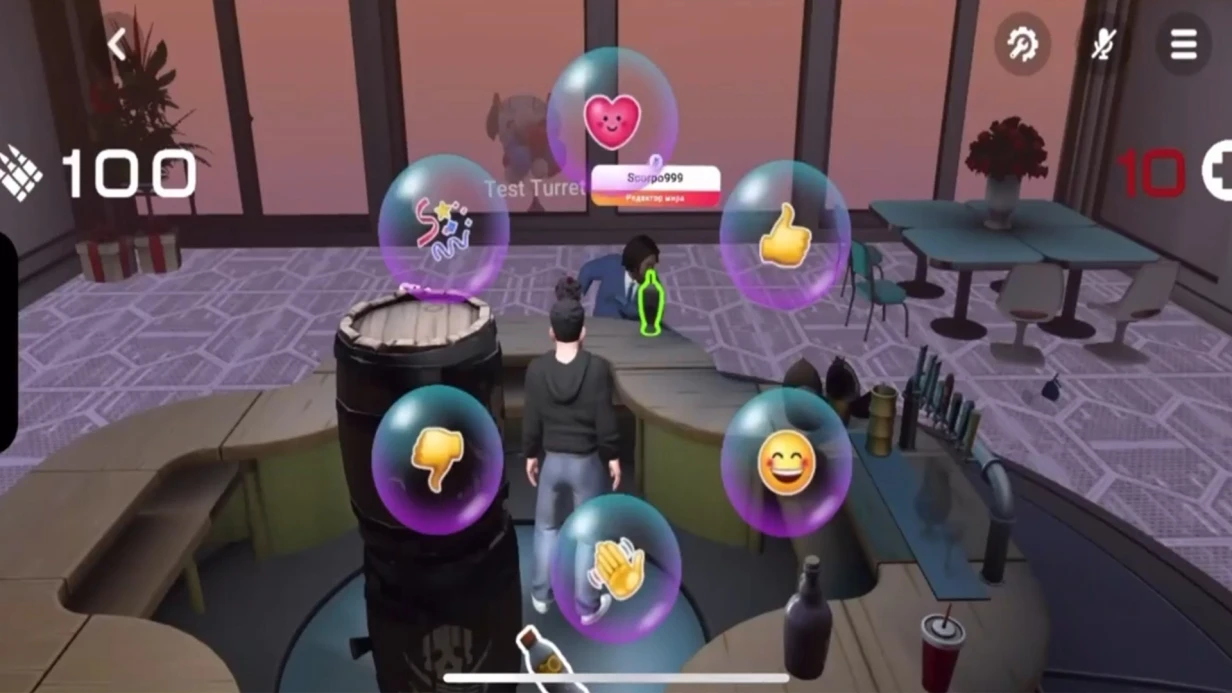
Virtual reality for a clinic works on the level of emotions and intuition. Instead of instructions like "read how the procedure goes," a person in a VR headset finds themselves inside the process: they see, hear, and experience the scenario.
Such immersion holds attention far longer than any other format. The patient doesn't get distracted by anxious thoughts but focuses on what is happening around them.
The effect is noticeable immediately: tension decreases, trust in the doctor increases, the patient asks more meaningful questions, and remembers recommendations better.
For a clinic, this is not just a tech novelty — it's a tool that reduces time spent on explanations, lowers the number of cancellations, and boosts loyalty. Medical VR turns a visit into a clear and manageable experience.
We help clinics implement virtual reality so that it solves specific tasks: patient engagement, preparation for procedures, and informing about treatment. We design scenarios that take your clinic's specifics into account and support you at every stage — from idea to launch. The result is a patient who arrives prepared, stays engaged, and comes back again.
What Medical VR Gives Your Business
Medical VR is not just entertainment technology, but a working tool that solves business problems: it attracts audience attention, retains clients, and reduces demonstration costs. Below are the key benefits a customer gets from implementing such a solution.
- Increased loyalty. Immersion in an environment builds trust: a patient or client sees the product from the inside and feels cared for. This increases satisfaction and the likelihood of repeat visits.
- Greater reach. A VR program can be shown at exhibitions, clinics, offices, and online — without being tied to a place or time. The same scenario works for any audience, expanding geographic reach without additional investment.
- Savings on demonstrations. Instead of expensive mockups, booths, and business trips, one VR solution is enough. It pays for itself after just a few showings and doesn't require equipment rental.
- Better memorability. An emotional experience is remembered several times better than text or video. The brand stays in mind, and clients more often share their impressions on social media — this means extra reach and recognition.
In practice, our team projects like this give clients measurable results: an increase in inquiries, shorter presentation time, and stable repeat interest from the audience. We design scenarios so that Medical VR works for your business, not just as an impressive addition.
Project Formats for Your Task
Formats with virtual and augmented reality differ not in "hardware" but in the usage scenario. It is the scenario that determines audience reach, depth of immersion, and how fast results are achieved.
That's why at the start we choose a format for your task: an exhibition, staff training, a new product presentation, or an interactive instruction.
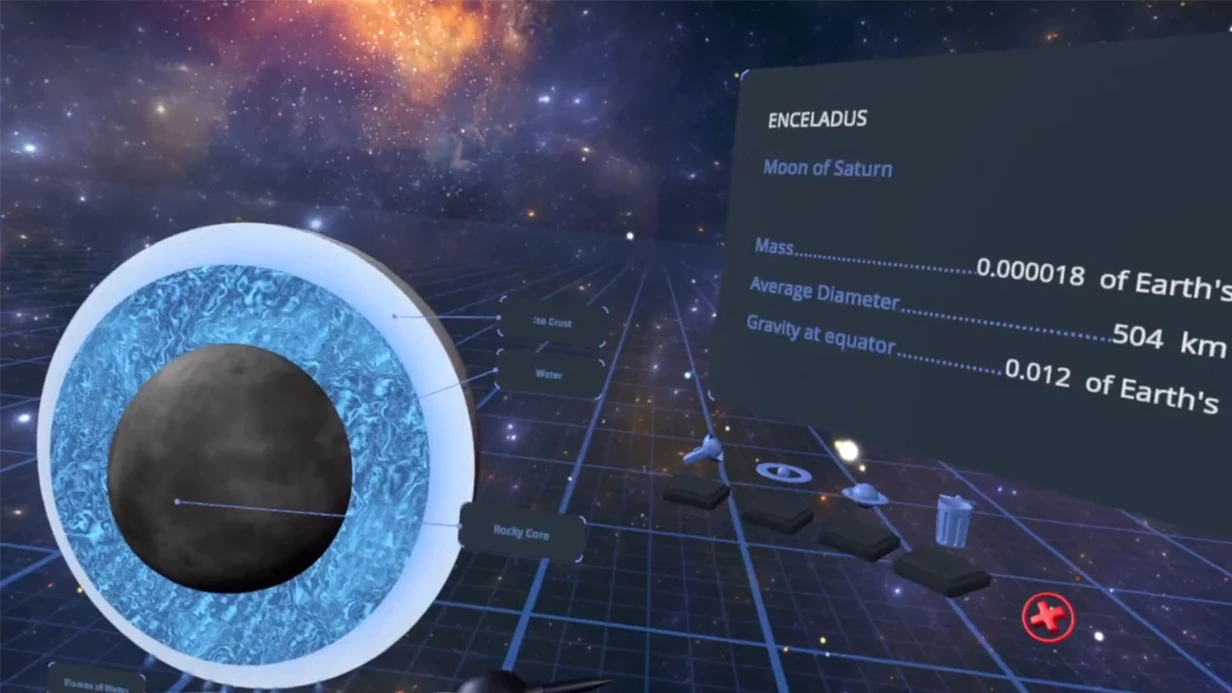
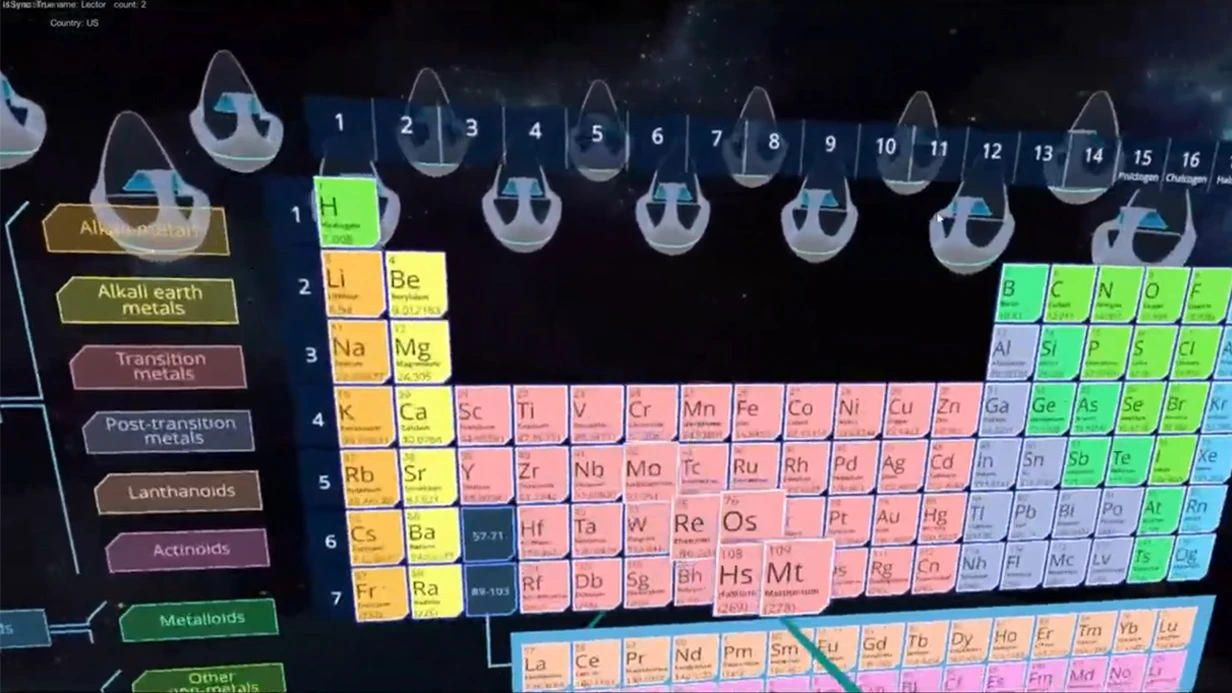
In the medical field, VR and AR are used to demonstrate equipment, train doctors, and create interactive anatomy atlases. Below are the main formats that help accomplish such tasks, and who each one suits.
| Format | Who It's For | What It Gives the Client |
|---|---|---|
| Stationary VR zone | For exhibitions, conferences, and showrooms where you need to build a queue and hold guests' attention | Deep immersion in a scenario: a visitor studies the product or process without distractions. The brand gets a bright point of attraction and long-lasting contact with the target audience |
| Mobile headsets | For promotions, on-site events, and local training | Quick deployment and lightweight equipment: you can cover several locations in a day. No powerful computer needed — everything works autonomously |
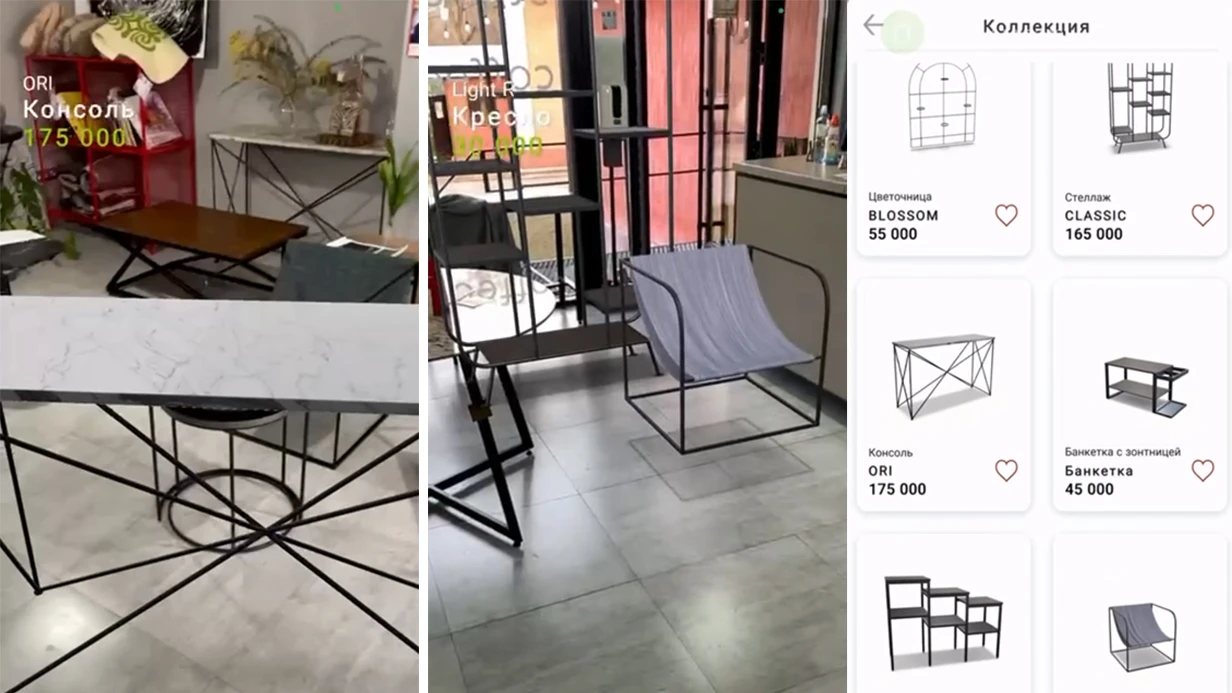
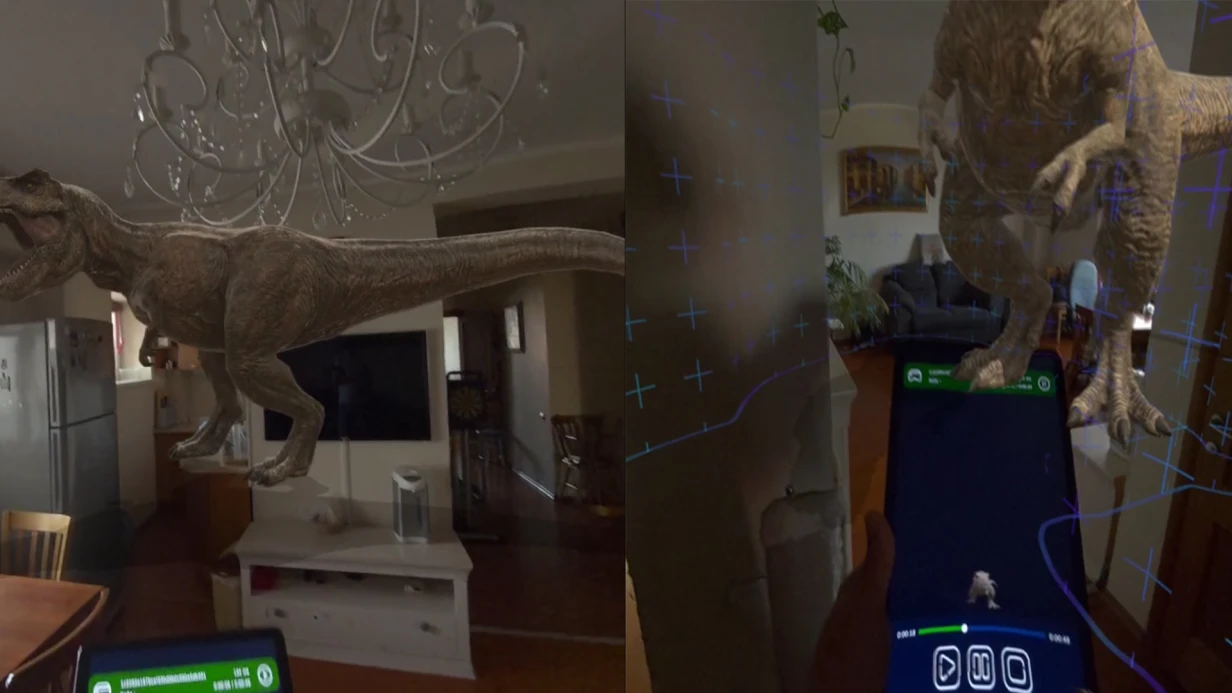
| AR overlays | For exhibitions, catalogs, packaging, and navigation | They supplement a real object with a digital layer: point your smartphone camera, and you get a 3D model, instruction, or video. No additional equipment required; every visitor can try it from their own phone |
| MR hybrids | For training on real equipment and collaborative work between specialists | They combine physical reality with virtual hints and animations. They allow skills to be practiced safely, with control over every step and no risk of damaging expensive equipment |
If you don't know which format is more effective for your task, tell us about it during a consultation — we'll suggest a scenario that fits your budget and goals.
How We Create an Application in 6 Steps
We understand that in the medical field, the cost of a mistake is high, and the VR application development process seems complex and opaque.
That's why we've broken the work into six clear stages — at each one, you know what's happening, what you're getting, and how long it takes. Below is the entire path from the first brief to launch and support.
-
Brief and task immersion. We analyze your clinic or training module, and study the target audience — doctors, students, patients. We define the goals: what skills we're refining, what result you need. The output is a common understanding of the project and a precise technical specification.
-
Concept and scenario. We choose the interaction format: where the person looks, how they move, how they react. We simulate situations close to real practice. We approve the scenario before development starts, so it doesn't have to be redone later.
-
Interface design. We develop convenient UX/UI: large elements, clear navigation, minimal unnecessary actions. In medicine, it's important that the user focuses on the task, not on figuring out buttons. We approve the mockups with you on every key screen.
-
Application development. We program the logic, turn a prototype into a working product, and configure interaction with the equipment. In parallel, you receive intermediate versions so you can see progress and make edits at early stages.
-
Testing on real equipment. We check how the application behaves in conditions close to yours — on the same headsets and devices that doctors use. We fix failures and lag. The output is a stable version ready for use.
-
Launch and support. We help implement the application: install, configure, and train your team. After launch, we stay in touch — resolve questions, update content, and refine functionality if you decide to expand the scenarios. This way, you get not just a product, but a reliable turnkey tool.
What's Included in Your Project Delivery
For medical projects, predictability is important: we don't hand over a "raw" program but a complete set ready for work. The delivery includes everything needed for launch, training, and further development. The client gets a transparent list of results, where each item covers a specific task.
- A finished VR/AR application — a product adapted to your scenarios and tested on the target audience. You launch it immediately, without modifications or surprises at the start.
- Scenario and methodical materials — session structure, instructions for a doctor or operator, hint texts, and interaction logic. This allows the same result to be reproduced with any employee.
- Project source materials — interface layouts, scenario descriptions, and guides. You don't depend on the developer: an internal team or another contractor can develop the product further.
- Staff training — practical training for your team. Medical staff and administrators learn to work with the system, review typical situations, and receive a reference guide.
- Installation and operation instructions — simple step-by-step documents and video tutorials. Launch and updates don't require special technical knowledge.
- Post-delivery support — support after release, scheduled updates, and consultations. We protect you from downtime and help respond quickly to user requests.
In the end, you have a manageable project, not a "black box" from a contractor. You get not just code, but knowledge, documentation, and support from our side.
This reduces risks, saves time on commissioning, and gives confidence that the medical scenario will work reliably.
Case Study: Rehabilitation Trainer
Rehabilitation after injuries and surgeries often becomes a routine: a patient has to repeat the same exercises many times, motivation drops, and recovery time stretches out.
This was exactly the problem a rehabilitation center brought to us — they needed a tool that would restore patients' interest in exercises and speed up progress.
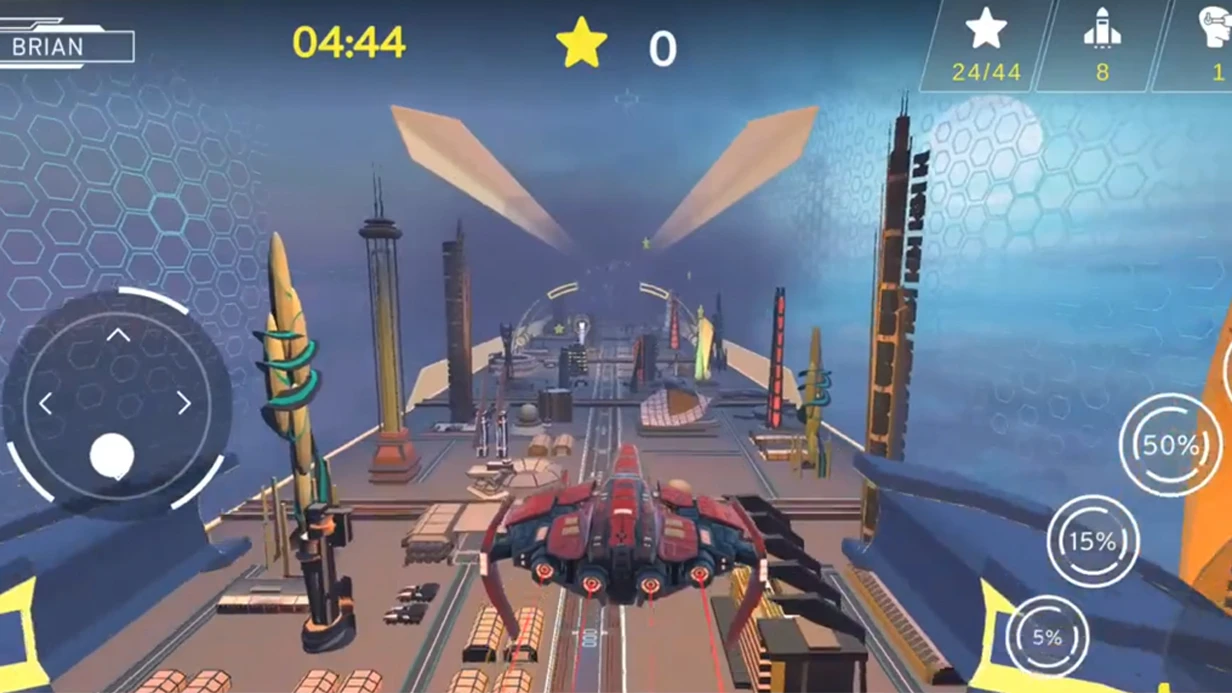
We developed a VR rehabilitation trainer — an immersive environment where exercises become part of a game. The patient performs movements, and the system tracks accuracy and suggests how to correct technique.
The doctor, meanwhile, sees objective data for each session and can adjust the program. This approach combined physical load with cognitive stimulation — this is our example of VR implementation in medical practice.
Implementation Results
The effect was measurable. Patient engagement grew by 40% — they began attending sessions regularly and missing fewer appointments. Recovery time decreased by 20% compared to the control group that followed the classic program. For the clinic, this means a faster bed turnover rate and high patient loyalty.
The center's director also appreciated the convenience for staff: "Rehabilitation Center 'Medium' received a tool that changes patients' attitude toward treatment. People come to sessions with pleasure, and we see real results within a few weeks. This is the best VR rehabilitation case we've ever encountered."
After the first stage, we expanded the project: added new scenarios for different groups of patients. The trainer is now used in daily practice, and the center plans to scale the solution to other branches.
How to Choose the Right Format for Your Task?
Many clients come asking "how to choose VR?" and expect a ready-made solution. In reality, choosing a format starts not with technology but with a task: what should change after its use — employee skills, patient condition, or brand perception.
Selection criteria consist of three blocks: scenario goal, audience, and usage conditions. The goal is training, simulation, rehabilitation, or a visual demonstration. The audience is students, practicing doctors, patients, or exhibition visitors.
The conditions are a stationary booth, a training room, or independent work at home. These conditions determine how mobile the solution should be and how long a person will stay in the scenario.
For example, for practicing emergency protocols among medical staff, a fully immersive format is convenient: it provides concentration and a sense of responsibility.
For introducing a patient to an upcoming operation, a gentle AR scheme is better, without a complete disconnection from reality.
For rehabilitation, short VR sessions with progress control are used — it's important that the interface doesn't overload the person and guides them to the next step.
That's why choosing a format is collaborative work. We help define criteria, assess the limitations of a clinic or event, and design UX/UI so the solution is clear from the first minute.
As a result, you get a tool that solves a specific task: faster training, higher recognition, and more comfortable patients.
If you're unsure which format suits you, start with a short brief: describe the audience and goal. We'll analyze the scenario and suggest an option that will work in your conditions, without unnecessary costs.
Frequently Asked Questions About Application Development
We've collected the questions most often asked by managers of clinics, medical centers, and educational programs before launching a VR project. We answer briefly and to the point — no technical details, only what affects your decision and result.
How safe is this for patients and doctors?
We use professional certified equipment with load control. A session always lasts a limited time, and the application includes pauses and instant shutdown — the person fully controls the process.
What if the application breaks at the most critical moment?
We provide a guarantee for all projects and include support in the contract. After launch, you receive assistance: updates, bug fixes, and consultations. If a failure still occurs, there are backup work scenarios, so a session or procedure won't have to be interrupted.
How long does development take?
It depends on complexity: a simple skill trainer takes from 2–3 months, while a comprehensive learning or rehabilitation solution takes from 4–6 months. We set deadlines at the start and show intermediate demos at each stage — you always see what's happening.
How do you guarantee that the result will work?
We use stage-by-stage delivery: first, we test scenarios on a focus group of your employees, then refine them, and only after that launch the full version. All requirements are recorded in a document — at the start, you approve which specific tasks the product solves.
Will the solution work on our equipment?
We adapt the project to the hardware already available in your facility, or select the best option for your budget. Before launch, we test on real equipment so that staff get a stable result immediately, not after lengthy configuration.
Didn't find your question? Tell us about your task — we'll advise whether VR suits it and how to fit it into a reasonable timeframe.Launch Your Project with Us
Projects in medical virtual reality require special attention to the interface. An inconvenient design will nullify the benefits of even the most accurate trainer — employees won't use it, and patients won't follow the exercises.
That's why we design UX/UI so that doctors, students, and patients quickly master the simulators and get measurable results.
Ordering a VR project means freeing yourself from all issues related to the interface and interaction. After contacting us, you receive a full cycle of work:
- A detailed use scenario aligned with the goals of your clinic, university, or rehabilitation center.
- An interface design concept that is clear to the target audience — from surgeons to patients.
- Adaptation of controls to medical protocols and workplace ergonomics.
- Testing with real users to avoid expensive fixes after launch.
- The final application with documentation and instructions for your team.
- Post-release support and assistance during the implementation stage.
"We were afraid that the VR interface would be too complex for elderly patients, but after your refinement, everyone completes the orientation in a single session.
The average rehabilitation session time has decreased by a third," says the development director of Restorative Medicine Center 'Health'.
Leave a request on the website or contact us in any convenient way. We'll discuss your task, show examples of similar solutions, and prepare a work plan for your deadline. You can start the project in the coming weeks — just tell us about your idea.