

Corporate training fails to retain knowledge — VR/AR changes that
Classic training sessions and webinars are losing effectiveness: employees get distracted by notifications, mentally return to work tasks, and a week later forget half the material.
The problem isn't the trainers or the program — it's how perception works: passive listening doesn't create lasting skills.
For business, this means lost money and time. Low employee engagement leads to errors at work, repeated training, and lower service quality. In the end, the company pays twice: first for the training, then for its consequences.
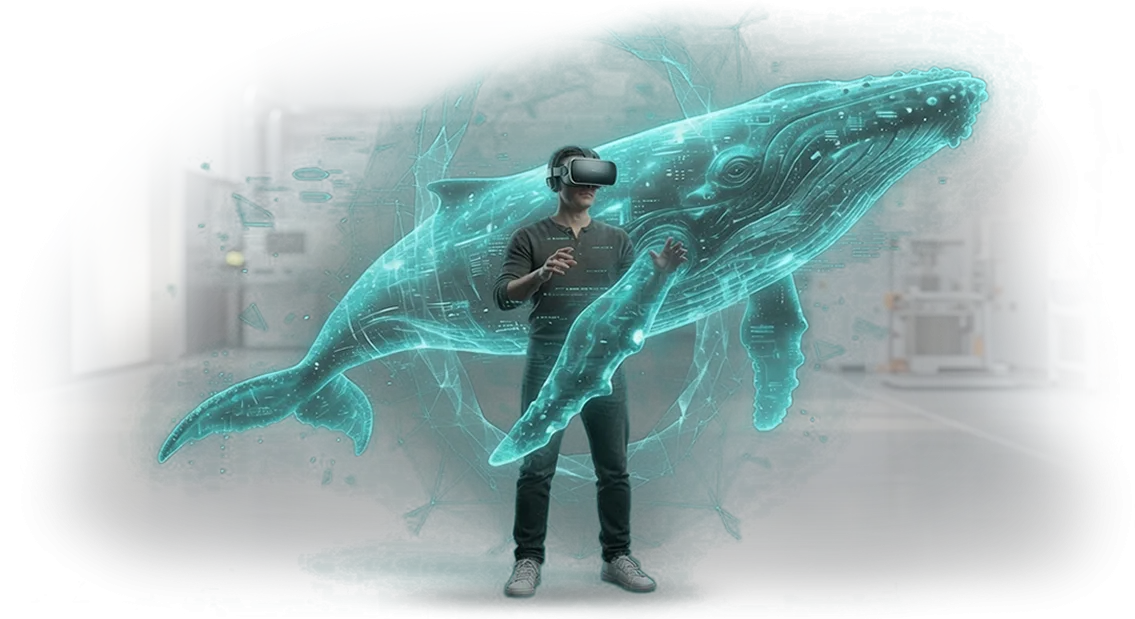
Virtual and augmented reality solve this differently. An employee doesn't listen to theory but enters an environment where they must act: serve a client, respond to an accident, practice complex negotiations.
Such training holds attention almost completely — there's simply no time to get distracted, and knowledge is reinforced through hands-on experience.
For business, this is measurable effectiveness: skills form faster, mistakes are made in a safe environment rather than with real clients. Companies already using VR for training report increased engagement and material retention, as well as reduced employee preparation time.
We help businesses implement VR/AR training for specific tasks: from onboarding new employees to practicing complex scenarios. You don't need to change the entire system — just choose the process where knowledge loss costs the most.
What VR/AR/MR implementation brings to corporate training
Traditional corporate training often hits a wall: employees listen to lectures and watch presentations, but within a month they forget up to 80% of the material. Meanwhile, mentors spend hours repeating themselves, and newcomers are afraid of making mistakes on real tasks.
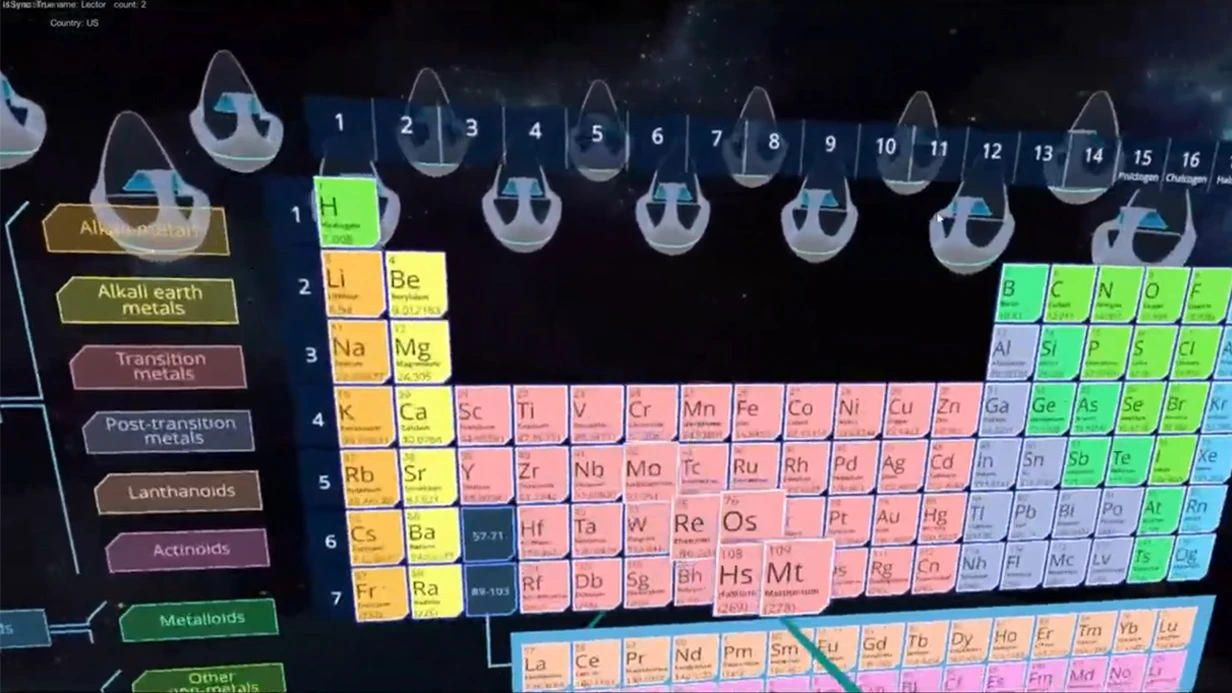
VR/AR/MR solve these problems at the level of perceptual mechanics — people remember not text but lived experience.
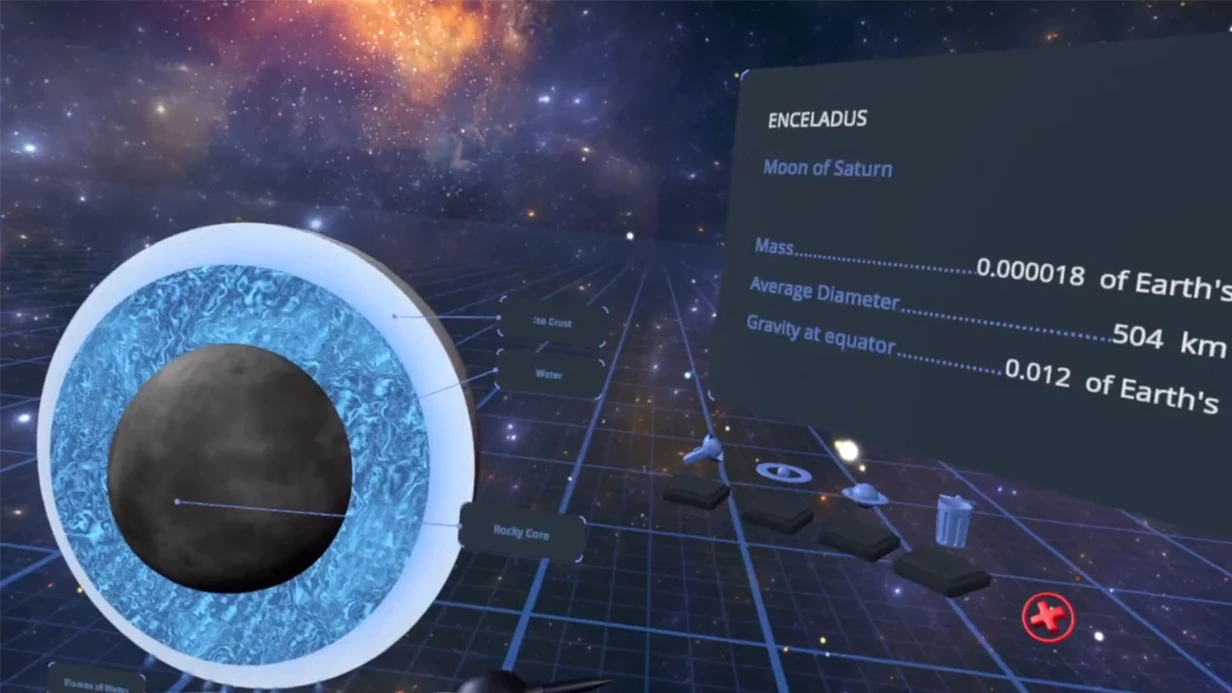
When an employee puts on a VR headset, they enter a realistic work situation: equipment startup, client negotiations, actions in an emergency. A mistake in such a simulator doesn't cost the company a penny, yet the brain records the skill just as reliably as with real action.
That's why corporate VR delivers measurable results: newcomer adaptation speed increases multiple times, and knowledge retention stays above 70% after several months.
An additional benefit is relieving experienced specialists. Instead of explaining procedures for the fifth time, a mentor helps set up the training scenario once, and then the team trains independently. This reduces the load on key employees and speeds up onboarding for entire departments.
We build VR/AR solutions on the professional engine Unity — this ensures a stable image, smooth performance, and compatibility with most devices the client already has.
For business, this means predictable results with no surprises at launch and the ability to scale the program to all branches.
Ultimately, implementing VR/AR/MR in corporate training is not a tribute to technology but a way to get competent employees faster, pay less for retraining, and reduce turnover during the probation period. These are exactly the metrics we help improve on every project.
VR/AR formats for the business task
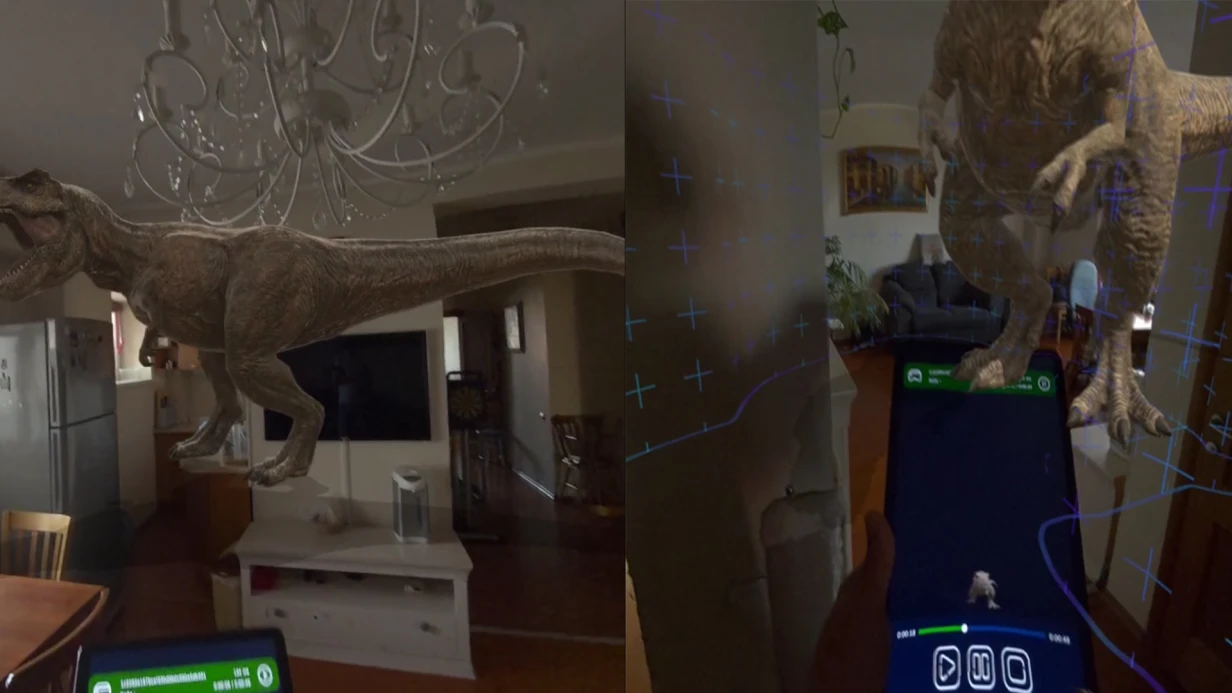
There is no universal format that solves all training tasks equally well. Virtual reality immerses an employee in a fully simulated environment, while augmented reality overlays digital hints onto the real workplace.
The choice depends on what exactly you want to achieve: safe practice, quick instruction, or a visual product demonstration.
| Format | For whom | What it gives the client |
|---|---|---|
| Virtual simulator | Employees working with complex equipment or in hazardous conditions | Skill practice without risk or production downtime — mistakes are made in a virtual environment, not on the shop floor |
| Immersive course for newcomers | New employees, trainees | Fast onboarding through visual process learning instead of reading manuals |
| AR instructions | Production staff, repair crews | Step-by-step hints right at the site — fewer errors and less time per operation |
| Virtual product presentation | Sales managers, marketing | Maximum client immersion in your product, higher conversion and brand recall |
How to choose a format? If an employee needs to perform physical actions in a real space, an AR instruction is the right fit. If they need to repeatedly practice a complex sequence of operations or train responses in emergency situations, a VR simulator is better.
For most training programs, a combination works best: theory in a virtual environment, skill practice on a simulator, and then on-site support through AR.
We help determine the optimal format as early as the briefing stage: we analyze the task, the audience, and working conditions. We draw on experience from dozens of corporate projects — from mechanical engineering to retail. Leave a request, and we'll propose a solution that measurably improves training metrics.
How VR/AR application development works
We've structured the process so you always understand what's happening and why. At every stage, you get a result you can view and evaluate, not abstract promises. This lets us make adjustments on time and avoid surprises at the finish.
- Brief and task immersion. We study how training currently works, what tasks employees perform, and where difficulties arise.
- Training scenario design. We determine how VR will help achieve the goals: which skills to practice and how user steps are structured.
- Concept and design approval. We present the structure, logic, and visual solution. You approve — we move forward.
- Application development. We build the product on a professional platform using proven tools and reusable components.
- Testing and deployment. We launch a pilot group, collect feedback, and refine. We prepare equipment and train instructors.
- Ongoing support. We maintain, update, add new modules, and monitor usage statistics.
What the project includes
The project delivers a complete package, not just a "binary." You receive a ready-to-use VR/AR application for corporate training, along with documentation, instructions, and support.
This approach lets your team deploy the product quickly and not depend on the developer for day-to-day operations.
The delivery includes:
- A ready VR/AR application for your training scenarios — installed, configured, and verified on target devices.
- Clear instructions for administrators and users: how to launch, manage sessions, and add new employees.
- Maintenance documentation: update, backup, and data recovery procedures.
- Training materials for trainers and instructional designers, so they can run sessions in the virtual environment on their own.
- Source materials and access that remain yours: the right to update training content and expand the program without involving the contractor.
- Post-launch support: technical assistance, consultations, and scheduled updates during the agreed period.
As a result, you get a working tool that becomes part of daily company practice. The client team doesn't have to bother developers with small issues — documentation and support cover common questions, and the product itself remains your property as a business asset.
Case: VR simulator accelerated employee onboarding
In logistics, every shift counts — new employees take weeks to reach planned productivity, and sorting errors cause bottlenecks and downtime. Training on the real line stops operations, so a major distribution center operator came to us for a solution.
We developed a VR simulator on Unity that models the sorting center workflow in a safe virtual environment.
Before implementation, a newcomer needed 5–6 work shifts to confidently operate the terminal and sorting line. The simulator lets them practice scanning, parcel distribution, and emergency actions without risking real operations. The employee trains at their own pace, and the mentor can see progress for each competency.
Results after launch
Time to full readiness dropped from 5 shifts to 2, and sorting errors decreased by 40%. Over three months, 120 employees completed the simulator training, and 87% passed the final assessment.
The company saved on mentors and noticed that newcomers no longer feared complex operations — turnover during the probation period decreased.
Six months later, the client returned for a second simulator for a warehouse in another region. This confirms: VR training pays off and scales. For business, this approach means predictable onboarding of new employees to planned productivity in days, not weeks.
How to choose the right VR/AR format for your task?
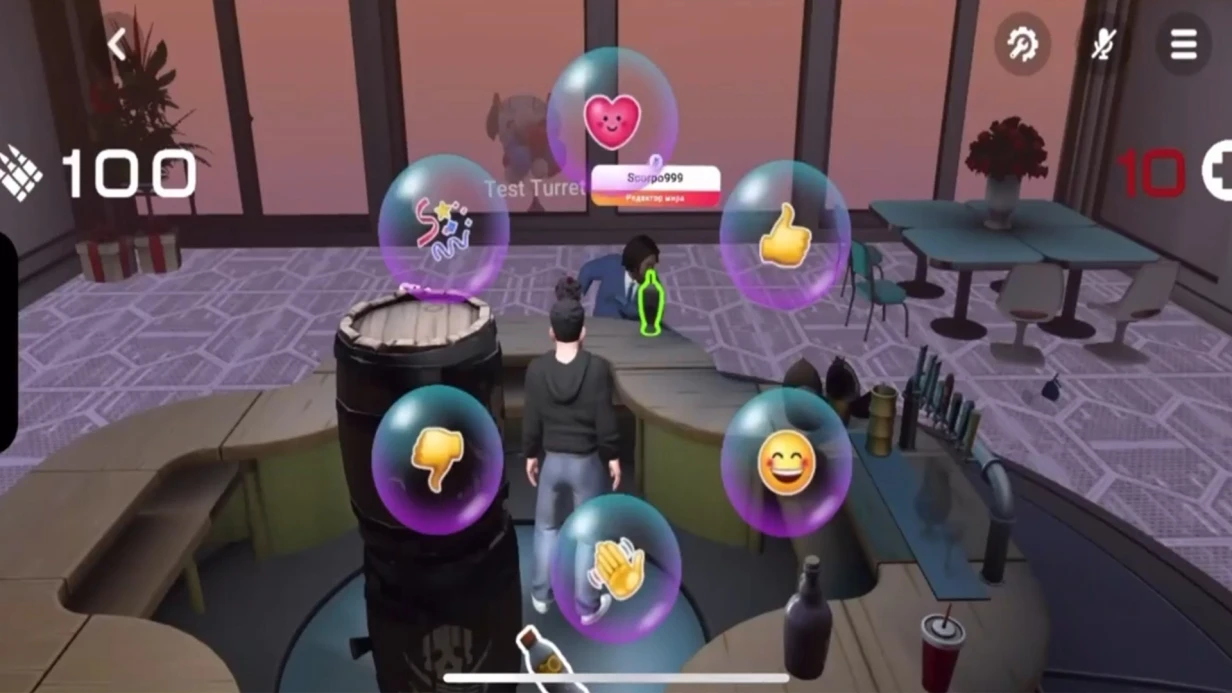
The choice between VR, AR, and MR isn't a matter of tech fashion; it's a matter of which business problem you're solving. Virtual reality completely isolates the employee from external distractions and immerses them in a simulated environment.
This is ideal for practicing actions that in real life require expensive equipment, involve danger, or rarely occur.
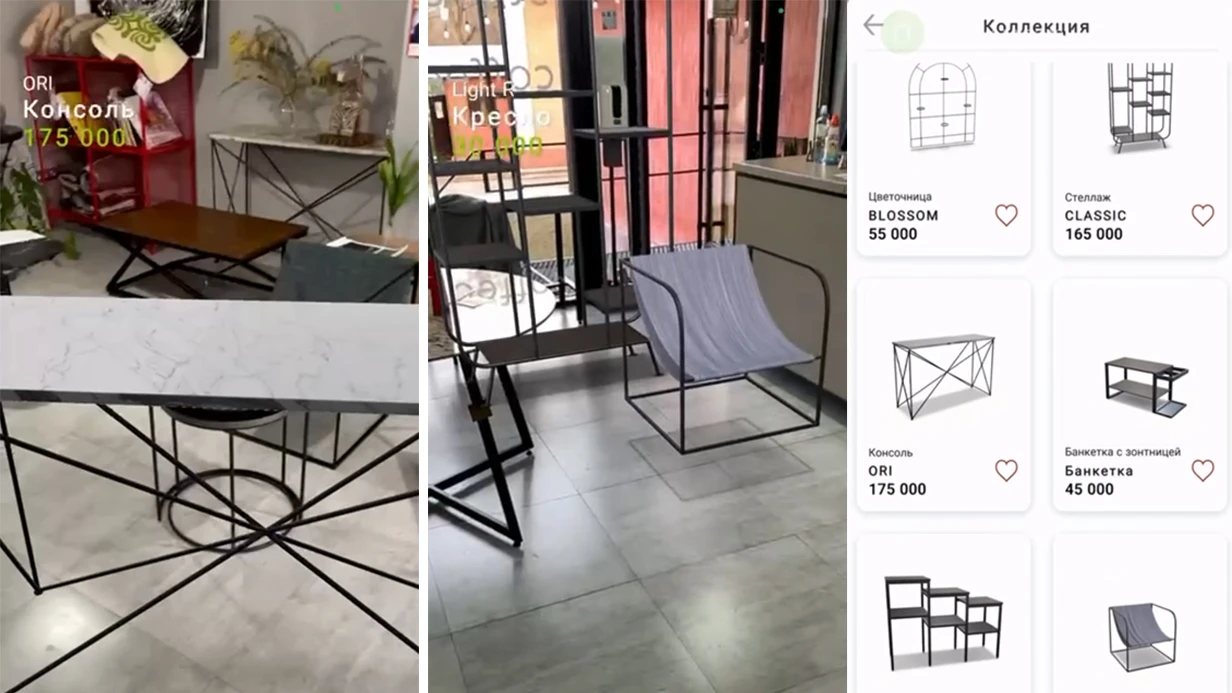
Augmented reality, by contrast, works with the environment already in front of the employee: they see the workshop, office, or warehouse and receive digital hints right in their field of view.
Mixed reality combines both approaches — it allows interaction with physical objects without losing digital data.
Sounds complicated, but in practice the choice comes down to a few questions. Where does training take place: in a classroom or at the actual workplace? Are mistakes acceptable, or do you need a safe simulator?
How many employees need to be trained, and how often is the material updated? The answers to these questions immediately rule out most unsuitable solutions. That's why we start choosing a format not by demonstrating technology, but by analyzing your situation.
We help clients get their bearings before development even starts. We conduct a consultation, study your processes, and clarify goals and constraints.
We don't offer "just VR" for a technology collection; we choose the format that delivers maximum effect: faster path to stable results, fewer mistakes in training, and higher employee engagement.
This approach saves time and budget because you get not a demonstration prototype, but a working solution for a specific task.
Over the years, we have implemented dozens of corporate training projects and know where VR is truly indispensable, where AR hints are enough, and where a combination of formats yields the best result. This is no longer an experiment but a well-honed practice.
If you're not sure what fits your business best, come for a consultation. We'll review your case, show examples from similar industries, and propose an option that solves exactly your task.
Answering questions about VR/AR implementation
Before committing to VR/AR implementation, clients ask the same questions: how much the equipment costs, whether employees will manage, how often content will need updating, and what happens if something breaks.
We've been hearing these questions for over ten years and have prepared short answers — without technical details, only about your benefit.
Do we need to buy expensive VR headsets right away?
No. We select equipment to fit the task: for one-off programs, it makes sense to rent kits, and for regular training, use devices the company already has. This way you can save up to 30% of the budget at the start without sacrificing training quality.
Are employees afraid of new technologies?
The training interface is designed so instructions appear inside the scene and controls are intuitive. Before launch, we run a short session for trainers — they pass the skill on to everyone else. In our experience, 9 out of 10 employees comfortably get to work on the very first day.
How do we update training materials?
You get an easy-to-use management system through which you can change scenarios, add new tasks, and adjust input data without involving a programmer. Updates take anywhere from a couple of hours to two days — instead of the weeks needed to reshoot video.
Who is responsible for application stability?
We sign a contract with a fixed support level: we respond to failures within the business day, roll out updates, and monitor compatibility with new system versions. If the problem is in our code, we fix it free of charge under warranty obligations.
These are just some of the questions we hear from executives. We'll cover the rest — timelines, scenarios for your team, and measuring results — during a free consultation.Let's discuss your task and propose a solution
Starting a project is easier than it seems. Tell us what tasks you want to address with VR training — and we'll help decide whether it's worth doing and how to do it most effectively. You can order a VR application at any stage: from idea to ready scenario. We handle turnkey development — from scenario design to deployment on your employees' devices.
After contacting us, you receive:
- Task analysis — we figure out which training scenario will deliver measurable results and where VR isn't needed.
- Format recommendation — from a short training scene to a full simulator with action assessment.
- Implementation plan — stages, timelines, and checkpoints so you understand what's happening at every step.
- Accurate cost calculation — an estimate without hidden fees or "surprises" during the work.
- Project examples — we show similar cases so you can see what the solution looks like in practice.
- Answers to all questions — compatibility with your equipment, data security, staff training, and post-launch support.
We don't send vague estimates. You see what makes up the price, what work is included in each stage, and when the result will be ready. Turnkey development means you don't have to look for contractors, designers, or technical specialists — the entire process goes through us.
Call or write to discuss your task and get an implementation plan. The sooner we start, the faster your employees get an effective training tool.