

Museums Without VR/AR Are Losing Visitors and Falling Behind Trends
Today's museum visitors are not coming for labels and display cases — they are looking for emotion and history they can experience. Static exhibits lose to interactive venues: guests get tired faster, stay for less time, and return less often.
Museums that do not adopt modern technology gradually lose their audience, especially younger people who are used to digital experiences.
Time spent in front of a text panel feels wasted, while competitors — escape rooms, shows, and digital parks — offer every participant the role of the main character.
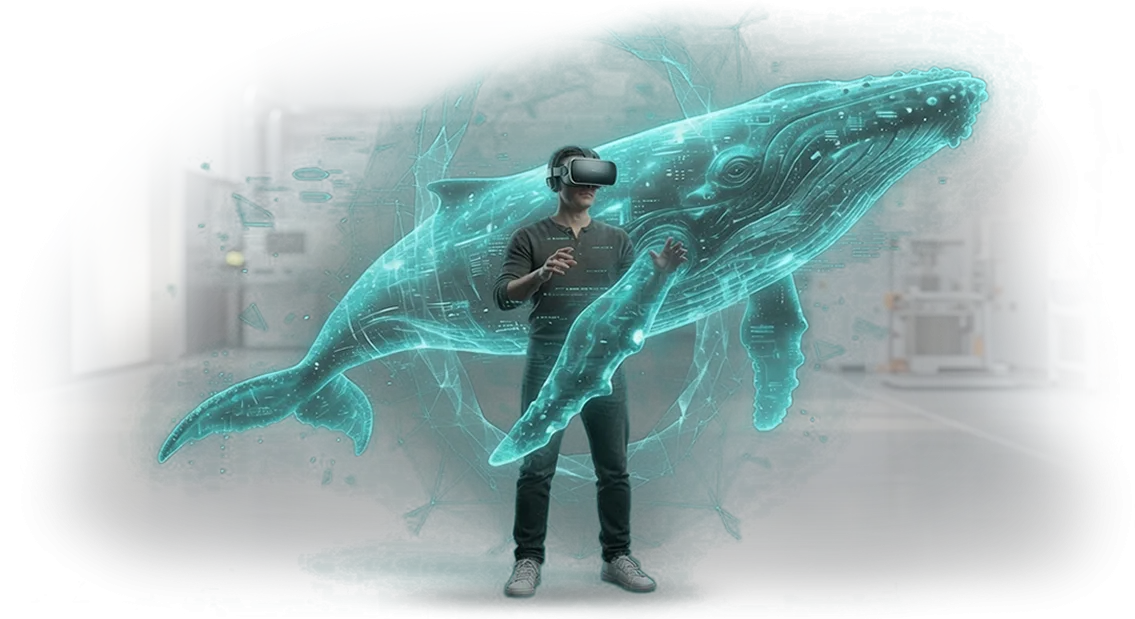
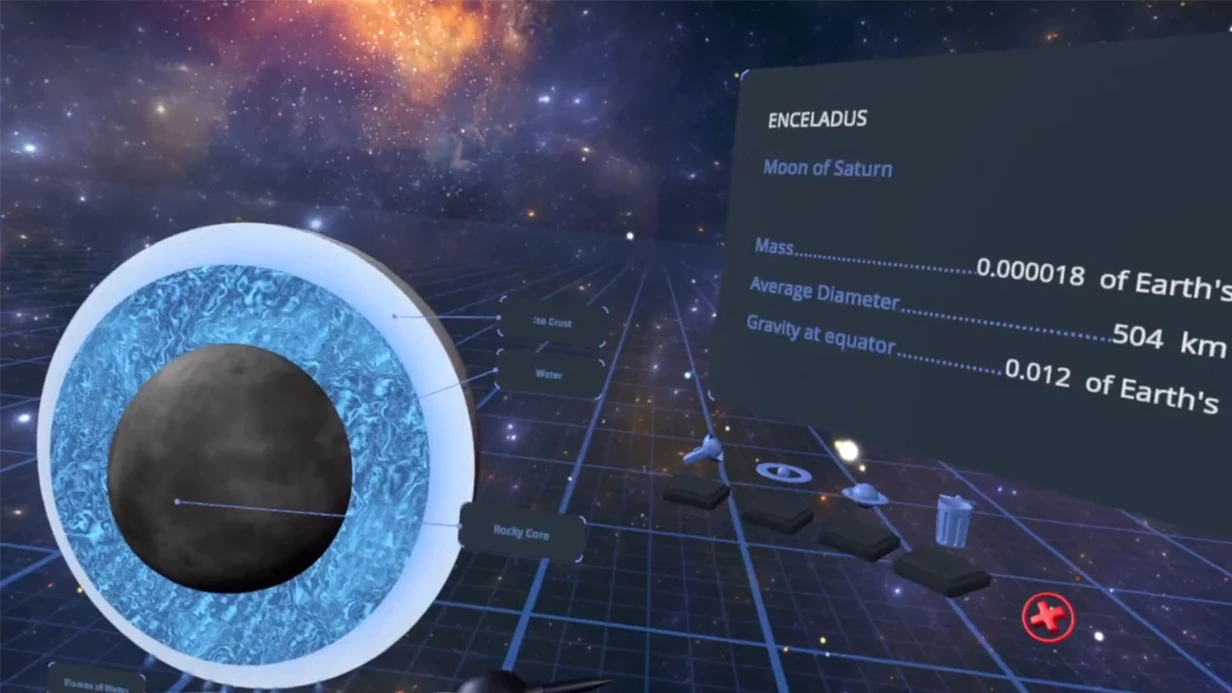
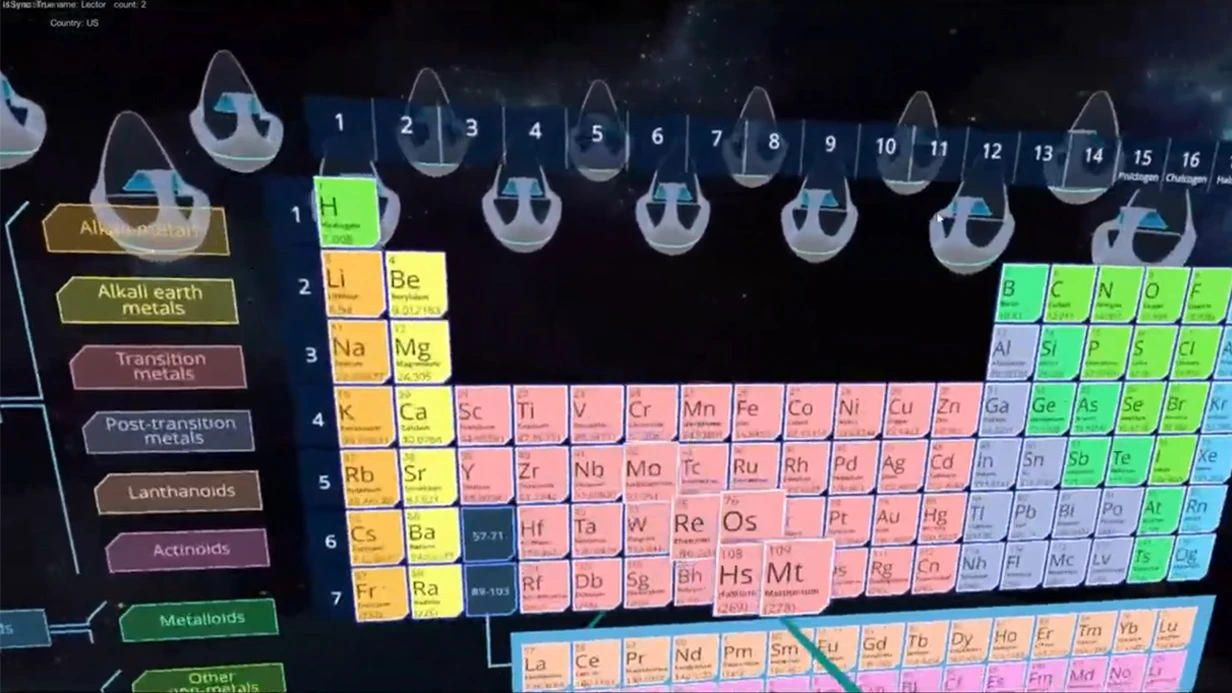
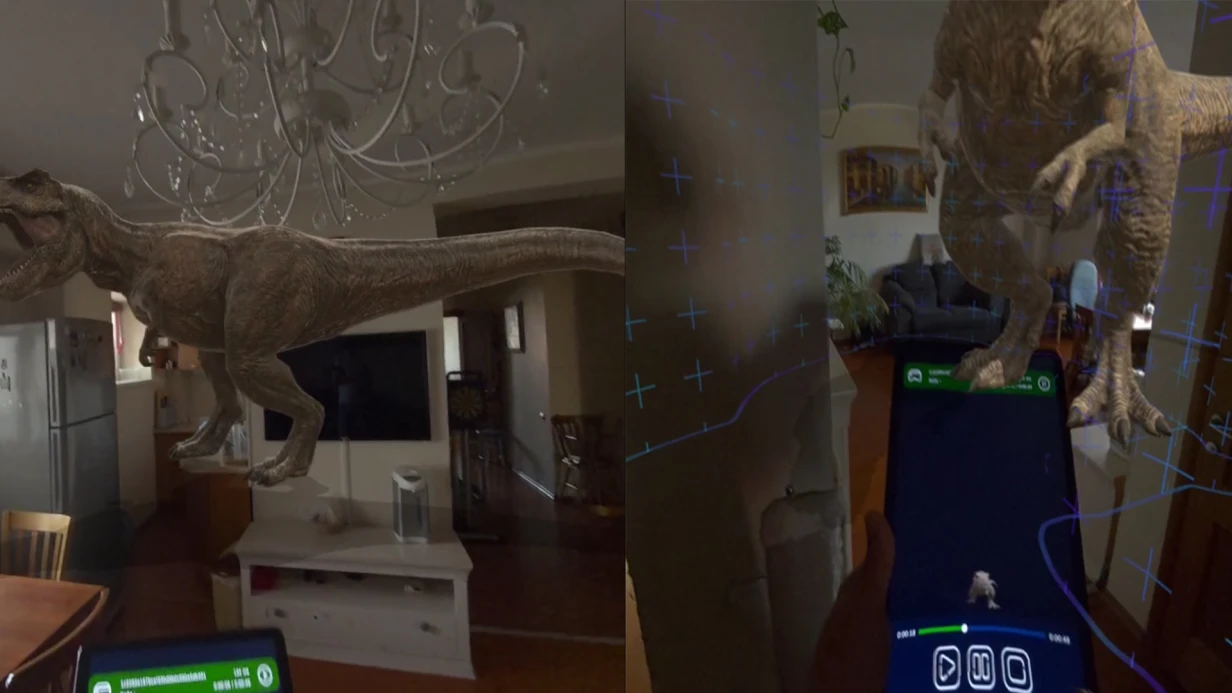
VR and AR solutions turn an exhibition into a living space: you can step inside a historical event, examine the details of an artifact in 3D, or "bring a painting to life." This holds attention, increases dwell time, and gives people a reason to come back.
Interactivity for museums is no longer an option — it is a way to stay relevant. Visitors do not just look; they engage, and the museum gains new ways to present its collections without expanding its square footage.
At the same time, there is no need to change the physical space: augmented reality overlays a digital layer onto existing exhibits.
We help museums close this gap: we develop VR/AR applications on Unity for the specific needs of an exhibition — from individual interactive points to full hall accompaniment.
As a result, the museum gains a competitive edge, increased attendance, and recognition, while visitors get a memorable experience they share on social media. This is how a static museum becomes a modern venue people want to revisit.
What VR/AR Gives a Museum: Higher Engagement and Repeat Visits
The modern museum visitor is no longer just an observer. They expect emotion, participation, and the chance to "touch" history. VR and AR turn the exhibition into a living space where every guest becomes part of the event.
That is why museums adopting these formats see steady attendance growth, strong audience engagement, and a recognizable brand.
Benefit: Attendance growth through new formats
VR and AR are a reason to visit the museum even if the permanent exhibition is already familiar. People deliberately bring children and friends to interactive sessions, and after the experience they post photos and videos on social media. In this way, each visitor brings two or three more potential guests without any advertising spend.
Museums that launch such projects first become a point of attraction for tourists and local audiences. This not only increases foot traffic but also extends visitor dwell time: after a VR session, guests are more willing to explore the rest of the halls.
Benefit: Deep audience engagement
Instead of passively viewing display cases, visitors immerse themselves in a historical era, see events with their own eyes, and interact with objects. This format is much more memorable: a month later, guests recall details, not just the general backdrop. They tell friends about the experience, return themselves, and recommend the museum in reviews.
Benefit: A strong and modern museum brand
Using VR and AR automatically positions the museum as an innovative venue that keeps up with the times. This attracts attention from the media, bloggers, and partners — generating coverage that cannot be bought with direct advertising budgets.
The museum's brand becomes associated with cutting-edge technology and openness to its audience, which directly affects loyalty.
Benefit: New formats for visitor interaction
AR tours that overlay historical facts onto real exhibits, VR quests, event reconstructions — these are tools competitors do not have. They make it possible to create unique scenarios for different audience segments: families, school groups, tourists, or corporate events. The museum can offer something new every time without changing the physical exhibition.
Benefit: Repeat visits and increased loyalty
A classic museum may be seen once, but interactive projects keep evolving: new storylines, seasonal scenarios, and special offers appear. This gives guests a reason to come back again and again. The result is a regular audience that keeps the museum busy even in off-peak seasons.
VR/AR Application Formats for Museums: From Quest to Virtual Tour
Today's museum competes for visitor attention not only with other venues but also with smartphone entertainment. Traditional signs and audio guides often fail to hold interest.
VR/AR formats solve this problem: they turn an exhibition visit into a live event that people want to continue and tell others about.
Which format to choose depends on the goal: attracting new visitors, increasing dwell time, making a complex collection accessible, or launching a virtual tour for those who have not yet decided to come in person.
We select a solution based on the museum's task, not "for the sake of the gadget," and support the project from idea to launch. Each format can be combined with others and adapted for temporary exhibitions.
| Format | For whom | What it gives the client |
|---|---|---|
| Virtual tour | Remote audiences, tourism portals | Expands reach, lets people "try" the museum before visiting, and increases actual visits |
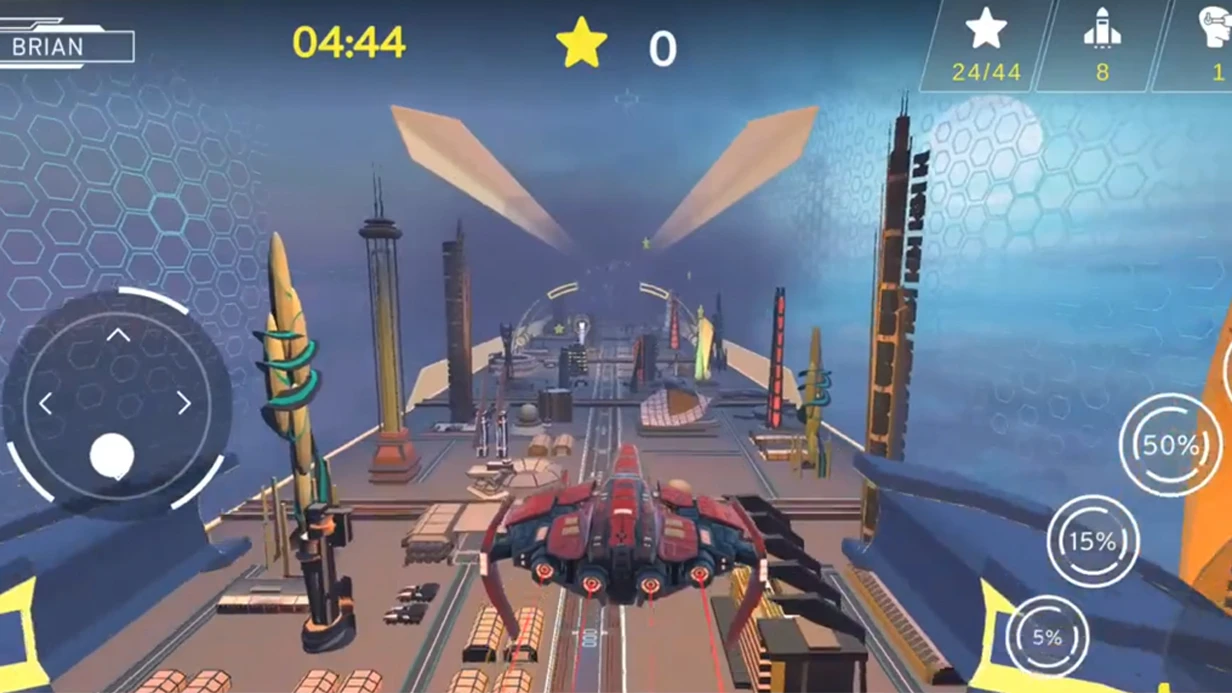
| Quest tour | Families with children, school groups | Turns the visit into a game, holds attention for 40–60 minutes, and boosts return visits |
| AR guide | Individual visitors | Adds facts and animations to exhibits when pointing the camera at them, deepens the exploration experience |
| VR reconstruction | Thematic exhibitions, events and festivals | Transports visitors to a recreated era, creates emotions guests actively share on social media |
Each row in the table is not just a technology but a working tool for your team. It can be used in the permanent exhibition, at temporary exhibits, or during special programs — and in every case the results can be measured: attendance growth, dwell time, social media mentions.
How the Project Works: From Brief to Launch and Support
We structure our work so a museum project never becomes a "black box" where it is unclear what is happening. At every stage you see the result, can make changes, and know when the project will be ready. Below is the typical path from brief to launch and support.
-
Brief and discovery. We start by discussing the task: exhibition goals, visitor profile, and which artifacts or stories need to be shown. The output is a document with goals and requirements — you record your vision, and we understand how to solve the task.
-
Concept and plan. We propose an interaction scenario for the exhibit: how visitors will enter VR/AR, how long the session will take, and what they will feel. We agree on the list of stages, timelines, and control points — you know in advance when to expect results.
-
Prototype. We create a demonstration fragment on your equipment or in the museum space. You "try" the mechanics, assess usability, and make changes before the main resources are committed.
-
Full implementation. We build the complete application and refine the details: interface, text presentation, adaptation to lighting, and the physical characteristics of the halls. We test the scenario under real conditions so a glitch does not spoil the visitor experience.
-
Launch. We help with installation and first run, train museum staff — they will be able to start sessions on their own and assist guests. We hand over instructions for quickly handling typical questions.
-
Support. After launch, we do not disappear. We answer questions, resolve any issues, and, if needed, refine the scenario for a new season or exhibition. You get a reliable partner for the entire project lifecycle.
What Is Included in the Delivery: A Ready-to-Launch Kit
You receive not just an application but a complete kit ready to launch. We handle every stage — from equipment setup to staff training — so you can launch the project without bringing in contractors or internal IT resources.
- Turnkey VR/AR application — adapted to your exhibition, tour scenarios, and museum's specifics. The application runs immediately after installation and requires no additional work.
- Equipment setup and calibration — we select, connect, and configure headsets, tablets, and related hardware for your space. Everything works out of the box, without technical hassle.
- Clear documentation for staff — instructions for launch, daily operations, and typical work scenarios. Your employees will quickly understand them even if they have never worked with VR/AR before.
- Staff training — we conduct a hands-on session for administrators, attendants, and tour guides: how to turn on, restart, change content, and assist visitors.
- Adaptation for different age groups — the interface and scenarios are easily adjusted for children, adults, and seniors, taking into account how each group perceives information.
- Technical support at launch — we stay with you during the first weeks of operation: we answer questions quickly and help resolve any issues so the project never stops.
- Updates and content refinement — when needed, we add new scenes and materials to the exhibition without changing the basic architecture or interrupting museum operations.
As a result, you get a working solution, not a "raw" product. Staff is trained, documentation is in hand, equipment is configured, support is available — all you have to do is open the doors to visitors.
Case Study: How We Increased Museum Attendance by 30%
For a museum, what matters is not just the number of tickets but visitor engagement and the desire to return. The Museum of Urban History approached us: the exhibition was static, visitors walked through it in 40 minutes, and repeat visits were rare. We proposed adding an AR route to the halls — with character stories and game-like tasks.
After the project launched, attendance grew by 30% within the first season. The average visit duration increased from 40 minutes to an hour and a half: visitors were not just looking at displays but interacting with the exhibits through the application.
The number of repeat visits doubled — guests came back to complete new scenarios and collect virtual artifacts.
Why It Worked
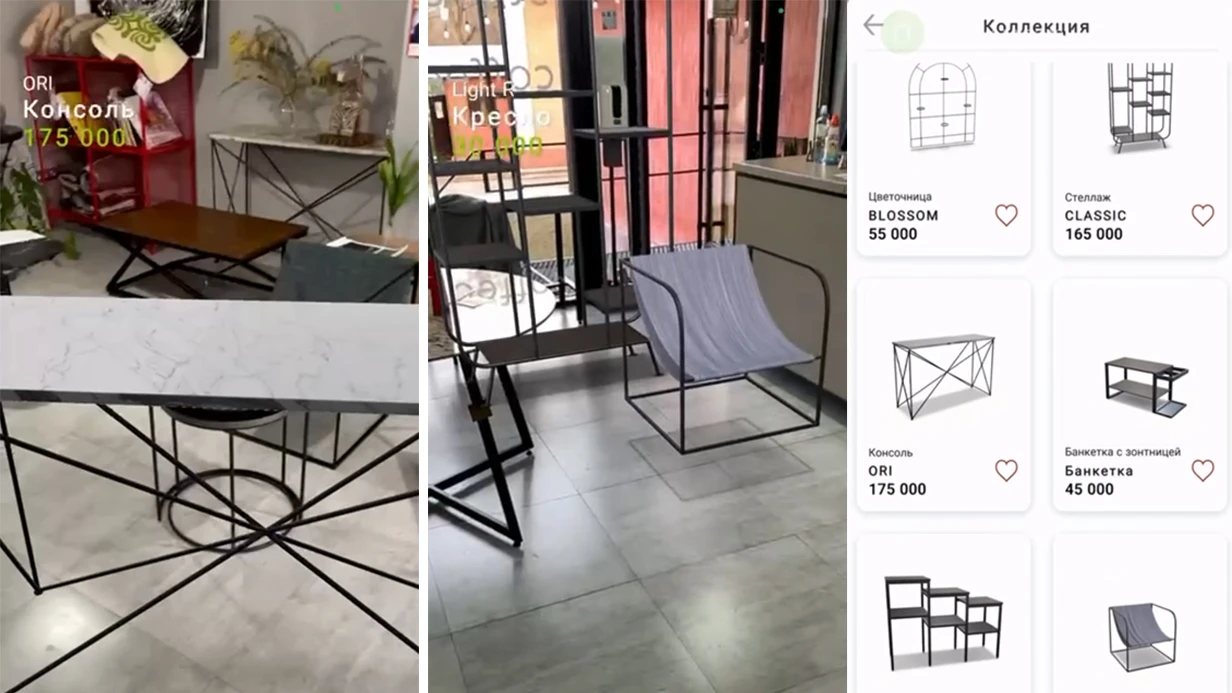
We did not replace the traditional exhibition; we added a digital layer to it. Visitors point their smartphone camera at an exhibit and see its history, a reconstruction, or hidden details.
The museum gets a modern format without losing authenticity, and visitors get a living experience they want to share.
For the museum, this is a measurable result, not just a "digital showcase." The 30% attendance growth is confirmed by ticket data, and the high visit duration is confirmed by application analytics.
The partner later ordered a second phase — an audio guide for children's tours — because they saw a direct link between augmented reality and audience interest.
Common Questions About Implementing VR/AR
Introducing VR/AR into a museum raises questions for both managers and attendants. We have collected typical client concerns and prepared short answers about timelines, costs, and daily operations.
How long will the project take?
A typical project takes one to three months, depending on the number of locations and formats. Before we start, you receive a calendar plan with stages and control points — you can always see where the work stands.
How is the cost calculated?
The cost depends on the scope of the scenario, the number of devices, and the depth of interaction. After the brief, we give you a transparent cost calculated after audit with no hidden fees, and payment can be split into stages to help the museum plan its budget.
What equipment will we need?
We use what you already have: tablets, smartphones, free walls for AR. If you need VR headsets, we will help you select, purchase, or rent them for the launch period.
Will it be difficult for staff to manage the system?
The admin interface is a single screen: turn on, choose a scenario, see statistics. We train your team in a few hours and remain available by phone.
What about warranty and support after launch?
We sign a contract with warranty obligations. We support the system, update content for new exhibitions, and respond quickly to requests.
Discuss Your Project and Get a Cost Estimate
Every museum project is unique: different exhibition areas, visitor volumes, and goals — from navigation to immersion in a historical era.
That is why you cannot simply "buy a VR application" — you need a cost calculated after audit for your specific scenario, taking into account your target audience and infrastructure.
To help you make an informed decision, we provide free consultation and prepare a transparent quote with no hidden items.
Submitting a project request takes a couple of minutes — then you work directly with a lead producer, not a sales manager. They will ask clarifying questions, offer 2–3 implementation options, and show which format will deliver the most value within your budget.
You will receive a cost estimate with a clear list of work and timelines — before any contract is signed.
What you get after reaching out:
- A preliminary cost estimate for your task — no obligations and no hidden fees.
- Format recommendations: a stationary VR zone, an AR guide with augmented reality, or a mixed scenario for events.
- An assessment of implementation timelines and a stage plan — from concept to in-museum launch.
- Examples of similar projects and case studies so you understand what the solution looks like in practice.
- A clear list of what we need from you: floor plans, photos, scenario, technical limitations.
- Direct contact with the producer — no middlemen and no loss of context.
The sooner you submit your request, the sooner you receive the estimate and can include the project in your budget plan. Even if you have not made a final decision yet — a consultation will help you understand your options and avoid common mistakes when choosing a contractor.
Leave a request on the website or call us — we will discuss your museum, your goals, and calculate the cost within one business day.
How to Choose the Right VR/AR Application Format?
Choosing a VR/AR application format starts with a question: what problem is the museum trying to solve? If the goal is total immersion, taking visitors to another era, or showing objects that cannot be physically accessed — virtual reality is the right choice.
If the goal is to bring exhibits to life, add an information layer, or make a hall interactive without losing live contact with the original — augmented reality is more effective.
At the same time, the museum's specific characteristics are decisive. For large spaces where visitors move freely, AR works better: it does not require a dedicated zone or extra time for putting on a headset.
For small halls where you need to hold attention on a single object, VR can create a concentrated experience.
Traffic volume also matters: if the museum welcomes thousands of visitors a day, fast formats are chosen, while VR booths with short sessions work well for group programs and guided tours.
Interactivity is the third criterion. A simple AR mask or fact overlay delivers an instant effect and acts as a magnet for photos and posts. A full-fledged application lets guests control the scenario: explore an exhibit in detail, collect artifacts, or complete a quest.
Think about what kind of visitor actions you want to see: quick screen taps or deliberate exploration? That determines the length of the scenario, the number of interaction points, and the budget.
Our team helps you choose a format before development even begins: we analyze the audience, attendance, exhibition features, and exhibition goals. We prepare a solution that fits the museum's logic and does not overload the staff.
In the end, you get an application visitors remember, and the museum gets a measurable increase in engagement and interest in its collection.