

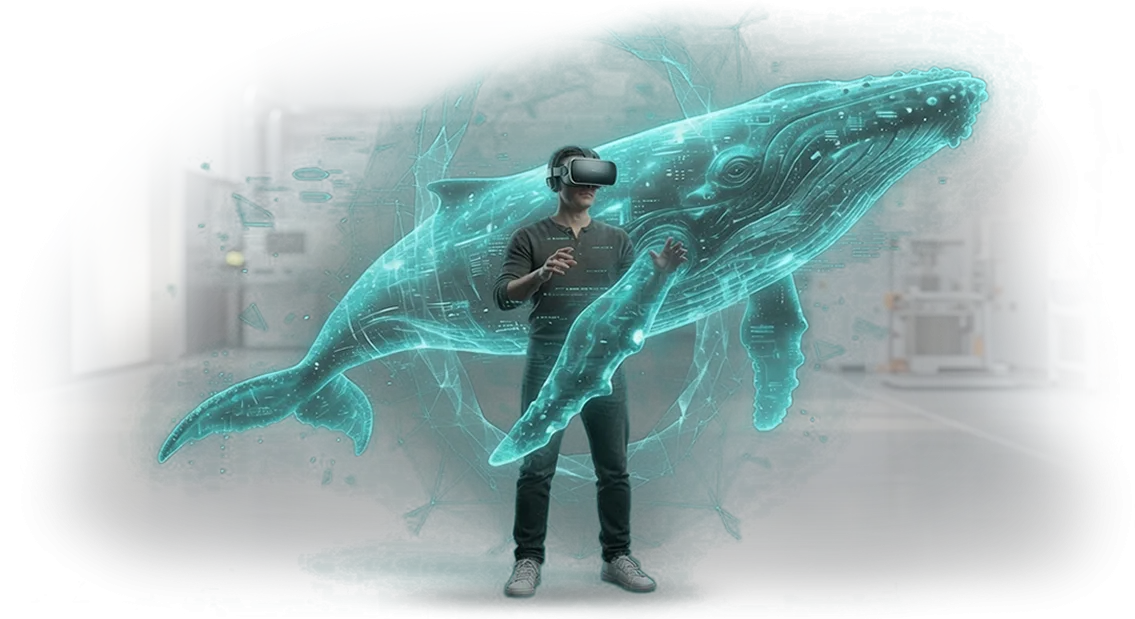
Why dentistry without VR/AR loses patients
Modern patients choose a clinic online: they study the website, look at photos of offices, and compare where the results are shown more clearly.
If your page is just a list of services and prices, and a competitor has a virtual tour and a 3D model of a future smile, the choice is obvious.
A dental clinic without digital tools unintentionally signals "we're behind the times," and the patient goes where they feel a modern approach.
Competitors are already implementing interactive dentistry — and it's not just a pretty element, but a factor that directly affects bookings. It's hard for a patient to trust abstract promises, but easy to trust a visual treatment plan.
When a person sees what their smile will look like after prosthetics or bite correction, fear decreases and trust in the doctor grows. As a result, clinics using VR and AR get more consent for expensive procedures and a higher average check.
VR for dentistry also solves another task — it builds the clinic's image as a leader. Digital dentistry shows that you keep up with the times, invest in patient comfort and treatment quality.
It works for brand recognition, word of mouth, and repeat visits — people return to a place where it was clear, safe, and high-tech for them.
Wehave been helping clinics meet this need for over 10 years: we develop VR/AR solutions that attract patients and set you apart from competitors. You don't need to understand the technology — we handle all development, integration, and support. You get a ready-made tool that pays off through new bookings and a stronger reputation.
What a VR/AR app gives your clinic
Patients remember not words but sensations. An ordinary consultation is forgotten within an hour, but a VR scenario stays in memory for weeks. The app immerses the visitor in an interactive tour of the clinic — and the emotion of that encounter becomes part of the brand.
Engagement: from fear to trust
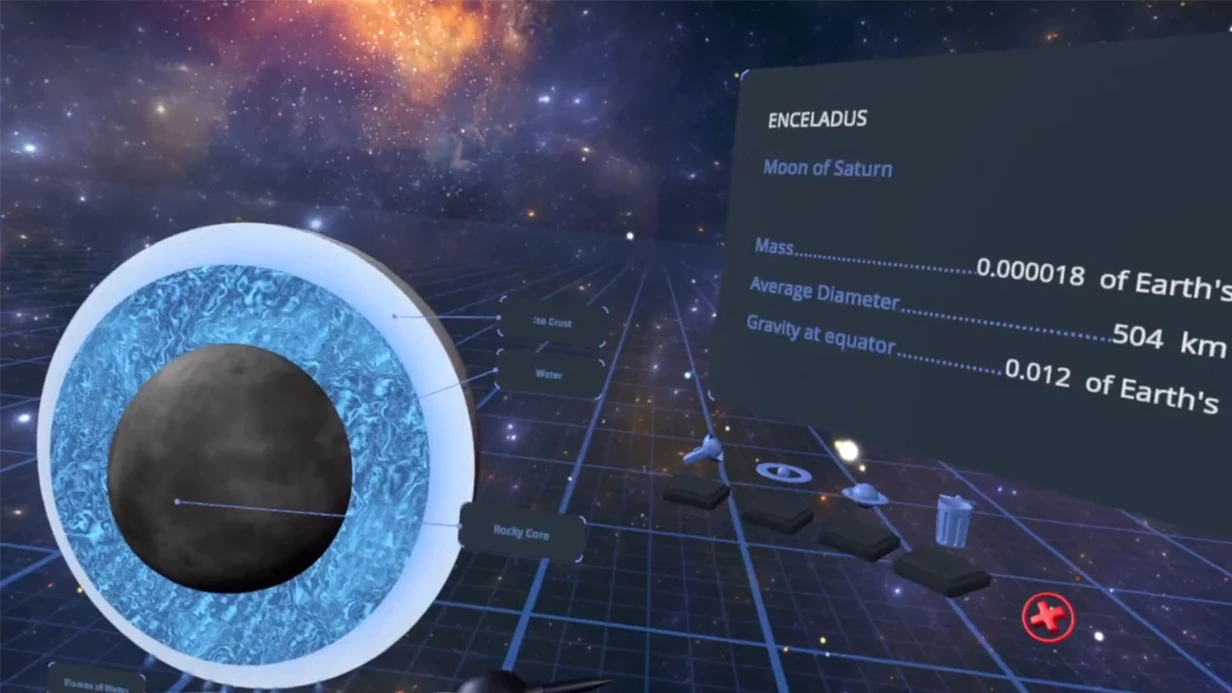
Virtual reality turns the first encounter into a safe experience. The patient sees the office, instruments, and treatment process before stepping through the door. This relieves anxiety, increases consent to procedures, and reduces time spent on persuasion.
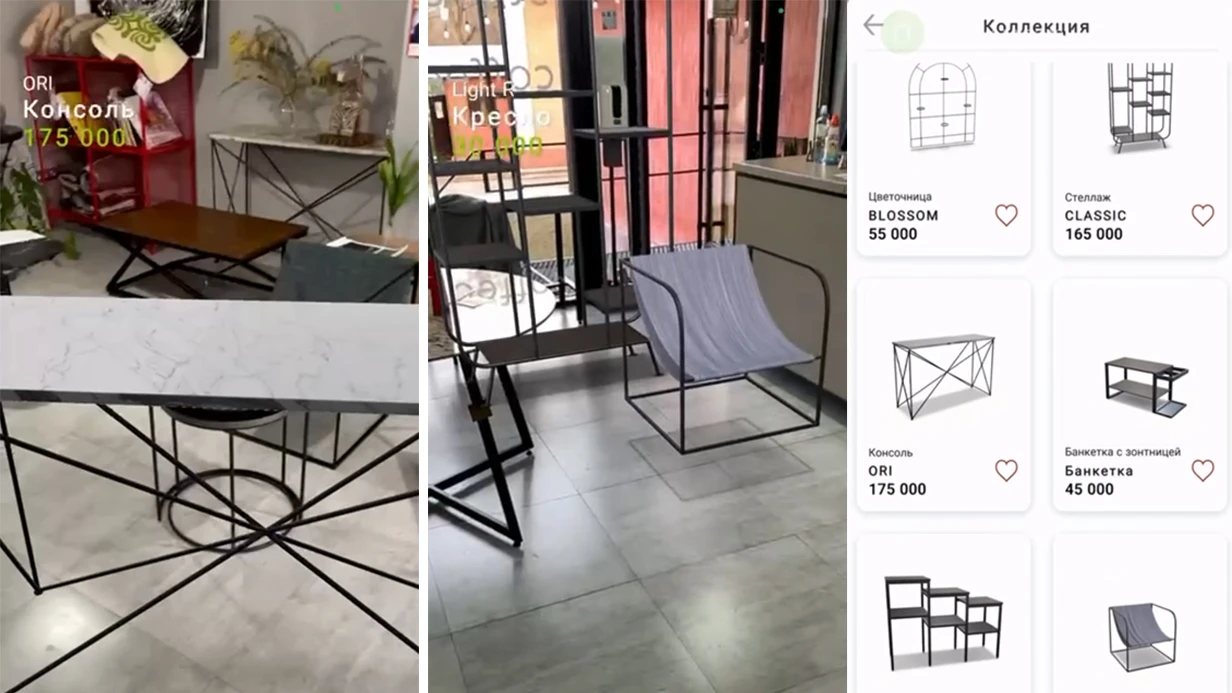
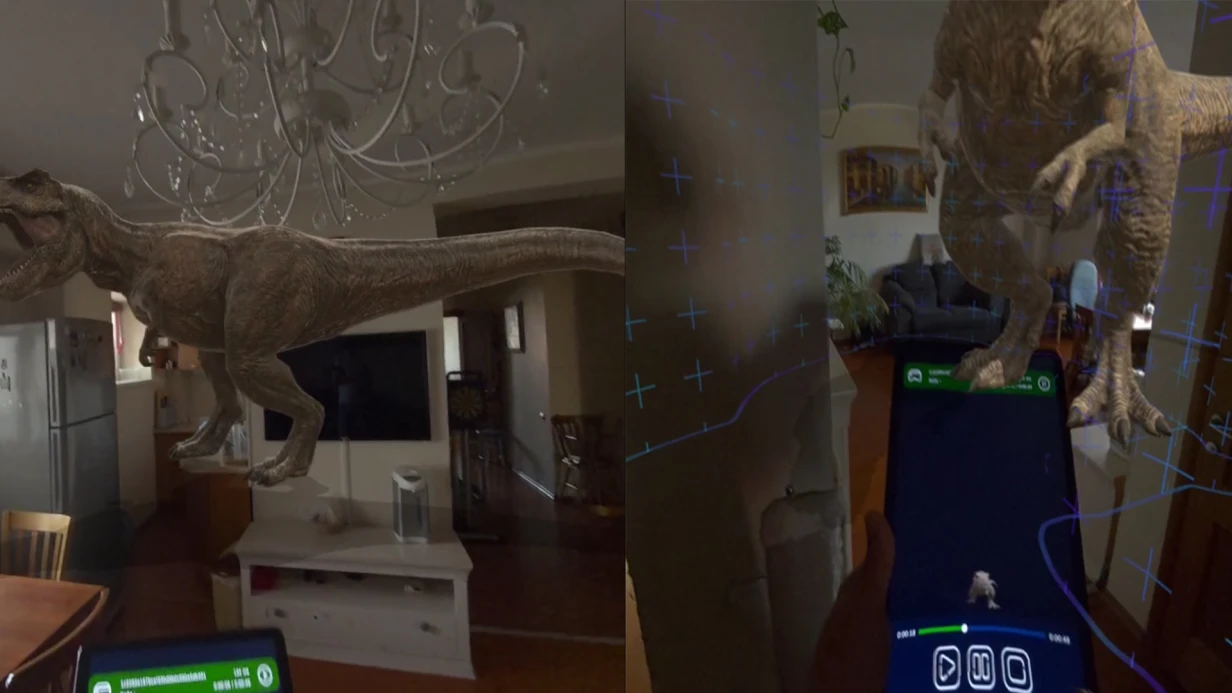
Augmented reality at the front desk shows a 3D model of the future result — a smile after whitening or bite correction.
Recognition: patients bring friends on their own
Such scenarios are asked to be repeated, photographed, and shared with loved ones. Every post from your VR zone is free advertising in friends' feeds. An interactive space makes the clinic a point of attraction that people talk about in chats and on social media.
Leads and loyalty: from visitor to regular patient
After the session, you can offer a subscription to the result and collect contacts. This builds a base for repeat visits and personalized offers.
The clinic gets not a one-off entertainment event, but a sales tool that works for the entire cycle: from the first inquiry to recommendations.
We create such scenarios for your dental services — with a quick launch and simple presentation for the patient. We work on professional equipment so the image stays stable, and content updates for new promotions without rebuilding the entire system.
Formats of VR/AR solutions for dentistry
Different clinic tasks are covered by different formats. Some need to show the interior before the visit, some need to remove the fear of treatment, and some come for a transparent work plan.
We have gathered three main scenarios that dental clinics most often order and broken down what benefit the clinic gets from each.
| Format | For whom | What it gives the clinic |
|---|---|---|
| VR tour of the clinic | New patients choosing between clinics | Removes the first-visit barrier: the person has already "been" to you and comes without the fear of the unknown |
| Patient education (VR/AR) | Patients before complex treatment, children, and anxious adults | Fewer cancellations and reschedules — the patient understands the treatment stages and stops being afraid |
| AR/3D treatment visualization | Patients at consultations, doctors during planning | The patient sees the future result and more easily agrees to the treatment plan |
The virtual tour works as an additional sales channel. The patient doesn't travel across the city to "just look" — they've already seen everything on their smartphone screen and come to the clinic with a specific request.
This format is especially effective for premium clinics: the interior in VR creates the right impression before the visit and increases the average check.
Treatment visualization is a tool that removes the main objection at the consultation. Instead of abstract words about the result, the patient sees a photorealistic image: what the smile will look like, how implants will be placed, what will change after prosthetics.
When a person sees the future result, the decision is made faster, and the treatment plan is discussed more constructively.
We accompany the project from idea to launch: we select the format for the clinic's tasks, develop the scenario, and build the solution on professional equipment.
You don't need to understand the technical side — just set the task, and the result will integrate into your sales funnel and start working for your reputation.
How a VR/AR application is developed for your project
Developing a VR/AR application for dentistry is not about technology but about emotions and results. To ensure the solution fits into the clinic's daily work and delivers an immediate effect, we go through six development stages — from the technical brief to post-launch support.
-
Technical brief and analysis. We record what tasks you are solving: reducing patient fear, visualizing the treatment plan, or teaching hygiene. We study the target audience and appointment scenarios so VR implementation runs without interrupting work.
-
Concept and user scenario. We define what exactly the patient sees and how they move through the scenario — from introduction to relaxation. We test the idea on a small group to avoid spending the budget on unnecessary features.
-
Design mockup and prototype. We create a visual style for your brand and assemble an interactive mockup. It can be shown to doctors and administrators before the main development — this simplifies approval.
-
Development and assembly of the solution. We use professional equipment and the Unity environment to get a stable image and fast response in the headset. For the patient, this means a comfortable session without motion sickness; for you, a minimum of questions from staff.
-
Testing on real devices and patients. We check how the application behaves under different lighting, on different headsets, and in stressful situations. We collect feedback from doctors and refine the scenarios to the clinic's working protocols.
-
Launch, training, and support. We train administrators and doctors, help integrate VR/AR into the appointment process. We stay in touch after launch, update content, and refine features if the clinic's services or standards change.
What you get after implementing a VR/AR solution
Implementing VR/AR is not a one-time demonstration but a working clinic tool that delivers results within the first weeks. We hand over a complete package: a ready application, adapted content, staff training, and support at all stages — from VR zone delivery to regular updates.
What the development package includes
- A working VR/AR application — for your tasks: training students, demonstrating treatment to the patient, or visualizing the result before starting work.
- Content for your clinic — dental arch models, clinical cases, treatment scenarios, not abstract "cubes."
- A ready package for the office — properly selected equipment that is already configured and tested before delivery.
- Staff training — doctors and assistants will understand the interface in one short training session, without leaving the appointment flow.
- Instructions and regulations — how to use the solution every day, where to store it, how to prepare it for a session.
- Post-launch support — tech support, updates, and scenario refinement when new tasks arise.
- Development plan — which scenarios you can expand the solution with in the future: from training to marketing.
VR delivery is organized around your schedule: we bring the equipment, install it, configure it, and demonstrate it in action.
As a result, you get not a "raw prototype" but a solution that the clinic can already use to develop a training center or increase patient loyalty.
Support does not end at launch. You are always in touch with the project manager — you can ask questions, request new scenarios, and plan development. This is a clear, manageable process without surprises.
A real case: growth in inquiries with VR/AR
Patients choose a dental clinic with their eyes — but familiar office photos do not reduce the fear of treatment. A VR tour moves a person inside the clinic before the visit: they walk through the offices, see the equipment, feel the atmosphere. This relieves anxiety and turns the website into a sales tool.
Case: a dental clinic network and a VR tour
A network of five clinics approached us. The main problem was high website traffic but a low booking rate. Potential patients hesitated, didn't understand the level of equipment and environment.
We developed a VR tour of the flagship center: a panoramic walkthrough of all zones — from the lobby to the operating room.
We embedded the tour into each service card and added a "Book now" transition right after viewing. In two months, the number of inquiries grew by 35%, and the time spent on the site tripled.
Patients began coming to the initial examination more often — 70% of tour visitors left their contact.
The secret is simple: it is psychologically easier for a person to come in reality to a place they have already "looked into" in advance. The VR tour works like open doors — it builds trust before the visit.
White Pearl extended the project to all five clinics after a test month and added the tour to advertising campaigns — the cost per inquiry decreased by a quarter.
For dentistry, VR/AR is not entertainment but a channel that brings in paying patients. Implementation takes 2–3 weeks, and results are visible in the first month.
Which VR/AR format should you choose to attract patients?
The task of a dental clinic is not just to show the patient that the clinic keeps up with the times, but to bring them to the decision to get treated with you.
There is no universal format: VR and AR solve different tasks, and the right choice depends on what you need — removing the fear of treatment, clearly showing the result, or attracting new patients.
The VR format addresses the emotional barrier. The patient puts on the headset and immerses in a calm environment — anxiety decreases, treatment goes more easily, and the patient returns and recommends the clinic to acquaintances.
This is especially valuable in pediatric dentistry, where fear is the main reason for refusing treatment.
The AR format is indispensable at the consultation: the patient sees the future result — how the smile will change after whitening, restoration, or bite correction.
When a person sees the result with their own eyes, it is easier to accept the treatment plan, and the clinic sees an increase in conversion from the initial appointment to a full course.
For attracting attention on social media and in advertising, interactive AR effects and virtual tours of the clinic work well. Patients willingly share such stories — the clinic gets reach and recognition without increasing the advertising budget.
Our task is to select a format for your specific goal. We analyze the clinic's tasks and audience, propose a solution that pays off, and accompany the project from idea to launch.
For 10+ years, we have implemented projects in various niches, so you get a working patient-attraction tool, not a "trendy technology" for technology's sake.
Frequently asked questions about implementing VR/AR technologies
Implementing VR/AR in dentistry raises questions for some managers: is it too complicated for staff, will it scare off patients, how much time and budget it will require. These are normal doubts — new technologies always go through a testing stage.
We have collected answers to the most common ones so you can see the full picture even before talking to us.
How much time does staff need to learn VR/AR?
Training takes minimal time — from one working day to a week depending on the scenario. An administrator only needs to understand how to launch the program and put the headset on the patient. An assistant or doctor — how to select the desired module from the menu.
We support the launch and provide simple instructions, so the adaptation process goes without stress. From there, it's just a steady increase in speed and results.
Is it safe to use VR with patients?
Yes, with reasonable restrictions and proper session configuration. We use professional equipment with certified brightness and focus-change control systems.
The session duration is set for the specific task: from a couple of minutes for distraction to full relaxation during treatment. The patient can stop the session or remove the headset at any time — control is always on the person's side. All scenarios are tested before reaching the clinic.
How much does development cost and when will it pay off?
The cost depends on the chosen scenario — from a simple 3D visualization to a full simulator with feedback. We don't name a price "out of thin air": after the brief, we fix an exact cost estimate and timeline.
Payback is usually assessed through the growth of the average check, an increase in the share of complex cases accepted at the clinic, and reduced patient anxiety, which makes them more likely to agree to treatment.
Quick scenarios — such as a virtual tour of the clinic or in-chair distraction — launch in a couple of weeks and start working for your reputation immediately.
If you still have questions — come for a free consultation. We'll show real projects for dentistry, explain the implementation stages, and calculate the economics for your clinic. That way you'll make a decision based on facts, not assumptions.Start a VR/AR project for your clinic today
Is your clinic already ready to offer patients something competitors don't have? VR/AR solutions turn an ordinary visit into a memorable experience: the patient sees the treatment result before it begins, and the doctor gets a visual tool for discussing the plan. This builds trust and reduces time spent on explanations.
We develop VR/AR for dentistry turnkey: from idea to launch. We handle everything — scenarios, design, programming, testing, and support. We'll show how your project will work even at the concept stage.
To get started, just one step is enough:
- Leave a request — within 1-2 days we'll send a project estimate and first ideas for your task.
- Get a consultation with a demonstration of similar solutions for clinics and examples from practice.
- VR development for your scenario — staff training, service presentation, entertainment in the waiting area.
- See the results at each stage — you control the process instead of waiting for "surprises" at the finish.
- We test on real users — we make sure everything is convenient, clear, and evokes the right emotions.
- We hand over the project with instructions and train employees — you don't need a technical specialist on staff.
You can leave a request right now — tell us about the task and timeline. We'll propose a solution for your clinic, budget, and expectations. This is non-binding, but you'll see how VR/AR can be used in your work.
Start a VR/AR project for your clinic today — leave a request on the website, and we'll get in touch with you shortly.