

Why Museums Lose Visitors and How to Stop It
Visitors come to a museum for an experience, but often leave with the feeling "we've seen everything and nothing stuck." Static display cases and text on plaques are losing the battle for attention: today's audience is overloaded with content and expects even cultural leisure to be engaging.
The problem isn't a weak exhibition, but that the museum seems "frozen in time" — and digital technology has already shaped the audience's habit of interactivity and instant response.
If a guest can't interact with the story, their interest fades within the first minutes, and the next visit is postponed for years.
Digital technology can restore the museum's role as a living space people want to return to and bring friends to. This isn't a replacement for exhibits, but a new layer of perception: history comes alive, becoming clear and emotionally close.
As a result, visitors spend more time in the halls, remember more details, and share impressions on social media — expanding the museum's reach without advertising investment.
We see the task more broadly than "implement an app." For us, digital technology is a way to hold the visitor's attention, turning a one-time event into a long-term relationship between the museum and its audience.
That's why we offer interactive scenarios that work toward specific metrics: growth in repeat visits, increased time spent, and positive reviews.
The museum stops being a "check-the-box" destination and becomes a point of attraction for families, schoolchildren, and tourists.
We've already helped museums win back visitor interest — and we know how to do it without unnecessary complexity. Start with a simple step: add one digital layer to the exhibition, and the guest will tell you where to go next.
What VR/AR Implementation Will Give Your Museum
Visitors come to the museum for impressions, but classical presentation — display cases, plaques, and audio guides — increasingly loses the battle for attention.
This is especially noticeable with younger audiences, who are used to interactive content and instant access to information. As a result, the museum loses potential interest, time spent decreases, and repeat visits become rare.
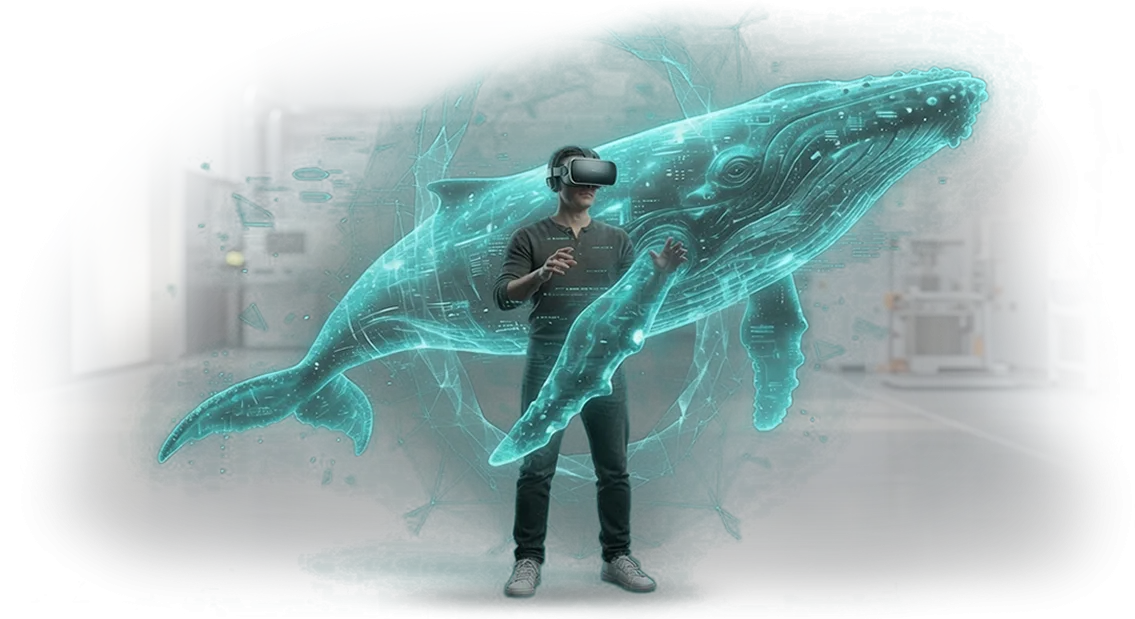
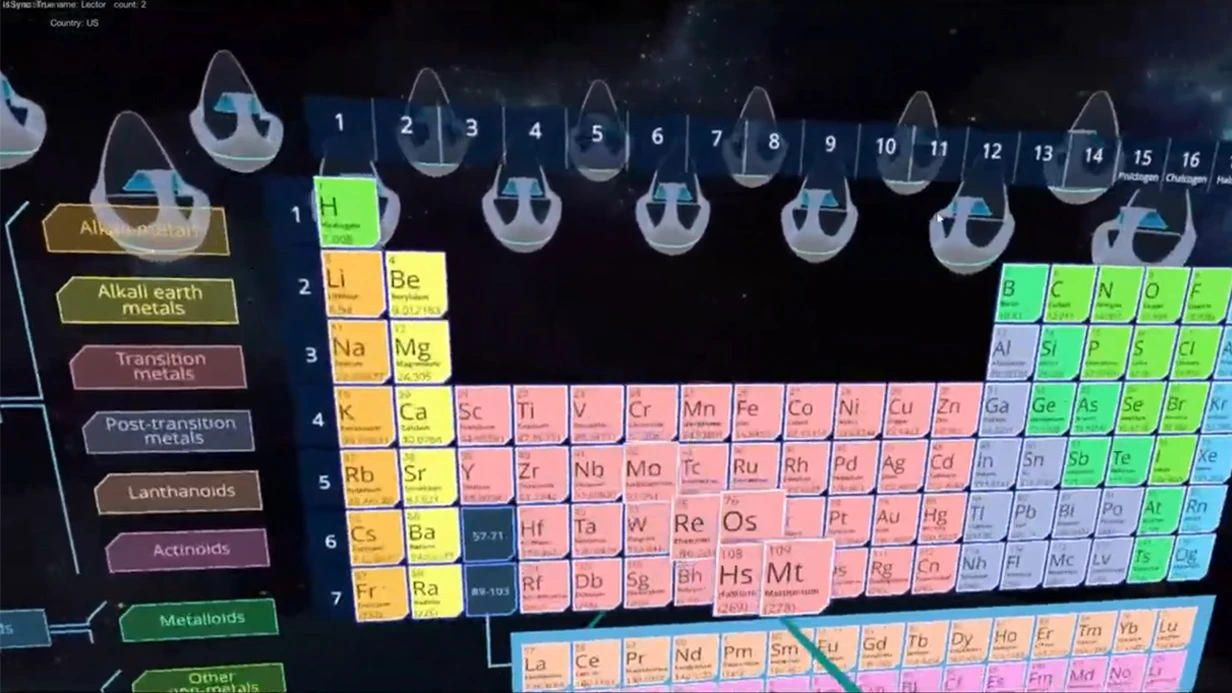
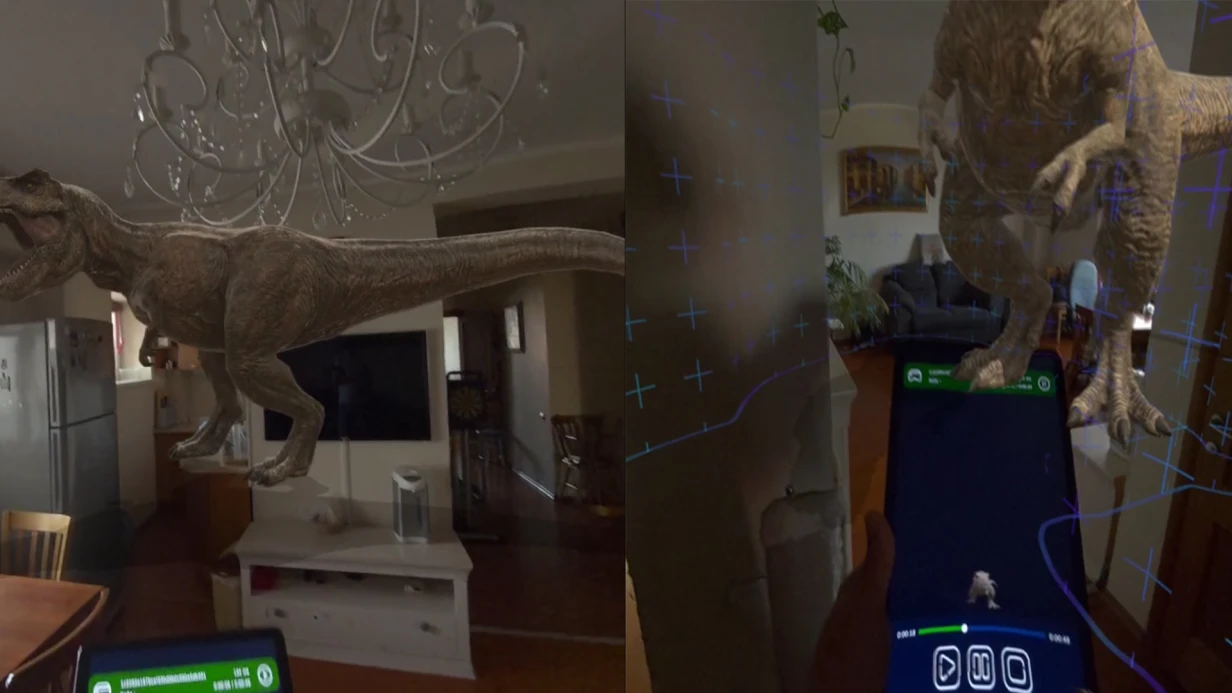
Virtual and augmented reality turns the exhibition into a living experience. A visitor can "enter" inside a historical event, examine exhibit details in magnification, or see what the hall looked like a century ago.
This interaction creates an emotional connection — exactly what people remember and discuss, returning again and bringing friends.
For the museum, these are practical benefits. Engagement grows: guests stay in the halls longer and are more willing to return. The institution's image improves — it's perceived as modern, tech-savvy, and open to experimentation.
Reach expands through word of mouth and social media posts — visitors share their impressions themselves, and the museum gets free advertising.
Modern platforms such as Apple Vision Pro allow these scenarios to be implemented without bulky equipment and complex setup. Guests use intuitive glasses or their own smartphones — there's nothing to learn, the effect appears instantly. For the museum, this is a simple way to refresh the exhibition without renovating the space.
We help implement VR/AR so that the technology works precisely for your goals: from concept and scenario design to launch and support. You get not just a set of apps, but a tool that strengthens the museum's educational value and turns it into a place worth returning to.
VR/AR Solution Formats for Museums
VR/AR solution formats differ not by technology but by outcome: one option expands the audience, another increases time spent in the halls, and a third makes the exhibition memorable.
Museums rarely need all capabilities at once, so the task is to choose the right combination for specific goals, visitor flow, and the nature of the exhibition.
We divide formats by the task the museum needs to solve. Below are typical scenarios and their practical value.
| Format | Who it's for | What it gives visitors and the museum |
|---|---|---|
| Virtual 360° tour | Remote viewers, school groups from other cities, people with limited mobility | Access to the exhibition from anywhere in the world — growing reach without expanding halls |
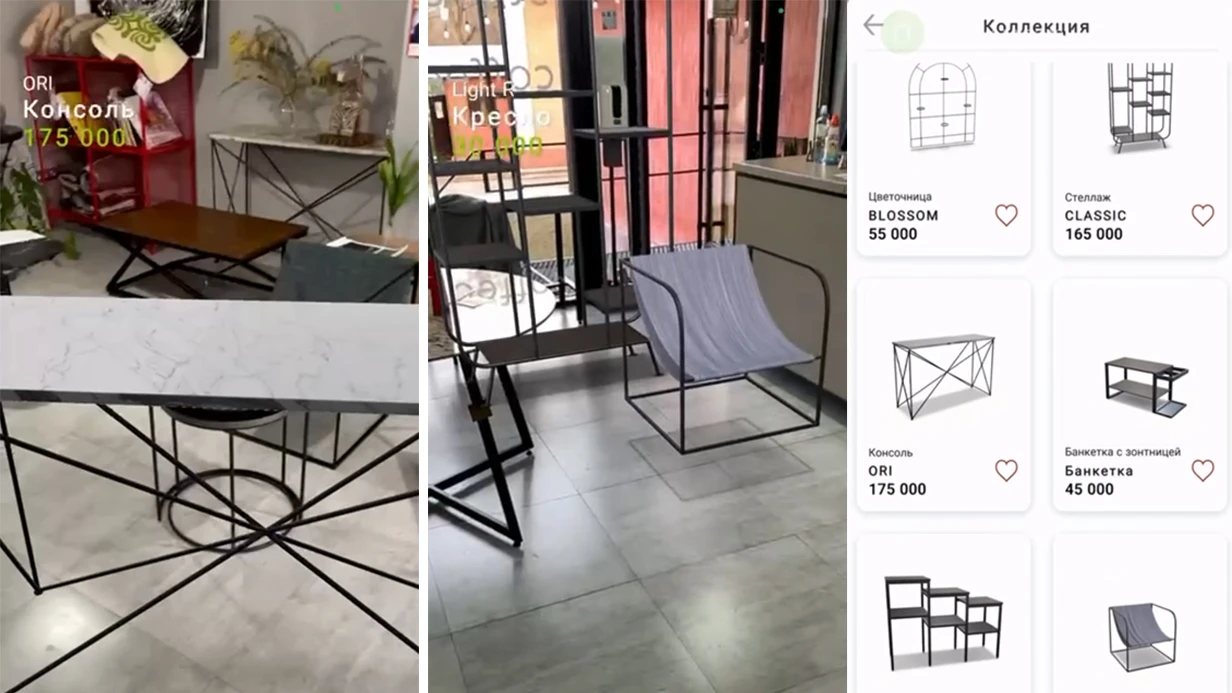
| Augmented reality in the halls | Independent visitors with smartphones, families with children | Coming-to-life exhibits and hidden historical layers — visitors stay longer in the exhibition |
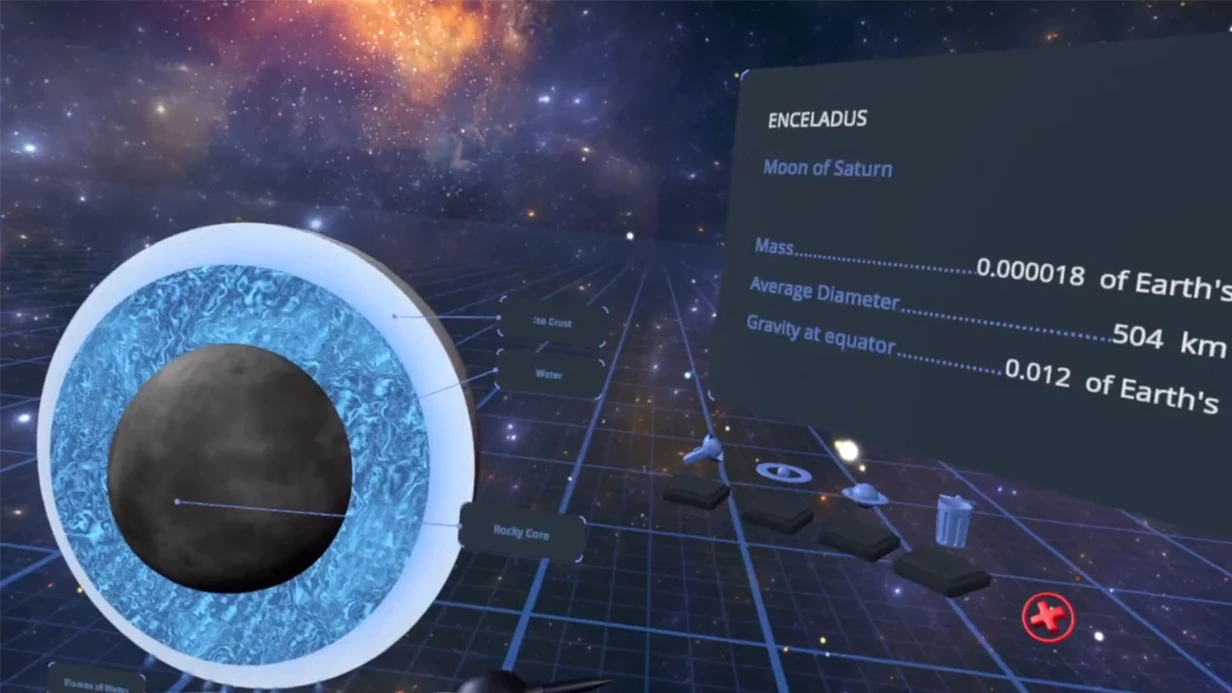
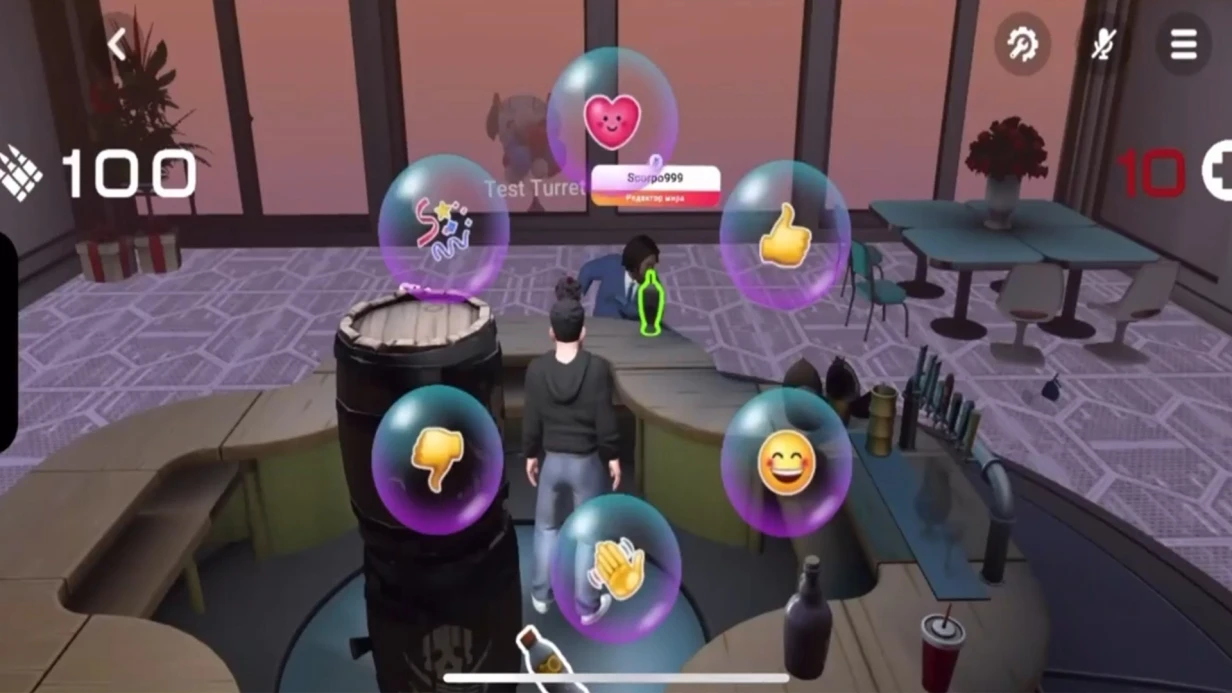
| Full-immersion VR zone | Young people, tourist groups, special event participants | "Time machine" effect — strong emotions, photos, and word-of-mouth recommendations that bring new guests |
| Interactive AR guide | Individual visitors, foreigners, frequent guests | A personal route through the halls, fewer paper materials, higher loyalty and repeat visits |
The formats are easy to combine: an AR guide is set up for the permanent exhibition, and a VR zone with a limited series of scenarios for temporary exhibitions. This flexibility allows you to update the program without restructuring halls or pausing museum operations.
We design solutions to work on modern professional equipment and not require the museum to have its own IT team. First, we analyze visitor flow and exhibition goals, then we propose the right format, prepare content, and support a turnkey launch.
Stages of VR/AR Project Development
Working on a VR/AR project for a museum is not just "buying an app" but a structured process in which each stage brings you closer to the result: visitors linger at exhibits, share impressions, and come back again.
We accompany the project from the first brief to launch and support, including for Apple Vision Pro. You always understand what's happening, the timeline, and what you'll get at the output.
- Brief and immersion in the exhibition — we study the museum's goals, target audience, and key exhibits to understand what experience visitors need.
- Concept and scenario — we propose the interaction format: augmented reality on tablets, 3D reconstructions, or a VR tour. We discuss how this fits into the museum space and what emotions it will evoke.
- Prototype and approval — we build an interactive model on real exhibits so you can see what the project will look like before full development.
- Development and content — we create content, refine the interface and logic. At this stage, we bring in professional equipment so the final picture is pleasing to the eye and runs without glitches.
- Testing with a real audience — we run sessions with visitors, collect feedback, and adjust details: ease of control, loading speed, clarity of prompts.
- Launch and implementation — we install the app, train staff, configure equipment, and make sure everything works on opening day.
- Support and evolution — we update content, add new exhibits, and help the museum develop the project further.
As a result, you get not just an app, but a ready-made tool for tours that increases interest in the collection and gives guests a reason to return. At every stage, we stay in touch and show intermediate results, so the process remains transparent and the timelines realistic.
What's Included in the App Delivery
When you order the development of a museum app, it's important to understand exactly what you'll receive. We deliver not just a program but a complete package — from an interface customized to your exhibition to trained staff. Everything is ready to launch on the day of handover.
- A ready-made Apple Vision Pro app, adapted to your exhibition and brand identity. Visitors launch it on your devices or rented equipment — without extra setup.
- Scenarios tailored to your goals: tour mode, free exploration of halls, quests, or a multimedia guide. You choose how guests experience the collection, and we implement it in the app.
- An admin panel — your staff can change texts, add new exhibits, and update content on their own without contacting developers. This saves time and budget on every change.
- Complete documentation: instructions for installation, launch, maintenance, and common situations. Any administrator will quickly figure it out, even without previous AR/VR experience.
- Staff training — hands-on sessions for administrators, cashiers, and hall attendants. Your team works confidently with the system from launch day, and visitors get help where they need it.
- Technical support after release: we stay in touch, respond quickly to questions, and help in unusual situations. You're never left alone with the product.
- Source materials and content rights — the museum can use and develop the app without restrictions, involving any contractors in the future.
This package covers everything: you have a working solution, clear documentation, and trained people. All that's left is to launch the project and watch how new technologies attract visitors and boost interest in your exhibition.
Case Study: Attendance Growth After Launching a VR Tour
For the Museum of Urban Life we delivered a real project that changed the museum's approach to visitors. The exhibition was interesting only to a narrow circle of specialists, and ordinary guests walked through the halls in 15–20 minutes and never returned. The problem wasn't the value of the collections but the presentation.
We proposed adding a VR tour to the exhibition: a visitor puts on a headset and finds themselves inside recreated historical interiors.
Static viewing becomes a living scenario — each person chooses where to look and what to explore, and museum stories become a personal experience.
What changed after the launch
In the first month, more than 3,000 people completed the VR tour. The average time spent in the museum grew from 20 minutes to an hour — guests began exploring the exhibition more carefully instead of just rushing through the halls. Overall museum attendance increased by 40%.
The share of repeat visits tripled: people returned to show the VR format to friends and family. The museum received hundreds of mentions in social media and city communities — free reach that continues to build recognition even after the project ended.
Why it worked
The visitor stopped being an observer and became part of the story. An emotional experience is remembered more strongly than text on a plaque, so a natural reason to return appears. For the museum, this isn't a one-time action but a tool for systematic attendance growth.
Within six months, the museum ordered a second VR location, then expanded the format to new halls. Today, this tour is one of the main reasons visitors choose the museum among other cultural venues in the city.
How to Choose the Right Format for Your Museum?
There is no universal format: the choice depends on the museum's goals, audience, and space. One museum needs to show exhibits that can't be displayed, another needs to hold onto young visitors, a third needs to expand reach. So first, we determine what problem the app solves, and then we select the scenario.
The criteria we rely on are the museum's goal, expected result, and visitor categories. Each task has its own format:
| Format | Who it's for | What it gives the museum |
|---|---|---|
| Augmented reality in the halls | Individual visitors and groups | Immersion in history, higher engagement, repeat visits |
| Virtual reality on-site | Families, schoolchildren, high visitor flow | A point of attraction, social media photos, more time in the exhibition |
| Online virtual tour | Remote audiences, schools | Reach beyond the city, requests for real tours |
| Navigation and routes | All visitors | Fewer questions for staff, convenient paths, additional sales |
You can go further and build a project for Apple Vision Pro: content becomes three-dimensional and control feels natural. This format amplifies the novelty effect, but it too is chosen based on the task — for example, reconstructing a lost object or creating a night tour.
The main thing is not to start with technology. Define your goal, assess the audience and premises — we'll propose a format and show examples from similar museums.
Frequently Asked Questions About VR/AR App Development
Museum projects are a balance between the exhibition, technical reliability, and the visitor's impression. Before ordering, managers have the same doubts: will the launch be delayed, who will maintain the app, how reliable is it. We answer the main questions — briefly and without ambiguity.
How long will development take?
Usually 6–10 weeks from the moment the scenario is approved. The timeline depends on the number of locations and the complexity of the interactive features. At the first brief, we set out the stages and dates — you see progress and control the budget.
Who maintains the app after launch?
We stay in touch after handover. The cost includes warranty support: content updates, bug fixes, and help for museum staff. If the exhibition changes, we'll refine the scenario as part of the support.
What are the risks with VR equipment?
The risks relate to choosing headsets and network load. We use standalone devices and configure them for the halls. For AR, visitors' smartphones are used — this reduces costs and doesn't interfere with the exhibition.
How do you guarantee the app will attract visitors?
We build the scenario around emotions and play, and test it on a small group before launch. Based on the reaction, we make adjustments so guests stay longer and return to the museum.
Order VR/AR Development and Discuss the Details
A museum guest comes for an impression, not boring plaques. AR and VR apps bring the exhibition to life, increase average time spent, and give visitors a reason to return — and bring friends.
We help museums achieve this result without diving into technology: you tell us about your task, and we handle the implementation.
Start with a consultation request — from there, every step will be transparent and manageable.
- Request — you describe the museum, exhibition, and audience; we suggest a convenient time to talk.
- Consultation — we discuss goals and scenario: what the guest should feel, see, and do in your space.
- Concept discussion — we propose 2–3 format ideas: from an augmented reality guide in glasses to virtual halls that don't exist in reality.
- Project estimation — we set timelines, stages, and scope of work; you understand the scope of investment before starting.
- Implementation and launch — we build the app, test it with your staff, train personnel, and provide support after release.
- Growth and support — we make prompt edits, help update content, and add new scenarios for changing exhibitions.
We work as one team on your side: we coordinate each stage and keep you informed. You get not just an app, but a tool that solves a specific problem for your museum. Equipment, tools, and ready-made expertise are on our side, including experience with Apple Vision Pro apps.
Leave a consultation request — together we'll find a format that brings your exhibition to life and surprises visitors. We'll send examples of similar projects, show how the solutions work on a demo stand, and offer an option suited to your budget and timeline.