

Why video production without VR/AR loses to competitors
Guests are increasingly losing concentration: familiar videos and slides are perceived as background, while attention drifts to smartphones. This is noticeable at any event: people look at screens, not at the stage.
For video production, this means that even high-quality content doesn't deliver the desired effect — the event is remembered poorly, and the brand isn't recognized. Those who don't evoke emotions lose to those who offer guests a new experience.
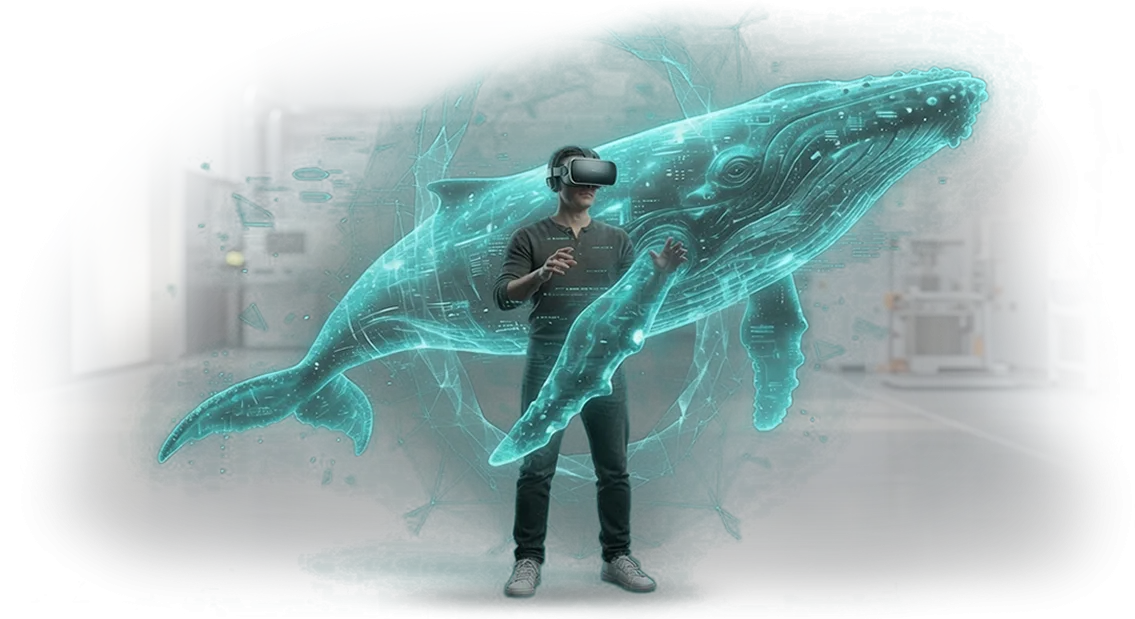
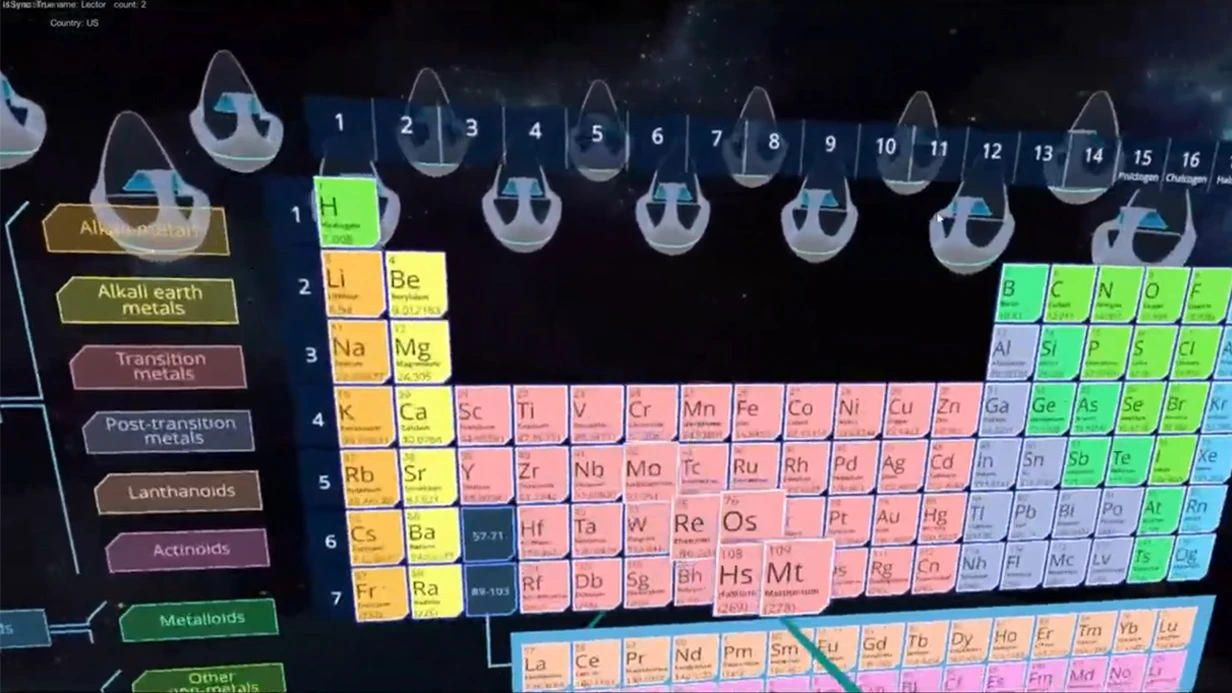
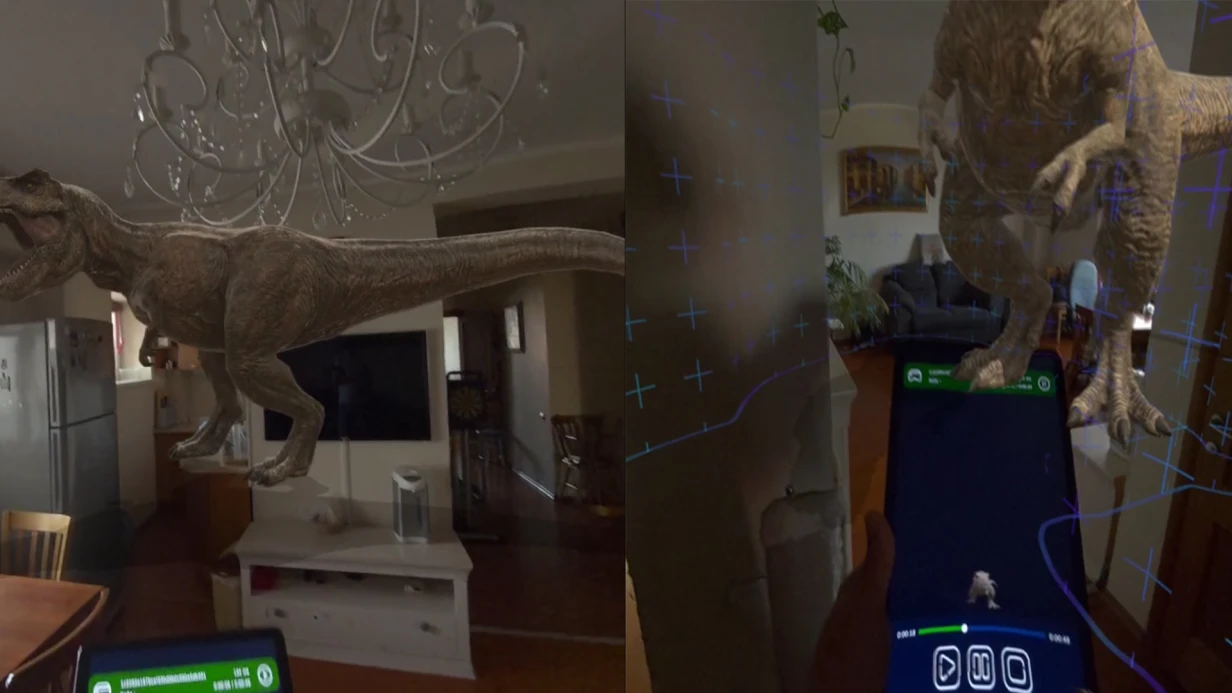
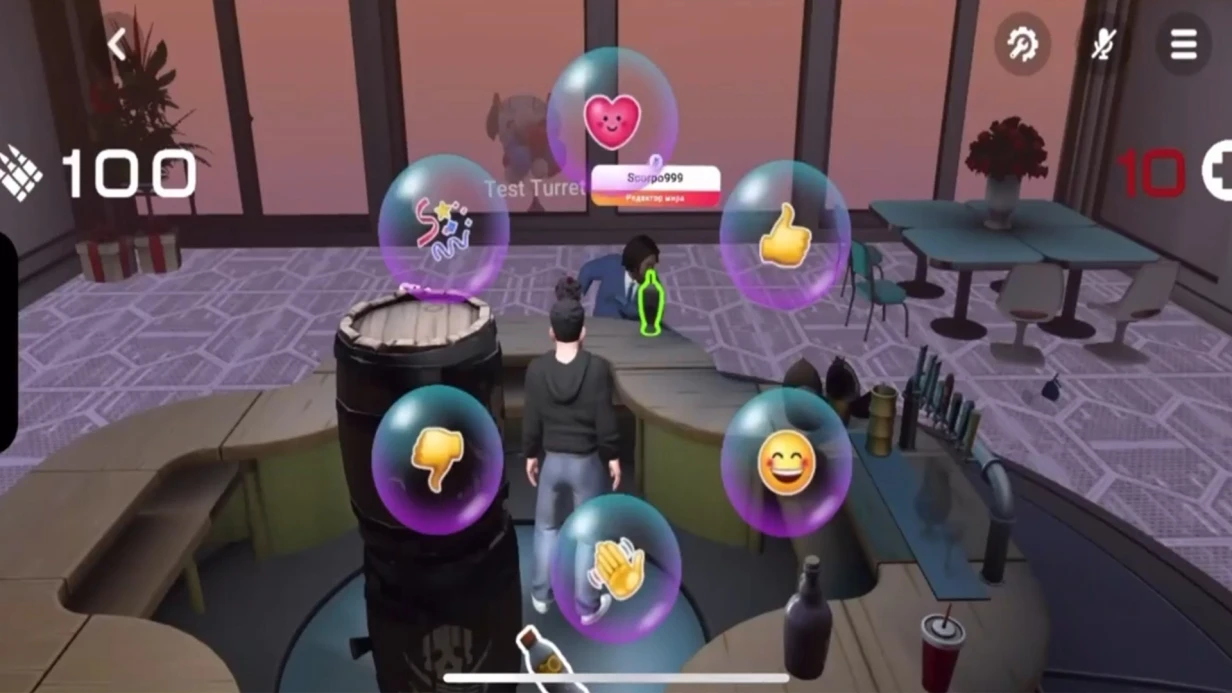
That's why immersive formats become a competitive advantage: instead of observing from the sidelines, a person finds themselves inside the story. VR zones, AR masks, interactive screens, or 3D projections turn viewing into participation. This approach holds attention several times longer, and the impressions last a long time.
From a business perspective, this is a direct benefit: engaged guests take photos more often, post content, and return to subsequent events. Each such post is additional reach without advertising costs.
By investing in a unique experience, you lay the foundation of loyalty that works after the event ends. Video production that uses immersive solutions creates reasons for conversation and shapes the image of a modern, technological brand.
We have already implemented similar scenarios for dozens of events: from corporate parties to exhibitions. That's why we know how to turn VR/AR formats into working tools that deliver results.
We'll select a solution for your goals, assemble a team, and support you from idea to launch. Ready to do this for your project — so your video production doesn't chase competitors but sets the trend.
What you get by adding immersive formats to your projects
Live reaction and audience engagement
Immersive formats turn viewing into an event: guests don't just watch a video — they find themselves inside the frame. The emotions from such an experience are remembered more strongly, so the project is actively discussed, revisited, and recommended to others.
The participant stops being a passive viewer — they interact with the content, choose the angle, and feel presence. This holds attention several times longer than regular video, which means your key message reaches everyone.
Wide reach and viral effect
One impressive experience generates dozens of social media posts: guests film what's happening on their phones and share it with followers. Each such repost is free advertising that extends reach far beyond the event venue.
In addition, the immersive format itself becomes a news hook. Bloggers and media write about it, and your video gets an additional distribution channel — without spending on promotion.
Brand recognition
When a video product is associated with an unusual format, the brand is remembered more vividly and stands out from competitors. Immersive presentation cements the image of an innovative leader that surprises and sets trends.
Such an experience works long-term: even months later, clients remember your project when talking about quality video production. The relevance and boldness of the format become part of the reputation.
Lead growth
After a vivid immersion, the viewer is more willing to leave contacts, subscribe to the newsletter, and move to the target action. Immersive video removes the barrier between interest and a request — after all, an engaged person is already ready for dialogue.
You get not just views but a warm audience that came for a specific experience. By processing such leads, you turn them into real clients faster and increase the conversion of your video projects.
VR/AR formats for video production tasks
For video production, VR and AR are no longer experiments but working tools that solve specific client tasks. When a regular video isn't enough, studios and producers look for formats that engage the viewer more strongly and justify the budget. We match the format to the task, not the other way around.
Formats and their benefits
Below are typical scenarios that video production teams come to us with. It's clear who each format suits and what results it delivers.
| Format | For whom | What it gives the client |
|---|---|---|
| VR 360° format | Real estate, hotel, and manufacturing facility shooting | The viewer gets inside the property without traveling — reduces personal showings and speeds up the purchase decision |
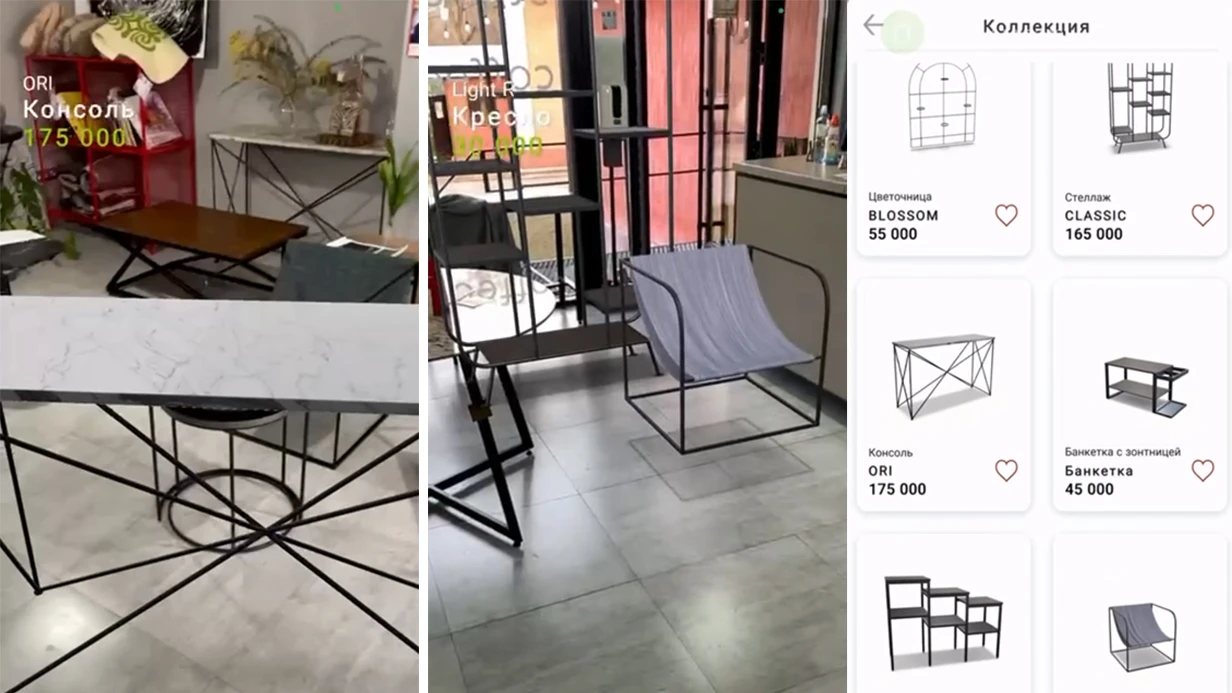
| AR format | Product presentation at exhibitions and in catalogs | A product brought to life in a real environment — increases engagement and collects more contacts |
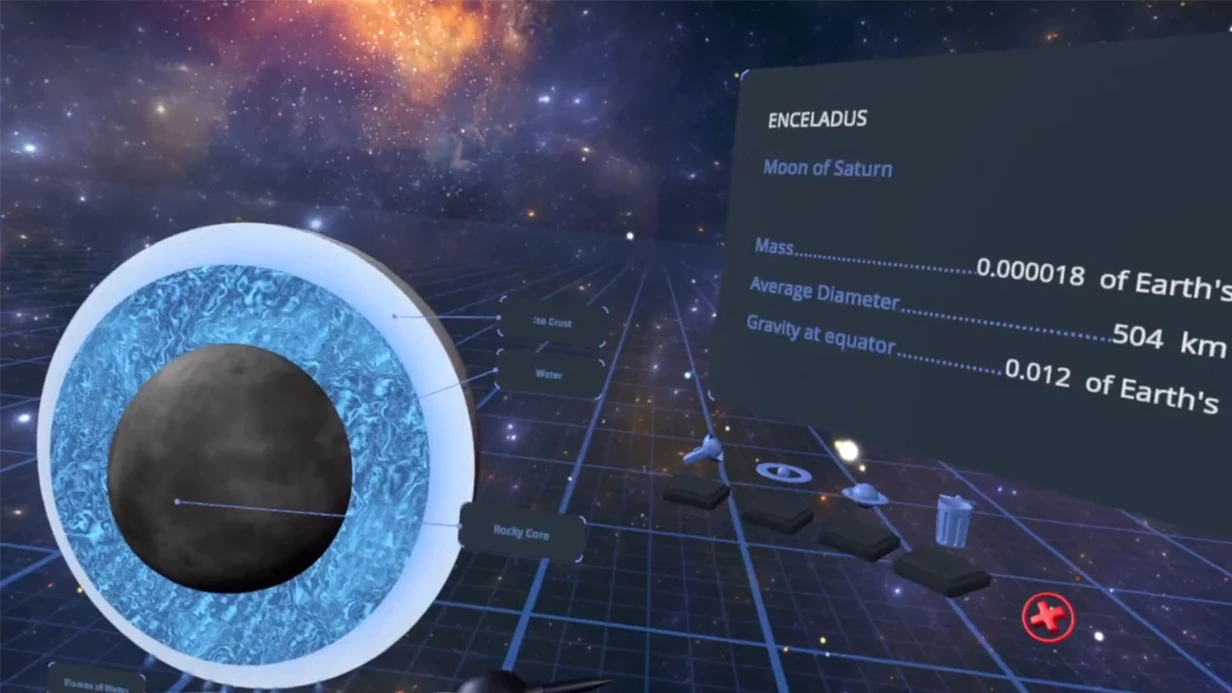
| Interactive VR presentation | Demonstrating complex equipment and services for business | The viewer controls the scenario themselves — fewer objections in negotiations |
| MR hybrid | Staff training, technical instructions | Real footage plus digital hints — employees master processes faster |
How to choose a format
If the task is to show scale and engage the viewer, we choose VR. If you need to tie digital content to a real object or footage — AR or MR. Before launch, we prepare a trial version so you can approve the result before full development.
This approach turns video production from a "pretty video" into a measurable sales tool. We adapt the format to the budget and timeline; we handle application development and integration with your processes ourselves.
How the work goes: from brief to project launch
As in any video production, order matters here: from the first discussion to launch, you should understand what's happening and when the result will appear.
We've structured the process so you don't dive into technical details — you simply get a working tool within the agreed timeline.
- Brief and task. We lock in the scenario: where and how the application will be used — on the set, in post-processing, or for showing to a client. We determine the interaction format and the desired result.
- Plan and estimate. Based on the brief, we prepare a proposal: timeline, stages, what you get at each step. We agree and lock it in — this is the foundation for work without unexpected changes.
- Prototype. We build a working mockup of the key scenario. You see the logic and interface before major resources are invested — and make edits at an early stage.
- Development. We create the application for your tasks. We show intermediate builds — you control the process instead of waiting blindly for the result.
- Testing and approval. We test the application in conditions close to real ones: shooting, editing, review. You get a stable version, not a "raw" product.
- Launch. We install the application, configure it for your device fleet, and train the team. You put the project into operation and immediately get a ready tool.
- Support and development. We stay in touch: updates, refinements for new tasks, technical assistance. The application lives and grows together with your business.
The result is a predictable process where each stage covers a specific need: from understanding the task to stable operation in production.
What's included in the delivery: a complete package for your project
We do projects so it's easier for you to understand the result before you even start. The formats have long been proven at real events and fit different tasks — from an exhibition booth to internal training.
Formats that have already proven themselves
| Format | For whom | What it gives the client |
|---|---|---|
| Interactive with a virtual twin | Marketing, sales | The guest controls the scene themselves and remembers the brand |
| Equipment demonstration | B2B exhibitions | Safe showcase with a "wow" effect |
| Virtual fitting room | Retail and online stores | Higher conversion through fitting without queues |
| Product onboarding for new employees | Internal processes | Faster path from trainee to actual work tasks |
| Virtual showroom | Company website | Exploring the product from anywhere in the world |
This isn't an abstract list — each format does a concrete job: attracts attention, shortens the path to purchase, or speeds up training.
How we hand over the project
- We design the scenario and interaction logic for your audience.
- We create 3D models and content in resolution for target devices.
- We assemble the interactive experience, configure physics, lighting, and effects.
- We test on the client's devices and fix any issues.
- We hand over the project with source files so you can develop it further yourself.
- We provide clear launch instructions — no technical knowledge required.
- We train your team and stay in touch after launch.
This way you get not just a "program" but a turnkey working tool: with ready design, logic, and training. After the first launch, you can see how guests interact with the product and what to improve — and we're right there to help.
Case study: immersive format for a business event
Business events are rarely memorable: dozens of presentations, identical slides, and within an hour guests are looking at their phones. For a company presenting a new product to partners and investors, this meant a risk — development investments didn't get the desired reaction.
We proposed replacing the standard demonstration with an immersive presentation.
Instead of slides and videos, guests put on Apple Vision Pro and found themselves inside a three-dimensional model of the product: they could examine details, see it at real scale, and even "walk through" the object. This isn't just a picture — it's a full experience that creates emotion and stays in memory.
Results the client saw immediately
The event gathered 120 guests. Over two hours of demonstration zone operation, we ran 85 sessions — almost every attendee tried the format. The key metric: 9 out of 10 guests approached company representatives after the session and asked questions about the product. A regular presentation generates 2-3 such contacts per day.
After the event, the client asked to rework the demonstration for the next meeting with investors.
The immersive presentation format became part of their standard presentation program — because it doesn't just surprise but genuinely extends the conversation with the client and accelerates negotiations.
For business, this means concrete things: guests don't get distracted, the product is seen in the best light, and the team gets new reasons for dialogue. An immersive presentation isn't event decoration — it's a tool that works for results on the very day of the event.
How to choose the right format for the task?
Choosing a format isn't about "what's trendier" but about "what solves the task." For video production, the difference between VR, AR, and MR is fundamental: one immerses the viewer in a fully created world, another overlays digital objects onto the real picture, and the third combines both approaches. So first we define the project goal, and only then select the tool.
If you need to show a product "in action" — for example, how a new equipment model looks in an interior or how a complex mechanism works — augmented reality is usually the best fit.
Virtual reality wins where complete isolation from the outside world matters: training, virtual tours, cinematic scenes.
And mixed reality opens up the possibility of the viewer interacting with digital objects as if they were right there — this is especially effective for presentations and interactive exhibits.
How to choose the right format for the task? Start with questions: who is your audience, where will the viewing take place, what should the viewer feel and do afterward. If it's an advertising campaign — you need ease of launch and reach.
If it's employee training — depth of engagement and the ability to repeat. If it's an exhibition booth — a sense of presence and memorability.
We're on the client's side and don't push toward the "most spectacular" option.
At the initial consultation, we analyze your goals, budget, and usage scenario, then suggest a specific format and configuration — from shooting to demonstration on Apple Vision Pro or another device.
This saves resources and eliminates the "we did it expensively but missed expectations" situation.
The main thing is not to choose technology in a vacuum. Send us a project description, and we'll advise which format will deliver measurable results for your specific field.
That way you get not "just an app" but a working tool for video production — clear to the viewer and profitable for the business.
Frequently asked questions and doubts before starting
Doubts before starting are a normal stage: video production is used to well-established tools, and a new medium like Apple Vision Pro is a step into the unknown.
We understand that, so we build clear guarantees of stability and support into the project — no surprises after launch.
How do you guarantee application stability?
Before release, we test on real devices and under a load close to your shooting tasks. We fix incident response times and stay in touch after launch. If something goes wrong, we fix it according to a procedure, not "whenever we get to it."
Can we integrate the development into our current video production process?
We design the solution around your scenarios: from on-site preparation to framing and editing. We configure data exchange with the tools you already use and train your team. You won't need to rebuild the process from scratch.
What if we need refinements after launch?
The cost includes a warranty period: we fix bugs and make small adjustments for free. For larger changes, we offer a separate development plan with clear timelines and cost — you make the decision in advance.
How easy will it be for your team to work with the new format?
We build the interface and logic so that producers, directors, and camera operators without a technical background can use them. We provide training and leave instructions — a couple of days for adaptation is enough.
The main goal is to remove doubts at the discussion stage. You get a plan locked into the contract and a product that fits into your production. Still have questions? Ask them on a follow-up call — we'll discuss the details of your specific project.Order VR/AR development: let's discuss your task
VR/AR solutions change the approach to video production: the viewer finds themselves inside the frame, and the brand gets a tool that can't be ignored. But for the result to work for the business, the project starts not with technology but with the task.
Leave a request — and we'll turn your idea into a launched solution that brings reach, recognition, and repeat orders.
After contacting us, you get:
- Personal discussion of the task — we dive into your scenario, audience, and goals rather than offering a template.
- Project cost calculation for your format: shooting, post-processing, application, integration — everything is transparent before launch.
- Format recommendations: AR filter, VR tour, interactive 3D scene, or a combination for your venue.
- A launch plan with clear timelines — you know what happens at each stage and when the result will be ready.
- Support at all stages: from the first brief to publication and analytics after launch.
- Team experience with dozens of projects for event, retail, and media directions — no experiments at your expense.
This approach delivers not a "pretty toy" but a working tool: guests get engaged, content spreads across social media, and the client sees measurable results.
Fill out the form or write to us — we'll discuss the task within one business day, propose a solution, and calculate the project. Then launch.