

Does a historical event demonstration fail to attract visitors?
The issue is not the historical event demonstration itself, but how it is presented. Visitors walk past tablets and display cases because they do not feel involved. They are offered something to watch, while they are used to participating: swiping, trying, creating.
An interactive exhibit is no longer a bonus but a guest expectation. This is especially noticeable with younger audiences: if an event cannot be “brought to life” through a smartphone, it loses to neighboring entertainment options.
Museums and pavilions lose visitor interest precisely because of the static format, while exhibits with game elements draw several times more attention.
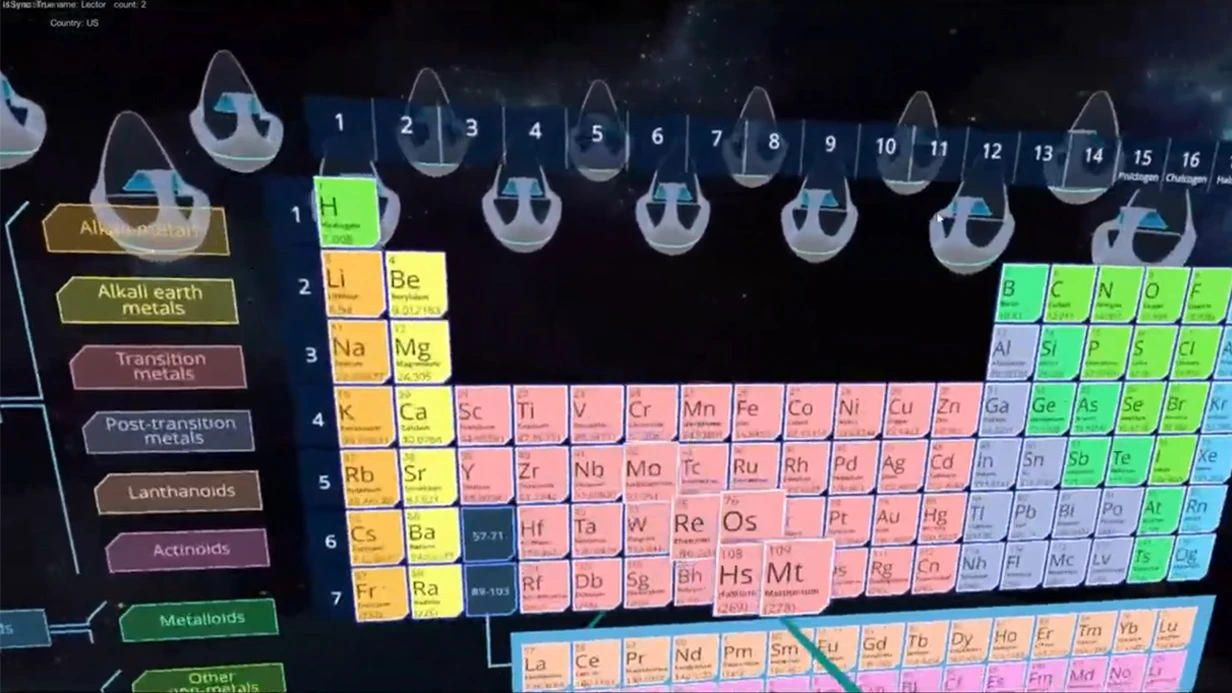
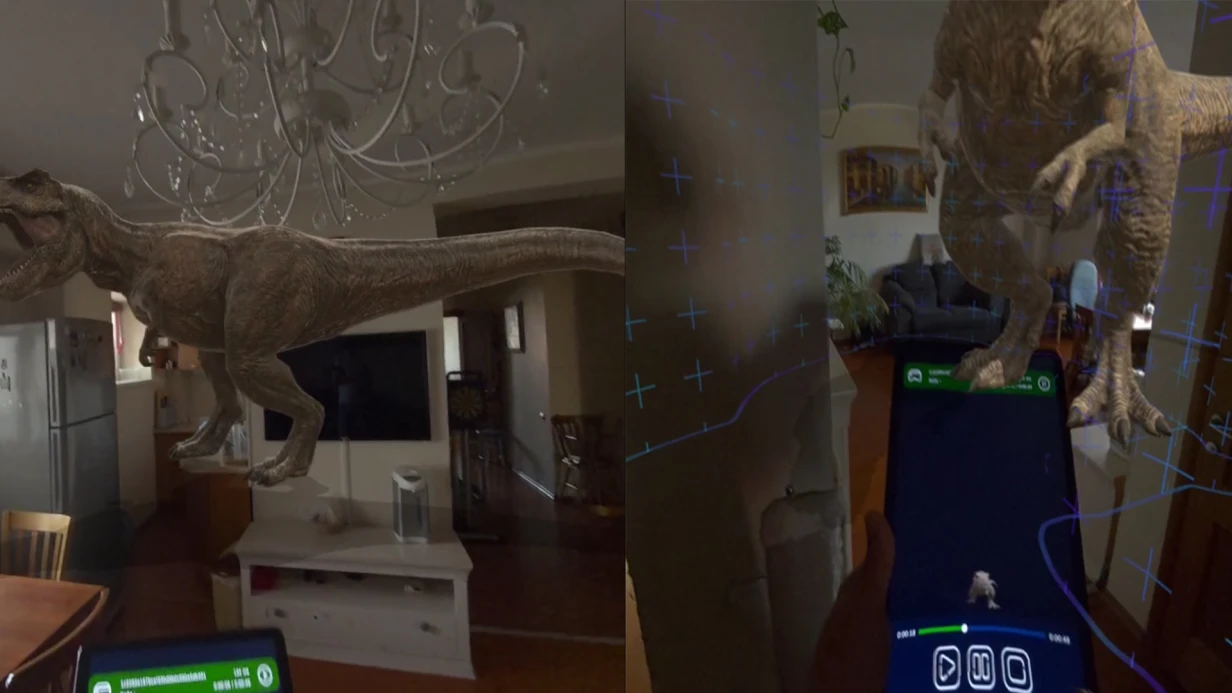
WebAR for museums solves this problem: guests simply point their camera at an exhibit or poster, and a historical scene unfolds before their eyes. No additional apps or complicated instructions — everything happens in an ordinary browser.
The guest becomes not a spectator but a participant: they start a dialogue with a character from the era, view the key story in 3D, take a souvenir photo, and immediately share it on social media.
We address this need: in a project for Historical Park, we turned a key battle into WebAR format.
Time spent by guests at the exhibit tripled, and the share of repeat family visits increased by a quarter — because an event is remembered through emotion, not through text under glass.
For the client, this means greater engagement and reach without major investments in physical mockups.
What you get from digital reconstruction
Digital reconstruction of a historical event turns an ordinary exhibition into a space where guests do not just watch but participate.
Through their smartphone camera, they see characters and scenes from the past come to life — this creates emotions that a stand or poster cannot provide. Such interactive exhibit features serve the main goal: they attract attention and hold it longer than any other format.
What you get from adding WebAR to your exhibition:
- Greater reach. Every guest films with their phone and shares on social media — your story spreads for free and travels far beyond the venue.
- Emotion and engagement. People remember experiences, not facts. A historical scene unfolding right before their eyes creates a wow effect and makes them want to return.
- Brand recognition. Association with a bright, modern, and tech-forward event strengthens your image in the eyes of visitors and partners.
- Leads and contacts. The interactive experience can be designed so that users leave a request or subscribe to news at the end — you get a base of interested guests.
We have been developing augmented reality projects for museums, exhibitions, and corporate events for more than ten years. We use professional equipment and proven tools, so results are stable at any venue.
You do not need to understand technical details — we handle the entire process: from script to launch and support.
See for yourself: ask us for a demo version for your event. See how easily guests join the experience and how quickly reach grows. Leave a request — within a day we will send you the cost calculated after audit and examples of similar projects.
Demonstration formats for your task
Every historical event is told differently: sometimes the atmosphere of the place matters most, sometimes the details of an exhibit, and sometimes the effect of immersion without additional devices.
The WebAR demonstration format determines how visitors will see the past: through a smartphone screen, through an animated poster, or through a link to a specific point on a map.
Choosing a format is not a technical question but a decision about how you want to interact with your audience. Below is a comparison of the three main options so you can choose the one that fits your event scenario.
| Format | When to use | What it gives visitors and the brand |
|---|---|---|
| Webcam | Indoor events: exhibitions, festivals, open days. The visitor points the camera at a space or object — and sees a historical reconstruction overlaid on it. | Maximum engagement with zero preparation: no downloads needed, just opening a link. Guests take photos and videos that immediately spread across social media. |
| Markers | Posters, stands, banners, postcards, tickets. The visitor points the camera at a printed image — it “comes to life” and shows a video, 3D scene, or animation. | Ideal for distribution: marker print runs can be spread across the city or handed out before the event. Each marker is an independent channel for attracting attention. |
| Geolocation | City quests, guided tours, historical routes. The AR scene appears when a person is at the right location and is tied to real buildings and landscapes. | Turns a walk into an exploration, increases time spent on the route, and gives a feeling of “living history” right where it happened. |
Whichever format you choose, visitors only need a smartphone — no apps or registrations.
We will help you choose an option for your venue, budget, and reach expectations, and if needed, we will combine formats: markers for announcements, webcam for the main event, geolocation for post-event activity.
Describe your event scenario — and we will suggest a format that delivers maximum impressions and practical results.
How the work on your project goes
We do not start work without a clear plan: first we define goals, then we agree on every detail. Thanks to this, you always understand at what stage the project is and what result you will get.
Below is the process we follow to ensure the historical event demonstration is ready exactly by the required date and runs without failures.
-
Brief and topic immersion. We study the event itself, the audience, and the venue where WebAR will be used. We clarify what emotions you want visitors to feel and what you consider a successful result. You get documented goals and an understanding of how we will achieve them.
-
Plan and work estimate. We prepare a step-by-step plan: what we create, what deadlines apply, and who is responsible for each stage. Here you see the full project picture and can adjust priorities without wasting time or budget.
-
Concept approval. We show a preliminary script and visual style: what the demonstration will look like, what the user will see, and which elements draw people into the story. You approve the concept before production begins, so there are no unexpected reworks at the finish line.
-
Development and assembly. We create 3D objects, animations, and interactive scenarios, and right from the start make sure everything works stably on mobile devices. At this stage, you receive interim versions, see progress, and can submit feedback in time.
-
Testing and launch. We test the scenario on different devices so that every visitor can understand how to open and use the demonstration without instructions. We launch the solution at your venue, train staff if needed, and prepare a reference guide.
-
Post-launch support. We stay in touch: we make edits promptly, help update content, and ensure the solution works reliably during event days. You get not a one-time service but a working tool that will last more than one season.
What is included in the delivery package
You get not an “archive with files” but a complete, scalable product that your team can work with now and in the future. We hand over the result so that launching the demonstration does not depend on us: clear instructions, staff training, and support at all stages.
The delivery package includes:
- Source project materials: 3D models, animations, textures, and scenes — a complete set that stays with you and can be used for changes or new versions.
- A ready-made WebAR module for the historical event demonstration: it runs on your website or social media, and visitors open the scene via a link or QR code without installing apps.
- Launch and setup instructions: a step-by-step description of how to place the module on your resource, verify it works, and update content.
- Team training: we conduct a short session after which your staff can independently change texts, images, and scenes and add new historical fragments.
- Technical support for the entire agreed period: we respond quickly to questions, help with updates, and resolve any technical issues.
- Project documentation: file structure, feature descriptions, device compatibility recommendations — everything needed to transfer the project to another contractor without loss.
This is what the result looks like: you get a tool that immediately attracts visitors and creates a sense of immersion in history, not just a collection of technical artifacts.
The cost includes everything listed above — no hidden fees for transferring source files or providing support.
Real case: interactive reconstruction for a museum
For a history museum, we developed an interactive reconstruction of a landmark event.
Through browser-based augmented reality (WebAR), visitors “brought to life” a scene right on their smartphone or tablet: they pointed the camera at a marker near an exhibit — and an episode unfolded around them where they could examine details, hear the voices of participants, and even choose a storyline branch.
The challenge was not technical complexity but making history feel alive for different generations. We built a 3–4 minute scenario — this fits the pace of a tour and does not overload the guest.
The interface was adapted for any device and age, so both schoolchildren and older visitors use the reconstruction without staff guidance.
Project results
In the first month of the interactive zone's operation, attendance at the specialized exhibition grew by a third.
Time spent at the exhibit increased from 20 to 35 minutes — guests began exploring additional materials, asking the guide questions, and sharing impressions on social media.
After two months, 40% of guests returned for a repeat visit — to show the reconstruction to relatives or see the updated scenario.
Visitor feedback confirmed the result: more than half noted the “sense of presence,” and one in four called the reconstruction the main reason they would recommend the museum to friends.
The administration received clear statistics for each scenario and can change them without bringing in a contractor.
Museum of City History — our first partner in the cultural sector. After the launch, the museum ordered two more reconstructions for a branch and included WebAR in its permanent tour program.
For us, the most important thing is that the project did not turn out to be a one-off attraction but became part of everyday museum life and delivers value every day.
How to choose a format for your project?
Choosing a format for a historical demonstration is always a trade-off between the task, the audience, and the budget.
There is no universal answer: what works perfectly for an immersive museum may be excessive for a street festival, and a simple video wall will not provide the needed depth of engagement.
So first you need to decide which matters more — mass reach and easy access or maximum immersion for a small group.
The key criterion is how visitors will interact with the story. If your guests have smartphones (and almost all of them do), the best solution is the web-based augmented reality format.
It requires no app installation, works through the phone camera, and starts from a QR code in seconds.
For historical events, this means you can “bring to life” old photographs, reconstructed buildings, or battle scenes right on the spot, without handing out headsets or limiting session time. People walk up, point their camera — and see the past overlaid on the present. This experience is easy to share, so reach grows through reposts and photos.
When should you consider more complex formats like virtual reality? When you need full immersion, where a person is transported to another era and stays there for 5–10 minutes, cut off from the real world. But this requires special equipment, a dedicated area, and staff training.
For mass events, this format only covers a tenth of the visitor flow, while mobile augmented reality handles all visitors simultaneously and costs noticeably less for the same “wow” effect.
In practice, we recommend first defining your goals clearly: what visitors should feel and remember after the demonstration, how many people will come through per day, whether the event will be indoors or outdoors, and what budget is allocated for development and operation.
Based on this data, we select a format that delivers the maximum result for your specific story — not just a pretty picture.
We have already delivered projects where a lightweight web format required no app installation and attracted a queue around the location without staff involvement — guests launched scenarios themselves and engaged each other.
If you are unsure which option is right for you, start with a free consultation. Describe the task, number of visitors, venue, and desired budget, and we will suggest 2–3 formats with projections for reach, engagement, and implementation cost.
This way you make a decision based on numbers, not guesses. Just write to us — we will find the right solution for your story.
Frequently asked questions about WebAR development
Before launching a WebAR project, clients usually have similar questions: will we make the deadline, will it work for guests, how will we understand the result. We answer the main concerns so your decision is well considered.
How long does development take?
A standard project takes 2–4 weeks. On the first call, we finalize the scenario and timeline, then show an interim result — you see the project before the official launch and make changes without missing the date.
Do visitors need to install an app?
No. A person simply opens a link from their phone or scans a QR code — and they are immediately in augmented reality. The fewer steps before the experience, the more participants will see it through to the end.
What if guests have older phones?
We adapt the scene so that it works correctly on most modern smartphones. If a device does not support the graphics, we provide a simplified version, so the visitor still gets a result.
How do we know the project has paid off?
We prepare statistics: number of launches, average interaction time, guest geography. The scenario can be linked to registration or a unique promo code — then you see the direct contribution to leads and sales.
Contact us for a consultation
Send us a request — and we will take care of everything: from idea to launch of your VR/AR historical event demonstration. You get not just technology but a complete solution that engages visitors and strengthens the impression of your project.
After your inquiry, we quickly dig into your task and come back with a concrete plan. Here is what happens next:
- Initial conversation: you describe the event, audience, and goals — we suggest a suitable demonstration format.
- Concept estimate: we show what the scene will look like, what emotions the guest will feel, and how it supports brand recognition.
- We fix the timeline and budget: you know the cost and launch date in advance, with no hidden fees.
- Production and testing: we create the content, configure the equipment, and test everything in real scenarios.
- Launch and support: we help during the event, and afterward we show engagement statistics.
Tell us about your idea — we will advise which format suits you best: mobile WebAR, a stationary VR zone, or an interactive installation. Contact details are in the site header, and there is also a feedback form on this page. Leave a request, and we will get back to you within one business day.