

Why a Regular Museum Tour Loses Visitors
Quiet halls, a monotonous tour guide voice, and "do not touch" signs — this is what a classic tour looks like, and both adults and children are tired of it.
A visitor comes for an emotional experience but gets a lecture: within 20 minutes, attention fades, and by the end of the route, the group is only thinking about the cafe.
The museum ends up being perceived as a place for school activities rather than a space people want to return to.
This directly hits museum attendance. In an age when entertainment is available on any smartphone, the outdated format can no longer compete for people's free time.
Guests do not come back, do not recommend the museum to friends, and young people choose interactive venues and show projects. Every lost visitor means not just an unsold ticket, but dozens of missed recommendations that could have brought in new guests.
Expectations are changing too: today, people do not want to listen — they want to participate. They want to discover exhibits on their own, see history come alive, and take a personal impression home with them.
It is interactive tours that restore the museum's role as a vivid event that people deliberately plan their weekends around and return to again.
We help museums solve this problem: we design modern formats that turn viewing exhibits into a living experience and directly work to attract visitors and grow attendance. Below, we will explain how this works in practice.
What Benefits Interactivity Brings to an Exhibition Space
Today's museum visitor is not ready to simply look at display cases — they want to interact with exhibits, get drawn into the story, and feel a personal discovery.
A standard audio guide through headphones quickly becomes boring, and a group tour does not create a sense of immersion.
That is why museums are increasingly using interactive guides on smartphones: this format turns a visit into a fascinating journey and simultaneously solves the venue's goals.
The first benefit is holding attention and increasing time spent at the museum. Immersive technologies with augmented reality, quizzes, and digital content keep guests at each exhibit noticeably longer than a static label does.
The visitor is not just reading text — they are completing tasks, unlocking hidden layers of history, and getting instant feedback on their actions. As a result, the tour is remembered, and the museum itself becomes an event worth telling others about.
The second benefit is the social media effect. When a guest can "bring a painting to life," try on a historical costume, or see what a hall looked like before restoration, they will invariably film it and share it with their followers.
Each such post is free advertising for the venue and new reach among potential visitors. The brand gains not just mentions, but lasting recognition and a natural influx of new audiences.
The third benefit is working with the audience after the visit. An interactive guide collects guests' contact details and shows which exhibits generate the most interest.
You can include a subscription form for upcoming exhibitions or obtain consent for a newsletter — this way, the museum builds a database for repeat invitations. Analyzing routes and time spent at exhibits helps improve the exhibition and promote the most in-demand areas.
An interactive guide is not entertainment for its own sake — it is a tool that turns guests' attention into measurable results: reach, inquiries, and return visits.
It amplifies the museum experience while remaining the venue's own digital channel that works to support its growth. This is the format chosen by museums that care not just about attendance, but about sustained interest in culture and heritage.
AR, VR, and WebAR Formats for a Digital Guide
The choice of digital guide format determines how visitors will see the exhibition and what value it will bring to the museum. Each option solves its own task: attracting a younger audience, adding depth to a classic tour, or removing barriers for remote guests. Below are the three main formats we use in projects for museums.
| Format | Who It Suits | What It Delivers for the Business |
|---|---|---|
| WebAR for museums | Museums that want fast launches and zero barriers for guests | Visitors point their smartphone at an exhibit — no app installation needed. Engagement and time spent at the exhibition increase |
| AR app | Museums with a permanent exhibition and a loyalty program | A dedicated communication channel: guests return for new scenarios, and the museum collects data on preferences |
| VR tour | Museums that want to sell tours beyond their own venue | Full immersion for remote visitors and school groups. A new revenue stream without expanding the halls |
As you can see, the formats do not compete — they complement each other. For example, WebAR works well for a one-off campaign, while a VR tour launches a separate sales direction. We help you choose the right combination for your goals and budget.
Our team has implemented dozens of digital guides for museums and exhibition spaces over 10+ years. Our priority is that a project is not merely visually impressive, but delivers measurable results: increased visitor flow, repeat visits, and social media mentions.
How Virtual Tour Development Works in 6 Steps
Developing a virtual tour for a museum is not an abstract process of "someone somewhere is coding" — it is a clear sequence of steps, and you see the result at each one.
Our team structures the work so that you control the project at every stage rather than getting a "surprise" at the end.
-
Brief and immersion into the task. We meet with you and listen to which exhibits to feature and what format you need — for smartphones, tablets, or headsets.
We pin down the goals: attracting young people, reducing queues, or making the tour accessible to visitors with disabilities. After the brief, you receive a cost estimate and timelines.
-
Tour concept and script. Together with you, we define the route: how many points of interest, what content to show — 3D models, photos, video, or animation. We propose ways to engage the visitor: quizzes, artifact hunts, historical reconstructions. You approve the script before development begins.
-
Design prototype. We show what the tour screen will look like: buttons, navigation, hints. This is not programming but a "moving picture" that is easy to evaluate and adjust on paper. You see the interface through the visitor's eyes before a single line of code is written.
-
Creating 3D models and content. Our specialists digitize exhibits, producing detailed copies and animated scenes. If you already have 3D models — great, we adapt them to the tour scenario. This stage directly determines the "wow effect" for guests.
-
Development and testing. We build a working prototype and test it across different devices: smartphones, tablets, headsets. We fix freezes and fine-tune loading speed — so a tourist does not wait but immediately dives into the story. You receive a test version for your team.
-
Launch and support. After your approval, we deploy the tour — in an app, on a website, or via a QR code in the hall. We train your staff and provide instructions. And we stay in touch: updating content, changing exhibitions, and adding new exhibits as the museum grows.
This approach is already used in museums and cultural spaces: no panic, no misunderstandings — just clear checkpoints and a final product that visitors share across their social networks.
What Is Included in the Project Delivery for Your Space
When you order a WebAR tour, you get more than just a link to an app. We hand over a ready-made tool that works for visitors and addresses the museum's goals: holding attention, telling the stories of exhibits, and creating a reason for repeat visits.
The delivery package includes:
- WebAR app for the tour — visitors point their smartphone camera at an exhibit and see 3D models, animation, and supplementary materials. Everything works in the browser, with no installation required.
- Content management system — you can change descriptions, add new exhibits, and upload photos and videos on your own, without involving developers.
- Staff training — we conduct a session for your employees: how to launch the tour, help a visitor, and update information. We train until they are confident.
- Instructions and guidelines — cheat sheets for staff, instructions for visitors, and a plan of action for unexpected situations.
- Technical support — we answer questions, resolve issues, and monitor stable performance. A dedicated manager is assigned to you.
- Content updates — we help refresh seasonal and temporary exhibitions. This is an opportunity to attract repeat guests.
- Analytics — see which exhibits draw the most attention, how much time visitors spend, and which scenes are the most popular.
In the end, you get a fully working turnkey project: staff trained, content updatable, and support on call. The tour becomes a modern interactive format that makes people choose the museum again.
Case Study: How an Exhibition Came Alive After AR Implementation
A static exhibition is the main pain point of any museum. Visitors walk past display cases in 15 minutes, without remembering a single fact, and never come back. When an exhibit cannot be touched, only visual contact remains — and that does not create engagement.
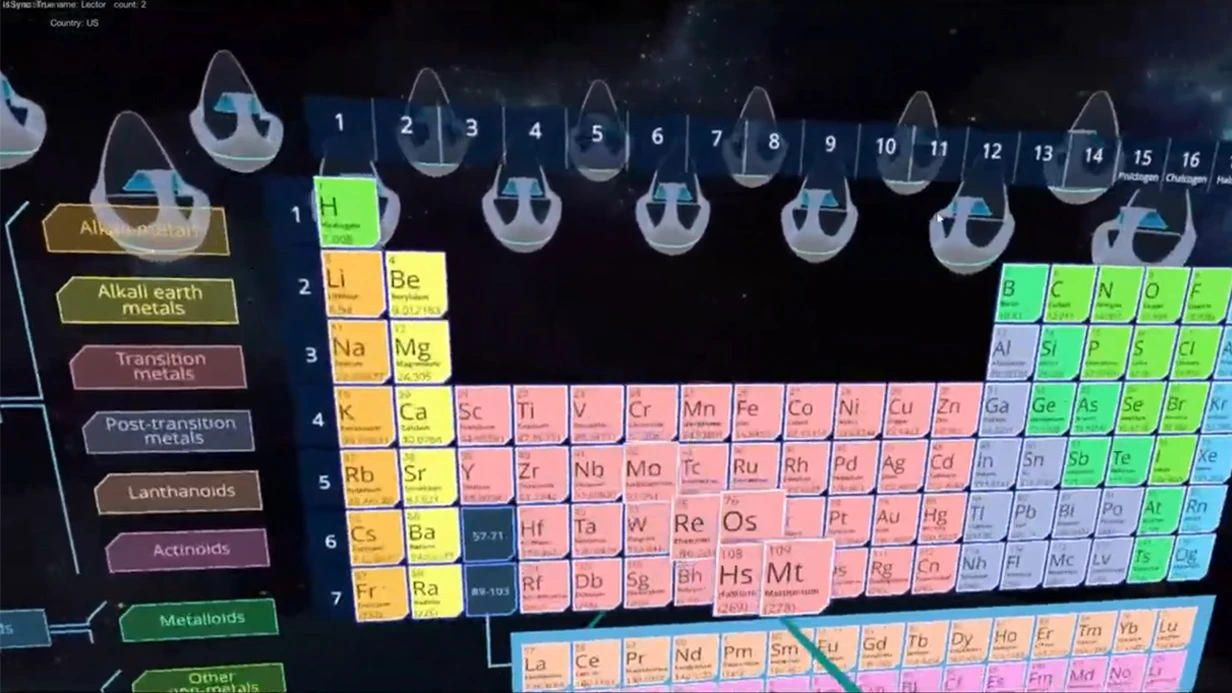
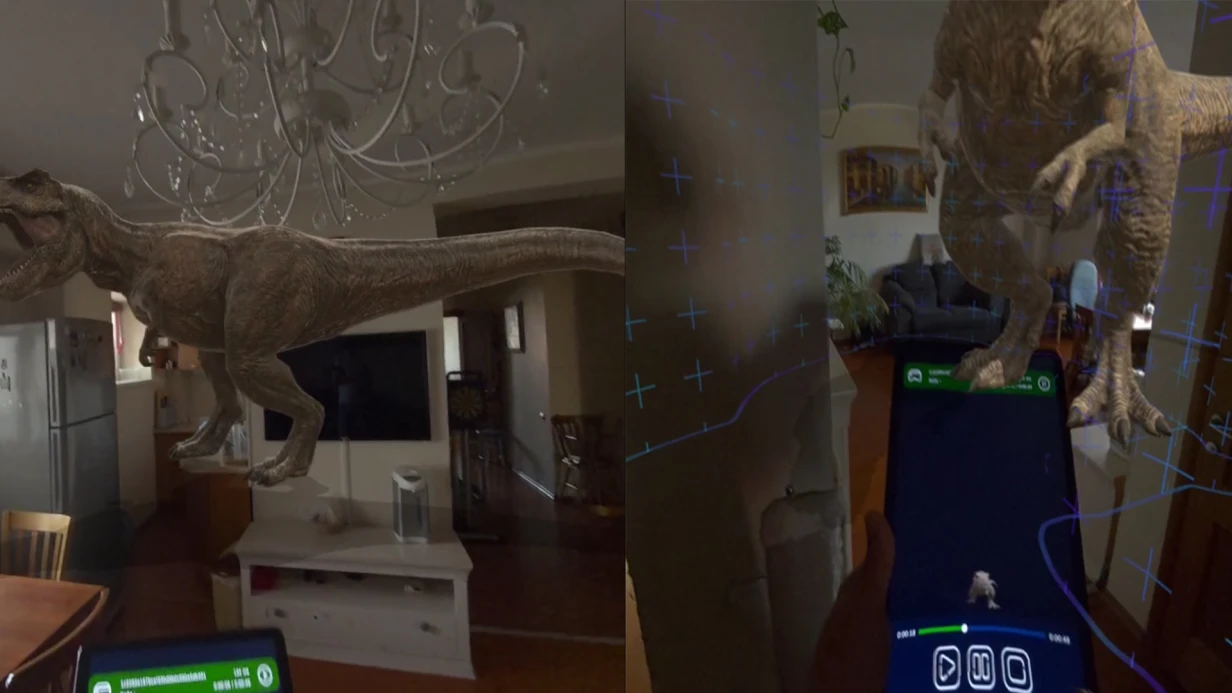
We proposed an AR guide based on WebAR to the museum: visitors point their smartphone camera at an exhibit, and it comes alive. Behind the glass, 3D reconstructions, historical scenes, and hints appear — with no app installation and no extra equipment.
This approach turns an ordinary tour into an interactive journey, and the museum becomes a place people want to return to. One of our projects — the Historical Museum of the Urban Environment — achieved measurable results after launching the AR guide.
The first thing the staff noticed was a 35% increase in attendance in the first three months. The average time spent grew from one and a half hours to three: guests began lingering at each display instead of rushing past.
Repeat visits also appeared: 28% of visitors came back with friends and family to show off the "living" exhibits. The share of group bookings nearly doubled — the tour became a recommended format for companies and school classes.
A separate effect was organic social media reach. Guests record short videos with AR effects and share them, giving the museum free advertising.
Over the first six months, the number of museum mentions on social media tripled, and website bookings grew by 40% without any additional advertising budget.
This case shows that AR is not a decoration but a working tool that increases a museum's key metrics. If your exhibition needs a new lease of life, we are ready to build the same kind of project for you.
Common Concerns When Ordering an AR Solution
Clients rarely order AR solutions without doubts. Most often, they worry about complexity for guests, an unpredictable budget, and compatibility with phones. Let us address these concerns — based on our experience with museum projects, they are resolved at the discussion stage.
Will visitors understand how to use AR?
The interaction is intuitive: point the camera at an object — and an extra layer of information or animation appears on screen. Guests do not need to install or configure anything. We design the scenario so that a person starts using the feature within the first 15 seconds.
Is AR development expensive and unpredictable?
The cost is calculated after an audit of the content volume and scenario complexity. For a museum, a web-based solution that launches via a link is often enough — no separate app needed.
We have ready-made modules and assets, so the budget is fixed in advance and does not change during the process.
Will AR work on different devices?
We target modern smartphones, which most visitors already own. The interface adapts to the screen size and camera. Before launch, we test the solution on several popular models so that every guest gets a stable experience.
If you recognized your question — that is normal. Below, we answer these and other details and show how we mitigate risks at every stage of your project.Order Development of an Interactive Guide for Your Space
Submit a request for an interactive guide — and get an expert consultation the same day. We will discuss how an AR tour of a museum, gallery, or urban space will increase visitor engagement and why it is more convenient than a standard audio guide. No technical burden: we talk about guests, scenarios, and your benefits.
Immediately after placing the order, you receive a complete package for decision-making — without long calls and waiting:
- Expert consultation: we will advise which format — VR, AR, or mixed — suits your specific space and how it fits into the current route.
- The option to receive a commercial proposal with a clear scope of work, timelines, and stages — within one business day, so you can compare terms.
- A tour script: key route points, texts, and the logic of presenting information for school groups, tourists, and individual visitors.
- Examples of completed projects for similar tasks — we will show how an interactive guide works in a real museum, what guests like, and what challenges have already been solved.
- A launch plan with dates: when the first version will appear, how testing will go, and who trains your staff to work with the system.
- Support throughout the entire journey: from approval to launch and subsequent route adjustments based on the first weeks of operation.
After that, all that remains is for you to approve the direction and receive a ready-made turnkey solution — with content, interface, and visitor access.
Send your request for development: an expert will call you back within one business day, answer your questions, and prepare a personalized proposal for your task.
What Museum Tour Format Should You Choose for Your Goals?
The format of a museum tour should be chosen not by trendy technology but by your goals: who you want to attract, what should be remembered, and how visitors will interact with the exhibition.
For large groups and classic routes, an audio guide is enough — but it does not create that sense of "wonder." If the goal is to surprise and engage, you need a format that brings exhibits to life and lets visitors view them from unexpected angles.
The key question here is how to choose a format that delivers reach without alienating audiences through a complicated interface. A mobile app offers maximum interactivity but forces visitors to spend time installing it.
A web-based augmented reality version (WebAR) works immediately: just point the camera at an object or open a link from a QR code. This is convenient for temporary exhibitions and private collections — guests do not need to install anything.
We select the technology for a museum tour together with you after a short analysis: the exhibition, visitor flow, and desired outcome — recognition, time spent, educational effect. Based on that, we propose a WebAR scenario, an AR app, or a mixed format. You do not need to dive into technical details — you get a ready-made solution for your visitors.
The main criterion is that a visitor leaves your tour, tells others about it, and wants to come back. If the format achieves that goal, it is the right one. We handle the rest: prototype, testing with real visitors, script refinement, and launch.