

Why Employee Training Doesn't Pay Off and What to Do About It
You invest in training, but there's no result: an employee completes a course, returns to work, and does everything the old way.
The theory is forgotten within a few days, errors appear on real tasks, clients see unprofessionalism, and you again spend time and money on retraining.
Low program returns directly hit the business: work speed drops, the number of defects and conflicts grows, and the most promising people leave because they don't see growth. Staff turnover becomes a vicious cycle — the worse the training, the more often you have to rehire.
At the same time, classic formats — lectures, briefings, PDF cheat sheets — have stopped working: employees' attention wanders, and supervised practice with a mentor costs too much.
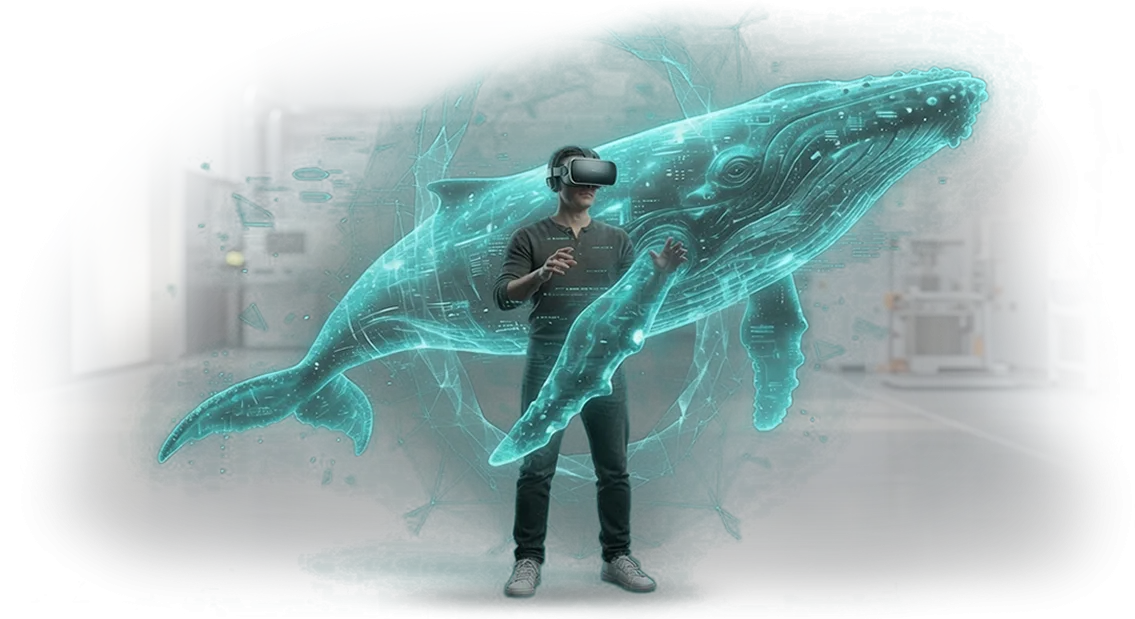
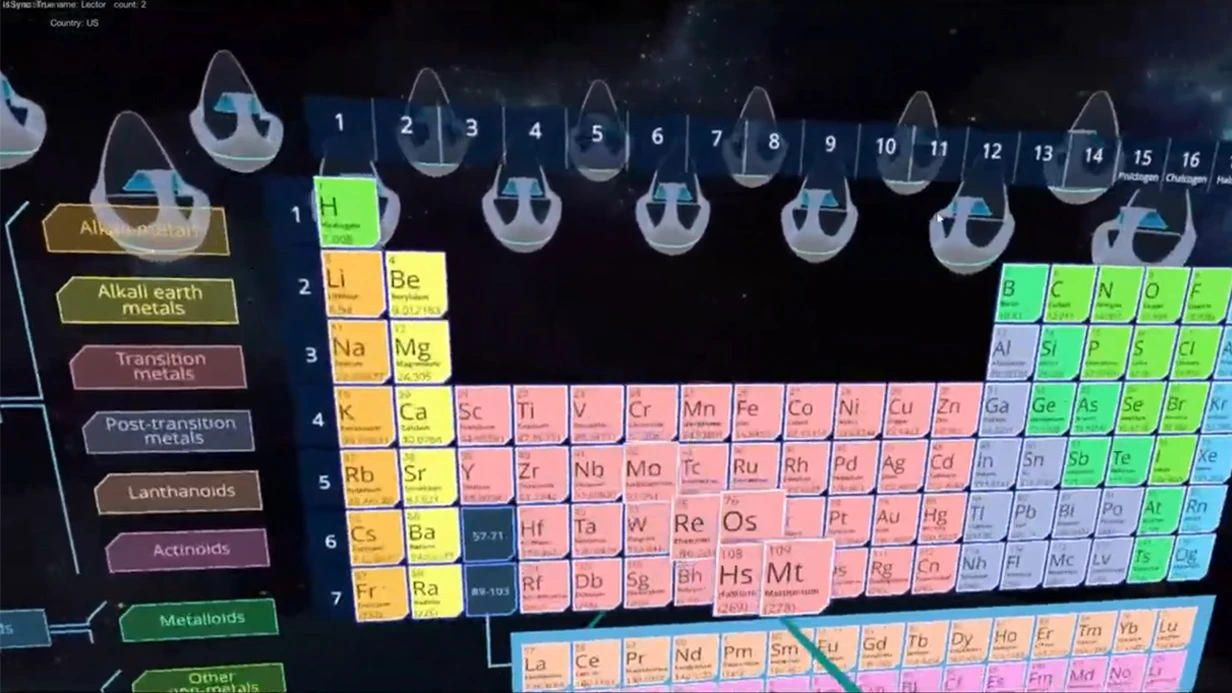
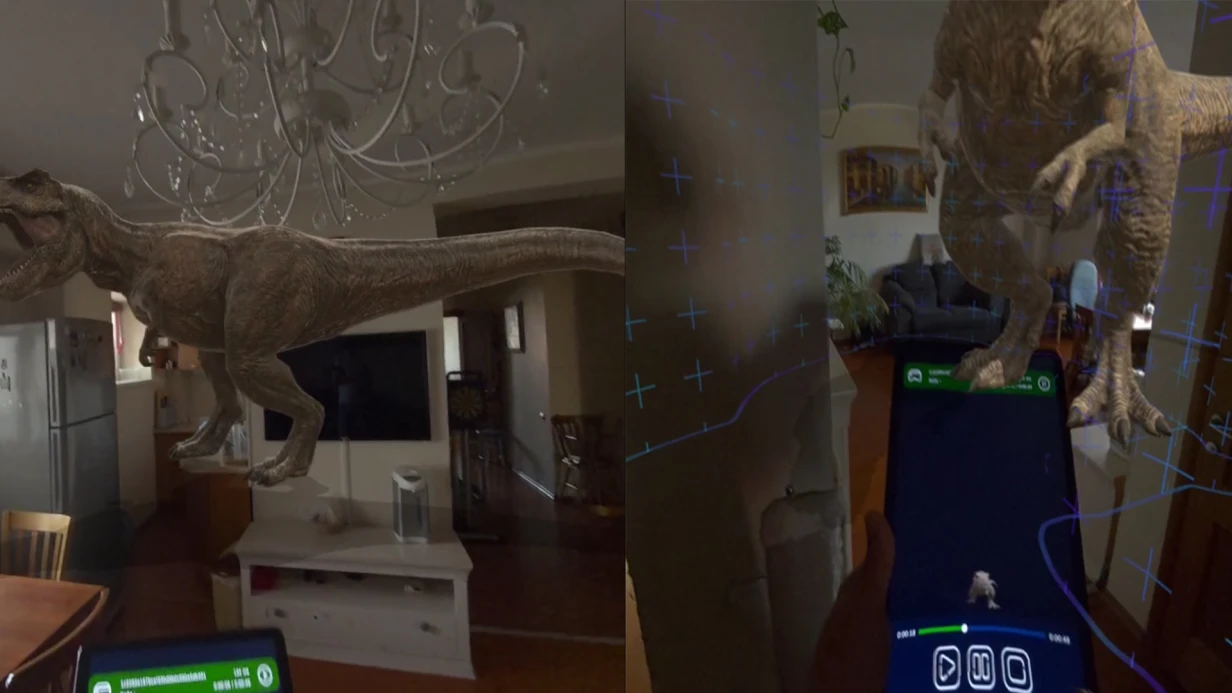
We solve this problem with augmented reality: training becomes short, visual, and close to real work situations. The employee trains right at the workplace, at their own pace, and you get a predictable result and measurable effectiveness.
What You'll Get from Implementing VR/AR in Training
Traditional training often comes down to lectures and presentations — employees passively listen and quickly lose focus.
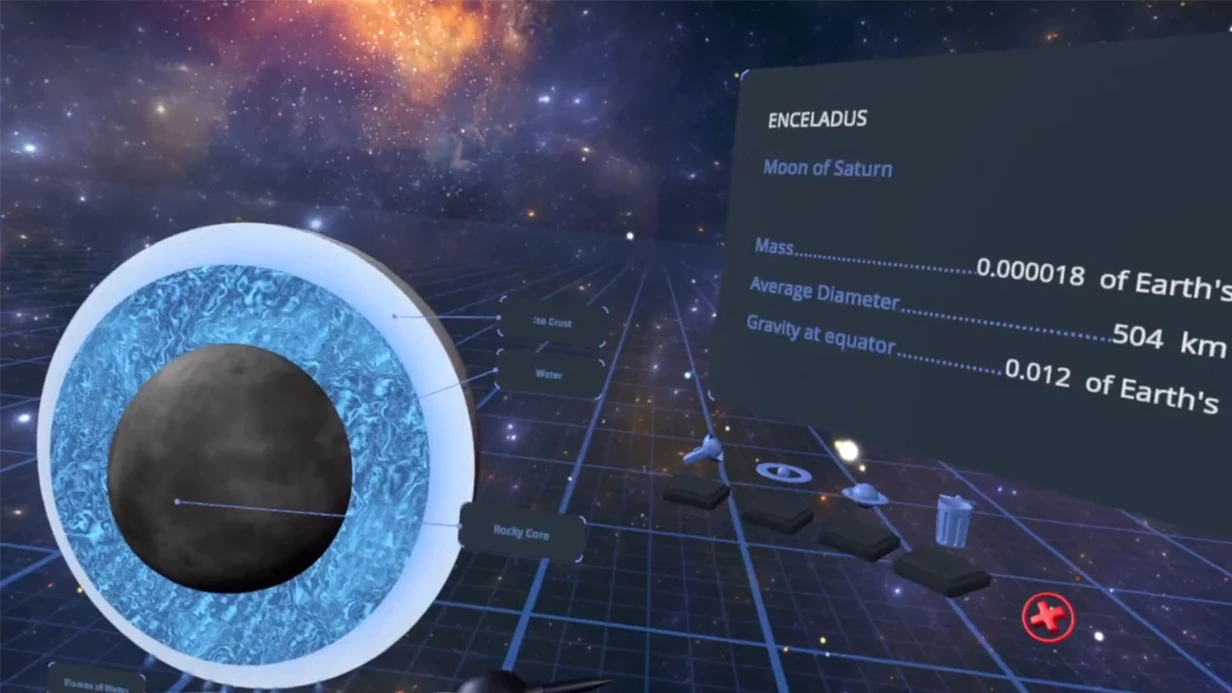
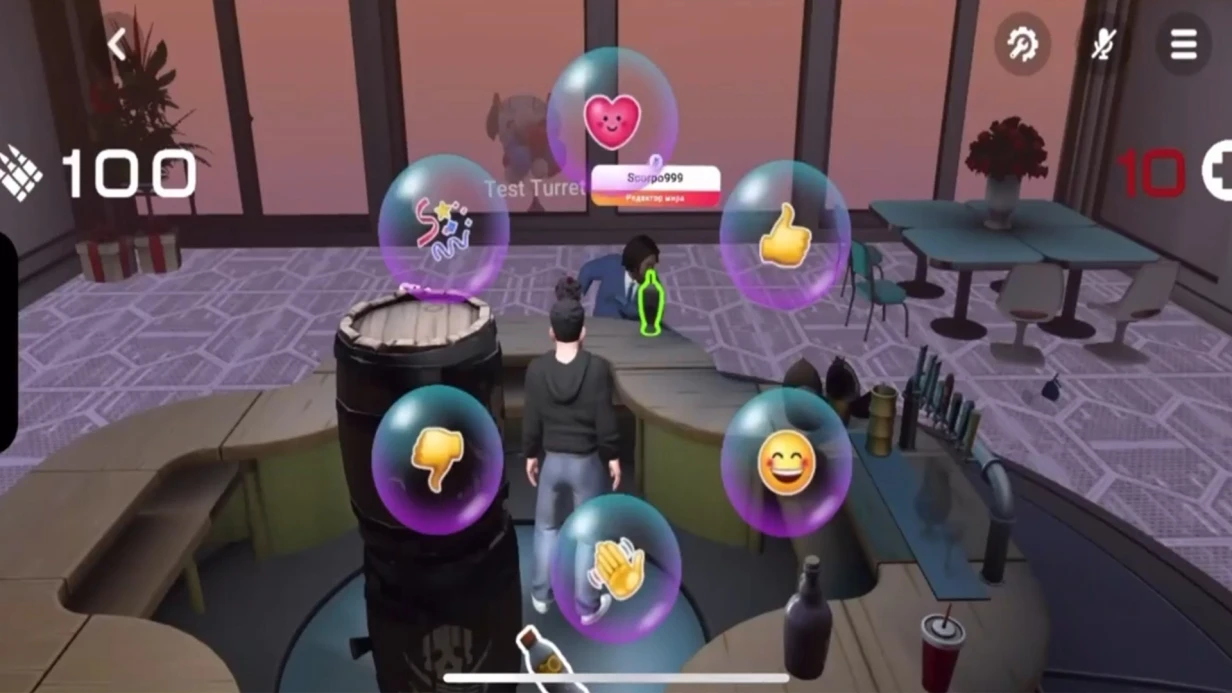
VR and AR turn the process into a live experience: the worker is immersed in an environment where they need to make decisions, interact with objects, and see the consequences of mistakes.
Employee Engagement
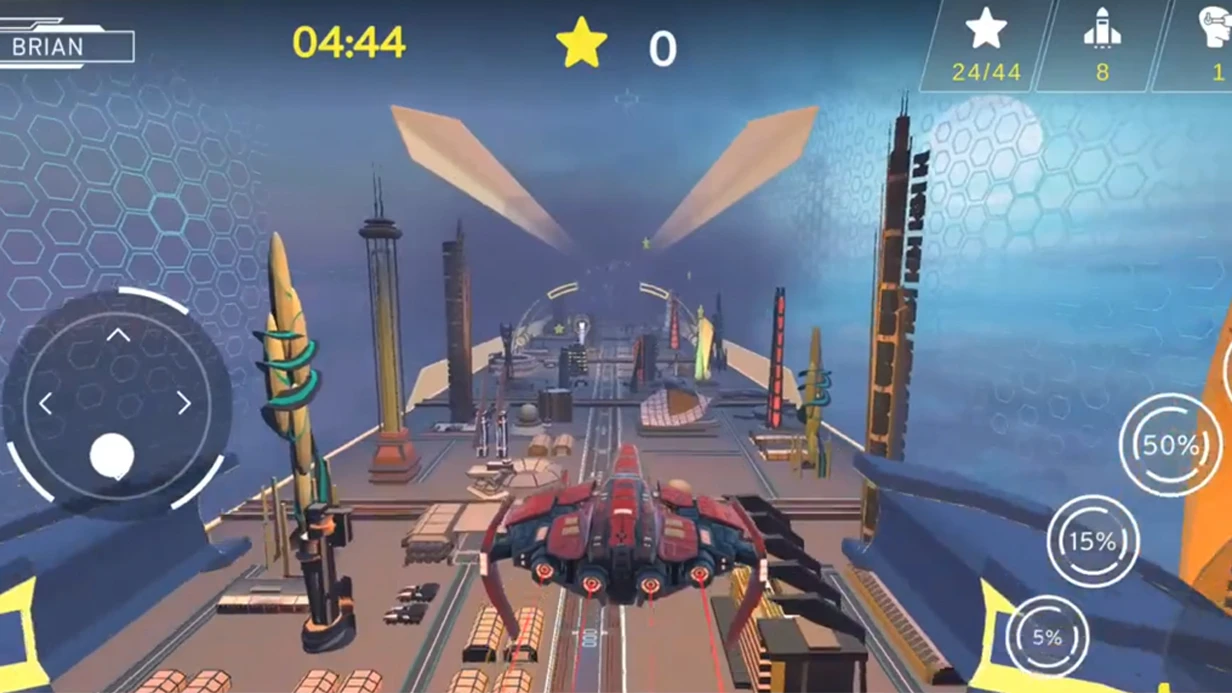
In a virtual environment, the employee becomes an active participant, not an observer. Realistic situations and game elements hold attention, and the competitive element boosts motivation. As a result, training happens without coercion — people genuinely want to understand the material.
Material Retention
When a person works with their hands and gets instant feedback, knowledge sticks for a long time. According to our data, material retention with a VR approach grows several-fold compared to ordinary formats. This reduces the need for repeat courses and speeds up the employee's path to the required level.
Improved Training Outcomes
Employees practice skills in a safe but highly realistic environment. You can simulate rare accidents, complex negotiations, or work with dangerous equipment.
Each participant's results are recorded — you can see who is ready for independent work and who needs additional practice.
Resource Savings
Virtual training costs less than traditional training: no venue rental, consumables, or business trips are needed. The course takes place right at the workplace, which reduces lost work time.
A scenario created once is used repeatedly — for dozens and hundreds of employees with no additional costs.
Investments in VR/AR pay off through growing competencies, fewer errors, and faster adaptation of newcomers. The company gets better-prepared staff, which means higher profits and lower costs. We'll help you implement such training tailored to your business objectives.
VR/AR Formats for Different Business Tasks
There is no one-size-fits-all format — each task has its own tool. Some need to quickly train employees without taking them off the job, others need to showcase a product at an exhibition, and still others need to simplify instructions for a client. Below, we've broken down the main formats by typical business situations.
| Format | For Whom | What It Gives the Client |
|---|---|---|
| WebAR training | Companies with field employees, sales representatives, remote teams | Training launches via a link from a phone without installing apps — staff joins a lesson in a couple of minutes instead of wasting time on setup. Suitable for regular professional development. |
| VR simulators | Manufacturing and service enterprises, training centers | Safe practice of complex or dangerous operations before real work — fewer errors, defects, and injuries. Skill practice happens several times faster than with traditional instruction. |
| AR instructions | Organizations with frequent equipment maintenance, retail, logistics | Step-by-step guidance right on the device — a new employee copes without days of mentoring, and breakdowns are fixed without downtime. Visual guidance reduces the load on tech support. |
At the same time, all development is done on professional equipment and targeted at a specific business result: staff coverage, training speed, cost reduction. We'll choose a format for your task and jointly define the expected impact before the project starts.
How a VR/AR Application Development Project Works
We've structured the development process so you always know what stage the project is at, what you'll receive as output, and when to expect results. Each step is backed by specific documents and checkpoints — you manage the process rather than observing from the sidelines.
Here is the standard project cycle for a VR/AR training solution:
-
Brief and task immersion. We gather requirements: who you're training, what skills need to be practiced, and under what conditions the application will be used.
We define goals and success metrics — for example, reducing staff preparation time or increasing the number of successfully passed tests.
-
Work plan and cost estimate. We define the application scope, timelines, and control points. You get a clear plan with stages, deliverables, and a list of what's included in the project — no hidden work or unexpected revisions.
-
Scenario and structure approval. We show how the training will be organized: what exercises, in what order, and how results are evaluated. Major adjustments are made at this stage so development proceeds without rework.
-
Development and intermediate versions. We build the project in iterations — you regularly see working versions of the application, test them on your devices, and leave comments. This lets you control quality and budget at every step.
-
Launch and user onboarding. We help with publishing, setting up access for employees or students, and verify stable operation on real devices. You get a finished solution that can be used in training right away.
-
Support and growth. After launch, we stay in touch: we fix issues, add new exercises, and update content. The project doesn't end with delivery — we make sure the application keeps delivering value.
This process is clear and predictable: you always know what happens when and what you're paying for. The result isn't "just another application" but a working tool that solves the training task from day one.
What's Included in Delivery: Complete Launch Kit
When you order WebAR training development, you get not just an application but a ready-to-use product with all the tools for launch and operation.
We put the kit together so you don't have to look for outside contractors — everything from the technical side to training materials is already included.
- Turnkey WebAR application. Adapted for smartphones and tablets, runs from the browser — employees don't need to install additional programs.
- Admin panel. Lets you update content, change training scenarios, and track progress in real time — without contacting developers.
- Training content tailored to your task. Texts, 3D models, and interactive instructions that turn boring material into clear examples for work.
- Documentation and instructions. Short guides for administrators and users to bring the system into everyday practice faster.
- Staff training. We conduct a demo for employees, answer questions, and help set up usage.
- Maintenance and support. After launch, we stay in touch, keep the solution running, and help with day-to-day tasks.
This kit covers the entire cycle — from the first demo to regular use. You get a predictable result and know that every element works toward achieving your training goals.
Real Case Study: How VR Improved Staff Performance
Implementing VR training often runs into doubts: "expensive, complicated, won't pay off." That's why it's better to talk through an example — how virtual reality accelerated staff adaptation and brought measurable value to the business.
For the First Step retail chain, we developed a VR simulator for handling objections and service standards. Previously, a newcomer went through two weeks of training with a mentor but forgot half the scenarios by the time they hit the sales floor.
After the simulator was implemented, the process changed: the employee puts on a headset and plays through realistic dialogues with a customer, while the system gently points out mistakes.
After six months of measurements, the result was clear: new employee adaptation speed grew by 30%. A newcomer hit the sales floor three days earlier than usual — with the same level of confidence. The number of errors during checkout dropped, and mentors stopped working overtime.
The HR director noted: "We used to spend weeks on onboarding; now an employee feels confident from day one and sells to the standard."
Why It Worked
The secret isn't in the action itself but in constant practice without the fear of making mistakes. Unlike role-playing with a manager, VR lets you play through dozens of scenarios in a single session and immediately see your growth area.
This approach boosts engagement and retention — across our projects, material is absorbed 3-4 times faster than when watching videos or reading instructions.
Today this client uses VR training for all new employees and has come back to us for a second module. In our view, that's the best indicator — when after the first project a business doesn't look for alternatives but scales the solution.
How to Choose the Right Format for Your Task?
The format should be chosen not by trendy buzzwords but by the specific training task.
To do this, it's important to understand three things: who your learners are, what devices they have, and what should change after the session — remembering a sequence, practicing a skill, or passing a test without errors. This determines when a quick AR prompt is enough and when a full VR scenario is needed.
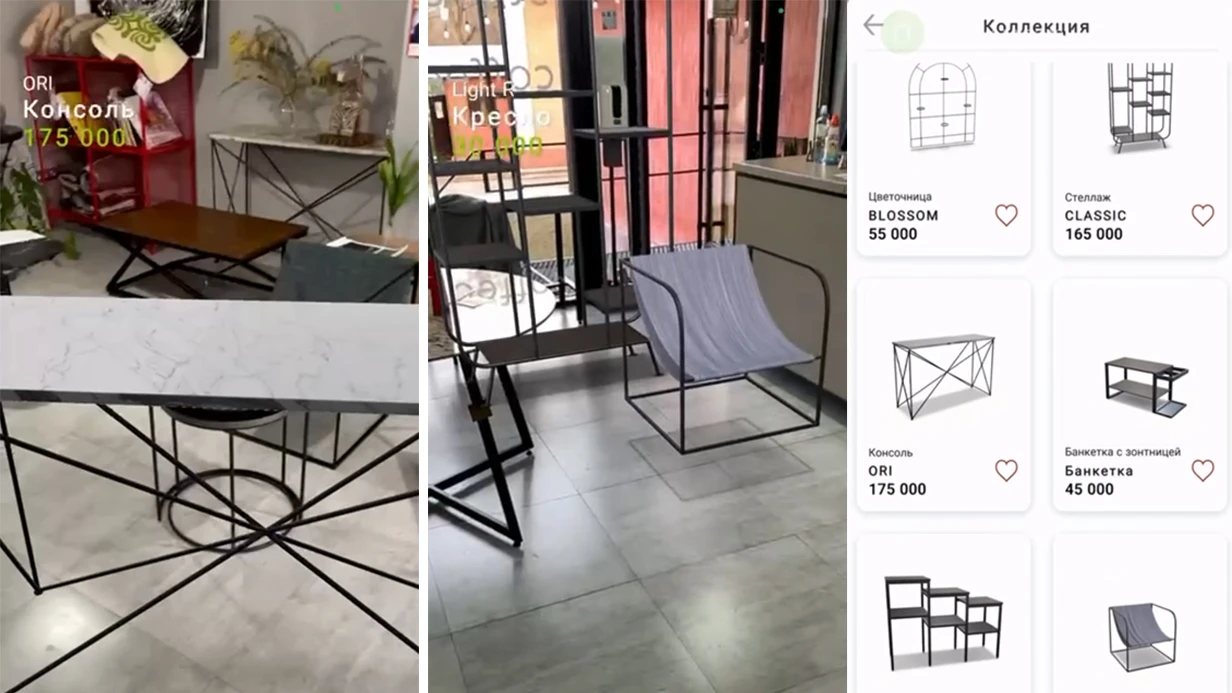
If your audience has regular smartphones and launch speed matters, choose WebAR. An employee points the camera at a machine, model, or instruction and sees step-by-step hints right on top of the object.
This format requires no app installation and works in any space with internet access. This is exactly the case of WebAR with a purpose: training is embedded in the real workflow rather than pulling a person into a separate room.
When the task is more complex — a rare emergency, a dangerous operation, a multi-step process where the cost of a mistake is too high — it's worth considering what VR is needed for full immersion.
In a headset, a person trains in a safe environment but gets a realistic experience: they see the consequences of their actions, repeat the scenario until it becomes automatic, and pass the test without risk.
This is where virtual reality pays off fastest — it reduces preparation time and lowers the number of errors in real practice.
The main rule for choosing a solution is not technology for technology's sake but measurable value. For one project, a simple AR marker that explains equipment to a new employee in ten minutes is enough.
For another, a full simulator with action assessment and a final report is needed. That's why at the brief stage we analyze your situation, calculate cost points, and determine where WebAR will deliver an immediate effect and where training would be incomplete without VR.
As a result, you get a format that solves exactly your task, not just "something modern for the gallery."
Frequently Asked Questions About VR/AR Application Development
Before ordering a VR/AR application, most clients have the same doubts: will the idea be delivered on time, will it be convenient for users, and what happens after launch. We answer common questions — honestly and in the language of business.
How long does VR/AR application development take?
The timeline depends on complexity and format. A prototype of a virtual simulator for employee training takes 2–4 weeks; a full course with several scenarios takes 1–3 months. At the start, we define the stages and timelines in the plan so you can see progress.
What devices is the application compatible with?
We design for the devices your employees already have: smartphones and tablets, as well as PCs and VR headsets if needed. For training, we most often use WebAR — launched via a browser, no app installation required. This lowers costs and the entry barrier.
What if we need to change something after launch?
We hand over the project with clear documentation and stay in touch. During the warranty period, we fix errors for free. Additional work on new tasks is estimated separately — as a rule, it's faster and cheaper than developing from scratch.
How hard is it for employees to get used to the new format?
The interface in our applications is intuitive: the user gets a short hint and immediately moves on to practice. This is especially important for training — there's no need to spend time learning the technology; it simply supports the learning task.
Get a Consultation on a VR/AR Solution for Your Business
Before launching VR/AR training, it's important to understand which format will deliver results for your specific team, not just "look modern." We help you work through the task at the idea stage: we show realistic application scenarios, assess the load on employees, and estimate implementation timelines.
The consultation is free and non-binding — you get a cost calculation and an action plan, not vague promises.
In 15-20 minutes of conversation, you'll understand whether VR/AR is right for your business task and be able to compare options. You'll also see how it fits into your current processes and what results to expect in the first months.
Bonuses when you reach out:
- Cost estimate for your task — immediately after the consultation, with no hidden surcharges.
- Demo of similar projects — we'll show examples from staff training and client services.
- Payback assessment: we'll estimate how the solution will return its investment.
- Format recommendation: we'll choose between VR, AR, or a web-based solution based on your goals.
- 2-3 month implementation plan: stages, timelines, responsible owners.
- Documentation package: cost estimate, technical specification, stage descriptions — ready for internal approval.
Leave a request for a consultation — we'll tell you what tasks can realistically be solved with VR/AR in your field and what it takes. After the conversation, you'll have a clear understanding and a specific cost calculation to base your decision on.