

Why guests leave an event without a promo game
Every organizer knows how much effort goes into preparing an event: the venue, the program, the speakers, the advertising. But guests arrive and after 20-30 minutes lose interest — they look at their phones, scatter into corners, and quietly leave the hall. Audience engagement drops, and with it, the value of the event for the brand and partners.
When guests leave early, you lose not just attendees. You lose contacts that could have become clients, photos and reviews that could have spread on social media, and the atmosphere people come back for next time. Guests leaving an event is an invisible but tangible loss of revenue and reputation.
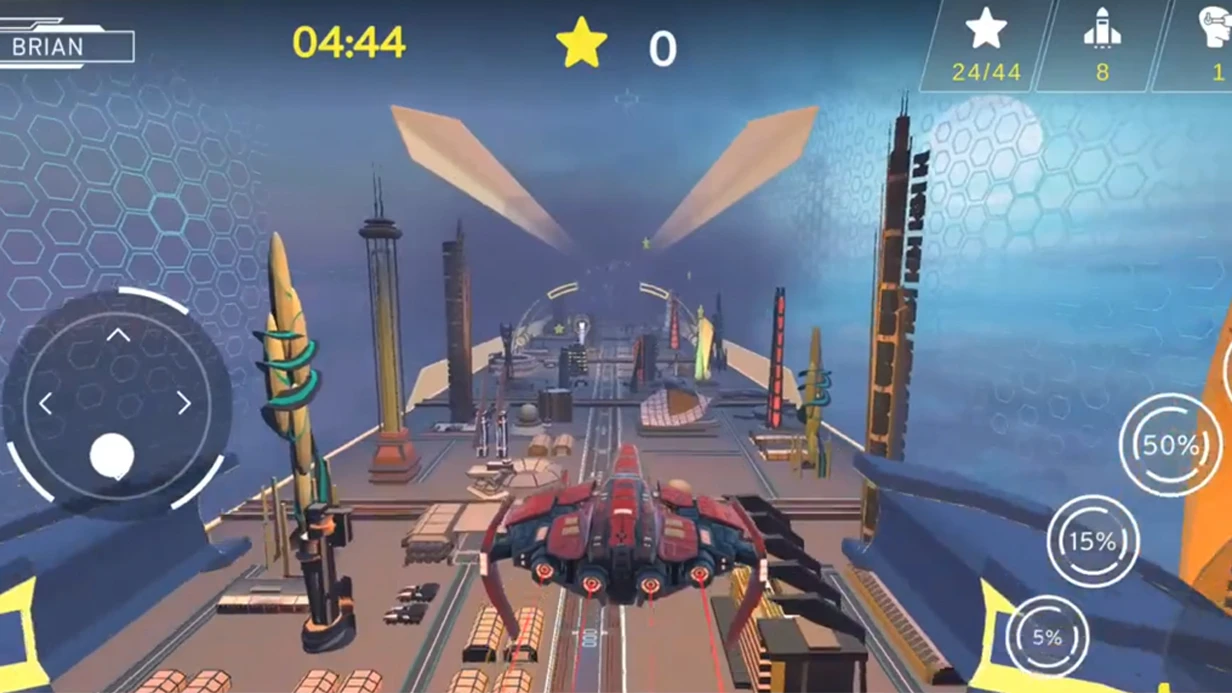
A promo game is a way to reverse this dynamic. Instead of passive listening, guests get involved in action: they complete tasks, compete, and receive prizes. They start interacting with the brand not as viewers, but as participants.
This kind of audience engagement holds attention for 15-30 minutes, and the emotion from the game becomes the main memory of the event.
An engaged guest stays to the end, tells colleagues about the event, and shares moments on social media. This gives additional reach that doesn’t need to be paid for separately.
The event turns from “just a meeting” into a story people want to repeat — and that increases the share of repeat visits to future events.
We cover this need: we develop promo games that integrate into your program and work toward results. We set the goal, choose mechanics that fit the audience, and launch so guests don’t leave early.
What benefits does interactive marketing bring to business
Interactive marketing has long ceased to be an experiment — it is a working tool that converts audience attention into measurable results.
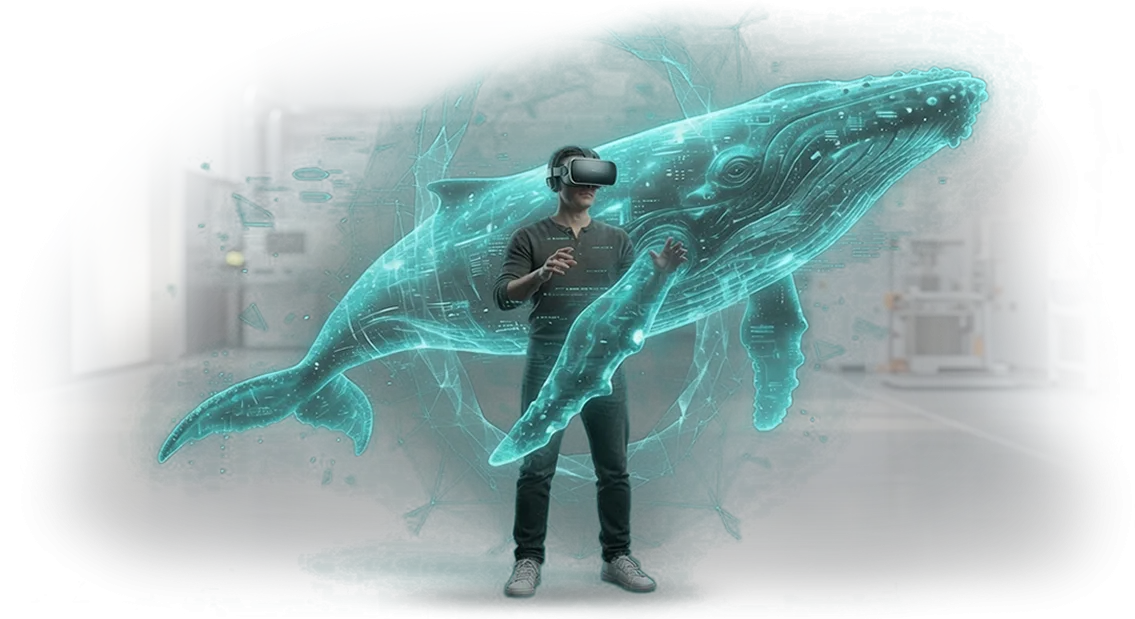
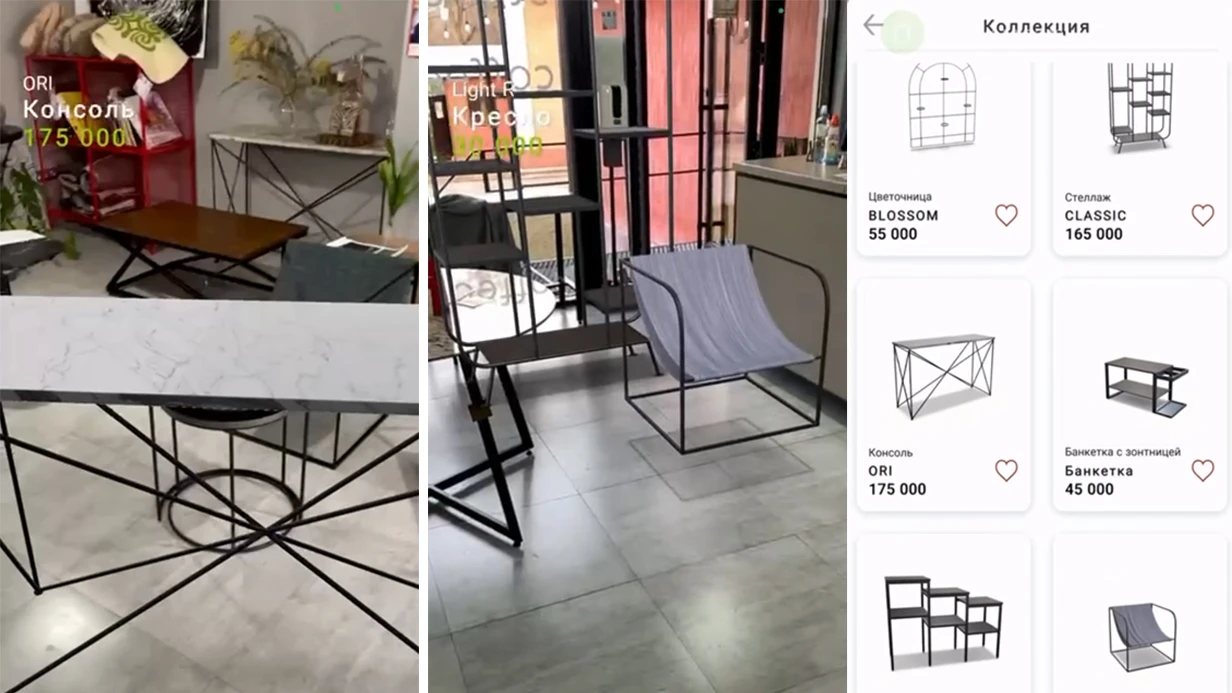
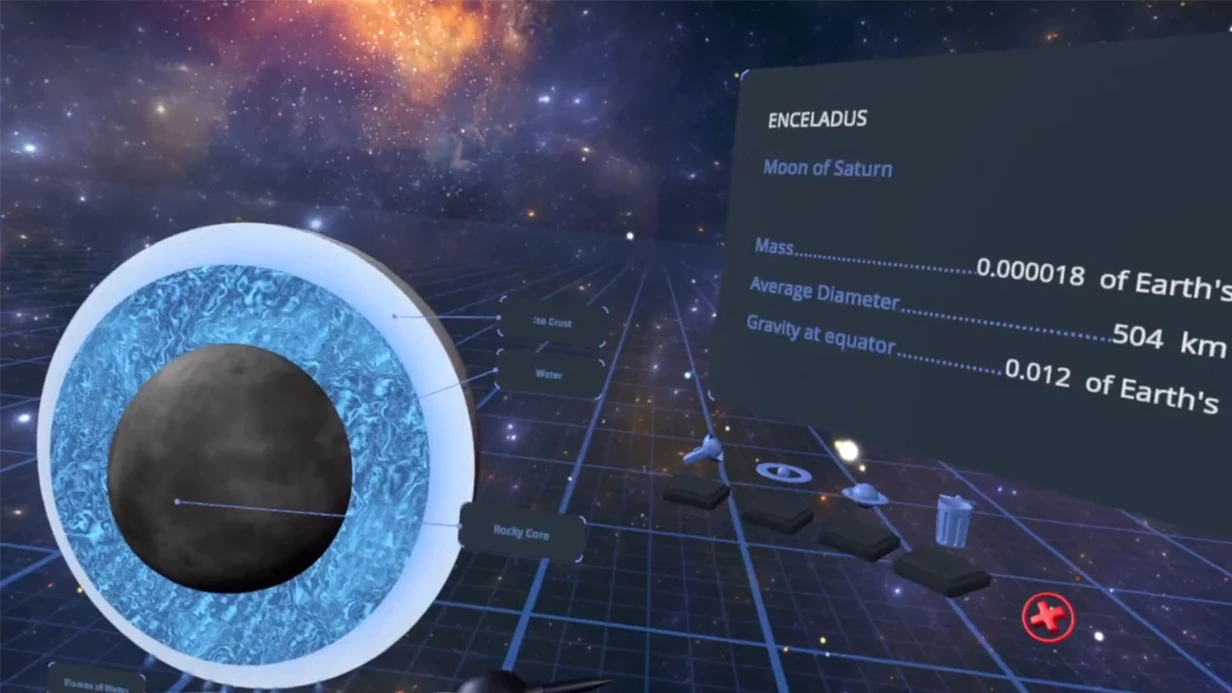
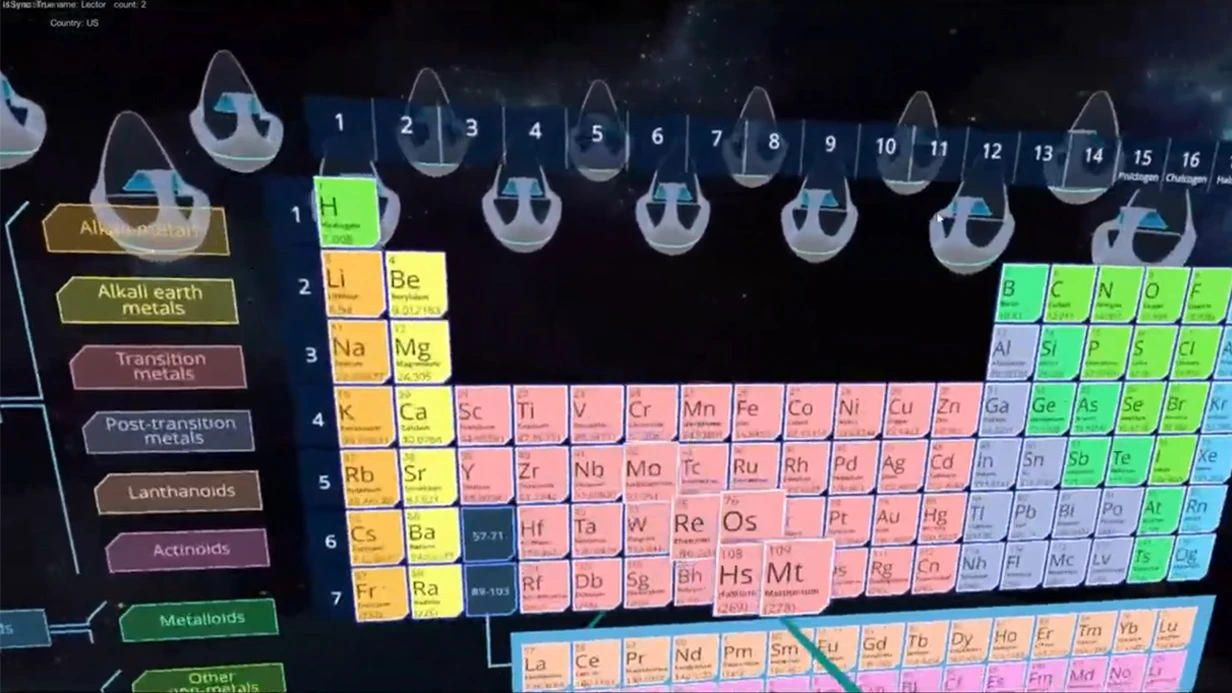
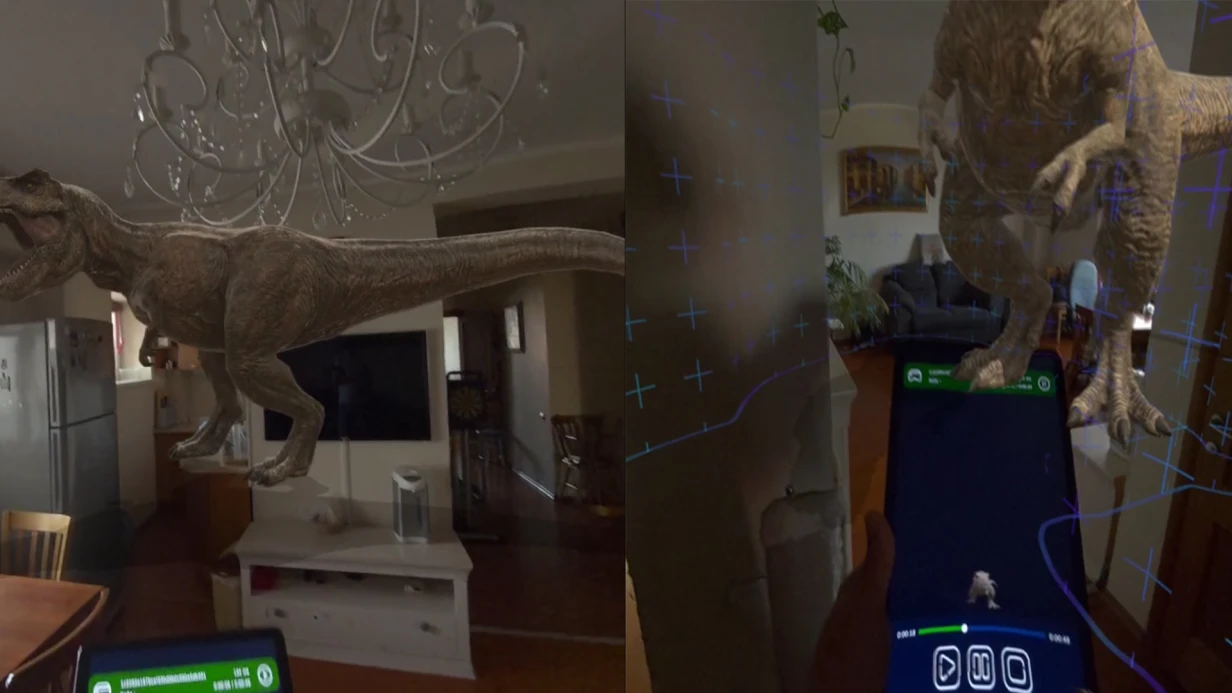
A promo game with augmented reality engages more strongly than a static banner because a person isn’t just watching an ad — they participate in it.
This changes the attitude toward the brand: instead of a background irritant, you give people an emotion they want to repeat and show others.
Here’s what business gets when choosing interactive mechanics:
- Growth of interest in the product. People are naturally drawn to screens to start the game. The excitement and the desire to complete the scenario hold attention three to four times longer than watching a regular video.
- Audience reach. The game is shared in messengers and social networks — and that’s a free distribution channel. Each participant brings friends along, and the event starts working before the offline launch and continues after it.
- Brand awareness. A vivid interactive experience is remembered better than standard advertising. Thanks to an unusual scenario, the logo and key message stay in memory — and resurface at the right decision-making moment.
- Lead generation. A game can easily become a contact collection point: the participant leaves data to get a result, bonus, or prize. You get a base of interested people, not just view statistics.
- Engaging employees and partners. Internal activities with augmented reality unite the team, while B2B games at exhibitions and conferences help get a client talking and move from “hello” to a substantive dialogue.
We have been building such mechanics for business tasks for more than ten years. We’ll suggest the format that will deliver maximum results — from idea to a turnkey promo game.
WebAR solution formats for different tasks
A WebAR promo game can be implemented in different ways, and the choice of format determines exactly how the audience meets the brand. One game launches by pointing at a poster, another finds the table surface on its own, a third is tied to an urban location.
Each format solves its own marketing problem, so we select it based on your goal, not the other way around.
The right format determines the engagement scenario. Below is a comparison of the formats we use in promo games, in terms of benefit to your business.
| WebAR format | For whom | What it gives the client |
|---|---|---|
| By image on a poster or packaging | Brands with printed materials: booklets, posters, boxes | Animates the medium, increases time of contact with the ad, and collects engagement statistics |
| By flat surface (table, floor) | Promo at exhibitions, in shopping malls, in offices | The game appears in any room without a special stand or marker — quickly and effectively |
| With geolocation | Urban quests, event promotions, retail chains | Creates a game route, brings people to the right locations, and increases foot traffic |
| Face filters for selfies | Social media, viral campaigns, events | Users share photos and videos, and the brand gets reach without spending on targeted advertising |
Choosing a format is a marketing decision, not a technical one. We analyze your audience, promotion channels, and desired result, and then implement the game in the optimal format.
One project can combine several types: for example, a poster trigger for an exhibition and a face filter for social media. Tell us about your task — we’ll recommend the format that will bring the most value and handle the implementation ourselves.
How the project goes: from brief to launch
The project starts with a short brief: you tell us about your product, audience, and goals, and we propose a plan. From there, all the work is on our side: you get clear stages, approval points, and contact with a producer. We’ve been doing these projects for more than ten years, so the process is well refined.
-
Brief and goals — we discuss the goals, audience, and devices the game will run on. We lock in timelines, outcomes, and success criteria so you know exactly what you’ll receive.
-
Concept and scenario — we propose the promo game mechanics and a scenario tailored to your brand. We align the visual style so the game matches the tone of the campaign and evokes the right emotions.
-
Design and prototype — we show the screens and game logic: how to open it, what happens after a win. You see the future product and make edits before development begins.
-
Development and testing — we build the game and test it on different devices. We give you a link to a draft version to view from any phone.
-
Approval and polishing — final edits to texts, colors, difficulty, and prizes. We approve the version for launch, and you get a finished game you’ll be proud to show your guests.
-
Launch and support on the day of the event — we publish the game, set up the QR code or link, and help the on-site team so guests don’t get confused.
-
Support and analytics — we monitor performance after launch, answer player questions, and send you statistics: how many people opened the game, reached the prizes, and shared. These numbers are for your report and next campaign.
What is included in developing a promo game for your brand
After the project is completed, you get not just a promo game, but a ready-made promotion tool that works toward your business results. The delivery package includes all the artifacts needed to launch, analyze, and grow the campaign — with no surprises or hidden costs.
- Ready promo game — tested, adapted for smartphones and tablets, launched via link or QR code without installing apps.
- Scenario and game mechanics — a clear description of how the game engages the participant, drives action, and leads to the target request: registration, application, or purchase.
- Branded design — visuals in your brand style: characters, animation, interface, and audio that strengthen recognition and create the right emotions.
- Admin panel — content management access: prizes, terms, texts, and settings can be updated without developer involvement.
- Analytics system — statistics on sessions, completions, conversion to target action, and return visits. You see how many participants reached the end and which mechanics worked best.
- Instructions and regulations — a guide for the team: how to launch the game, track metrics, update prizes, and quickly stop the campaign if needed.
- Training webinar — a short session for your managers and event team so they can confidently handle the game without technical support.
- Guaranteed post-launch support — assistance during the first week, fixing any issues, and consultations so the campaign runs without interruptions.
In the end, you get not just a set of files, but a working marketing tool with a clear outcome. The delivery package covers every stage — from idea to analytics — so the promo game brings reach, contacts, and repeat inquiries long after the campaign ends.
Case study: how we increased reach with augmented reality
Shoppers are used to discounts and banners — their attention is scattered, and social media advertising is getting more expensive. An electronics retail chain TechnoPlus wanted to launch a promo game that would set the brand apart from competitors and attract new customers.
We proposed an augmented reality format: point your camera at a display window, and a virtual character appears and guides the player toward a prize.
The mechanics turned out to be simpler than it seems: a participant scans a marker, collects three bonuses, and gets a promo code for a discount. It takes less than a minute, but the emotions linger — players share the result in stories and messengers.
We deliberately added a “share” button with a branded frame, so every participant became a free distribution channel.
Over two days of the campaign, in a store with an average attendance of 600 people per day, the game was played more than 1,400 times.
Almost 40% of participants came back and brought friends, and every second participant published the result on social media — giving more than 8,000 free impressions in total.
Conversion to purchase was 17% higher than during a regular discount promotion, and a repeat order a month later confirmed the format works. We adapted the game for another city and saw the same indicators — engagement didn’t drop.
For business, this is a predictable tool for increasing reach: without extra advertising, without app installation, and with clear metrics.
How to choose the right format for your task
It all comes down to the conditions: where the audience is, how much time they have, and which metric you want to improve — reach, conversion, or memorability. A promo game works well when you need to hold someone’s attention and collect a contact.
But if the task is flash reach, a light AR mask is enough; if you have a dedicated area, look into VR. The answers to these questions are exactly how you select the format.
| Format | When it fits | What it gives the client |
|---|---|---|
| WebAR promo game | Need active participation and contact collection | Players spend 2-3 minutes in the scenario, leave their data, and share the result |
| AR mask | Need an easy entry without training | Fast reach and brand mentions in stories |
| VR zone | Have space and the ability to provide instructions | Deep emotion, a queue at the stand, and a photo to remember |
| Quiz with AR hints | Need to communicate product information | Higher memorability and visible participant preferences |
We recommend a format based on your conditions, not a template. You send your goal, visitor profile, and venue features — and get two or three suitable scenarios with a forecast for reach and engagement.
We also account for technical constraints: most guests will open the game from a smartphone, without installing apps. This removes the entry barrier and increases the number of participants.
This approach saves budget and time: you launch something that will definitely work with your audience.
Answering common questions about development
Many questions come up before launching a promo game: how fast it will be made, who prepares the content, and what happens if something goes wrong. We’ve collected answers to the most common client concerns — no technical details, just timelines, results, and your benefit.
How long does WebAR promo development take?
A typical project takes 2 to 4 weeks, including brief, scenario approval, technical implementation, and testing. The exact timeline depends on the complexity of the mechanics and the amount of content, but we always set a date before the start and fix it in the contract. If you need to hit a specific event, we build in buffer time.
What do we need to prepare on our side?
Everything your team already has: logo, brand colors, prizes, and an audience description. The rest — scenario, game mechanics, visual style, and technical setup — we handle ourselves. You approve the concept and get a turnkey product.
How will the game work on the client’s phone?
The promo game launches through the smartphone camera — no app installation or registration. This removes the main barrier: a visitor scans the QR code and plays immediately. We test the launch on various models so every guest gets a stable, glitch-free experience.
What guarantees that visitors will like the game?
We rely on experience from dozens of promo projects and know which mechanics hold attention. After launch, you get statistics on the number of players, average time, and repeat attempts. This data makes it easy to assess engagement and quickly adjust the mechanics if needed.
If your question isn’t here — write to us. We’ll reply within one business day, recommend a solution for your task, and help you with a mechanic idea free of charge.Ready to launch interactive engagement? Submit a request today
Guests remember not the event, but the emotions. A promo game in augmented reality creates interactive engagement that gets every visitor involved and turns them into an active participant. our team launches such formats turnkey — from scenario to analytics.
Submit a request today and get a free consultation. We’ll discuss your task, pick a format for your audience and budget, and calculate the expected reach and conversion to leads.
- Free consultation — we’ll analyze your goal and recommend the promo game mechanic that will work best for your guests.
- Scenario for your brand — we’ll create a story and visuals so the game is recognizable and strengthens brand recall.
- Accurate metric calculation — we’ll show how many people will actually play and how that affects reach and contact collection.
- On-time launch — we’ll handle development, setup, and testing so the game works perfectly on the day of the event.
- On-site support — our specialists will be available and resolve any technical issues in real time.
- Clear final report — you’ll get numbers on the number of players, session duration, and collected data.
Fill out the request form or message us in a messenger — we’ll reply within one business day and prepare a personalized offer. Start with a free consultation to make a well-informed decision about launching your promo game.
Translate the above into English. Preserve structure exactly.