

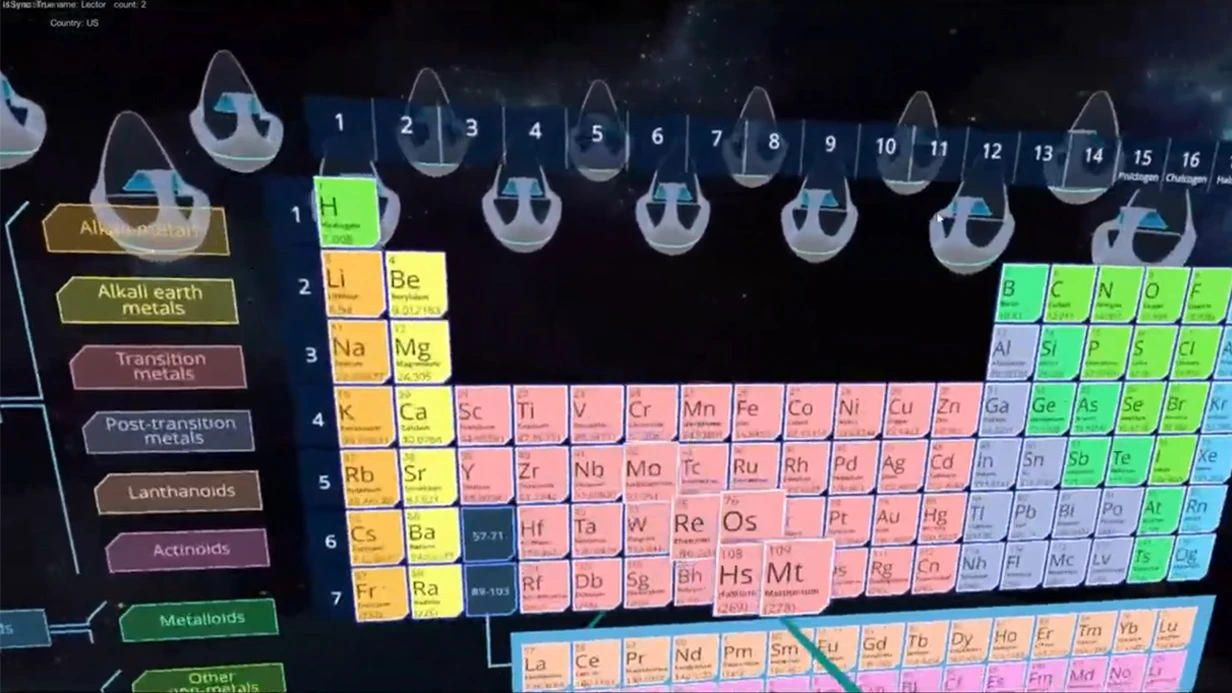
A Historical Site Tour That Surprises
Visitors to museums, estates, and memorial complexes are increasingly skipping long lectures and static exhibits. They want an experience that engages: the chance to walk through halls, examine details, and see how the place looked centuries ago.
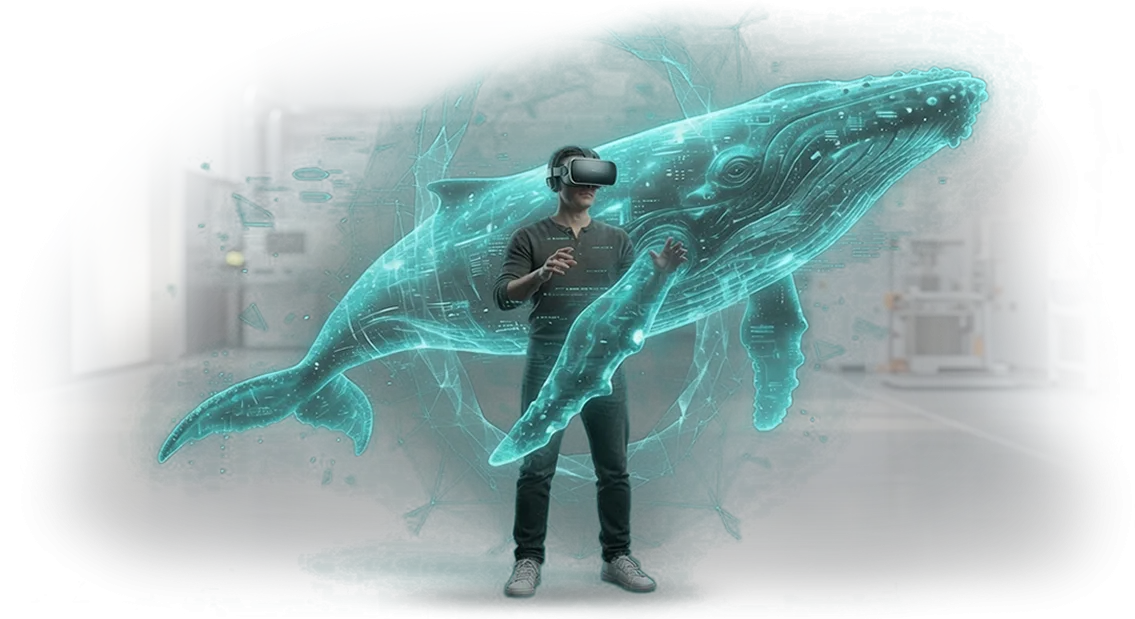
A virtual tour solves this problem — it literally brings history to life, turning passive listening into a personal discovery.
An interactive tour works on two fronts. For the guest, it's an emotion and an impression worth sharing.
For you, it's higher attendance, longer time spent at the site, and a reason to return: technology adds a "layer" of history that you can't see with your own eyes during a standard visit.
This solution also works for promotion: the VR format creates content that people readily share on social media and use in advertising campaigns. The site starts speaking to its audience in a modern language while remaining authentic and historically accurate.
We help museums and tourist locations build interest in their spaces. We create virtual tours that surprise guests and solve your business's practical tasks: from attracting new visitors to increasing ticket and souvenir sales.
What Digital Immersion Gives Your Site
Digital immersion turns a one-time historical site tour into an experience that guests discuss and retell. This isn't just technology — it's a way to give the site a measurable increase in attendance, time spent, and repeat visits.
We build such solutions on professional equipment and refined tools so the client gets a stable result, not an experiment.
Growing Attendance
An unusual tour format is a reason to come even for those who have already seen the site.
Virtual immersion shows the historical place from angles that aren't available on an ordinary walk: guests go up to observation decks, peek into closed halls, and see reconstructions of events. The impression works like a magnet — people come with family, colleagues, and tour groups.
The unique experience itself becomes a reason to share. Visitors take photos and tell others about the new format on social media, so information about the site spreads without an additional ad budget.
Word of mouth brings new guests, and to bring regulars back, it's enough to remind them of seasonal immersion scenarios.
Guest Engagement
When a visitor doesn't just listen to the guide but interacts with history, the time spent multiplies. Guests examine details longer, return to important scenes, and discuss them with each other.
As a result, cafés, souvenir shops, and additional services see more traffic — noticeable both at the register and in site statistics.
Interactivity lowers the entry bar for a wide range of audiences. Children, teens, and adults without special training get involved easily, so the tours suit both school groups and corporate events.
The longer a guest is emotionally engaged, the more likely they are to return and recommend the place to friends.
Brand Awareness
A site that is the first to offer digital immersion is remembered as a leader for a long time. Such an experience stands out from standard offerings, gets mentioned in reviews and guidebooks, and local media are more willing to cover an unusual event.
The brand stops being just "another landmark" and gains its own position in the experience market.
The unusual format also opens up partnership opportunities: hotel chains, tour operators, and event venues reach out themselves to add your tour to their packages.
Over time, this creates a steady flow of inquiries and makes the site a focal point for the region's tourism business. The measurable result: growth in repeat visits and recommendations that keep working even after the seasonal activity ends.
VR/AR Formats for Tours and Events
Which Format to Choose: Individual Tours, Large-Scale Events, or Hybrid?
A historical site tour is rarely the only VR and AR use case. One client needs to impress a small group of honored guests, another needs to engage hundreds of visitors at an open house, and a third wants a permanent exhibition that pays for itself over the years.
Below are three practical formats that we adapt to your site. The specific technical solution is selected after the brief: we tailor the scene, equipment, and interaction mechanics to your scenario, not the other way around.
| Format | For Whom | What It Gives the Client |
|---|---|---|
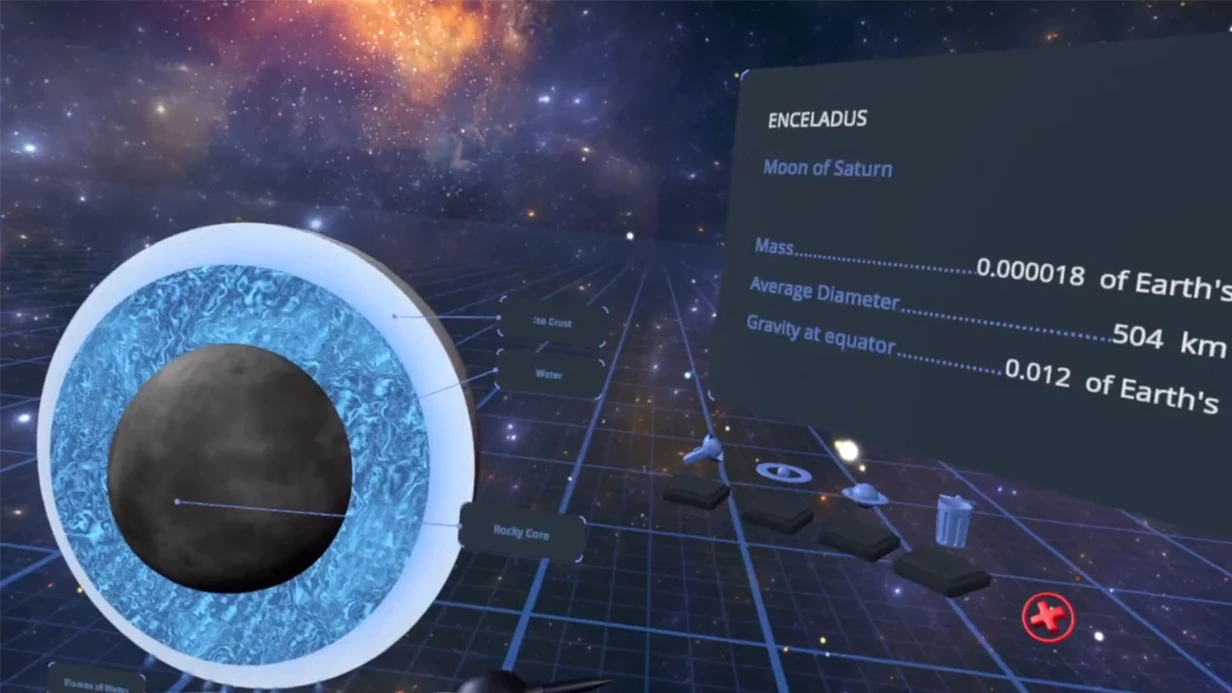
| Individual VR tour (VR headset, one guest per session) | Museums, estates, palaces, sites with limited access | Deep immersion; the guest chooses the pace, route, and details. Suitable for a paid tour and premium format |
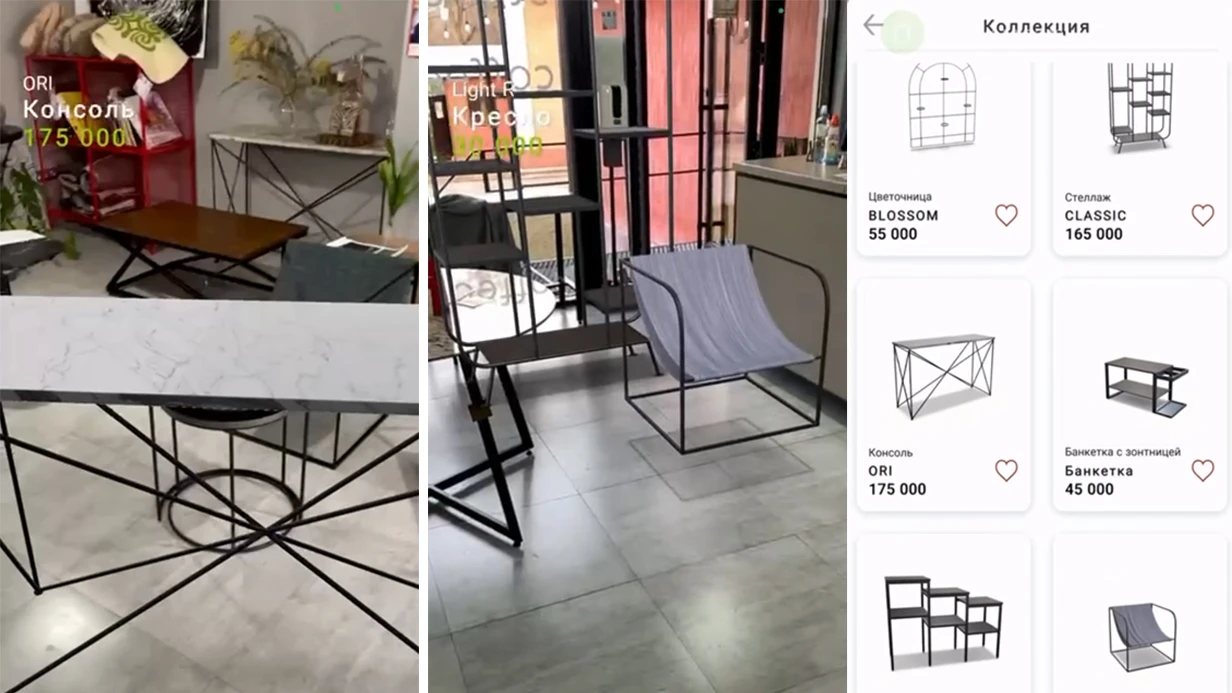
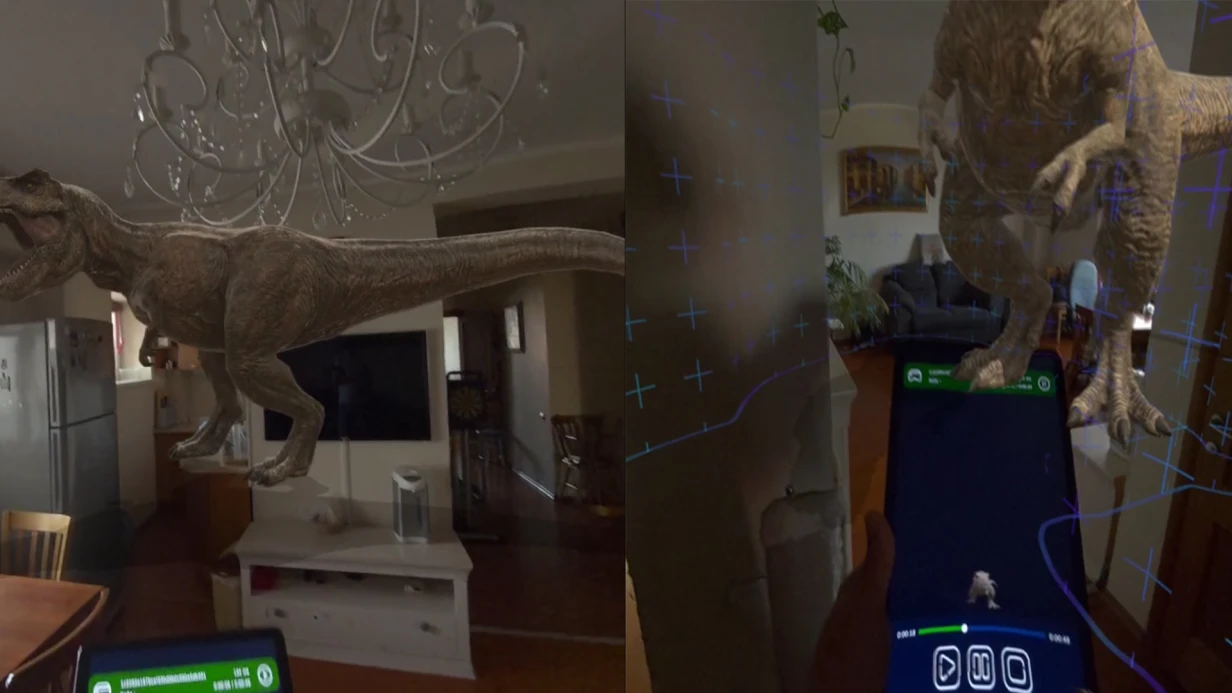
| AR tour of the grounds (on a phone or tablet, no special equipment) | Parks, city routes, open-air venues, festivals | The visitor walks through the real place and sees historical layers on top of reality. Low entry barrier, no need to hand out headsets |
| Large-scale event format (multiple VR/AR stations, teams, or free flow) | Forums, open houses, presentations, anniversaries | Each guest gets the experience in 5–7 minutes, the line moves quickly, and guests leave with photos and impressions they share on social media |
For a permanent exhibition, the mixed scenario is the most common choice: an individual VR tour for deep exploration and an AR layer for self-guided exploration of the grounds from a smartphone.
This way, you cover two different guest needs — those who want to "step inside history" and those who want a quick walk with interesting facts.
The formats are easy to combine for a specific event. We'll help determine what delivers maximum reach and create a historical site tour that works both on opening day and in daily operation.
How We Create a Virtual Tour: Stages
Creating a virtual tour is a project with clear stages, not magic. We break the work into steps, align every important point with you, and support the solution after launch.
Below is a typical path that takes from two weeks to a couple of months, depending on the volume of historical material and the number of viewing points. So you always know what's happening and when the result will arrive.
-
Brief and research. We start by diving into the history of the place, its unique features, and its audience. We clarify what emotions you expect and which points to show first.
We study the target audience — schoolchildren, tourists, corporate groups — and adapt the format to their expectations. This is the foundation of the scenario.
-
Script and storyline. We build the route: what the visitor sees, what they interact with, and how they move from one object to the next. We discuss whether a narrator's voice, texts, or additional materials are needed. We lock down the tour structure and narrative logic.
-
Concept approval. We present a prototype and storyboard and discuss the details before full production starts. We make revisions on paper, not after development — this saves time and budget. We approve the final work plan with you.
-
Virtual environment development. We create a detailed model of the place, refining lighting, interface, and navigation logic. It looks atmospheric while still working on visitors' mid-range devices — they can launch the tour without complicated setup.
-
Testing and launch preparation. We test the scenario on real devices, fix flaws, and optimize loading. We prepare instructions for the staff or tour administrator so you can launch VR any day without our help.
-
Launch and support. We publish the virtual tour on your website or via a link. After launch, we stay in touch: we update content, add new viewing points, and help with user questions. You can always reach out for refinements.
What's Included in a Turnkey Project
When you order a turnkey project, you get not just an app but a ready-made solution that can be immediately launched on site and used without bringing in developers. We take on the entire scope of work — from the historical script to staff training and technical documentation.
The delivery package includes:
- Tour script and direction. A well-planned route, storyline, and historical facts are arranged around your site's goals: a sightseeing walk, a school quest, or an evening program for tourists.
- Content and 3D models. We recreate key buildings, period objects, and the atmosphere of the place — guests feel immersed from the first seconds, not staring at "plastic" graphics.
- A ready VR/AR application. A version for different visitor devices, launched via a link or QR code — no long installations or special preparation.
- Admin panel. You change texts, add new route points, and update event descriptions yourself — without a programmer.
- Staff training. We brief your employees: how to welcome guests, help with setup, and handle common questions during operation.
- Documentation package. Technical description, launch instructions, maintenance schedule, certificates, and source materials — everything for your team and accounting.
- Post-launch support. We monitor operations, visit for updates, and consult until the project is fully self-sufficient.
This package covers all questions at the start and during operation. You get a manageable solution that your staff understands, plus transparent documentation. The result is a historical tour with a modern experience that attracts visitors and strengthens your site's reputation.
Case Study: A Historical Site That Became a Focal Point
Historical sites often lose the race for visitor attention: a guest walks the grounds for 15–20 minutes, takes photos, and leaves. The impression doesn't last, and the ticket is sold only once.
Complex managers look for a way to retain the audience, increase time spent on site, and at the same time create a source of repeat visits.
We solved this problem for the Historical and Cultural Center "Crossroads of Epochs" and developed a VR tour that turns an ordinary visit into a living journey through different historical eras.
The visitor puts on a headset and sees how the place changed over time: hears sounds, observes key events, and chooses their own route. This is a full-fledged interactive development case where the past comes to life — without a lecturer, guides, or boring plaques.
The result was an increase in visitor flow — and it's visible in the numbers. In the first two months after the VR tour launched, attendance at the historical site grew by 40%, and average time spent increased from 20 minutes to an hour.
On a peak day, guests completed more than 300 immersions, and mentions of the complex with a geotag on social media tripled.
After the first season, the center ordered another format from us — an evening VR tour with elements of historical reenactment. This repeat order confirms that a well-crafted development case gives a historical site steady growth in interest, not a one-off promotion.
The same logic applies to your grounds. We'll tell you how to adapt a VR tour to your historical site and its audience — we'll show interaction examples and calculate the expected effect.
FAQ About VR Tour Development
Clients who order a VR tour of a historical site usually worry about one thing: whether we'll make it in time for the event, whether the project will fit the budget, and whether guests will be able to open the tour on their own devices.
These are understandable concerns, and we've heard them dozens of times. Below are short answers to the key questions.
How long does VR tour development take?
After the brief and scenario approval, we set the timeline in the contract and work to a clear plan. A typical project takes three to six weeks — the exact date depends on the number of locations, graphic detail, and the volume of texts. We stick to the schedule because you plan the event in advance.
What budget is needed for such development?
The cost depends on the number of viewing points, the complexity of the 3D scenes, and the volume of texts. We prepare a detailed estimate after a short brief — it's transparent and doesn't change along the way.
If the budget is limited, we'll offer options: reduce the number of locations, use ready-made scenes, or launch a simplified version for phones.
What devices will it work on?
It's a WebVR project, so guests open the tour without installing apps — from a phone, tablet, computer, or virtual reality headset. We test launch on all popular models and guarantee that everything will work for your visitors. No specific user settings are required.
Who will support the tour after launch?
We support the project after delivery: we help with setup, update information, change texts, and add new viewing points at your request. For a year, you can reach out to us with any question — we respond on business days and make edits promptly. If you have a question we haven't answered, write to us. In 15 minutes, we'll show you what a tour for your specific site would look like and suggest a format that fits your budget and timeline.
Discuss Your Project — We'll Calculate Format and Cost
Every historical site tour is unique: its own grounds, its own audience, its own goals. We'll help you understand which VR/AR/MR format will give visitors vivid impressions, give you a measurable result, and won't require unnecessary spending.
One conversation is enough: we'll discuss your goals, show relevant examples, and propose a solution for your budget.
After your inquiry, you'll receive:
- Consultation on your task — we'll break down the goals, target audience, and constraints of the historical site.
- Cost and timeline estimate for your budget — no asterisks or hidden surcharges, with clear payment stages.
- Format recommendation: from a web version for smartphones to a full VR space in a pavilion or outdoors.
- Examples of completed projects for museums, parks, estates, and urban spaces — you'll see how it works.
- Promotion tips: how to attract individual tourists, school groups, and corporate clients.
- A ready commercial proposal with work stages, project scope, and clear launch timelines.
Leave a consultation request — we'll call you back within one business day, clarify the details, and prepare an individual estimate. You'll get a clear action plan, not abstract promises.
How to Choose the Right Format for Your Task?
When choosing a format, base it on the tour's goal, not on technology trends. Full VR immersion works great when you need to transport the visitor to another era and create a "presence effect" — for example, show what the estate looked like before restoration.
AR gently complements the real site with a digital layer: the guest looks at the facade and sees where the lost towers once stood, and a living character appears next to a historical portrait.
For historical sites, a mixed scenario proves optimal.
Keep your focus on three questions: how many people walk the route at the same time, whether guests have their own smartphones (this lowers equipment costs), and how important it is to preserve a "live" connection with the architecture.
If the space allows free movement and a group of up to 20 people, an AR layer is easier to integrate into the regular route. If you need a managed session with a full narrative and sound design, VR will be quieter and more stable.
At the consultation, we'll help you make a decision without deep diving into technical details. You just need to describe the task: reach, average ticket, repeat visits, session length.
We'll suggest 2–3 formats with an estimate of budget and implementation timelines, and also indicate which one will place the least load on your staff. This way, you'll get a clear scenario that fits into the site's operations and doesn't require a developer's constant presence.