

Workplace Safety: The Price of Every Mistake
Every industrial incident is a blow to the budget that most companies treat as an expense rather than prevent.
Losses from injuries include not only direct payments to victims, but also production line downtime, missed order deadlines, rising insurance premiums, and unscheduled inspections.
Workplace safety penalties have two dimensions: direct fines for violations and hidden losses when equipment stands idle while the team cleans up the consequences.
Add staff turnover and reputational risks — neither partners nor new employees want to work with a company that has frequent accidents.
The cost of an incident always exceeds the amount allocated for prevention. One serious incident can wipe out the profit from a major contract, and fixing the aftermath takes months.
But the most expensive part is the human factor, which cannot be completely eliminated by briefings and posters.
People lose concentration, miss critical details in standard procedures, and cannot rehearse rare emergency scenarios in real life — and this leads to exactly those losses.
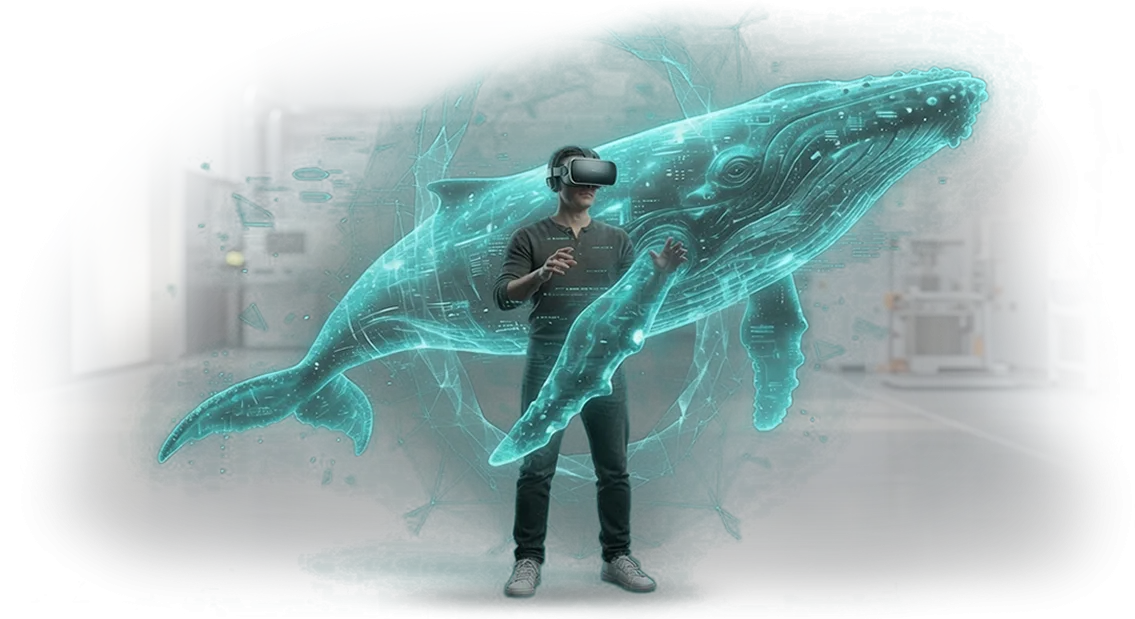
We address this need through digital simulators: an employee enters a realistic environment where workplace safety is practiced until it becomes second nature.
A virtual incident costs next to nothing, and the result is a polished reaction that will save money and lives in a real situation.
What Benefits Will Your Enterprise Gain from VR Simulators
Workplace injuries are not just statistics; they mean halted shifts, sick-leave payments, fines, and reputational losses.
VR simulators allow an employee to safely practice the most dangerous scenario — from working at height to fire response — and develop a skill that holds up under stress.
The benefits of VR training directly impact safety economics. No consumables, training grounds, or instructor visits are needed: scenarios take place in a virtual environment, and the same course can be repeated unlimited times at no extra cost. The company cuts its occupational safety budget while also reducing the likelihood of incidents.
Personnel engagement grows with this format: instead of listening to lectures, the employee controls the situation and sees the consequences of their decisions. This is remembered much better than standard posters and briefings, meaning rules start to be followed consciously.
We develop simulators based on web technologies — WebVR — so training launches directly in the browser without installing heavy software. This simplifies deployment even at enterprises with limited IT infrastructure and allows quick scenario updates as regulations change.
“After implementing VR simulators, the number of micro-injuries dropped by a third in the first quarter, and employees themselves ask for additional training on complex operations,” shares the head of the occupational safety department at a large engineering plant.
In the end, the enterprise gets a comprehensive effect: fewer injuries, a more stable production process, higher team engagement, and clear training savings. VR simulators for workplace safety are not an experiment but a proven risk-reduction tool that quickly pays for itself.
Immersive Formats for Workplace Safety Training
Each immersive training format solves a specific task: sometimes you need to drill actions until they become automatic, sometimes a quick hint right at the workstation, and sometimes coordinated work by an entire shift.
We have gathered the main options so you can choose one suited to your production specifics rather than adapting your process to the technology.
| Format | Who it suits | What it gives the customer |
|---|---|---|
| VR simulators | Factories, chemical and oil-and-gas enterprises, mechanical engineering | Full immersion in an emergency situation without risk to personnel — the employee practices actions until automatic |
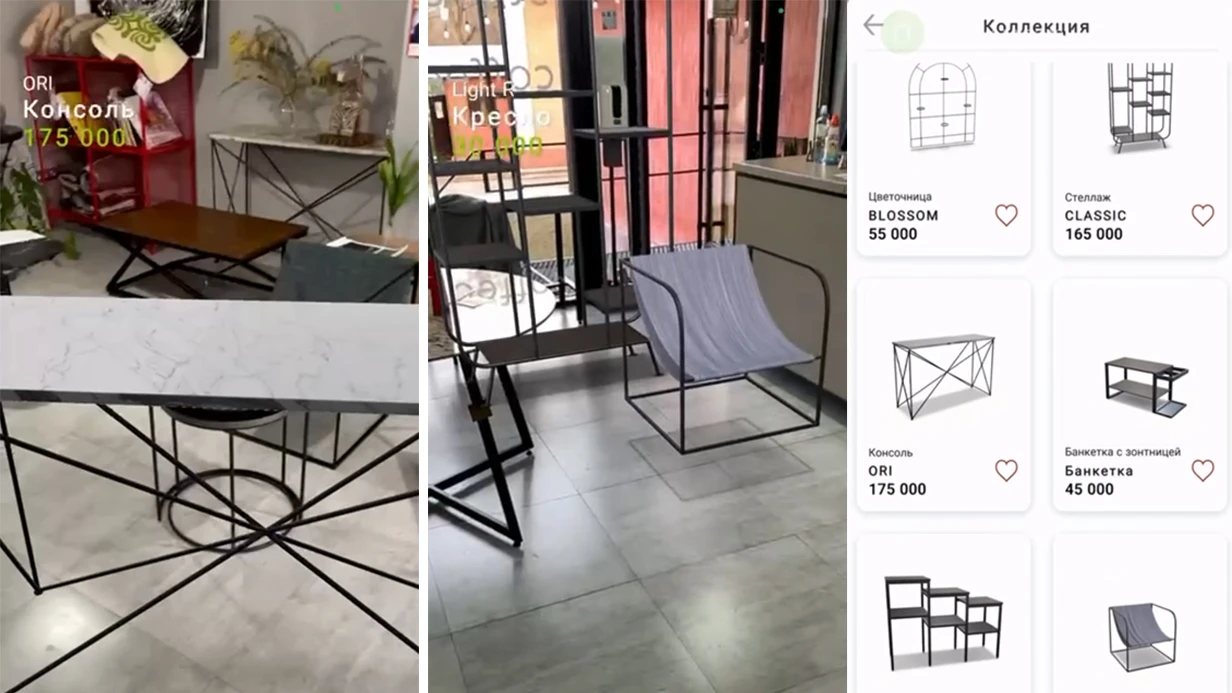
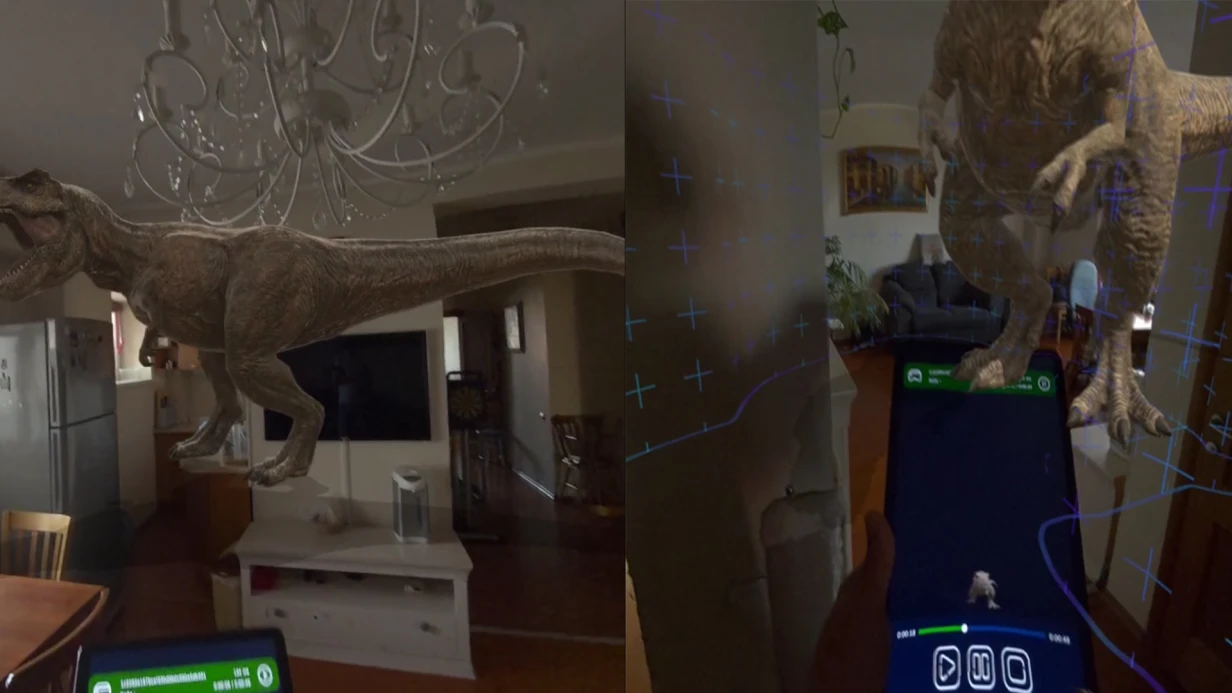
| AR briefings | Repair services, equipment operators, maintenance services | Step-by-step hints over real equipment — reduces errors during maintenance and repairs |
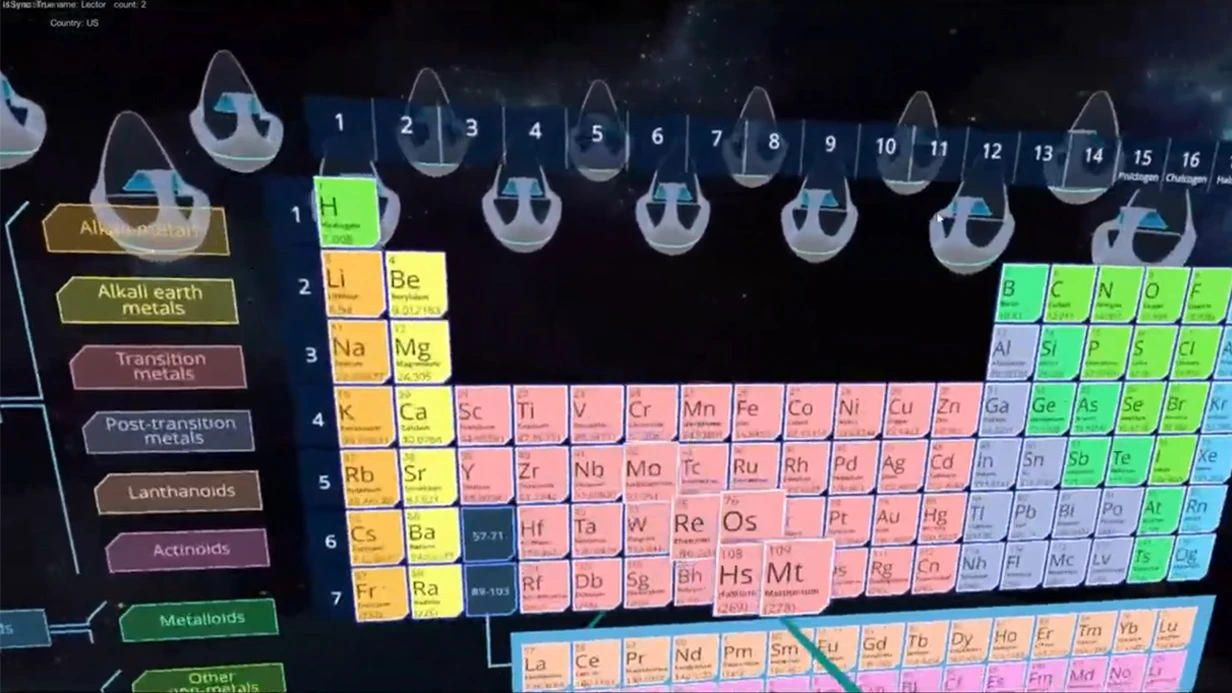
| MR training | Team scenarios, workplace safety, evacuation, work in hazardous areas | Combining the real environment with virtual objects — the group learns to interact in near-real conditions |
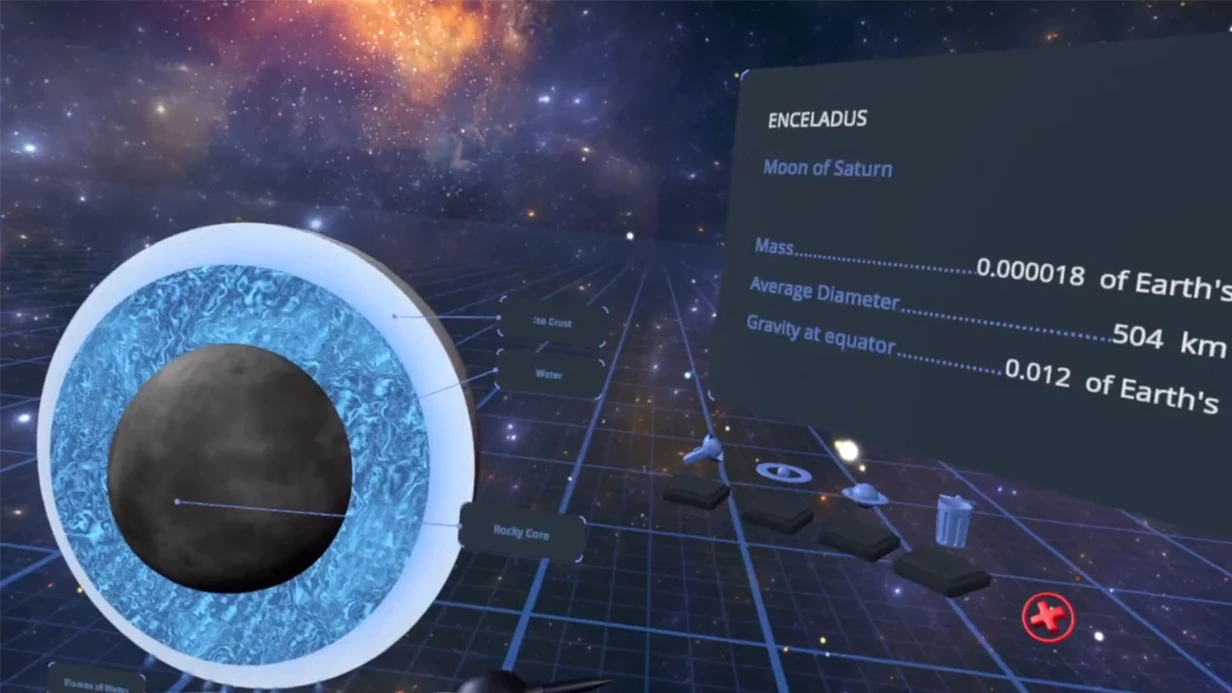
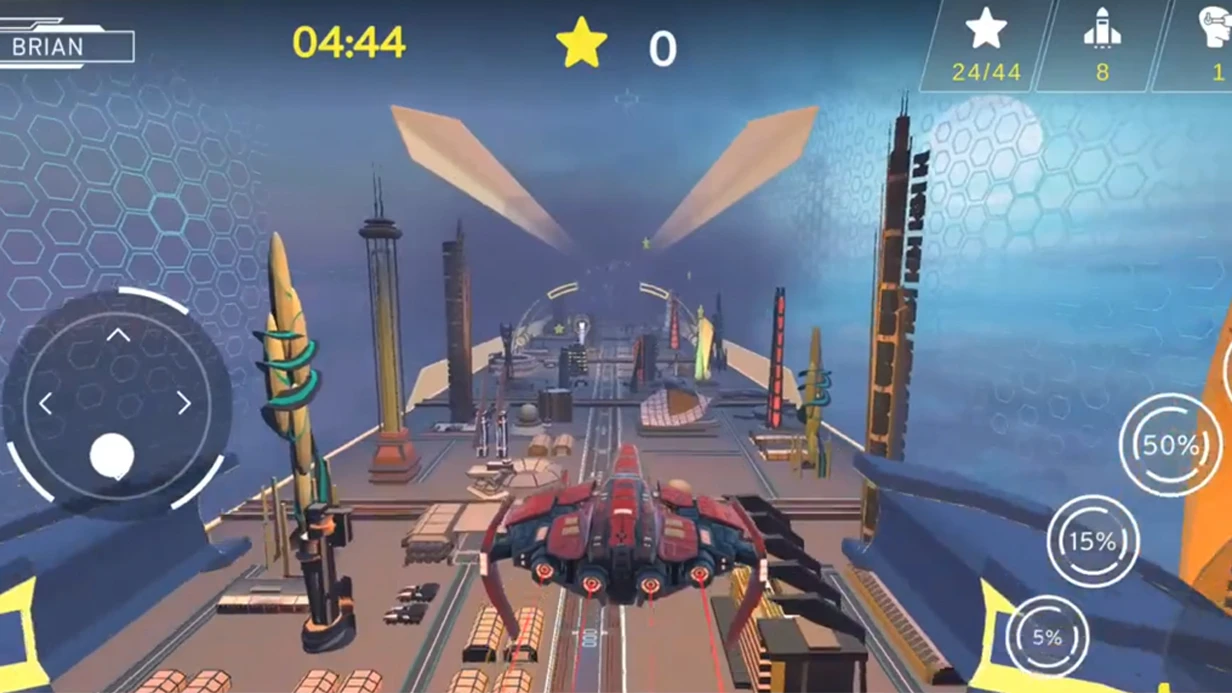
VR simulators for factories perform best where it is important to practice individual skills: actions in case of fire, leaks, or equipment failure. An employee enters a realistic environment and makes decisions under stress — while nothing actually explodes or breaks.
AR briefings are indispensable for routine maintenance and repairs. Instead of thick manuals, the worker sees hints directly on the equipment: where to press, what to unscrew, in what order. This reduces downtime and the number of mistakes made by newcomers.
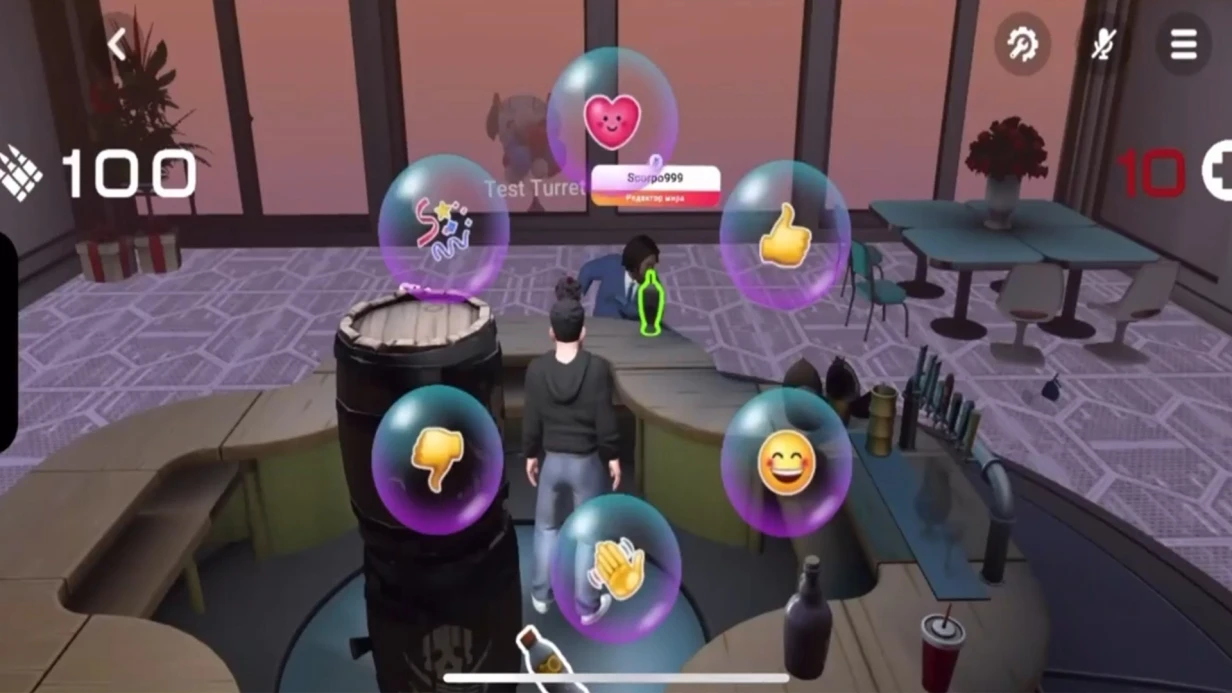
MR training focuses on team scenarios: evacuation, emergency response, and interaction between different services. Participants see a shared virtual picture and learn to coordinate their actions — exactly what is missing in classic briefings.
If your goal is to speed up onboarding and reduce injuries, start with VR simulators. If you need to improve the quality of repairs and maintenance, take a closer look at AR. For regular drills and checking unit readiness, choose MR scenarios.
We will help you choose a format for your industry, scale, and budget. We will show you how it works with three examples and design a program to fit your regulations.
How VR Training Implementation Works: From Brief to Launch
We have structured the process so that every decision you make is informed and the result is predictable. No hidden stages and no “black boxes”: you always know what is happening, what is being approved, and what you are paying for. Below is a typical path from the initial request to a working workplace safety training system.
-
Development brief. You fill out a short questionnaire: which production areas, what violations occur, who needs to be trained, and what goals the program should achieve. At this stage, we dive into your specifics and offer a preliminary solution.
-
Solution proposal and plan. We show how VR training will fit into your existing briefing system, which scenarios will cover typical risks, and what timelines and budget will be required. You get a transparent cost estimate and an understanding of the scope of work before we start.
-
Scenario approval. Together with your occupational safety specialists, we define the scenario: which situations we model, which employee actions we evaluate, and what the final report looks like. You approve the scenario — and only then does development begin.
-
Development and interim demos. We create a prototype and show it to you: you see what the locations look like, how hints and scoring work. At this stage, it is easy to make changes before the final version — without rework later.
-
Pilot testing with employees. We run the training on a small group, collect feedback, and analyze results. This helps identify awkward moments and refine the interface before a full rollout.
-
VR training launch. We install the system on your equipment or integrate it with your training platform. We train administrators, hand over instructions, and help with initial runs.
-
Support and development. After launch, we stay in touch: we update content, add new scenarios for changing risks, and answer questions. You get not a one-off development but a working tool that grows with your production.
What Is Included in a VR Solution for an Occupational Safety Department
When you order a VR simulator for workplace safety, you are buying not equipment but a reduction in injury risk. To avoid getting just a “helmet in a box,” check the package against this checklist.
- Training scenarios tailored to your production: introductory briefing, work in hazardous areas, emergency response. Scenarios are adapted to your procedures.
- Methodological materials: lesson plans for instructors, evaluation criteria, log templates. Everything is ready to integrate into your training program.
- Employee reference cards: instructions on putting on the headset, session duration, and safety rules. Available as posters and short videos.
- Installation and configuration: an engineer delivers the equipment, sets up workstations, and checks all scenarios. You receive a fully ready system.
- Staff training: your instructors will learn to launch scenarios, adjust parameters, and review mistakes without calling the developers.
- Technical support: consultations, scenario updates for new requirements, and assistance with failures. Available for the entire service life.
If all of these items are in the contract, you will get a working system rather than a set of parts. Launch typically takes up to two weeks.
How a Steel Plant Reduced Injuries by 60%
In metallurgical production, the price of an error is especially high: safety violations lead to serious injuries, costly downtime, and fines. The human factor is the leading cause of most accidents, and conventional briefings often fail to prevent it. An employee can read the rules but not realize the real danger until facing it first-hand.
We proposed a solution — virtual safety training. We developed a VR course for a metallurgical enterprise in which workers practice emergency, fire, and equipment failure procedures without the slightest risk to life.
An employee puts on a headset and enters an exact replica of the workshop, where every decision leads either to a safe outcome or to visible consequences. This format turns abstract rules into personal experience.
The implementation results were measurable and significant. In the first year, injuries at the plant decreased by 60%, and the number of violations of production discipline halved.
We trained over 400 workers in key trades, while average preparation time fell threefold: instead of a two-hour lecture, a worker completes a scenario in 30 minutes and remembers the action algorithms better.
The plant’s safety director at Stalprom shares the result: “Before, we could only talk about the consequences; now people see for themselves what carelessness leads to.
VR training has become our main prevention tool, and the numbers confirm it.” Such feedback is the best proof that the virtual format works in real production conditions.
For us, this is not just a success story but a scalable model. We have already adapted the scenarios for other industries and are ready to launch a similar project at your enterprise — to reduce injuries, speed up training, and protect employees before the first mistake happens.
How to Choose a VR Training Format for Your Production Specifics?
There is no universal VR simulator that is equally effective in every production environment. The training format must mirror the logic of your technological processes and risks: what is critical for oil refining is unlikely to work for an assembly shop. So the choice starts not with a solution catalog but with an analysis of your specific context.
Pay attention to three parameters: the nature of the hazards, the number of employees to be trained, and how often regulations are updated. If you have a large workforce and typical risks, a short group VR briefing that can be delivered right on site is effective.
If the focus is on rare emergencies where a mistake is costly, you need a detailed simulator that drills each specialist’s actions.
Budget and goals also determine the format. For regular training of newcomers, ready-made modules are sufficient — they quickly pay for themselves through fewer injuries and less downtime.
For complex scenarios, such as fire response or chemical leaks, it is better to order a custom development tailored to your equipment and layout. In that case, training is as close to reality as possible, and employees drill the algorithms until they become automatic.
We help you choose a format based on an audit of your production: we identify critical points, the number of users, and the desired outcome. We offer you the chance to test a demo version before launch, so you can see how the material fits your processes.
This way, you get not an abstract VR simulator but a tool that addresses your specific safety challenges and integrates easily into your existing training system.
Answers to Common Questions About Implementing VR/AR/MR
Implementing VR training in production raises questions: how much does it cost, is it compatible with current processes, will it stop the shop floor. These doubts are understandable — employee safety and uninterrupted operations depend on the outcome.
We have gathered answers to the four most common customer questions. They will help you understand how implementation works and what you get at each stage.
How much does implementing VR training cost?
The cost depends on the number of scenarios and the scale: you can start with one workplace safety module or develop a comprehensive program for all workshops. In any case, you get a predictable budget and clear payment stages. The investment pays off through fewer injuries and reduced time spent on briefings.
Will new equipment be required?
We work with professional virtual reality headsets that are already available at your enterprise, or we select a kit for your tasks. Browser-based technology allows training to run on standard computers and laptops — without stopping production or purchasing expensive servers.
How quickly can training be implemented, and will it interfere with work?
Implementation is phased: from a pilot project in one area to a full launch. Employees complete a briefing in 15–20 minutes without leaving their workstation. The production schedule remains unchanged — sessions can be held during shifts or breaks.
How is data security ensured?
All training results are stored on secured servers with role-based access control. You can see completion statistics in real time and monitor which employees have not yet completed their briefing. Data is not shared with third parties and complies with your internal policy.
Order a VR Simulator for Your Enterprise and Get a Cost Estimate
Submit a request for a VR simulator cost estimate, and we will prepare a proposal that takes into account your production specifics and workplace safety requirements.
So you know what happens next, here are all the cooperation stages — from consultation to support of the finished solution.
- VR consultation — we answer questions and explain how the simulator will fit into your current staff training system.
- Safety process analysis — we review your procedures, incident analyses, and typical employee mistakes to choose scenarios for practice.
- VR cost estimate — we prepare a quote for the required number of scenarios, workstations, and briefing frequency.
- Demo simulator — we let you test the prototype with real employees so you can evaluate the effect before purchasing.
- Implementation plan — we agree on a development schedule, launch, and training of internal instructors.
- Support and updates — we adjust scenarios and content when regulations change or new risks emerge.
Fill out the form on the right, and we will send you a preliminary estimate within one business day. The consultation and capability demo are free, and you get a clear plan for making safety training more effective and reducing the number of incidents at your enterprise.