

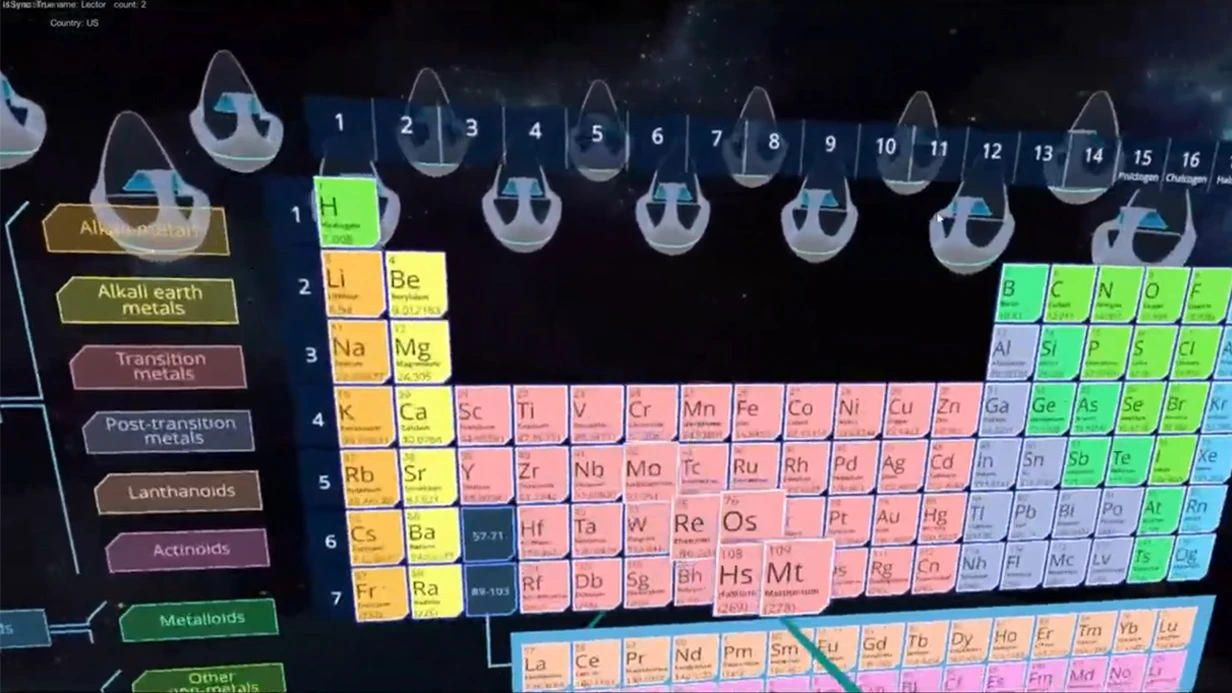
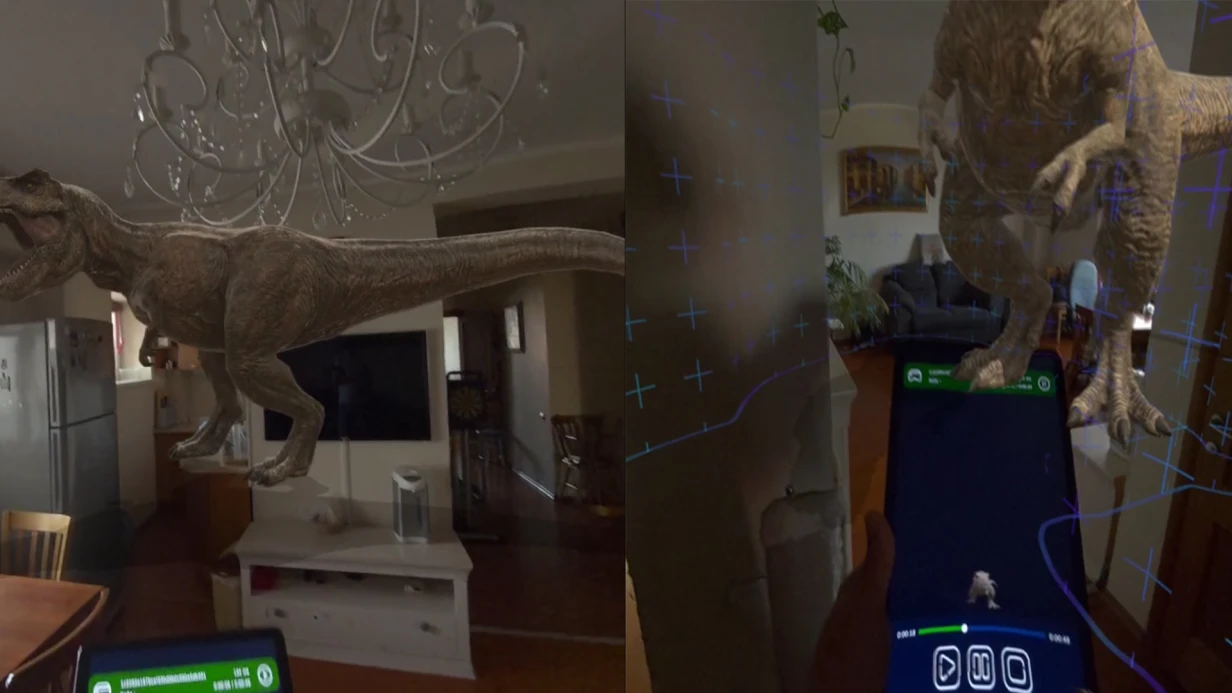
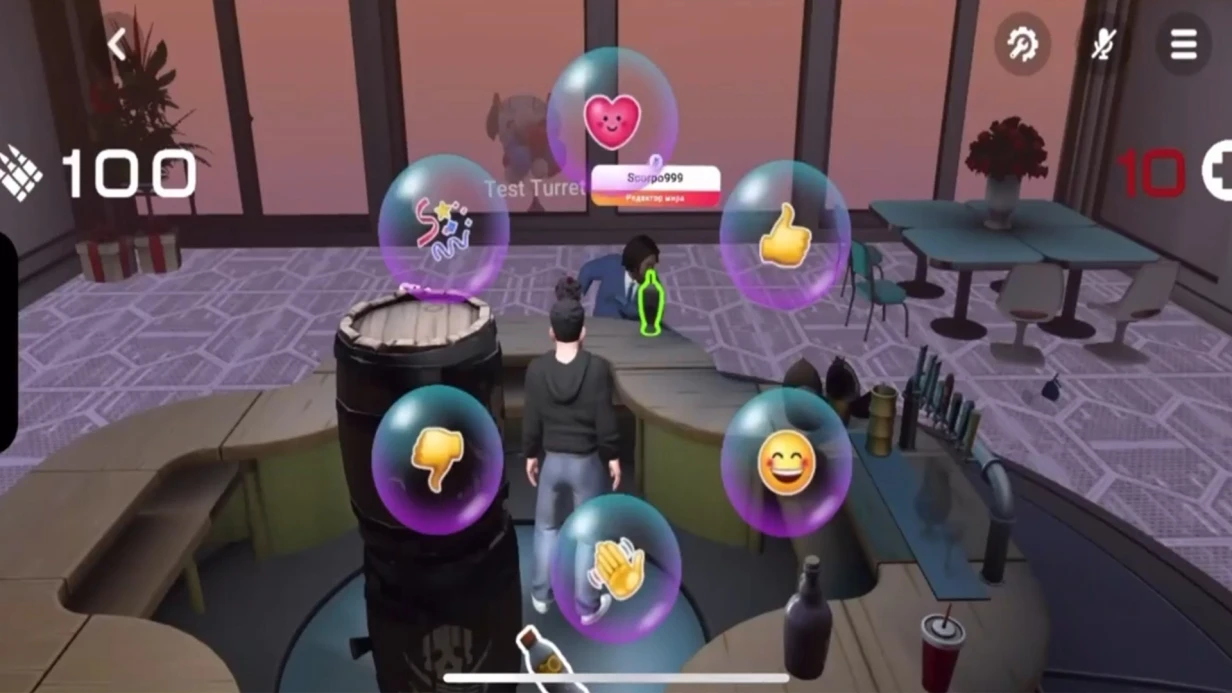
Executive Training: Why Old Methods Don't Work
Executives are the most difficult audience for training: their time is expensive, and their attention is constantly consumed by operational tasks.
Classic formats — lectures, presentations, long courses — don't deliver the desired effect: within 15 minutes interest drops, and the material remains theory that no one applies in practice.
As a result, the company invests money in development programs but sees no changes in the behavior and decisions of its managers. Engagement in such training is minimal, and so is the outcome — a formal checkbox rather than real competency growth.
Over time, this affects competitiveness: decisions are made the old way, without new tools and fresh approaches.
The problem is compounded by the fact that long programs don't suit executives — they can't be pulled away from the business for several days.
What's needed is a format that immerses participants in a real situation, allows them to make mistakes without consequences, and lets them apply decisions immediately.
This is exactly the kind of scenario we create in virtual reality: training lasts 20–30 minutes, fully holds attention, and makes participants act rather than listen.
We address this pain point with WebVR solutions that run directly in the browser — no complex installation or special equipment required. An executive puts on a headset or uses a regular computer, steps into a realistic business situation, and practices decision-making skills.
The result is measurable: higher engagement, better material retention, and training becomes a working tool rather than an obligation.
What Benefits VR Training Delivers for Business
Executives are the most difficult audience for training: their time is scheduled down to the minute, and they are skeptical of standard lectures.
VR training shifts development into a hands-on format that captures attention from the first seconds and delivers results comparable to real workshops — without wasting time on travel.
Engagement Without Fighting for Attention
The virtual environment immerses participants in the scenario completely — no distractions from phones, email, or parallel meetings. The executive isn't watching a presentation but acting inside a setting that mimics their real work situations.
This solves the core problem of classic training: attendees nod along, then forget most of the material within a week.
Skills Form Faster
When an executive conducts negotiations, responds to a crisis, or makes a strategic decision in virtual reality, they live through the scenario and receive instant feedback.
Mistakes in such an environment are safe and carry no reputational risk, so participants try different approaches and reinforce correct behavior patterns. Repetition requires no additional cost — each employee runs as many iterations as they personally need.
Results You Can Measure
The system records every participant action: decision speed, depth of analysis, quality of communication. This provides a transparent picture of progress before and after training, showing the business the real return on the program.
Based on the results, you can assess which skills are already in place and which need further work — and adjust the development plan accordingly.
Making the Most of Expensive Executive Time
VR training compresses development timelines: the program launches when it suits the business and takes far fewer hours than classic training while delivering comparable value. The group completes the course synchronously, with no pauses for logistics or venue setup.
As a result, training fits into the tight schedules of top managers instead of being postponed indefinitely.
VR/AR Training Formats: Choosing the Right Fit for the Task
Executive training is not just knowledge transfer — it's practicing decisions under conditions close to reality. VR/AR lets you choose a format for a specific task: one executive practices negotiation skills, another — crisis team management.
The format determines how quickly the skill transfers into real practice and delivers a measurable result for the business.
Below are three main formats we use in executive programs. They differ in participant engagement level and are selected based on training goals: from individual practice to seamless collaboration across the entire management team.
| Format | For whom | What the client gets |
|---|---|---|
| Individual VR simulator | An executive who needs to quickly level up a specific skill | Practicing decisions without business risk, clear feedback on every action, and reduced mentor time |
| Work situation simulation | An executive who operates under stress or non-standard conditions | Readiness for difficult negotiations, conflicts, and force majeure, fewer errors in real work |
| Team VR session | A group of executives or a management team | Practicing role distribution, interaction, and coordinated decision-making in a shared scenario — results visible immediately |
The choice of format depends on what needs to change in an employee's or team's behavior. We help select a scenario for your task and embed it into your existing training program — from a short simulator to a full series of team sessions.
Project Launch Stages: From Brief to Support
To ensure that WebVR training for executives doesn't become a "black box," we've built a transparent process. At every stage, you can see what's happening and influence the outcome — from the first discussion to post-launch support. Below are the stages we work through.
- Brief and training goals. We start with the business task: which management skills need to be developed, who will take the training, how many people, and within what timeline. You get documented goals, not a vague "make us a virtual training."
- Plan, budget estimate, and acceptance criteria. We lock in stages, timelines, budget, and the metrics against which you accept the work. This removes the risk of "turns out there's an extra cost at the end."
- Scenario approval. Before development begins, we approve the training structure: scenes, tasks, interaction formats. You see exactly how executives will master the material and can make edits right away — no rework after completion.
- Prototype development and interim reviews. We show a working sample early on, you give feedback, and we refine it step by step. No hidden processes — you always know what's going on.
- Testing with a real audience. We verify how executives perceive the training: whether it's clear, convenient, and whether skills are actually absorbed. We polish the details before launch, not after.
- Launch and onboarding. We set up access, publish the application, and connect the results tracking system. We train your team so that WebVR usage requires no technical knowledge.
- Support and evolution. After launch, we stay in touch: monitor stability, update materials, and add new modules as your executives take on new challenges.
What's Included in the Delivery: A Complete Package for Business
The delivery includes not just an application but a complete executive training solution: scenarios, instructions, platform access, and support at every stage. We assemble the package around your task, so you won't need to bring in contractors or dive into technical details.
- Training scenarios tailored to your objectives. Modules on decision-making, team management, and other topics relevant to your executives specifically.
- Clear user instructions. Step-by-step guides for executives and administrators — no technical jargon, with practical examples.
- Platform access from any device. Training runs in the browser: all you need is a link and login — nothing to install.
- Training for your team. A short session for participants and administrators so you can run the program on your own.
- Delivery adapted to your business processes. We configure scenarios and the interface to fit your policies and show how to integrate training into executives' schedules.
- Technical support and maintenance. We help with launch, answer questions, update scenarios, and resolve any issues that arise.
- Implementation recommendations. A plan for fitting training into daily workflows and measuring results for leadership.
Case Study: How We Boosted Engagement for a Top Team
When top managers are skeptical about training, convincing them to complete even a short course is difficult. In one project for a major retailer, TechnoMarket, we faced exactly this: 20 executives with neither the time nor the desire to sit through lectures.
What We Did
We developed a VR simulator in which participants lived through three crisis situations in ninety minutes: a conflict with a subordinate, tough negotiations, and an urgent product launch.
Instead of slides — full immersion: making decisions, reacting to emotions, and seeing the consequences immediately.
Everything took place in a specially equipped office room, so the executives didn't have to travel anywhere. Each session lasted 5–7 minutes, after which we reviewed the actions with a coach. Within just two hours, all 20 participants had completed the exercises.
Results Metrics
The results exceeded expectations: engagement reached 95% — no participant got distracted or asked to leave early. The average experience rating was 9.2 out of 10.
Skill acquisition speed was 40% higher than in the traditional format: follow-up measurements showed that the next day, executives applied the new techniques in real work situations without any prompts.
Top management didn't just praise the format — a week later, the company ordered a second module for 15 regional directors. In the words of the HR director, "we've never seen training this fast or engagement this high."
We don't disclose the details of the commercial agreement, but the repeat order says more than any numbers: the client got the business result they needed and came back. If you want the same momentum — we'll show you how to scale it for your team.
How to Choose the Right Training Format for Your Task?
There's no straight answer to "which format is best" — it all depends on the task, the audience, and the business outcome you want to achieve.
For executive training, three things matter most: a low entry barrier, fast launch speed, and the ability to measure effectiveness. We help you navigate the options and choose the format that solves your specific problem — not just "implementing VR for VR's sake."
If the training is for a team spread across different offices and you're not ready to purchase expensive equipment, WebVR is the optimal solution.
An executive opens a link in a regular browser, puts on an affordable headset or goes without one, and immediately enters the training scenario. It's a fast start with no app installation or special configuration — which matters especially for busy people.
When the task involves practicing complex negotiation situations, crisis decisions, or team collaboration, full immersion in a virtual environment delivers the best results. This format requires dedicated space and equipment but provides maximum engagement and material retention.
If executives need to learn how to act under pressure, this option will deliver a measurable outcome.
For training in the flow of real work — for example, mastering a new sales methodology or on-the-job instruction — augmented and mixed reality technologies are a great fit.
They overlay prompts and instructions onto the physical environment, allowing knowledge to be applied on the spot. We select formats for such scenarios when training must fit into the working rhythm without pulling executives away from daily tasks.
The key is not to chase the "most high-tech" option but to choose a solution that delivers a measurable effect: faster decision-making, fewer mistakes, and a stronger talent pipeline.
Before launch, we analyze your task, target audience, and expected results, then propose the best format — from a compact web scenario to full narrative immersion. That way, you get not an abstract technology but a working tool for developing your management team.
Frequently Asked Questions and Concerns Before Getting Started
Before an executive training project starts, many people have doubts: will there be enough time, will employees cope, is the result measurable. That's normal — VR/AR still seems like a new tool, even though in practice it delivers measurable value to businesses. Let's answer the key questions right now.
How long will development take, and will it disrupt plans?
Timelines are fixed in the contract, and after the brief we give you an exact launch date — typically 2–6 weeks depending on scope. We work in stages: you see results at every step and make edits before the finish line.
How do we fit training into the schedules of busy executives?
Training runs right in the browser — nothing to install. One scenario takes 15–20 minutes and can be completed from any VR/AR headset or a regular computer. Executives join the process without downtime or business travel.
Won't this be harder than regular courses, and won't employees refuse?
On the contrary, the immersive format is simpler and more engaging: a person steps into a familiar business situation and acts, rather than just reading slides.
Engagement is 2–3 times higher than with classic presentations — participants themselves ask to repeat the scenario to reinforce the skill.
How do we know the executive training delivered results?
We build in an assessment system: you can see how each person completes the scenario, where they make mistakes, and what they absorb. Results are compiled into clear reports — compare progress before and after training, or across departments.
Doubts are a natural part of getting started. We'd like to invite you to a live demo and discuss a scenario tailored to your task: it costs nothing, and you'll know exactly what you're getting.Order Turnkey Executive Training
Leave a request — we'll take care of the rest. We'll analyze your task, select a training scenario that fits your company's format, and show you how it will look in practice. You'll receive a complete turnkey solution: from idea to launch, with clear timelines and no surprises.
A dedicated account manager will stay in touch with you. During the consultation, we'll discuss goals, audience, and expected outcomes, then propose a plan that fits your budget and schedule.
Once approved, we kick off the work — you'll know in advance what happens at each stage and when the result will be ready.
What You Get After Your Request
- We log your request on the same day and get back to you within one business day.
- Consultation: we select the training format — offline, online, or blended — for your objectives.
- A launch plan with dates and owners: you see the work schedule and stay in control.
- Training starts after a short approval — no long sign-offs or hidden stages.
- Implementation with support: we help adapt the program to your team and adjust along the way.
- Post-launch support: we answer participant questions and collect feedback.
You don't need to be a technical specialist to give your executives hands-on VR experience. All you need is the desire to develop your team — we'll handle the rest.
Leave a request: we'll share the results our clients have already achieved and propose a pilot format for your company.