

Virtual Museum: How to Engage Visitors and Keep Them
Visitors come to a museum for experiences, but static display cases and placards no longer hold attention. Modern audiences expect participation, not passive viewing — and this is where traditional exhibitions start losing ground to digital formats.
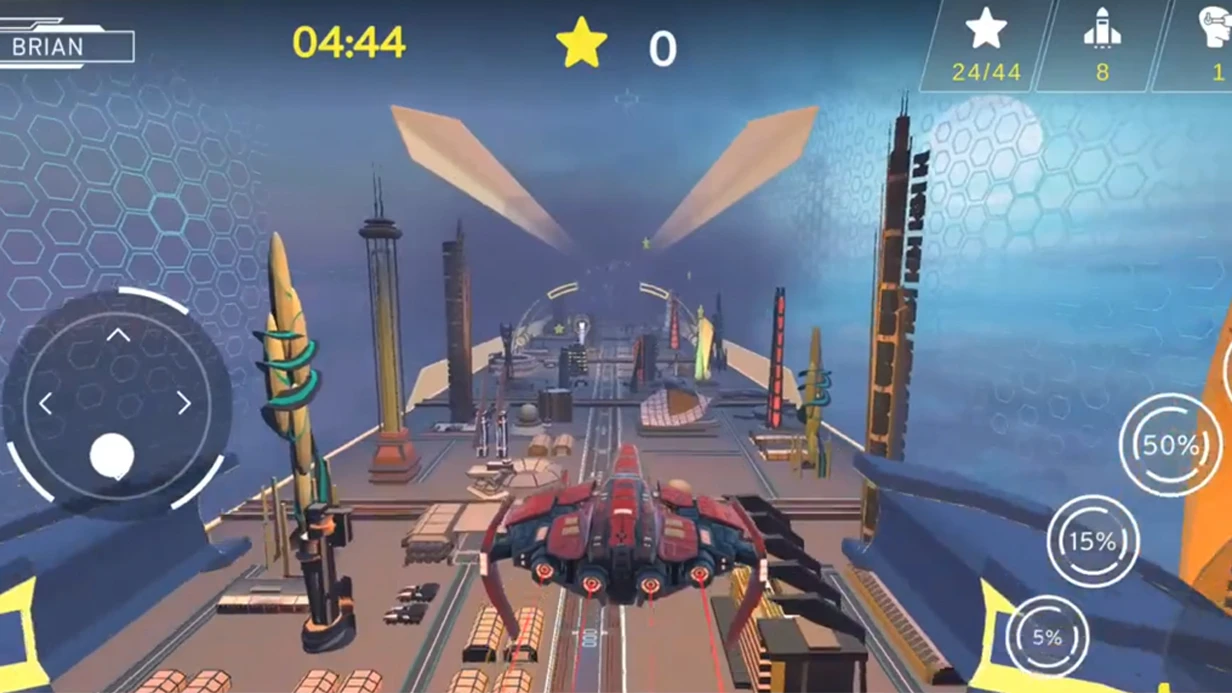
A virtual museum solves this problem: an interactive exhibition turns a tour into a living scenario where visitors choose what to explore for themselves.
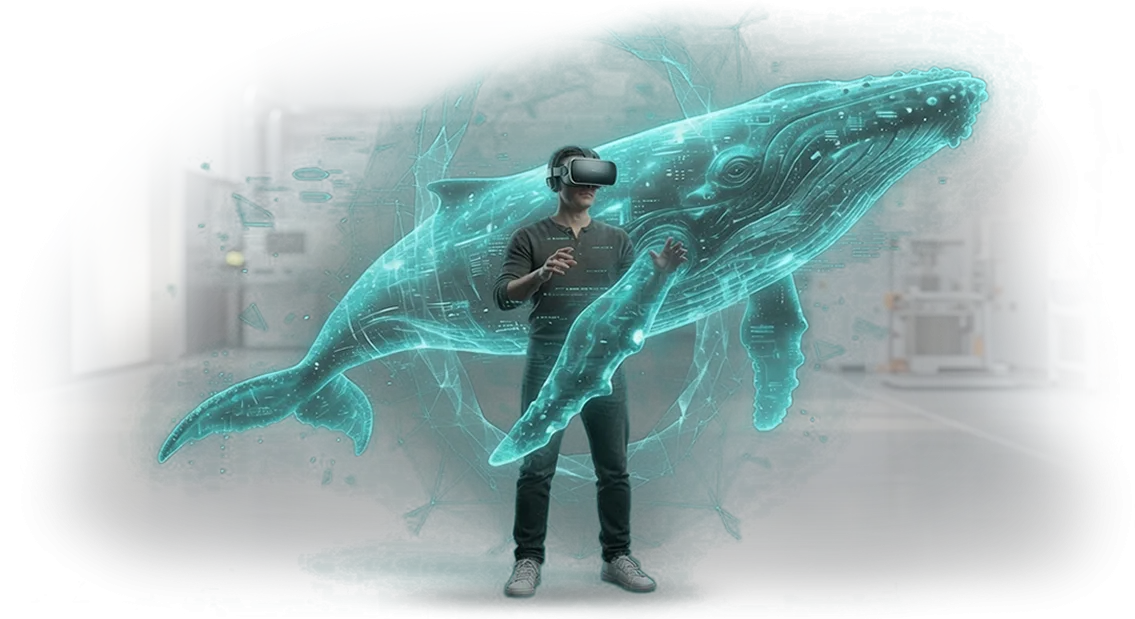
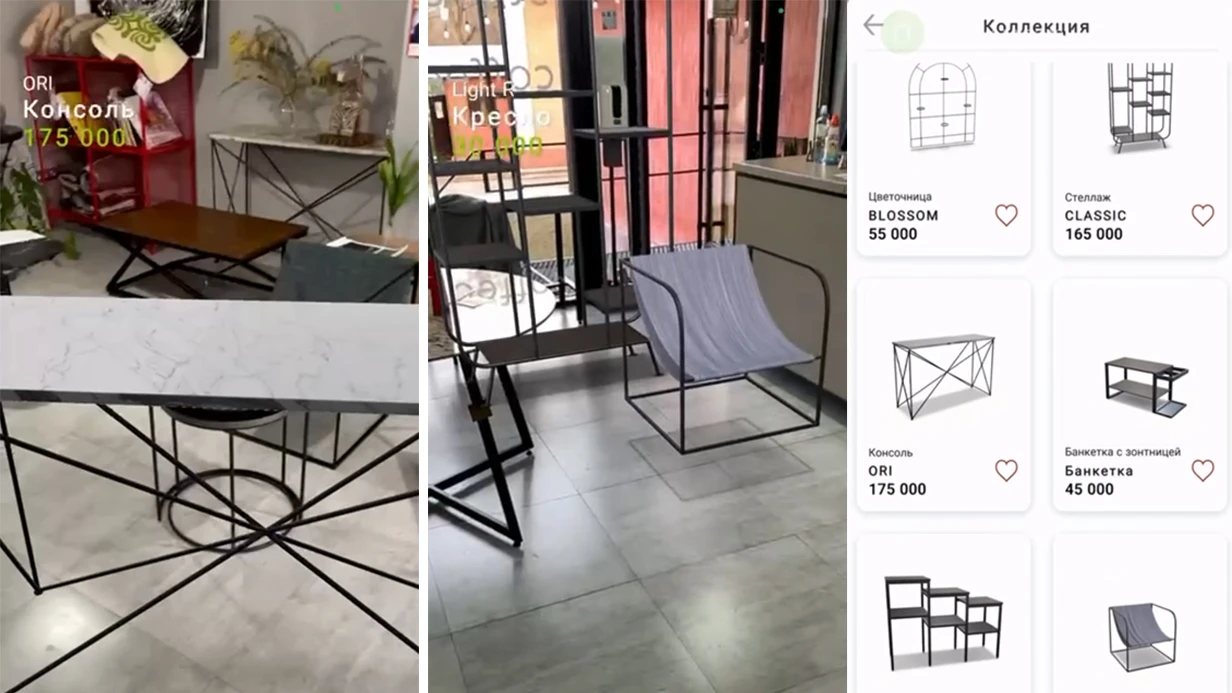
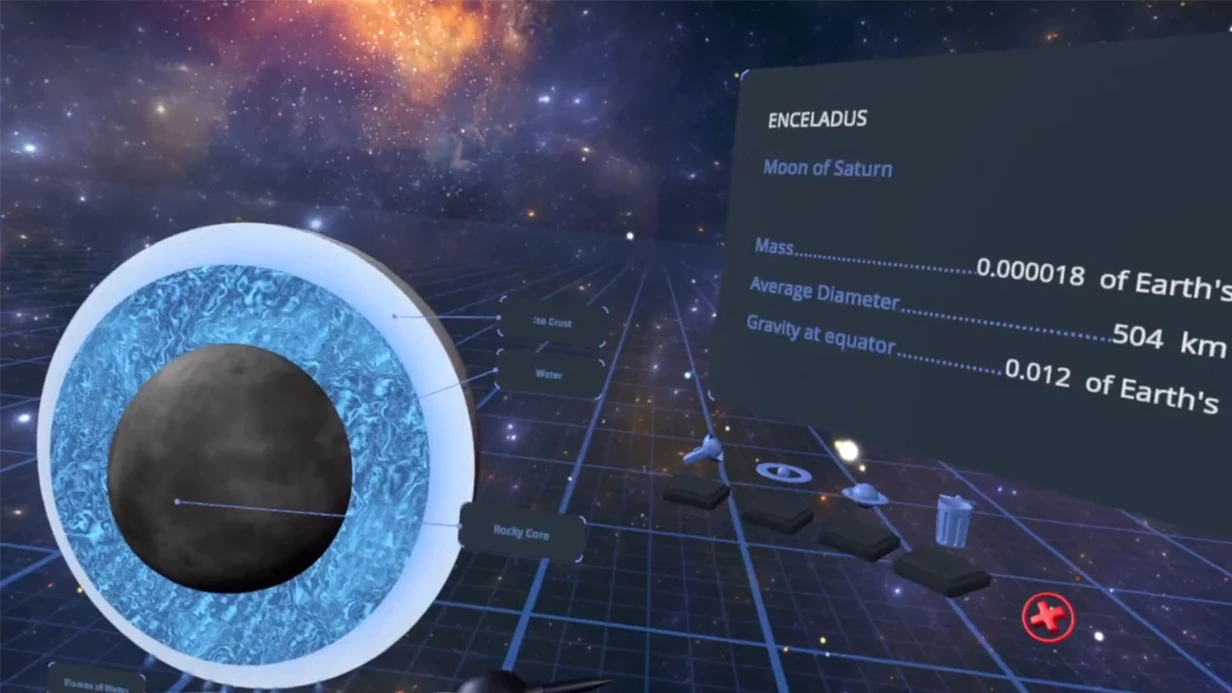
VR and AR elements add depth — you can “step inside” a historical era, examine an exhibit in detail, or see a reconstruction of lost objects.
This is not just a technological decoration but a way to restore the museum’s role as a place people want to return to and bring their friends to.
This kind of museum digitalization delivers measurable results: visitors spend more time at exhibits, remember information better, and are more willing to share their experience on social media.
For the museum itself, this means more repeat visits, a growing younger audience, and the ability to show the collection to people who cannot physically come.
We help museums implement these solutions in practice: we design scenarios that work on any device, from stationary VR zones to visitors' smartphones.
We develop a virtual museum as a full-fledged direction, not a one-off initiative — with clear navigation logic, engaging mechanics, and care for those who interact with the exhibition every day.
What VR/AR Development Gives Your Museum
VR and AR allow a museum to go beyond physical space. Visitors gain access to exhibits that cannot be shown in halls: from reconstructions of ancient cities to interactive layers over real artifacts.
This immediately expands the audience: those who find classic halls boring come, and so do those who cannot visit in person.
Growth in attendance is the main benefit. Online exhibitions and VR tours attract guests from other cities and countries, while AR navigation inside the museum increases the time each visitor spends there.
The longer a person explores the exhibition, the higher the chance of a repeat visit and positive recommendations.
Brand recognition grows through unusual experiences. Visitors photograph AR objects and share their impressions on social media — this is free reach that cannot be bought with advertising.
The museum becomes a place people talk about, and the media readily cover technology-driven projects.
Data collection is the hidden value of VR/AR solutions. You see which exhibits generate the most interest, how much time guests spend at each stand, and which tour formats work best.
This knowledge helps improve the exhibition and make personalized offers, increasing visitor loyalty.
New tour formats make it possible to present complex topics simply and visually. Instead of long texts — immersion in an era; instead of “do not touch” signs — the ability to examine an object from every angle. This changes how the museum is perceived: it becomes modern and open to different generations.
VR/AR is not technological decoration but a tool with measurable results: higher attendance, recognition, depth of engagement, and data for growth. We help museums implement such solutions quickly and with a guaranteed outcome.
Virtual Museum Formats: Choosing According to Your Goal
Museum visitors expect a new experience, not just stands with exhibits. VR/AR formats solve different tasks: a VR tour opens the exhibition to a remote audience, an AR guide brings halls to life for offline guests, and an interactive installation becomes a point of attraction.
The right choice determines the budget, timeline, and — most importantly — the visitor's impression.
Virtual museum development at our team starts with analyzing your task: audience, event location, and desired outcome. We offer the optimal format, from a large-scale virtual tour to a lightweight web application without installation. A comparison of the main options is below.
| Format | Who It Is For | What It Gives the Client |
|---|---|---|
| Virtual VR tour | Remote visitors, schools, tour operators | Audience reach without borders, 24/7 access to the exhibition, ability to conduct tours online |
| AR guide | Visitors with smartphones in museum halls | Supplements exhibits with stories and 3D models — visitors stay longer in the exhibition |
| Web application | Casual users, social media audiences | Quick access via a link, easy distribution, collection of visitor interests |
| Interactive installation | Live audiences in the lobby or at an exhibition | Creates a vivid point of attraction, motivates photos and social media mentions, strengthens the museum brand |
You can combine formats: a VR tour for remote guests, an AR guide for offline visitors, and an installation for events. This creates a unified virtual museum ecosystem with measurable results: broader reach, longer visits, and more repeat visits. We will help you choose the right combination for your budget and timeline and deliver it turnkey.
How VR/AR Project Development Works: A Step-by-Step Plan
There is no room for surprises in VR/AR project work: from the very start, you understand which stages there will be, how long each one takes, and where exactly you can influence the result. Below is the step-by-step plan we use for virtual museums and other interactive spaces. It works equally well for a small presentation and for a large-scale exhibition.
- Brief and task immersion. We have a call and break down the goals: what visitors should feel, which exhibits to show, what story to tell. The output is a short scenario description and a task list for your approval.
- Concept and idea alignment. We propose the visual style, navigation structure, and interaction logic — how a visitor moves through the halls, what they see first, where they linger. You get a clear diagram and examples of the atmosphere of the future space.
- Implementation plan and estimate. We fix the stages, timelines, and scope of work. You know who is responsible for what, what materials are needed from your side, and how we check quality at each intermediate point.
- Creating 3D content and interface. We model the space, exhibits, light, and sound, and put together clear user prompts. We show intermediate versions regularly — so you see the project “come alive” rather than waiting for the final result.
- Testing and debugging. We test the scenario on real devices: how fast the application loads, whether the controls are convenient, and whether the visitor gets lost. We collect feedback from a small group and make edits before guests see the project.
- Launch and support. We help with publication: we set up access via browser or application and train your team. After launch, we stay in touch and quickly fix any issues so that the first day runs without a hitch.
Each stage is accompanied by a short report, so you always understand what stage the project is at and what comes next. And if new ideas appear along the way, they are easy to incorporate into the plan without losing quality and without unnecessary bureaucracy.
What's Included in the Deliverable: Final Package
You receive not just an application, but a complete system that can be launched immediately and filled with content. We hand over the project in stages — at each stage you see the intermediate result and control the process. The final package includes:
- Virtual museum planning and layout — before development starts, we define goals, hall structure, movement scenarios, and key display points.
- A working VR/AR application — a browser version and a version for installation on your equipment. We configure it for your museum, upload exhibits, descriptions, audio guides, and multimedia.
- Content management panel — you will be able to add new exhibits, update descriptions, and change the exhibition yourself without involving developers.
- Technical documentation — clear instructions for launching, configuring, and maintaining the system, written for ordinary staff, without complex terminology.
- Staff training — we conduct an online session for administrators and tour guides so they can confidently work with the system from day one.
- Post-launch support — after project delivery, we answer questions, help solve problems, and update content according to your requests.
This way, you get a complete package for launching a virtual museum, not just a “raw file.” All materials and instructions remain with you, and you can develop the project independently.
Case Study: How We Helped a Museum Grow Its Online Audience
A virtual tour is not just a digital copy of the halls, but a new entrance to the museum for those who cannot visit in person or are intimidated by complex routes.
For a regional local history museum, we built a web space where visitors choose their own scenario: walk through the halls, examine exhibits with commentary, or put together their own tour for children. The task was simple — to turn one-time curiosity into lasting interest.
Within two months, the museum's online audience grew fivefold, and the average session exceeded seven minutes — that's time people spend inside the exhibition, not just reading a poster.
The key was the “hands in pockets” effect: visitors don't just look at the halls, they interact with them. This format gave the museum a new reason to bring guests back: every month we update the interactive scenarios and add temporary exhibitions to the virtual space.
The metrics speak for themselves: 70% of new viewers came from social media through friend recommendations, and the share of repeat visits exceeded 40%. Geographic reach expanded from a single city to 20 regions — these are concrete figures for reporting to founders and partners.
After the first launch, the museum ordered a second virtual hall from us for a children's educational program. The main takeaway: an online exhibition does not replace a physical visit — it feeds into it — and nearly one in three virtual guests plans to visit in person.
If you want the same, we will start with a short brief: we will define the goal, audience, and visitor journey in one day, and within a week we will show you a prototype of your virtual space.
Frequently Asked Questions When Ordering VR/AR Development
Clients rarely doubt the idea of a virtual museum — doubts always concern the practical side: when we will launch, where it will work, and what it will cost.
Below we have collected the most common questions and answered them honestly, so you can make a decision without any ambiguities.
How long does VR/AR project development take?
A typical project takes four to eight weeks. At the start, we fix the stages, approval points, and delivery dates, so you always see what stage the project is at.
If you need a working prototype for a presentation to investors or partners, we separate it out and build it first — the rest can be developed in parallel.
What devices will the virtual museum work on?
We build cross-platform solutions: visitors can join from smartphones, tablets, laptops, and also via VR headsets if they want full immersion. This is especially important for a museum: some guests view the exhibition on their own device, and some on your stationary stands. Either way, no special technical knowledge is required from the user.
How much does development cost? Are there hidden fees?
The cost depends on the size of the exhibition, the number of interactive scenes, and which devices need to be supported. At the first free consultation, we collect the requirements and give you an exact figure — no “ranges” or subsequent surcharges. You receive an estimate broken down by stages, and the final price is fixed in the contract.
What about data safety and security?
If the museum plans to collect visitor contacts or accept payments inside the application, we provide a secure connection and data storage on your server. You remain the full owner of all collected information, and access by outsiders is excluded. For large venues, we also prepare backups and a recovery plan in case of failures.
After answering the questions, all that remains is to discuss the details of your project. Send us a description of the exhibition or call us — we will show examples of similar solutions, calculate timelines, and prepare a proposal within one business day.Let's Discuss Your Project: Get a Free Consultation
Creating a virtual museum is not just moving exhibits into digital form, but a solution that must be convenient for visitors and clear to you. During the free consultation, we will break down your idea, suggest how to implement it, and help you avoid common mistakes.
You will get not general talk, but practical answers: which format suits you, how long implementation will take, what will be required from your team, and what to focus on first. We have worked on museum and exhibition projects, so we know what works and what doesn't.
As part of the consultation, we will:
- Analyze your task and target audience.
- Propose a suitable VR/AR solution format.
- Draft an initial work and stage plan.
- Provide a timeline and cost calculation based on the audit — with no hidden conditions.
- Assess possible risks and suggest how to reduce them.
- Answer questions about integration with your current services.
Leave a request — and we will contact you within one business day. We will agree on a convenient time for the consultation, after which you will understand how to move forward.
This is completely non-binding: even if you decide not to continue, you will get a clear picture of your project.
How to Choose the Right Format for Your Exhibition?
Choosing a format for a virtual museum does not tolerate one-size-fits-all solutions. The same project can be shown in full immersion, supplemented with digital layers over real exhibits, or made accessible from any browser — and each option solves its own task.
So before looking at technologies, answer three questions: what should the visitor feel, how broad is the audience, and under what conditions will they encounter the exhibition.
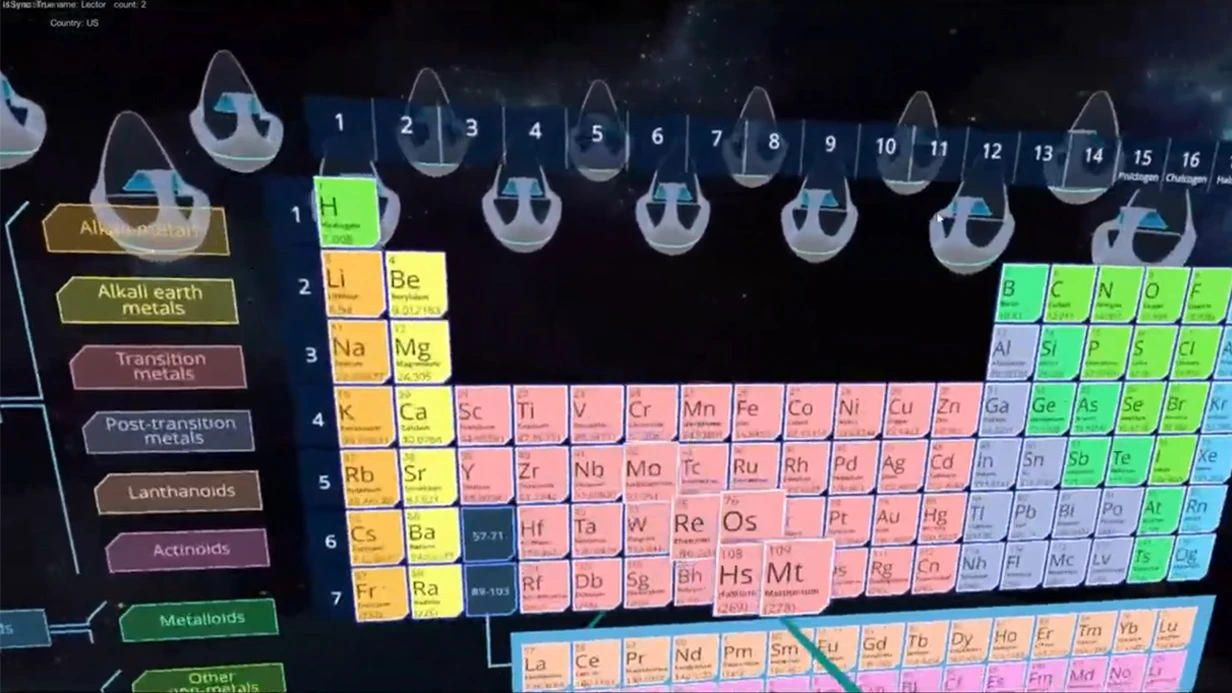
Virtual reality (VR) technology creates a fully isolated world — it is the choice for recreating historical eras, hard-to-reach places, or large-scale objects. A visitor puts on a headset and finds themselves inside the event, creating a sense of personal presence.
This format works well when emotional depth matters and you are ready to provide equipment or arrange a space for immersion.
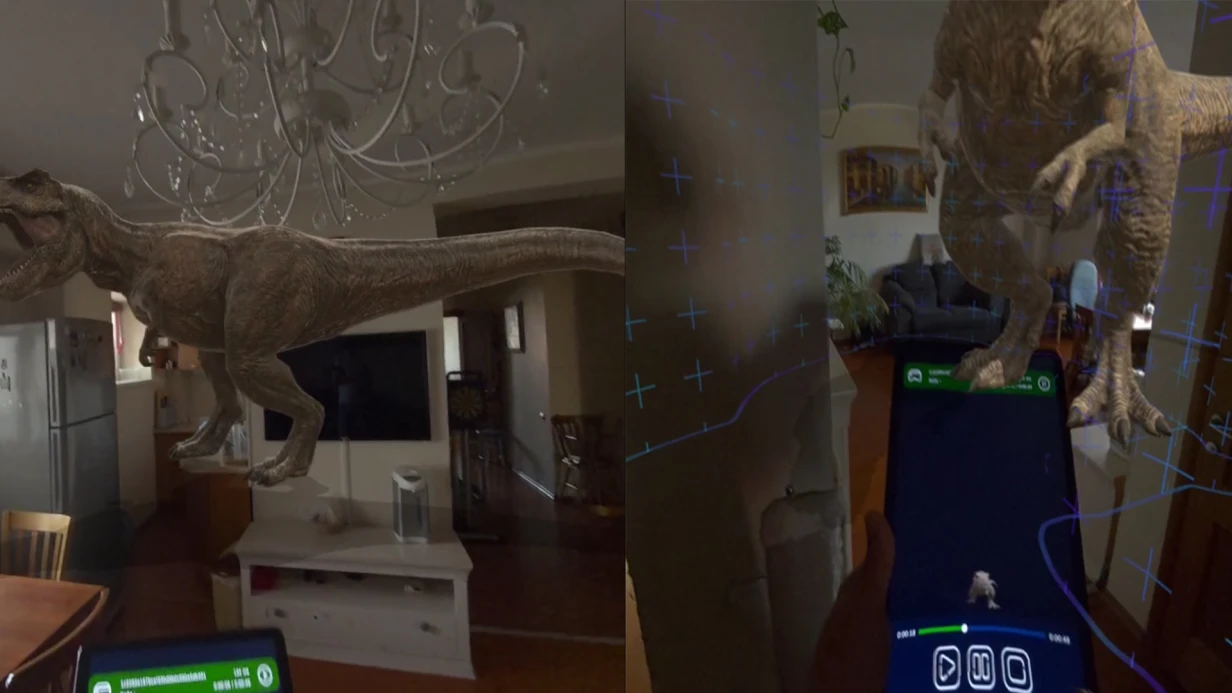
Augmented reality (AR) works differently: it does not take you out of reality, but layers digital objects onto what is already around you.
This is ideal for museums with physical exhibits, when you need to show the creation process, the history of an object, or add interactivity without bulky devices — a smartphone camera is enough. AR is well suited for guides, navigation, and learning scenarios.
The web format (WebVR) is the most accessible: a visitor opens a link in a browser and immediately enters the virtual space, with no app installation or special equipment needed.
This is your tool for maximum reach: you can invite people from anywhere in the world, embed the tour on your website, and use it as a supplement to an offline exhibition. For educational programs and marketing, the web version is often the most practical choice.
So you don't have to guess, we help you choose a format for your specific exhibition: we assess project goals, audience profile, and usage scenario. Often a hybrid approach wins — for example, a web tour for a broad audience and an AR layer for visitors to the physical hall.
The main thing is to start with the question “what will this give the visitor,” and the technology adapts to that goal.